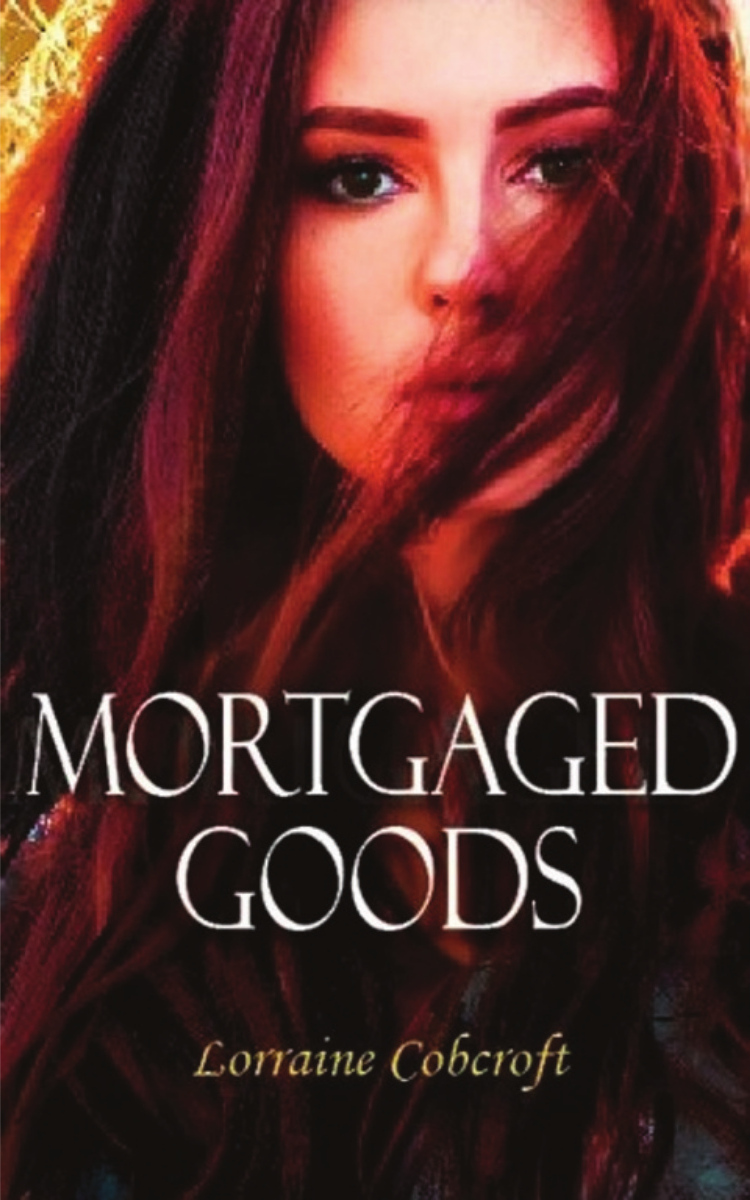
Mortgaged Goods
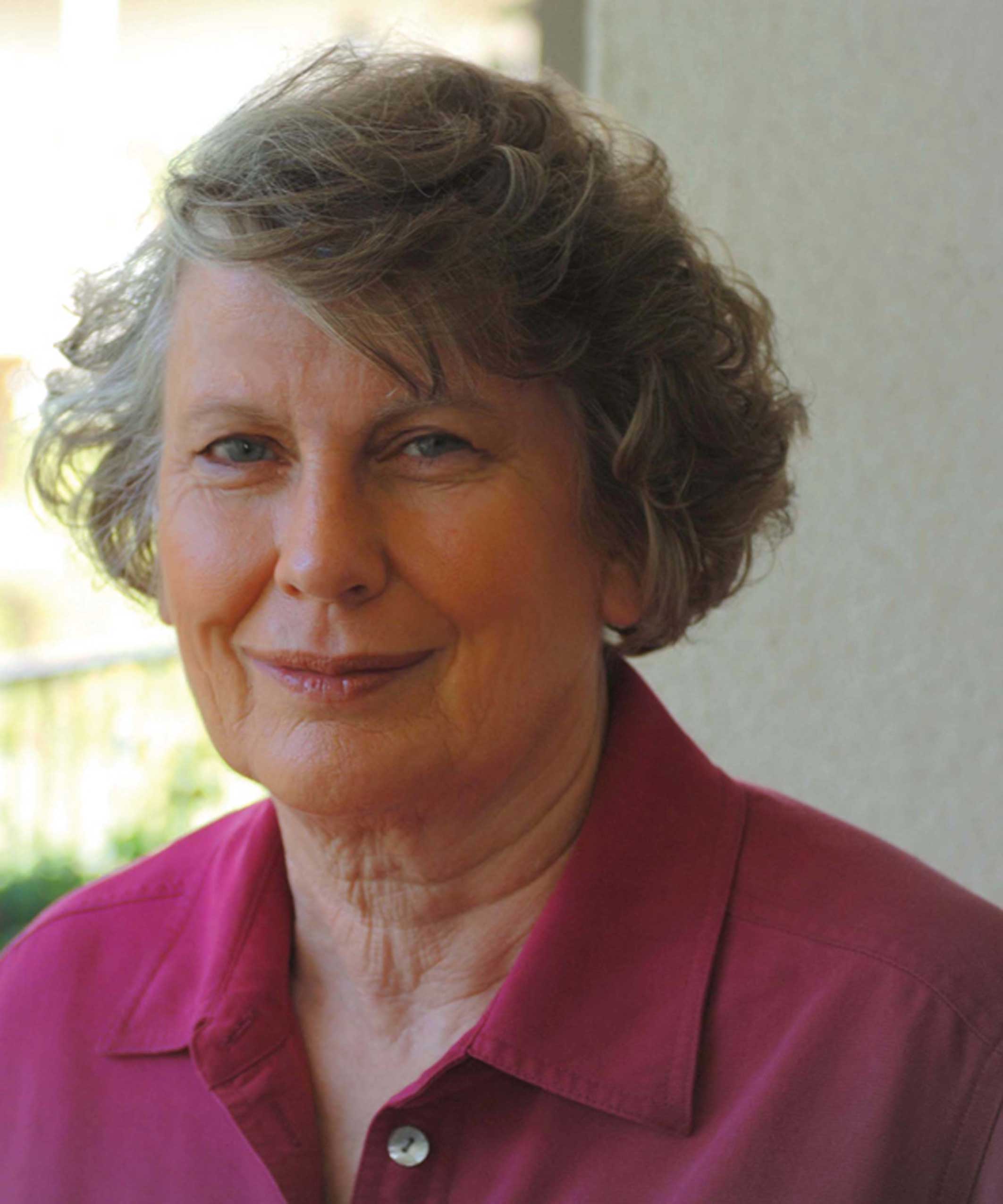
by Books by Rainey (Lorraine Cobcroft)
The adored adopted child of a stoic immigrant couple, corporate lawyer, Natalie (Nata) Dreyer, is beautiful, ambitious, talented and successful. She has achieved all that her father drove her to strive for, and when she marries the rich and charming Karl Albrecht, it appears her dream future is assured. But Nata's adoptive parents are keeping a secret.
An unplanned pregnancy presents challenges for Nata and the narcissistic husband who has been raised to demand perfection in every aspect of life. The premature birth of their son almost destroys them both.
Karl has his own secrets, and now he must confront the fear that his sins led to a tragedy. And then, when he is sure things can get no worse, he is forced to face uncomfortable truths about his own family.
Meanwhile, Nata is uncovering the truth of her past, and doing so releases her from the prison her ambitions created.
Can Karl forgive his own sins, learn to accept imperfection, and come to appreciate the true meaning of love?
"Mortgaged Goods" confronts us with heart-wrenching questions about our capacity to forgive, to love, and to sacrifice.
Mortgaged Goods is a work of Women's fiction, but also a legal drama and family saga.
Set in Melbourne, Australia.
What readers are saying
“Powerful stuff wrapped in beautiful words... Cobcroft explores the intense emotions of self-confidence and the fortitude of the human spirit. ”
— John Staunton, Amazon Kindle Review
“...a story that will grab readers from the very first words and won't let go until the very last... Mortgaged goods is exciting, full of surprises, and just a fantastic read. Any reader who loves an intriguing piece of contemporary women's fiction should absolutely pick up this book. ”
— Tracy Fischer, for Readers' Favourite
More books by Books by Rainey (Lorraine Cobcroft)
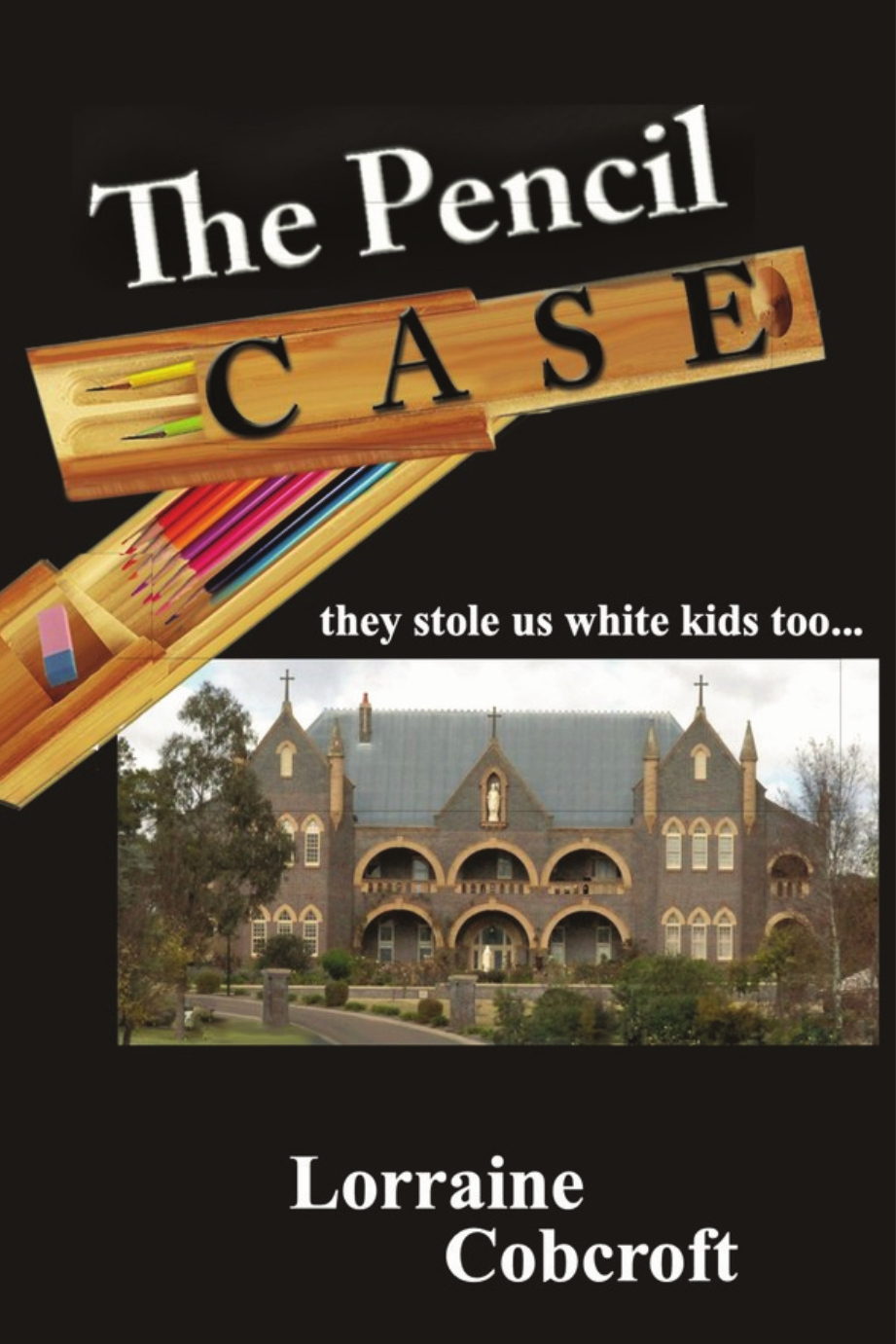
The Pencil Case
"they stole us white kids too..."
The story of the 'Stolen Generation' is now well-known globally, but politics drove the lie that this was solely a race issue.
Approximately 92,000 white Australian-born children, aged between 3 and 15, were stolen from family homes by negligent or misguided welfare officers, often for no valid reason. These children were typically institutionalised, abused, neglected, and denied contact or knowledge of loved ones who, in many cases, attempted to continue contact and even to reclaim their offspring and provide them with a loving family home. Welfare workers removed children in preference to implementing other readily-available and cost-effective remedies such as helping parents access benefits to which they were legally entitled. Boosting the number of children in care ensured funds continued to flow to the Government department that employed these workers and to the institutions that housed them. Many welfare workers received generous gifts from Homes that operated at substantial profit by depriving children of all but the most basic essentials.
At age 15, these children were thrown onto the streets, poorly educated, psychologically damaged, alone, and with minimal or no support.
In addition to the many benefits accessible to Aboriginals solely on the basis of their face, a formal apology has been made to those who were stolen and to their descendants. Stolen whites have received neither formal acknowledgment nor compensation.
"The Pencil Case" is the minimally fictionalised story of one man who was stolen in childhood from a loving family. Although a totally factual biography would be impossible given the effects of trauma on memory and the sensitivities of some of the characters involved, this story was written to expose the ugly truth.
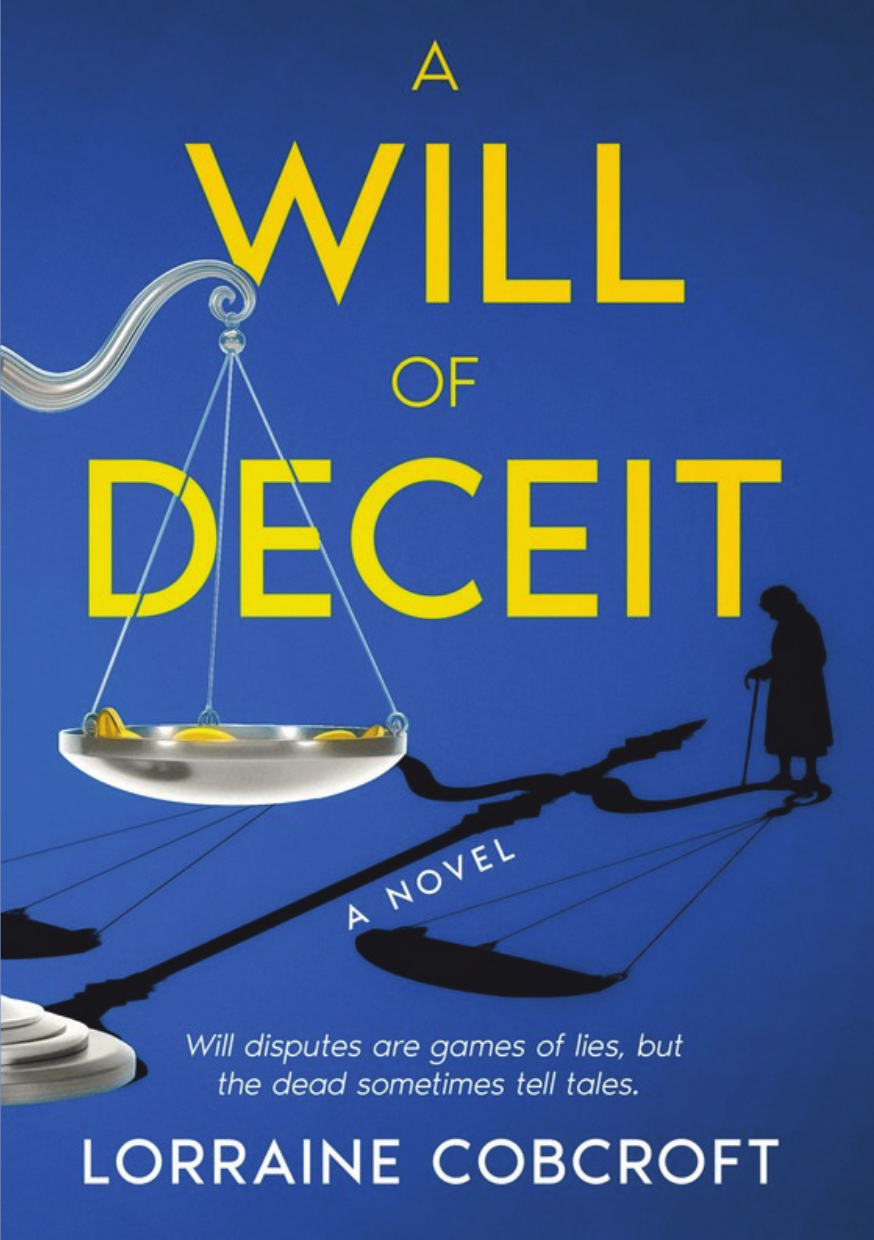
A Will of Deceit
Will disputes are games of lies, but the dead sometimes tell tales.
'A Will of Deceit' is a frame narrative. That is, it's a story within a story. The outer story is of lawyer Brittany McFarlane's challenging dealings with the personality-disordered Joanna Wynne, whom she agrees to represent to challenge Joanna's mother's last will. But there is an intertwined inner story of trauma and injustice that occupies the major portion of the novel.
Although complete fiction, this story was inspired by true events and, in particular, by events that highlighted certain gross injustices and the grave flaws in the Family Provisions Act and its implementation.
At its heart, "A Will of Deceit" is a character study of complex psychologically-disordered individuals, highlighting the manner in which they behave and the impact of that behaviour on their own lives and the lives of others. It also highlights the manner in which such individuals are able to manipulate the legal system, and the flaws in our justice system that invite such manipulation and abuse, resulting in grave injustices.
While not exactly classifying as a 'thriller', the novel has elements of a psychological thriller while classifying as a family and legal drama, with elements of literary fiction.
READER ALERTS:
'A Will of Deceit' is classified as 'mildly explicit'. It contains some adult content. Minimal references to spousal and child abuse and paedophilia and very occasional profanities. Every attempt has been made to minimise and manage adult content and language as tactfully as possible without compromising the story line.
As the story is primarily set in Australia and written by an Australian, English (UK) spelling is used.