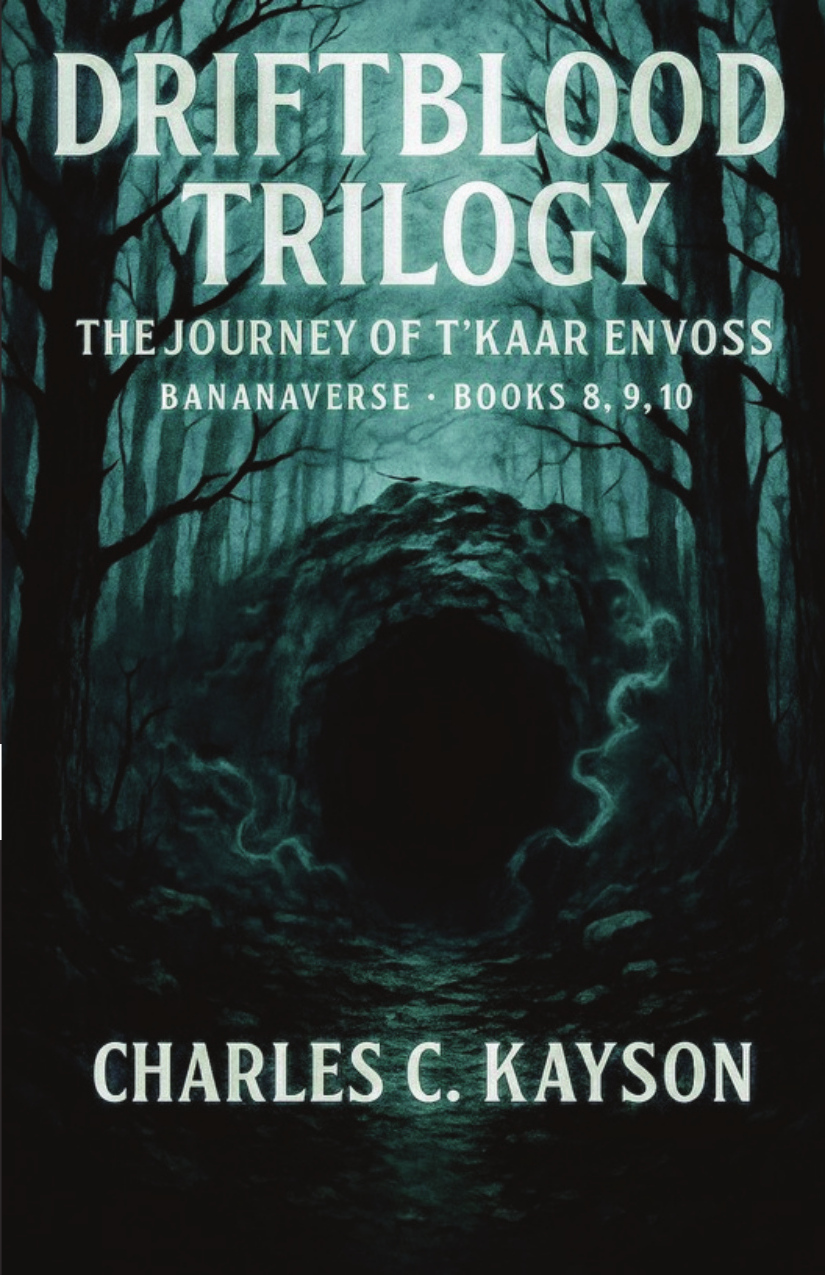
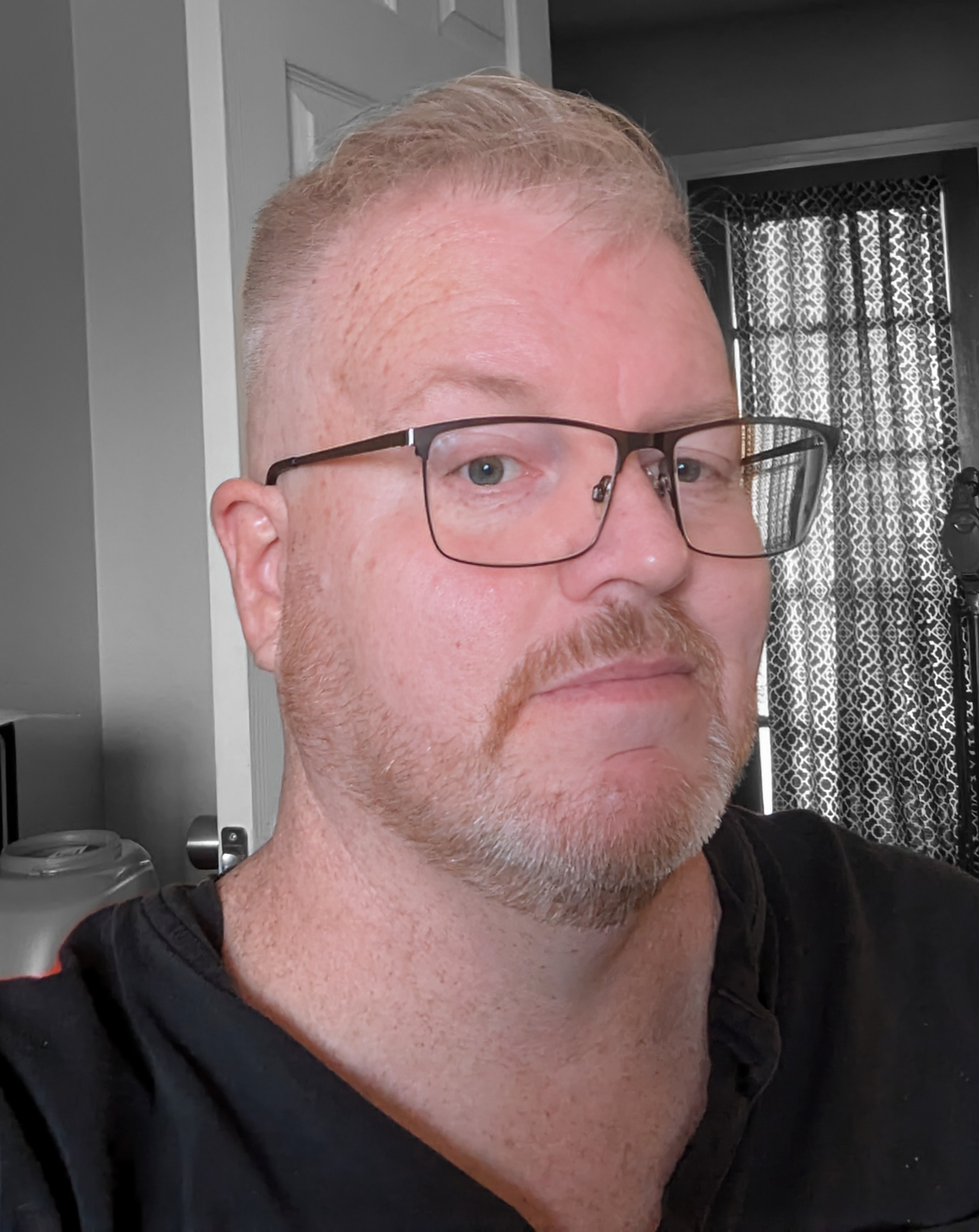
 Charles C. Kayson
Powered by Books.by
Charles C. Kayson
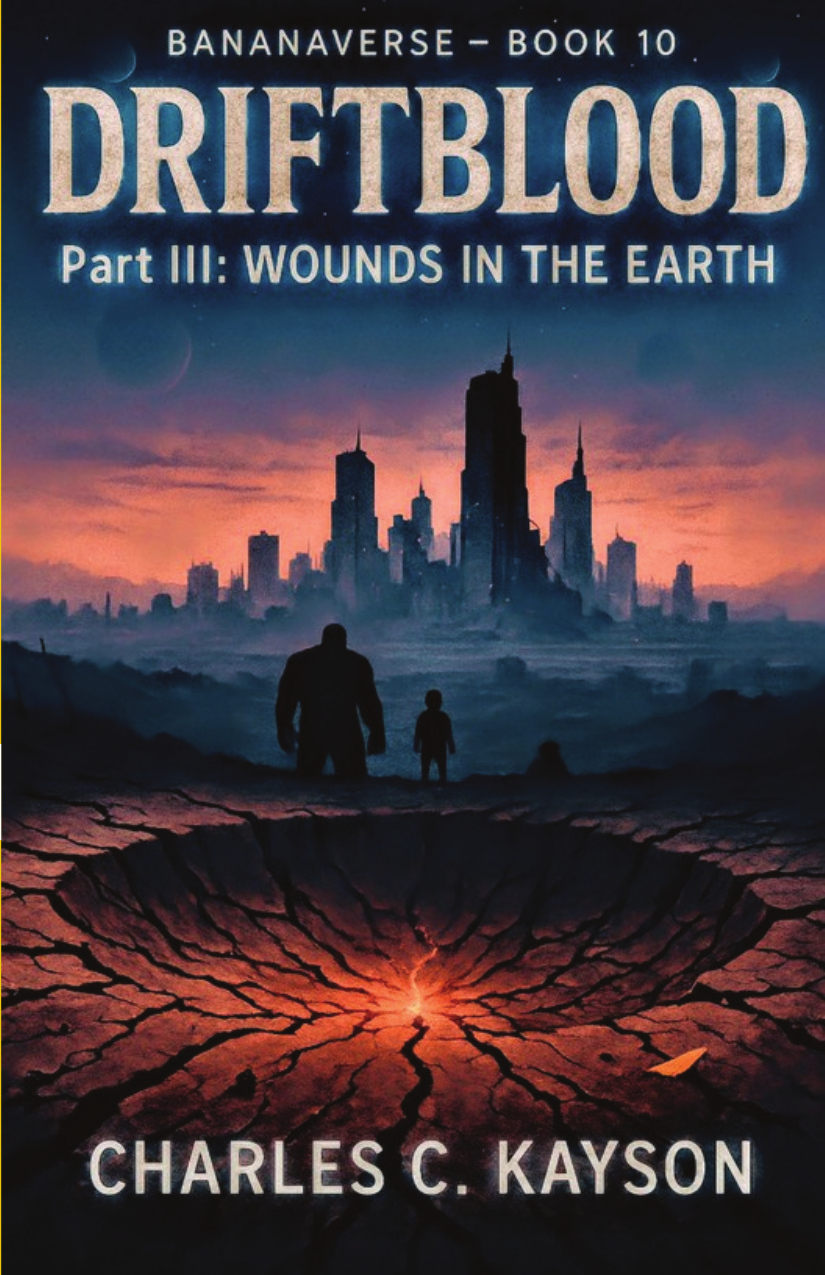
by Charles C. Kayson
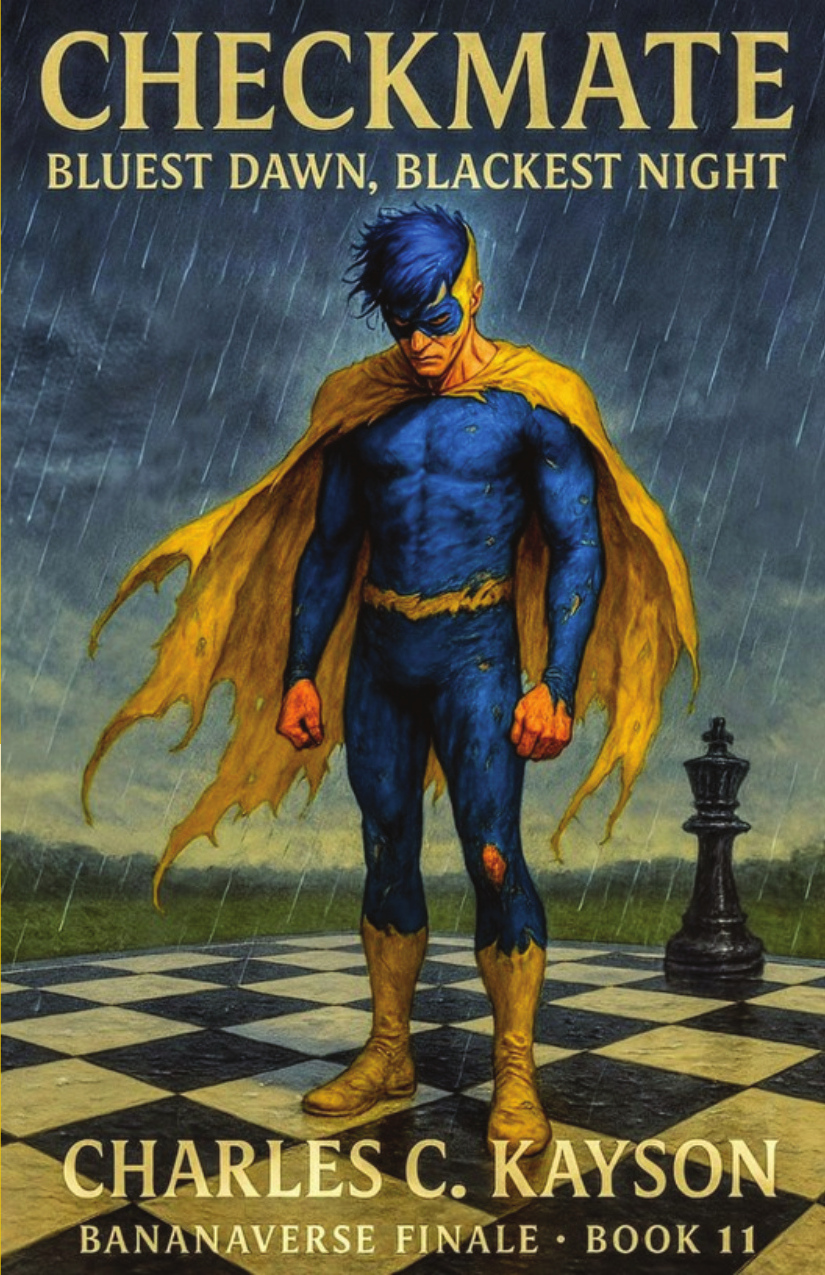
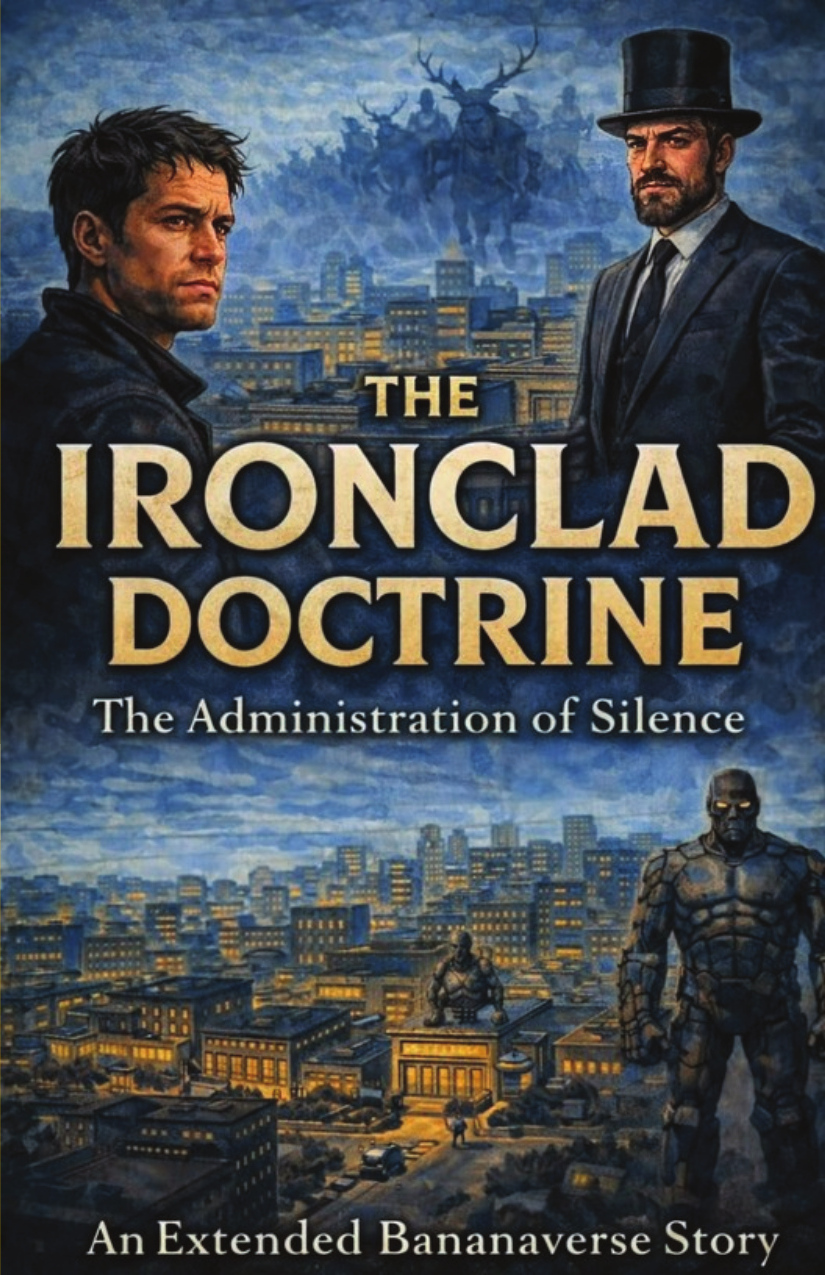
Book 10 - The last fight will leave scars that never fade.
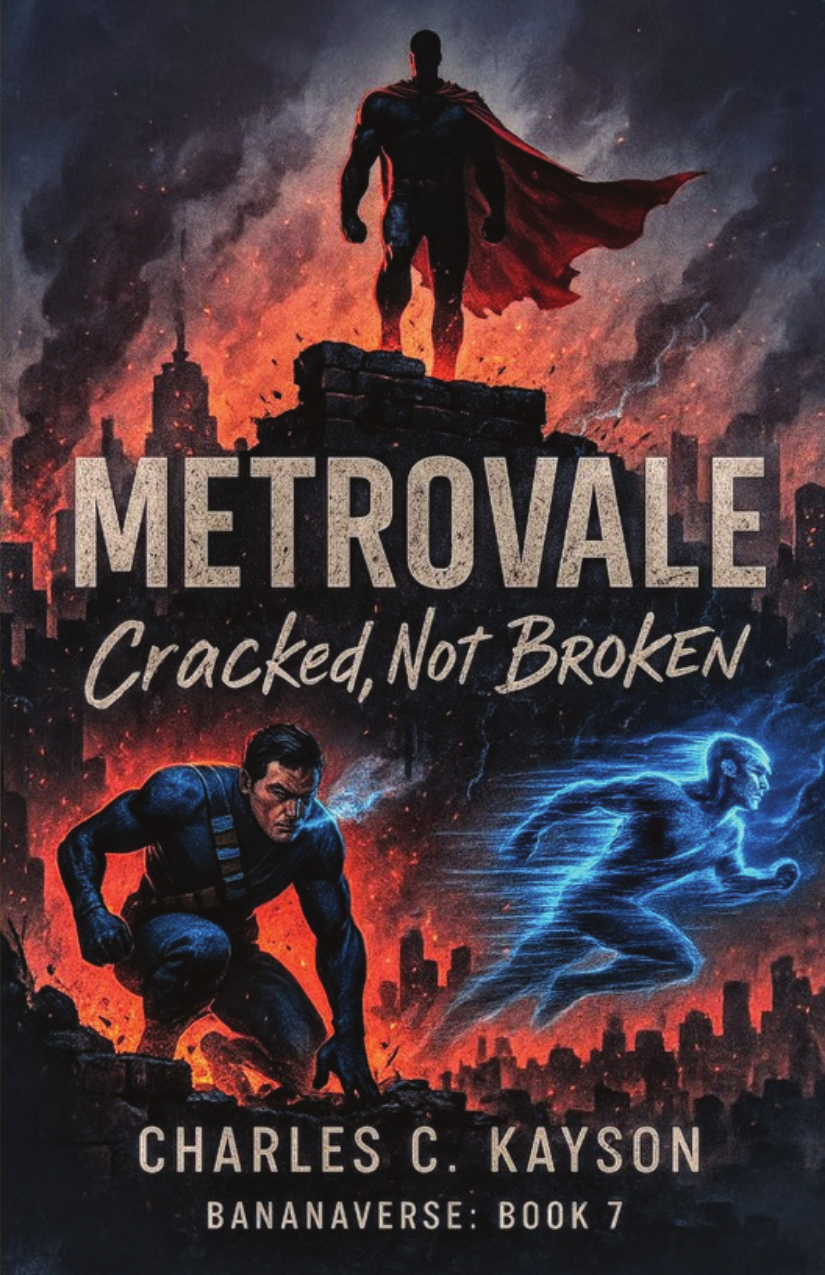
Metrovale is balancing on the edge. Its leaders compromised, its streets restless, its enemies closing in from worlds away. Allies are scattered, trust is thin, and every plan comes with a price in blood.
As betrayals surface and old grudges reignite, the city’s fate will be written in fire, steel, and stone. When the dust settles, only one question will matter: who will still be standing, and what will be left to stand on?
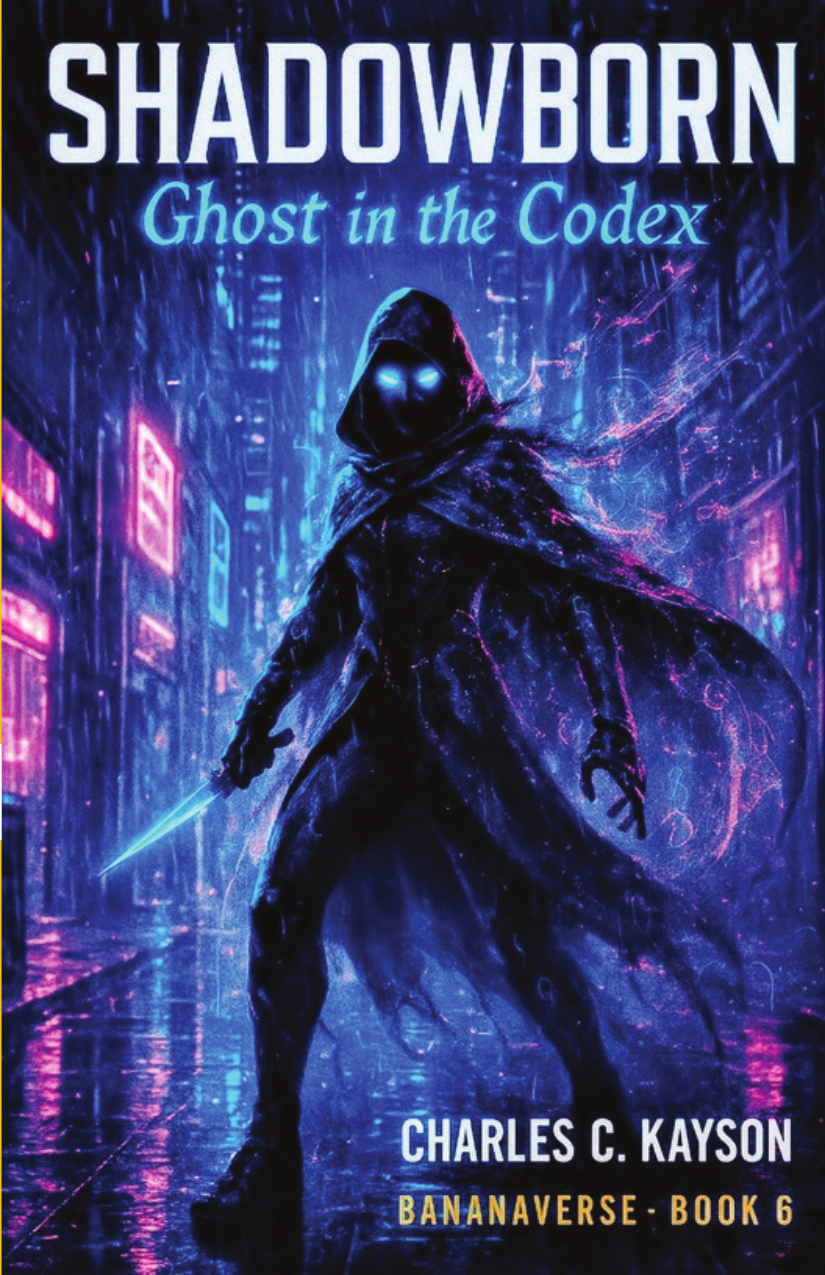
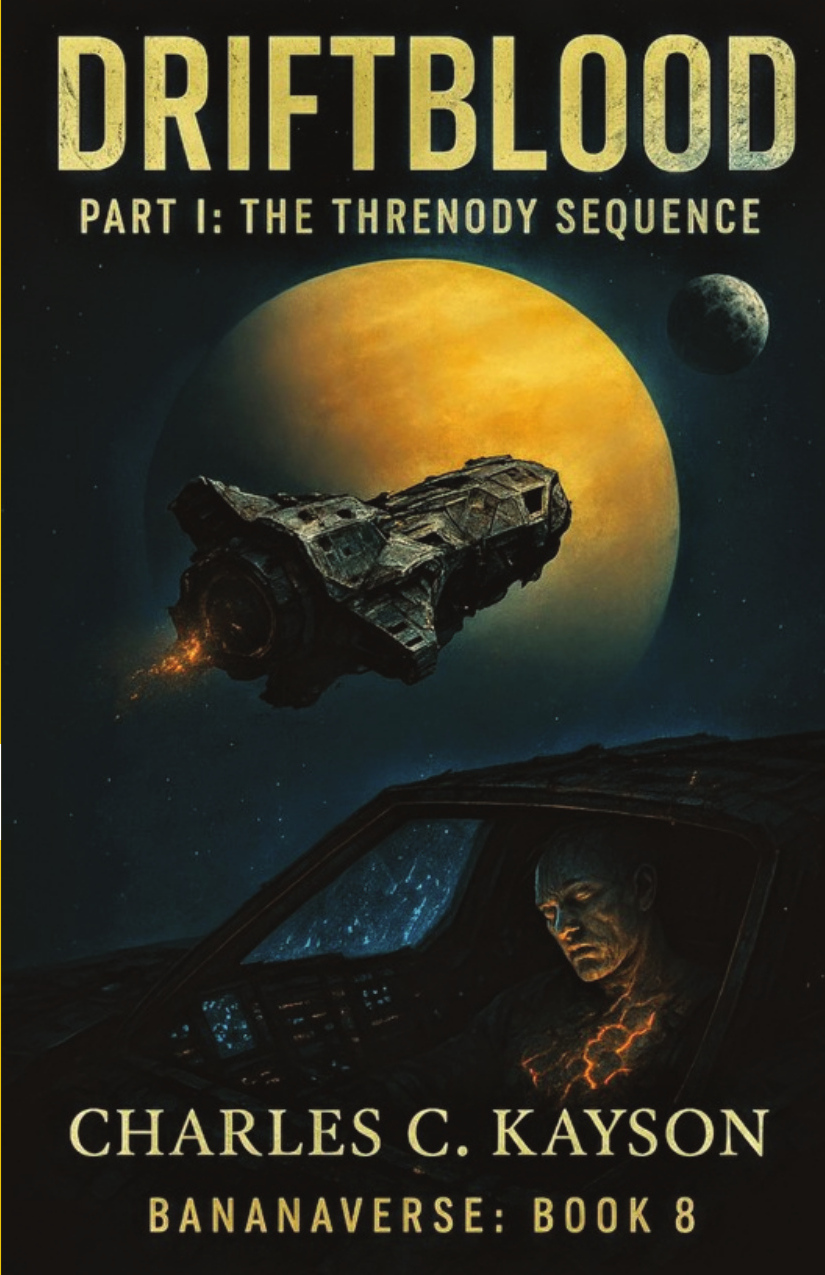
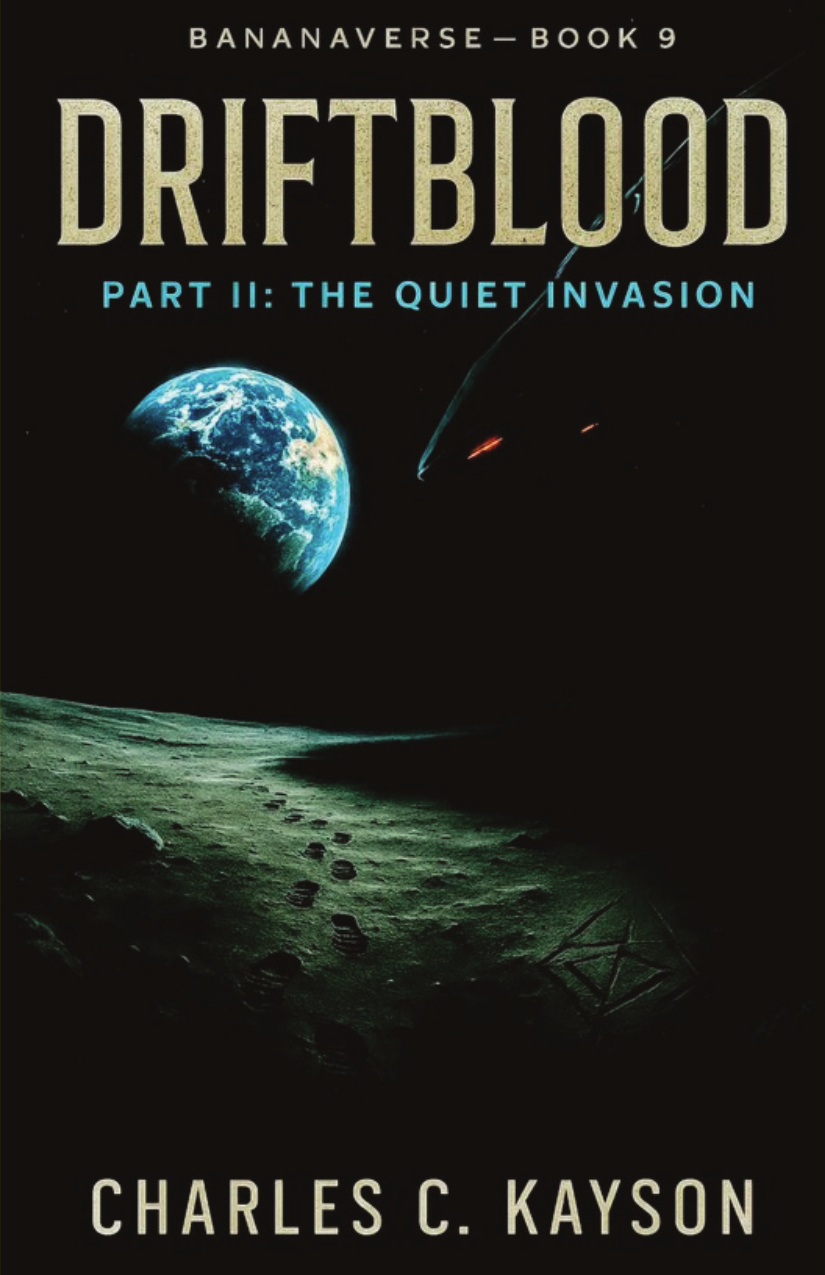
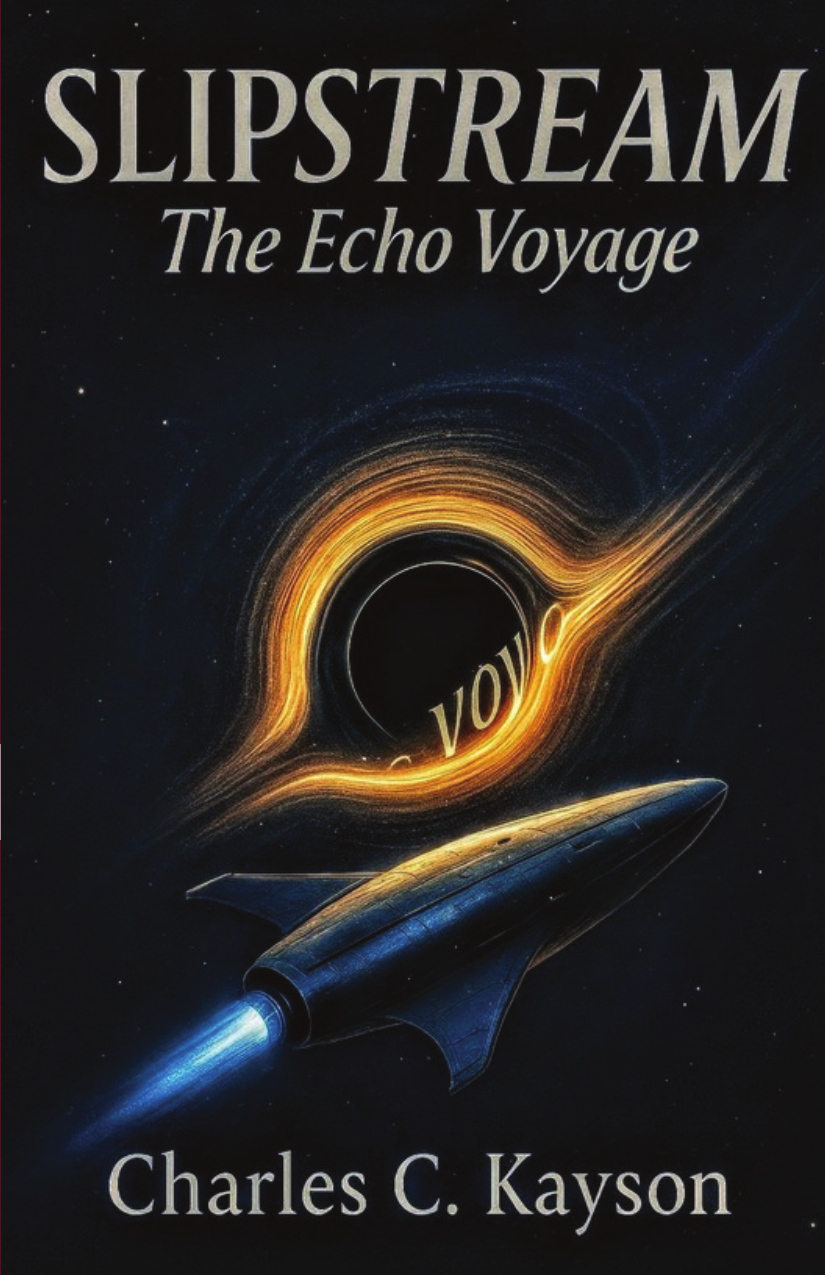
The Bananaverse is a series of short stories born from the strange mental ingenuity of the COVID-19 era. What began as isolation-fueled creativity evolved into a connected universe of ideas. The Papa books emerged first, written in response to a challenge to create a children’s story, playful on the surface yet quietly thoughtful beneath it. The Slipstream books followed as a new series focused on humanity’s exploration of Earth’s cosmic neighborhood and far beyond the Oort Cloud, marked by the discovery that human technology has reached two percent of the speed of light.
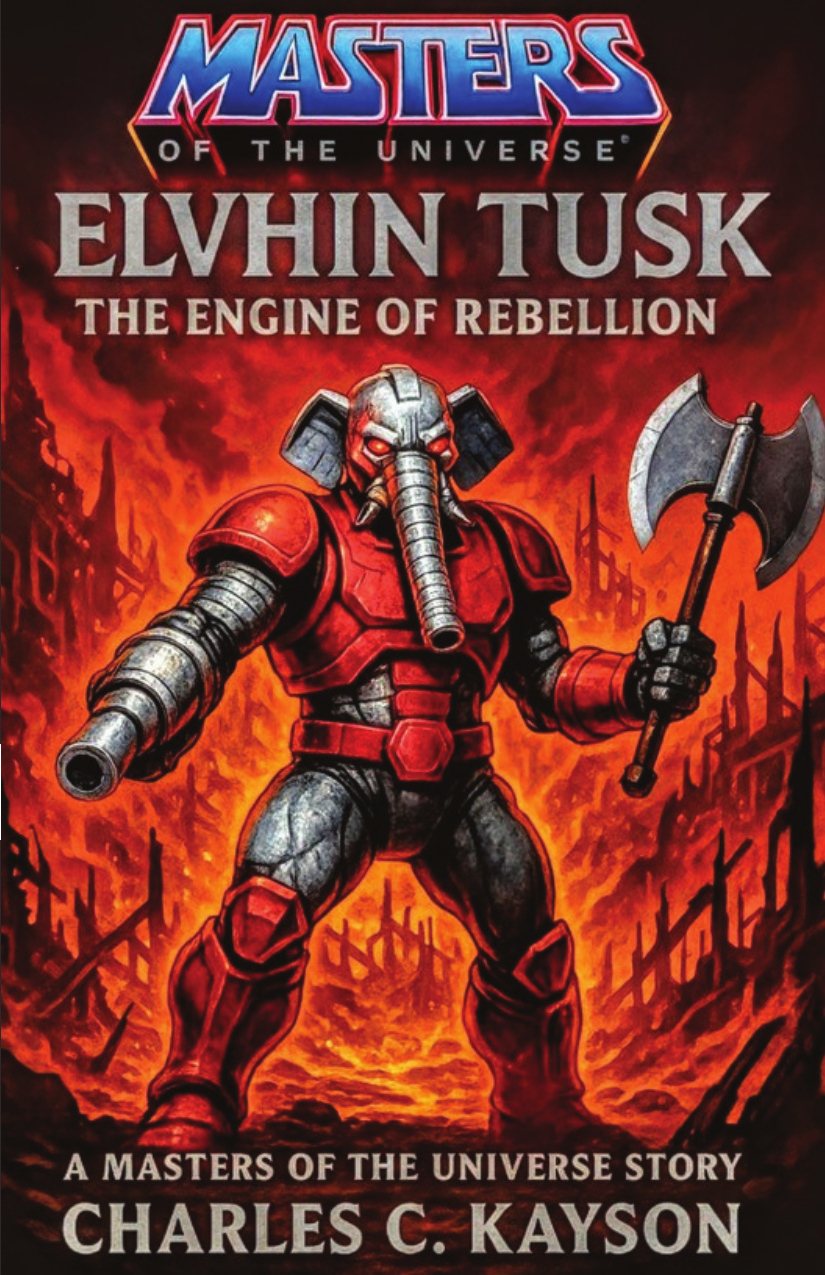
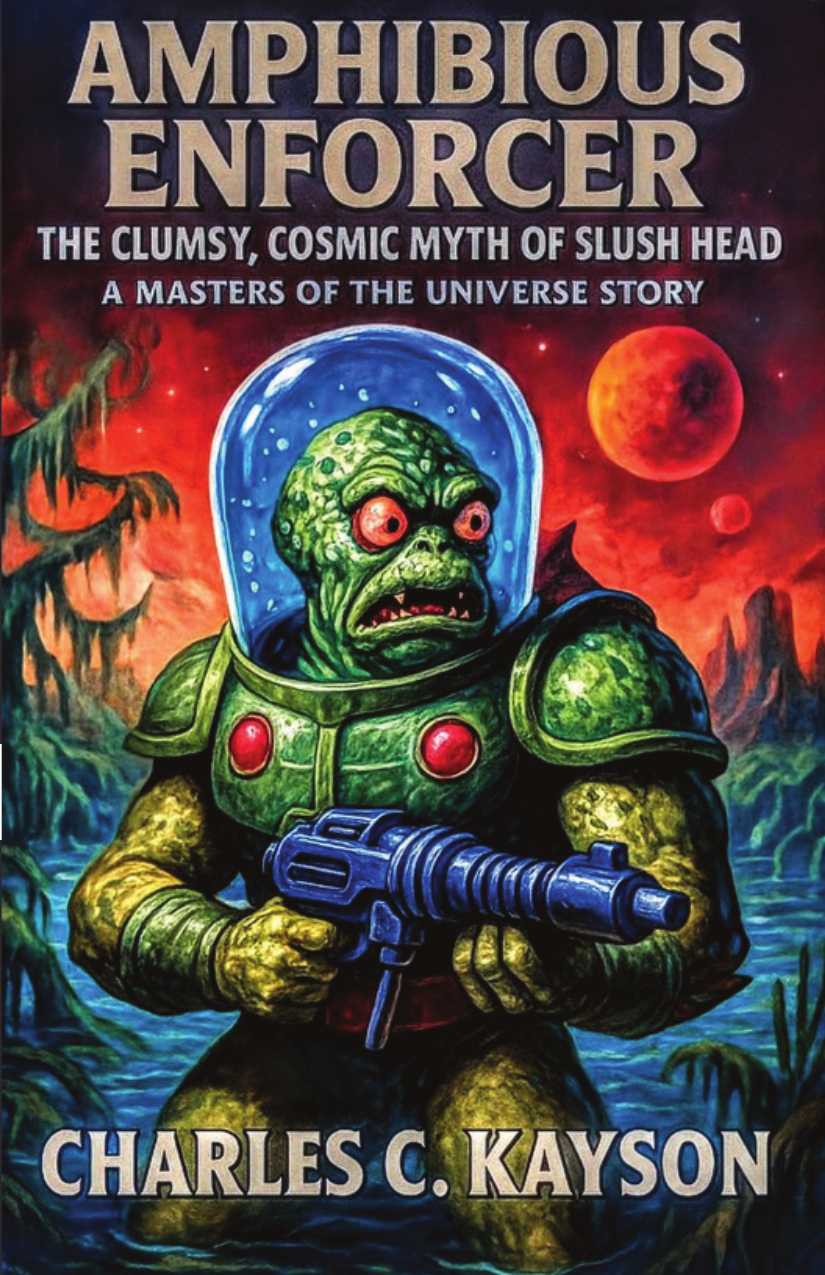
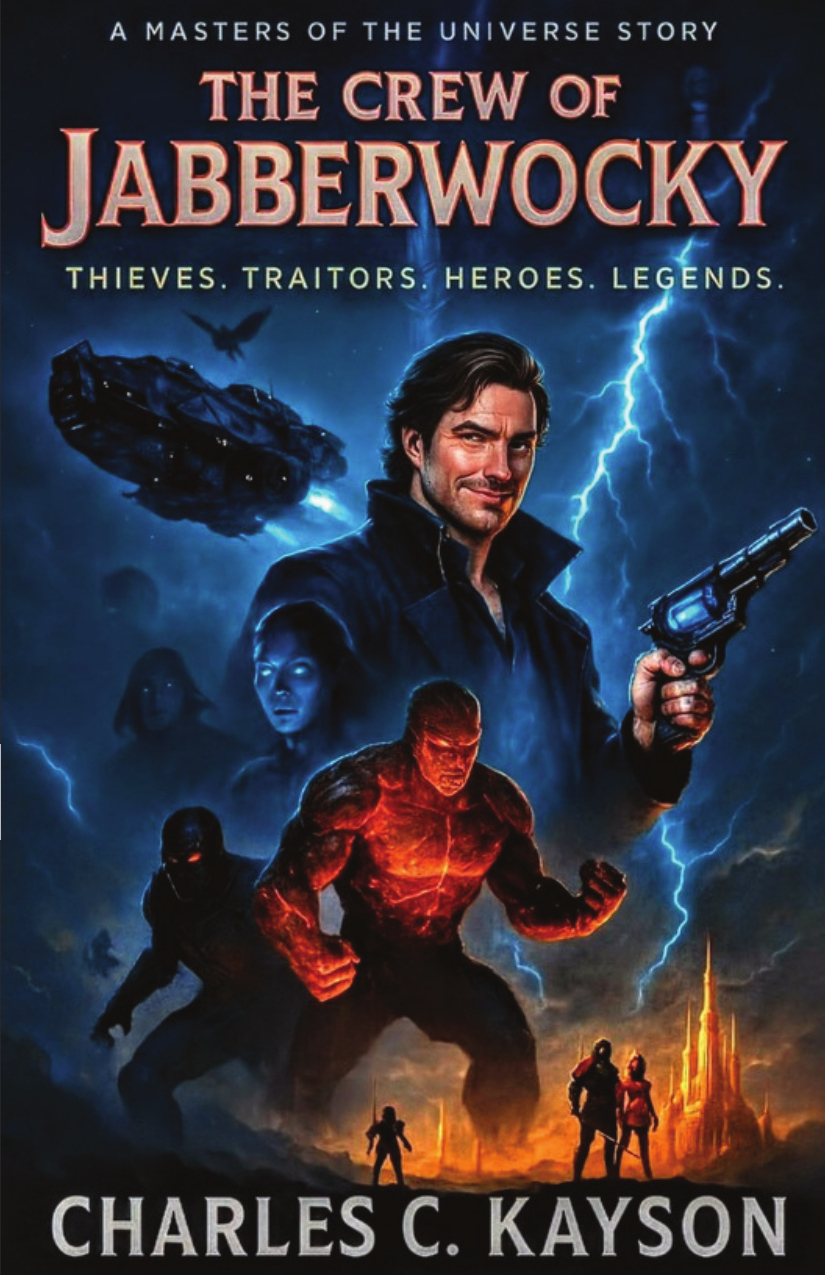
Charles C. Kayson is a new writer best known for creating the Bananaverse, a growing series of interconnected short stories. Raised in Peoria, Arizona, he grew up immersed in superhero mythology, equally captivated by heroes and the villains who challenged them. That balance between idealism and darkness would later shape the moral tension that runs through his fictional worlds. Alongside comics and graphic storytelling, Kayson developed an early fascination with space, the solar system, and the vast mechanics of the universe. Planets, cosmic distances, and the idea of humanity pushing beyond its limits became recurring sources of inspiration. His work often blends grounded human emotion with speculative ideas, treating imagination as both playground and laboratory. Through the Bananaverse, Kayson explores how extraordinary circumstances reveal character, whether those circumstances involve masked figures, fractured cities, or the quiet pull of the cosmos itself.
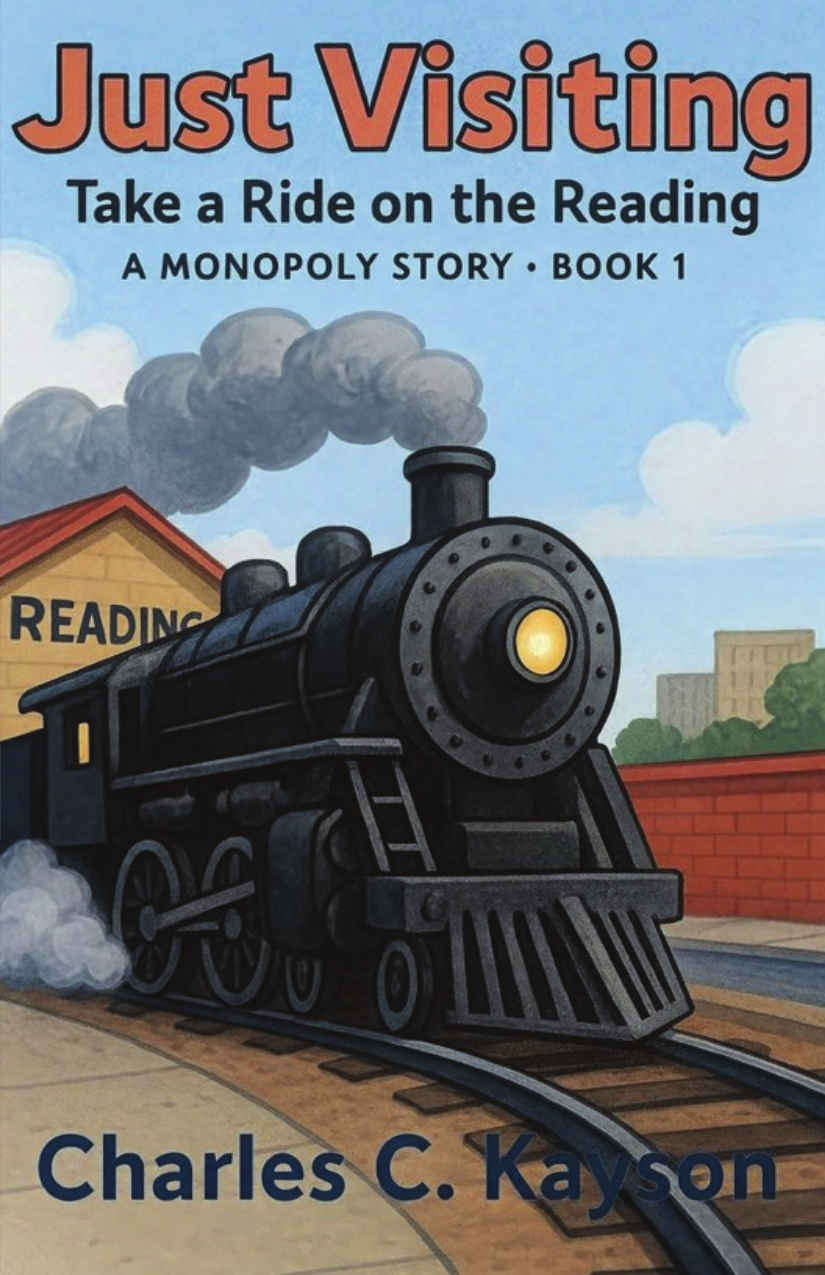
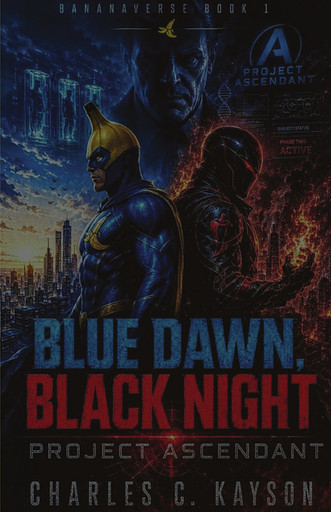
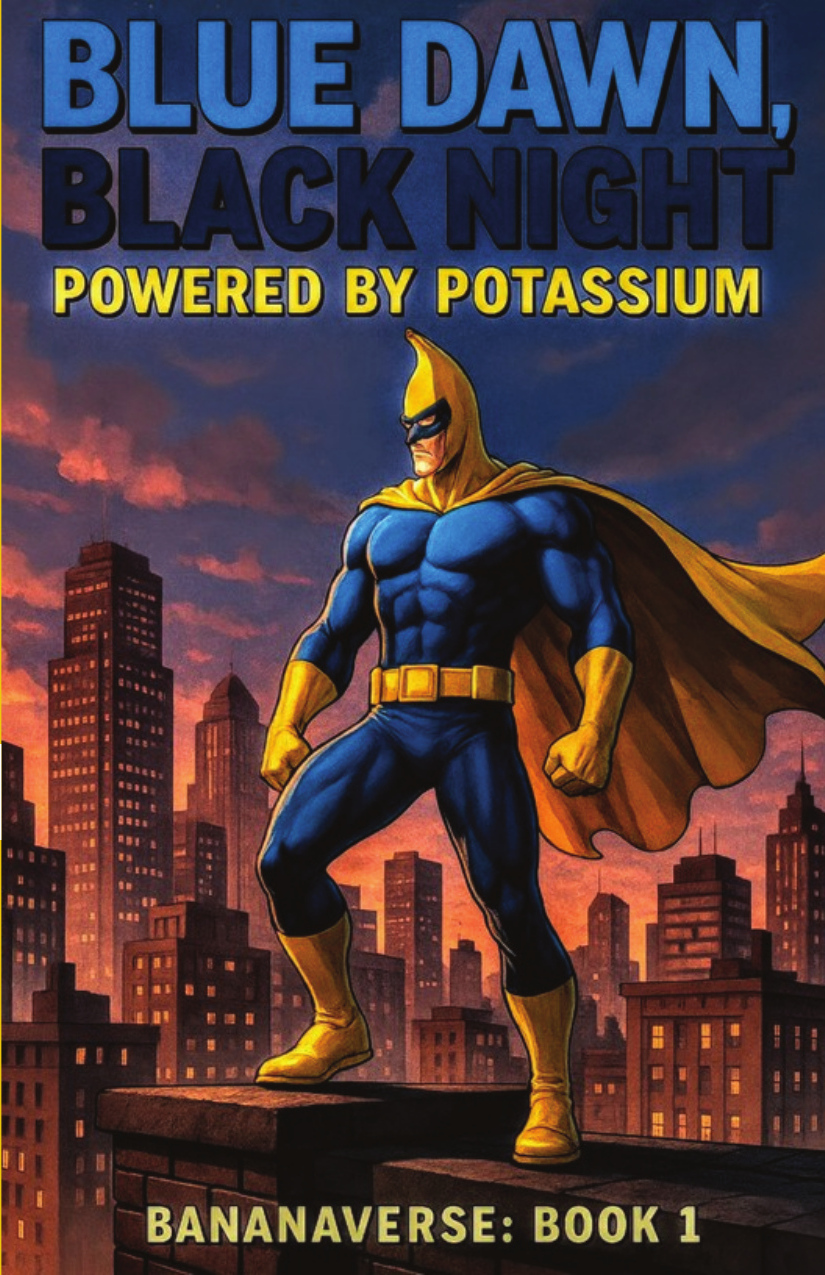
**Blue Dawn, Black Night: Project Ascendant**
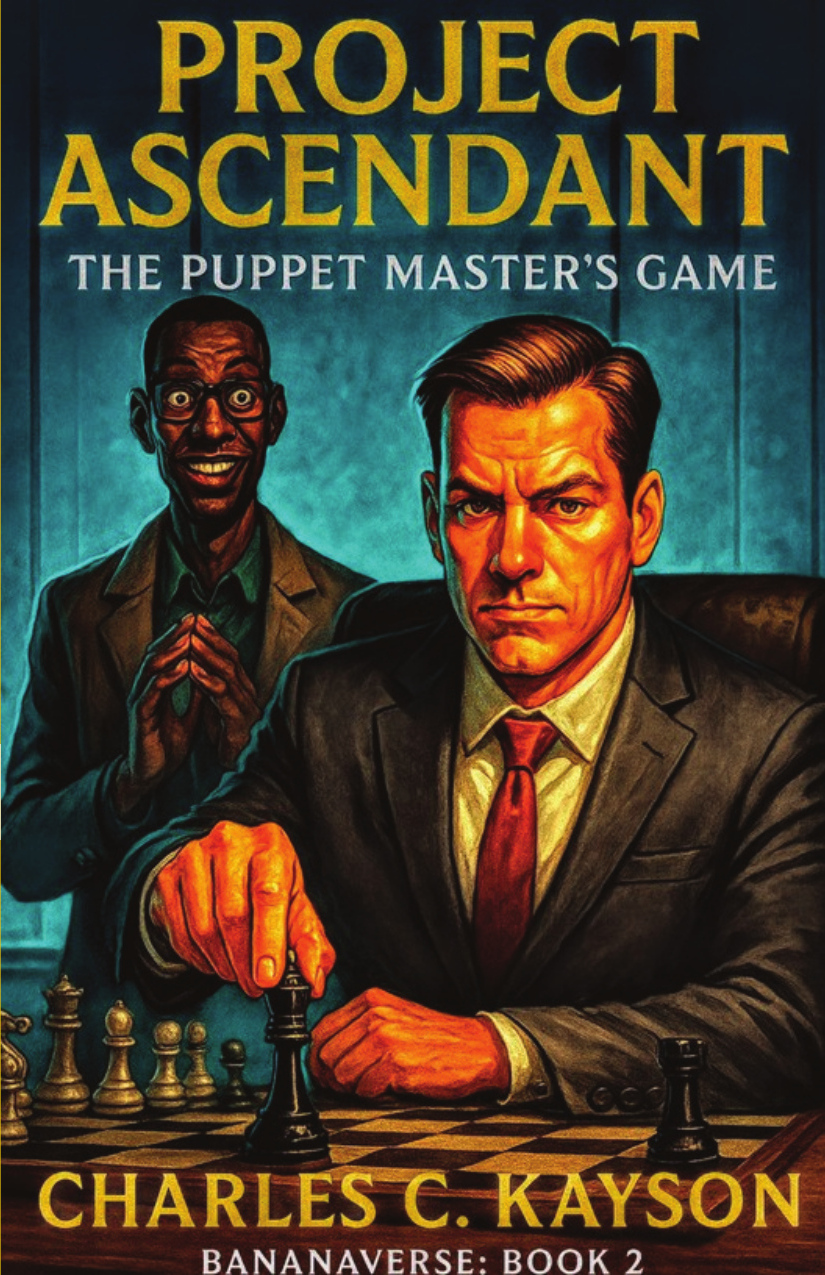
When struggling private detectives Max Greenfield and Alec Chavez uncover a secret experiment buried beneath Metrovale, their lives change forever. Max emerges with impossible powers and becomes Blue Banana, while Alec remains the brilliant mind behind the hero. As new allies rise, bizarre villains attack, and the terrifying Project Ascendant evolves, Mayor Hawthorne quietly manipulates every move from the shadows.
Soon, friendship, loyalty, and heroism are pushed to their breaking point as Alec is offered the one thing he never thought he needed: power.
Metrovale is about to discover that heroes can rise overnight, brothers can become enemies, and some experiments should never survive.
**Welcome to the Bananaverse.**