
Graceful Reflections
by Gary’s Christian Books
More books by Gary’s Christian Books

Unseen Anchors
Embracing Faith as the Unshakable Confidence in the Invisible
"Unseen Anchors" is a deeply reflective and spiritually rich exploration of faith as the invisible but steadfast foundation upon which hope and confidence rest. The narrative unfolds through twelve distinct chapters, each delving into different facets of faith—its biblical roots, its emotional and spiritual impact, and its practical implications in everyday life. The book begins by framing faith as an anchor amidst life's storms, likening it to a lighthouse that stands firm through turbulent seas. It journeys through the biblical narratives that illustrate the power of faith, highlighting stories of steadfast trust despite uncertainty. The author then brings faith into a personal and sensory realm, using evocative language to help readers feel the quiet strength that comes from embracing the unseen. Central to the story is the transformation from doubt and fear into a vibrant, living assurance that can guide decisions, provide comfort, and inspire courage. The book also addresses
common struggles and questions about faith, providing thoughtful reflections and encouragement. Toward the conclusion, readers are invited to actively embrace their own 'unseen anchors,' recognizing faith as the invisible thread that binds hope to fulfillment. The final chapters empower readers to live with unwavering trust in God's promises, turning faith into a sanctuary of peace and confidence. Throughout the book, biblical insights with heartfelt reflections, ending with a
call to action that encourages a renewed and active faith. The outcome is a reader deeply moved and equipped to live with an unshakable confidence in the invisible, anchored in faith as
their guiding light.
True Heart :Living with Honesty and Faith
A Children's Guide to Integrity and Being a Real Christian
'True Heart: Living with Honesty and Faith' unfolds as a heartfelt journey tailored for children navigating the challenges of growing up with Christian values intact. The story opens with
a young protagonist who begins to question what it truly means to be honest and to live with integrity in a confusing world. Through a series of engaging and relatable narratives, the book
introduces various scenarios where honesty and faith are tested —be it at school, with friends, or within the family. Each chapter presents a distinct lesson wrapped in storytelling that
captures the imagination, such as the importance of telling the truth even when it is hard, the courage to stand up for what is right, and the gentle power of forgiveness. The book also demystifies the concept of being a 'real Christian' by illustrating how simple acts of kindness and faith build into a life of authenticity and grace. Alongside these stories, reflective questions and gentle challenges invite children to consider how they can apply these lessons in their own lives. The journey culminates in a celebration of the growth that comes from living with a true heart, inspiring readers to embrace their faith with confidence and joy as they step forward into the seasons of life. Ultimately, the narrative weaves a rich tapestry of values that remain with the child long after the final page, empowering them to nurture their character and faith with care
and conviction.

The Joy That Stays
Understanding Deep Happiness in God Beyond Feelings and Trials
"Joy That Stays" is a heartfelt and accessible exploration of enduring happiness grounded in faith, written specifically for young readers in the 5th to 6th-grade range. The book begins by introducing the concept that true joy is like a steady light, one that remains bright even when life becomes difficult or feelings waver. Through a series of vivid stories, relatable examples, and simple biblical truths, it invites children to see joy not as a fleeting emotion but as a deep river flowing from a
trusting relationship with God. The narrative weaves through various seasons of life—times of happiness, sadness, uncertainty, and trials—showing how joy can bloom and grow in each. For example, stories illustrate how friends can support each other in hard times, how prayer and gratitude bring calmness, and how trusting God can provide hope when things seem dark. The book emphasizes that joy is a steadfast companion, much like a warm blanket or the steady beat of a
drum, always accessible when we lean on faith. As the chapters progress, readers learn practical ways to recognize joy in their everyday lives and nurture it through prayer, kindness, and
hope. The book also gently introduces biblical passages that highlight joy’s spiritual roots and its power to sustain through challenges. It culminates in encouraging children to embrace joy as a never-fading light inside them, inspiring them to share that joy with others. Overall, "Joy That Stays" offers a comforting and inspiring message, helping children develop a
resilient heart and a joyful spirit anchored in God’s love, preparing them to face life's ups and downs with inner peace and hope.
Pathways of Grace
Navigating Sin, Sexuality, and Integrity for a Young Christian
"Pathways of Grace" follows a thoughtfully crafted journey aimed at young Christians standing at the crossroads of adolescence and adulthood. The narrative interweaves personal stories, scriptural insights, and practical reflections to explore themes of sin, sexual identity, temptation, and honesty.
Beginning with an introduction to the nature of grace and the challenges of youth, the book delves into the complex emotions and societal pressures surrounding sexuality, including purity,
temptation, and self-worth. It addresses common struggles with dishonesty and the consequences of choices that may lead to guilt or shame. Each chapter builds upon the last, guiding readers through understanding their intrinsic value as children of God, the importance of integrity, and the power of forgiveness and redemption. The book culminates in empowering young people to make decisions rooted in faith, love, and respect for themselves and others. Through relatable
characters and heartfelt messages, "Pathways of Grace" offers a sanctuary where young believers can confront doubts, embrace grace, and find hope that their journey is not only valid but
blessed.

Anchored in Peace
Experiencing God's Wholeness Amidst Life's Storms
Anchored in Peace explores the profound spiritual truth that genuine peace is not simply the absence of external conflict but a deeply rooted sense of wholeness grounded in God's
presence. The narrative begins by confronting common misconceptions about peace, illustrating how life's storms— whether personal crises, relational challenges, or societal upheavals—often leave individuals feeling overwhelmed and unsettled. The book then invites readers into a transformative
journey of discovering peace as a vibrant sanctuary within the soul, guarded by Christ's grace. Through a series of evocative reflections and spiritual insights, readers learn to cultivate this
inner fortress of serenity amidst chaos. The chapters unfold progressively, starting with understanding the nature of peace, moving through practical and spiritual disciplines such as
prayer, surrender, and trust, and exploring how hope can flourish even in doubt's shadow. The middle sections guide embracing God's peace in everyday life, including
managing anxiety, overcoming fear, and fostering gratitude. Later chapters delve into deeper theological foundations, illuminating how God's character and promises anchor this
peace. The book culminates in empowering readers to live courageously, rooted in this steady embrace, inspiring a life marked by resilience, joy, and true wholeness. Throughout, the
story integrates personal anecdotes, biblical teachings, and reflective exercises, making the experience accessible and deeply personal. Ultimately, 'Anchored in Peace' offers a
transformative pathway to experiencing God's wholeness amid life's storms, equipping readers to stand firm and shine brightly regardless of external turmoil.
The Heart's Quiet Center
Discovering The Deep Peace Jesus Promises Amid Life's Storms
The Heart's Quiet Center opens by introducing the universal human longing for peace amid life's inevitable storms—whether emotional turmoil, external chaos, or spiritual struggle. Drawing from John 14:27, the narrative reveals the promise of a divine peace that differs from worldly calm, rooted instead in the presence and assurance of Christ himself. The early chapters explore the biblical foundations of peace, unpacking its meaning beyond mere absence of conflict to a deep, abiding
calm that anchors the soul. As the story unfolds, the book invites readers into a sensory and spiritual journey, where vivid imagery and heartfelt reflections evoke the gentle presence of God as a soothing balm to anxious hearts. Midway, the text delves into practical ways to cultivate this peace: through prayer, meditation on scripture, surrender of control, and embracing trust in God's timing and sovereignty. It addresses common obstacles such as doubt, fear, and distraction, offering
compassionate insights and spiritual tools to overcome them. The narrative also paints a portrait of the heart bathed in light and warmth, illustrating how divine peace radiates outward into relationships and daily life. In later chapters, the book confronts life's fiercest tempests—grief, loss, uncertainty, and suffering—demonstrating how the peace promised by Jesus acts as a steadfast anchor. Personal stories and scriptural examples highlight transformation and hope even in the darkest moments. The conclusion draws readers into embracing this unshakable center, encouraging ongoing communion with God as the source of lasting peace. Throughout, the book maintains a tone of gentle invitation, inspiring readers to discover and dwell in the heart's quiet center where divine tranquility reigns supreme.
Divine Insights
Embracing God's Eternal Wisdom for Life and Decisions
"Divine Insight" embarks readers on a sacred journey into the heart of God's timeless wisdom, drawn from the profound teachings of both the Old and New Testaments. The narrative begins by unveiling the nature of divine wisdom, contrasting human understanding with God’s eternal perspective. It then explores the foundational scriptures where God's wisdom is most vividly revealed, highlighting key figures such as Solomon and Jesus Christ who exemplified divine insight. The book guides readers through the practical application of this wisdom in everyday life—demonstrating how divine principles can inform choices, resolve dilemmas, and foster inner peace
amidst turmoil. A pivotal section delves into the transformative power of faith when combined with divine wisdom, illustrating how spiritual discernment reshapes character and destiny.
Throughout the chapters, personal stories and biblical parables are interwoven to illuminate lessons and inspire reflection. The climax uncovers the profound connection between divine
insight and eternal purpose, encouraging readers to align their lives with God’s plan. The conclusion offers encouragement for continual growth in wisdom, inviting readers to embrace a lifelong journey of spiritual enlightenment and decision-making guided by God's voice. Ultimately, "Divine Insight" delivers a comprehensive, soul-stirring narrative that equips readers to move beyond mere knowledge into a life richly informed by divine truth and grace.
Peace Beyond Fear
A Child's Guide to Finding Calm Through Prayer and Gratitude
"Peace Beyond Fear" is a gentle and encouraging guide designed to help children understand and experience the peace described in Philippians 4:6-7. The story begins by introducing children to the concept of fear and anxiety as common feelings, comparing them to stormy weather that can cloud their minds and hearts. Through a series of vibrant metaphors and relatable scenarios, the book presents prayer as a loving conversation with God and gratitude as a warm light that brightens even the darkest moments. As the chapters progress, young readers learn how to pray about their worries, thanking God for His care and promises, and discover how these practices create a
peaceful refuge within their hearts. The narrative unfolds like a journey, guiding children to recognize that peace is not just the absence of fear but a deep, supernatural calm that protects and
strengthens them. Key lessons include understanding God's love, the power of thanksgiving, and practical steps for calming anxious thoughts. The book concludes with an empowering message that peace is always available through faith and that children can carry this peace with them every day, even amid life's challenges. Throughout, the text is filled with comforting imagery, simple prayers, and gentle encouragement, turning ancient biblical wisdom into a living, breathing source of calm for young minds and hearts.
Divine Revelation
Unveiling God's Truth and Transforming Love Through the Bible
"Divine Revelation" begins by inviting readers into the sacred world of the Bible, presenting it as a living, breathing tapestry that reveals God's eternal plan for humanity. The initial chapters explore the nature of divine revelation itself — how God has communicated through prophets, apostles, and
ultimately through His Son, Jesus Christ. The narrative then delves into the central themes of faith, redemption, and promise, illustrating these through vivid biblical stories and teachings. As the journey progresses, readers encounter moments of doubt and struggle common to many believers,
with the book offering encouragement by highlighting God's unwavering faithfulness. Key turning points include an exploration of the transformative power of grace and the role of the Holy Spirit in renewing hearts. The middle chapters focus on applying biblical truths to contemporary life, emphasizing trust, obedience, and the embrace of change as pathways to spiritual maturity. The book's climax paints a compelling vision of living a purpose-driven life, empowered by divine love and truth. The final chapters culminate in a call to action, inspiring readers to become beacons of light and grace in their communities. Throughout the book, it weaves personal reflection
prompts and practical applications, ensuring each reader can internalize and experience the transformative impact firsthand. The story closes with a powerful reminder of God's enduring
presence and the eternal hope found in His Word, leaving readers equipped and motivated to embark on their own journey of faith and transformation.
Faith and First Nations
Christianity 's Journey with the American Indians
Faith and First Nations: Christianity's Journey with American Indians is a comprehensive historical exploration that traces the evolving encounters between Christian missionaries and
American Indian communities from the early contact period through the 20th century. Beginning with the first European arrivals, the narrative reveals how indigenous peoples met
Christianity in various ways—sometimes with curiosity and openness, other times with resistance and resilience. The story unfolds across regions and centuries, highlighting key moments such as missionary efforts, the establishment of missions and schools, and the imposition of Christian practices alongside indigenous traditions. The book explores the tensions between
cultural preservation and assimilation, the complex role of Christian institutions in education and social change, and the ways Native leaders navigated their faith and heritage.
Interwoven with rich quotations and firsthand accounts, the narrative conveys the lived experiences of both American Indians and missionaries, ensuring that voices from both sides
are heard. The journey culminates in reflections on contemporary Native spirituality and the lasting legacies of Christianity, emphasizing themes of identity, survival, and dialogue. Through this nuanced and empathetic lens, the book invites readers to see history as a dynamic conversation that continues to shape communities today.
Voices of the Messiah
Unveiling the Lives of the Four Evangelists
The spark that ignited this adventure came from asking the big questions, those ones that keep us up at night, itching to find answers. We’ve sifted through mountains of information, crossed
paths with experts and enthusiasts, and woven together stories that connect dots you never thought possible. Every page is packed with insights that are as entertaining as they are enlightening. You might be wondering how all of this came to be. In truth, it wasn’t a straight path. There were detours, moments of doubt, and exhilarating breakthroughs. It’s this rollercoaster of discovery that shaped the heart and soul of this book. Each chapter is a testament to the thrill of learning something new and the joy of sharing it with you. Why stick around to the end? Because every section builds on the last, opening doors to fresh perspectives and surprising truths. Skipping ahead might mean missing out on those 'aha!' moments that make you stop and say, 'Wow, I never saw it that way before!'
Born Again: The Path to Eternal LIfe
A Comprehensive Study of Spiritual Rebirth
'Born Again: The Path to Eternal Life' unfolds as a comprehensive and intimate study of the spiritual rebirth commanded by Jesus in the Book of Matthew, specifically exploring the pivotal moment when Jesus tells the rich man, "Ye must be born again." The narrative begins by setting a
contemplative tone, introducing readers to the historical and theological backdrop of Matthew's gospel and the significance of the King James Bible's language. The book meticulously
unpacks the nuances of spiritual rebirth, contrasting physical birth with the profound inner transformation that Jesus invites believers to embrace. It journeys through the various
dimensions of this rebirth—touching on repentance, the role of faith, the workings of the Holy Spirit, and the renewal of the heart and mind. Through vivid imagery and reverent tone, each
chapter builds upon the last, gradually revealing the layers of meaning behind being "born again." The exploration includes how this new birth is essential for entering the kingdom of heaven, how it relates to eternal life, and what it means practically for a believer's daily walk. The book also addresses common misconceptions and challenges along the path of spiritual awakening, offering encouragement and scriptural reassurance. In its culmination, 'Born Again' portrays the new
birth as a dawning light that dispels spiritual darkness and breathes life into weary souls, transforming not only the individual but also their relationship with God and others. The
outcome is a call to action—a heartfelt invitation to readers to embrace this rebirth fully and to live eternally transformed lives anchored in the truth of the King James Bible.

Anchored in Peace
Finding Lasting Serenity Through Faith and Reconciliation with God
Anchored in Peace invites readers on an intimate spiritual journey toward lasting serenity through faith and reconciliation with God. Beginning with a reflection on the chaos and unrest in contemporary life, the book then introduces the biblical foundation of perfect peace, anchored in Isaiah 26:3 and Romans 5:1. It explores how focusing the heart on God can dispel anxiety and foster an unshakable calm. The narrative unfolds through twelve carefully crafted chapters, each
exploring different facets of faith, peace, and reconciliation. Readers are led to understand the nature of divine peace, recognize barriers such as fear and unforgiveness, and learn
practical steps to deepen their relationship with God. The book emphasizes the transformative power of grace, urging readers to reconcile with God through repentance and trust. Along the
way, personal reflections and scriptural insights create a melodic harmony that reassures and restores. The climax reveals the profound freedom and hope found in embracing God's peace, culminating in an invitation to live anchored in this serenity daily. Ultimately, the book concludes with encouragement to share this peace with others, becoming beacons of light in a broken world. Through its rich narrative and spiritual guidance, Anchored in Peace becomes a sanctuary for the soul, offering a living reality of calm amid life's storms.

Waiting on Grace
Embracing God's Perfect Timing Over Our Impatience and Pride
"Waiting on Grace" delves deep into the spiritual and emotional dimensions of waiting through the lens of Christian faith, anchoring its insights in 2 Peter 3:9, which reveals God's patient heart. The narrative unfolds by first acknowledging the ubiquitous human struggle with impatience and the cultural push for instant results, juxtaposing this against the biblical call to trust in God's timeline. The book traces how impatience often stems from pride and a desire for control, which obstructs
spiritual maturity. Through a series of reflections, biblical expositions, and evocative imagery, it reveals waiting as an active form of grace — a divine invitation to surrender and grow. Themes of surrender, humility, and divine timing are woven throughout, supported by stories, analogies, and
meditations that paint waiting not as weakness but as purposeful strength. The middle section explores the transformative power of waiting, illustrating how it shapes character, deepens faith, and fosters spiritual intimacy. It also addresses common obstacles to embracing waiting, including
doubt, despair, and distraction. The latter chapters provide practical guidance on cultivating patience, developing spiritual disciplines, and embracing the stillness necessary for growth.
The conclusion offers a hopeful vision where the reader sees waiting as a sacred rhythm that aligns their life with God's loving purposes, culminating in a powerful spiritual renewal. Through this journey, the book challenges readers to reframe waiting from frustration to grace, ultimately leading to peace, resilience, and a fuller embrace of God's perfect timing.
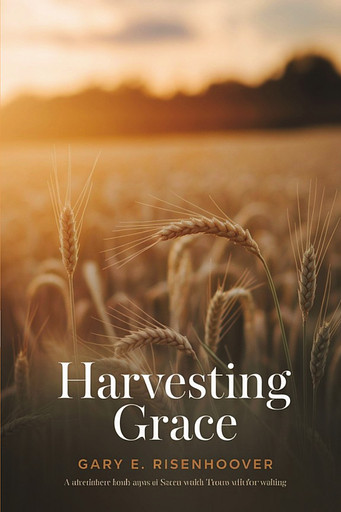
Harvesting Grace
Embracing Patience and Growth in God's Timing
"Harvesting Grace" opens with an evocative depiction of a quiet field, setting the tone for a contemplative journey into patience and divine timing. The narrative draws readers into the
agricultural cycle as a metaphor for spiritual growth, emphasizing that just as crops require time to mature unseen beneath the soil, so does our character and faith develop gradually through trials and waiting. The book unfolds in twelve chapters, each exploring facets of this theme: from
understanding the biblical foundation in James 5:7-8, to exploring personal stories of endurance, to practical reflections on cultivating hope and peace amid life's uncertainties. The text weaves together biblical exegesis, poetic imagery, and soulful reflection, highlighting how waiting is not passive but an active, faith-filled engagement with God's unfolding plan. Twists in the narrative include confronting modern cultural impatience and the temptation to force progress, contrasted with testimonies of those who found profound transformation through surrendering to God's timing. As the chapters progress, readers journey through the stages of planting, nurturing, waiting, and finally, harvesting grace in their lives. The climax reveals the joyful realization that the wait itself holds meaning and that growth happens in God's perfect season. The conclusion offers encouragement to embrace life's rhythms with courage and trust, inspiring readers to slow down and witness faith blossoming in its own time. Throughout, the book nurtures a deep sense of peace and renewed hope, leaving readers empowered to harvest their own grace through enduring
patience.

Enduring Grace
Embracing Patience as a Spiritual Fruit to Navigate Life's Trials
'Enduring Grace' unfolds as a profound journey into the spiritual dimension of patience, portraying it as a divine fruit that sustains and strengthens the soul through life's inevitable hardships. The narrative begins by exploring the nature of patience, distinguishing it from mere endurance or passive submission. It emphasizes patience as an active, hopeful trust in God’s perfect timing. The book then delves into various life trials — personal loss, unexpected delays, relational struggles,
and moments of uncertainty — illustrating through evocative reflections how patience acts as a steady compass. Interwoven throughout are biblical teachings, inspirational stories, and
meditative exercises that guide readers in cultivating this virtue. The middle sections deepen the exploration by tackling common challenges to patience, such as frustration, doubt, and fear, and offering spiritual tools to overcome them. Notably, the book presents patience as a gateway to grace, in which surrender transforms into strength and waiting becomes a sacred practice.
Toward the conclusion, 'Enduring Grace' invites readers to view patience as a serene sanctuary amid chaos, a rhythm that harmonizes the soul with divine will. The final chapters celebrate the fruits of this journey — spiritual resilience, peace, and a renewed capacity to trust. The book closes with an encouraging call to make patience a lifelong companion, enabling readers to face future storms with unwavering grace, thus completing a full arc from struggle to spiritual flourishing.
Gentle Hands
Living Out Christ's Compassion Through Everyday Kindness
'Gentle Hands' opens by painting a vivid picture of a world often overshadowed by indifference, haste, and isolation. It lays the foundation by defining kindness as a core expression of
Christ's character emphasizes its power to transform both giver and receiver. The book then journeys through twelve chapters, each focusing on different facets of compassion in
everyday life. Early chapters explore the spiritual roots of kindness, showing how God's gentle care in scripture inspires believers to mirror that love. Moving forward, readers encounter intimate stories that highlight the impact of small acts: a warm smile softening a stranger's day, a helping hand
lifting burdens, and a listening ear providing solace. These narratives demonstrate how kindness can open hearts and deepen faith. Midway, the book delves into practical applications — how to recognize opportunities for compassion, overcome barriers like fear or busyness, and cultivate a lifestyle of grace. It discusses the ripple effects of kindness, illustrating how individual acts can break down social and spiritual walls, build community, and spread hope. The latter chapters
emphasize intentionality and renewal, encouraging readers to develop habits of kindness and view their daily interactions as sacred opportunities. The book concludes with a powerful call
to action, urging believers to live with gentle hands that reflect God's enduring care, thus embodying the gospel through tangible love. Throughout 'Gentle Hands' weaves reflective
questions, scriptural insights, and practical tips, empowering readers to live out Christ’s compassion in an authentic and impactful way. The final outcome is a transformed perspective that sees kindness not as optional but as essential to Christian discipleship, inspiring lives that touch others deeply and glorify God.
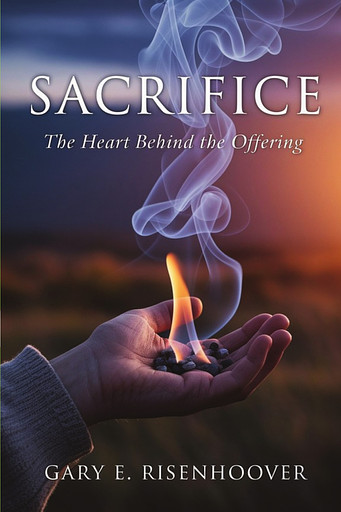
Sacrifice : The Heart Behind the Offering
Understanding When Sacrifice Honors God and When it Mocks His Love
Sacrifice: The Heart Behind the Offering invites readers on a transformative journey that transcends traditional notions of giving. The book begins by illuminating the spiritual significance of sacrifice, emphasizing that it is a language of the soul rather than a mere physical act. Through vivid stories
and biblical reflections, it explores how genuine sacrifice embodies obedience and love, while hollow offerings reveal emptiness and disdain. The narrative anchors itself in the profound wisdom of Samuel's declaration that 'to obey is better than sacrifice,' unpacking its implications for contemporary faith. Each chapter progressively uncovers layers of understanding—beginning with historical contexts of sacrifice, moving through personal and collective motivations, and
culminating in practical guidance for cultivating sacrifices that truly honor God. The book contrasts examples of sacrifices that pleased God with those that were abominable, revealing the
heart attitudes behind each. It also addresses the dangers of empty rituals and challenges readers to examine their own offerings, encouraging transparency and repentance. Through
reflective exercises and poignant storytelling, readers are stirred to cultivate a sacred obedience that transcends transactional religion and nurtures authentic love. The outcome is a renewed perspective that elevates sacrifice from a mere duty to a heartfelt offering, fostering intimacy with God and enriching communal worship.
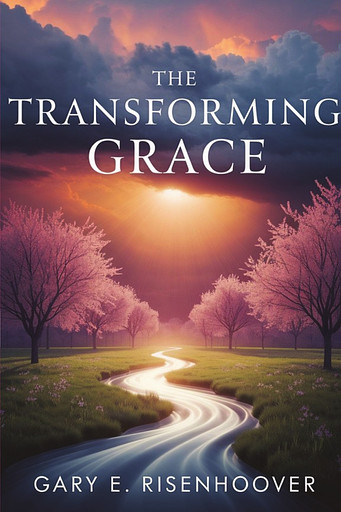
The Transforming Grace
How God's Kindness Ignites a Journey to Repentance and Renewal
The Transforming Grace explores the transformative power of God's kindness as revealed in Romans 2:4, inviting readers to discover how genuine kindness acts as a catalyst for repentance
and renewal. The book opens by contrasting the harshness of judgment with the warmth of divine kindness, setting the stage for a journey from despair to hope. Through evocative stories ranging from biblical narratives to contemporary testimonies, it illustrates how kindness breaks through barriers of guilt and shame, stirring the heart toward change. The narrative deepens by unpacking the theological foundations of grace, emphasizing that God's kindness is not a superficial gesture but a profound force of mercy that nurtures growth and healing. The book then guides readers through the stages of transformation: awakening to kindness, embracing repentance, experiencing
forgiveness, and stepping into renewal. Each stage is enriched with reflective insights and practical applications, encouraging personal engagement. Throughout, the sensory richness of transformation is highlighted—the soothing warmth of forgiveness, the refreshing breeze of new purpose, and the vibrant colors of restored life. The climax centers on the realization that kindness flows like a healing river, unstoppable and life-giving, inviting readers into an ongoing journey of
grace. In conclusion, the book calls readers to embrace this divine kindness fully, allowing it to illuminate their path and inspire them to extend the same kindness to others, thus perpetuating a cycle of love and renewal.
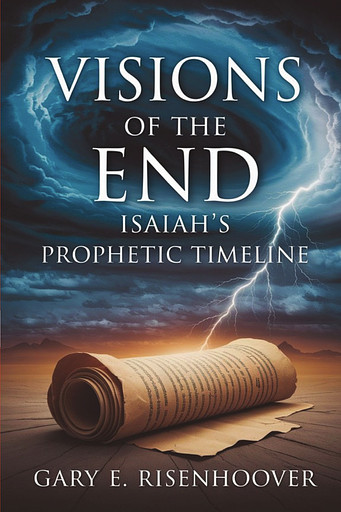
Visions of the End : Isaiah's Prophetic Timeline
A Detailed Exploration of the End of Days Foretold by Isaiah
Visions of the End: Isaiah's Prophetic Timeline delves deeply into the vivid and complex prophetic messages contained in the book of Isaiah, focusing specifically on its forecasts of the End
of Days. The narrative begins with a historical and theological introduction to Isaiah's context, setting the stage for an exploration of the divine revelations that detail the final epoch of human history. The book unfolds chronologically through a series of richly detailed chapters, each illuminating key phases of the prophetic timeline, from initial celestial disturbances to the ultimate establishment of a new eternal order. Throughout, the text explores themes of divine justice, judgment, redemption, and hope. Key moments include descriptions of cosmic upheavals, the arrival of the messianic figure, and the transformation of earthly realms into a renewed spiritual
kingdom. Along the way, the narrative addresses common questions and misunderstandings about apocalyptic literature, offering clarity and insight. The book culminates in a profound meditation on the intersection of fulfilled prophecy. It promises yet to come, inviting readers to reflect on their personal and collective journeys in light of Isaiah's vision. This comprehensive journey balances scholarly analysis with evocative storytelling, making the ancient prophecies accessible and relevant to today's readers, ultimately leaving them with a sense of awe, solemn reverence, and hopeful anticipation.
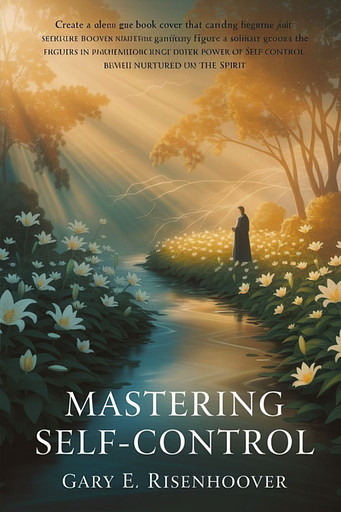
Mastering Self-Control
Harnessing the Spirit 's Power to Align Your Life with God's Will
Mastering Self-Control unfolds as a spiritual and practical guide for believers eager to align their lives with God's will through the Spirit's empowerment. Beginning with an exploration of the
nature and significance of self-control as a divine gift, the narrative delves into understanding human impulses and the subtle ways they can divert one from spiritual goals. The book reveals that self-control is not mere willpower but a fruit of the Spirit, cultivated through prayer, engagement with scripture, and mindful living. Readers journey through the challenges of temptation, emotional regulation, and habit formation, learning techniques to master these areas using biblical principles and the Holy Spirit's guidance. The core message emphasizes transformation through surrender and discipline, illustrated with vivid imagery such as a gardener tending a sacred garden, symbolizing nurturing spiritual habits. As the chapters progress, readers discover how to replace fleeting desires with steadfast commitments that resonate with God's eternal purpose. The book includes reflections on the power of faith to sustain self-control in times of trial, the importance of
community for accountability, and the joy found in living a Spirit-empowered life. Ultimately, the story culminates in a call to embrace self-control not as restriction but as liberation, leading to a radiant life marked by spiritual vitality, grace, and alignment with the divine will.
The Narrow Path for Saving Our Souls
Finding Fulfillment and Eternal Hope Through Jesus's Promise
'The Narrow Path for Saving Our Soul' unfolds as a spiritual guidebook and heartfelt reflection on embracing the path Jesus laid out for ultimate fulfillment and eternal hope. Beginning with an exploration of the chaotic distractions of modern life, the book introduces the concept of the narrow path as a metaphor for the disciplined, faith-centered journey toward
salvation. Each chapter delves into different facets of this journey: from recognizing the call to faith, overcoming worldly temptations, understanding grace, to cultivating resilience through trials. The narrative is interwoven with vivid imagery— such as the lighthouse guiding ships through storms, or the blossoming soul fulfilling its deepest longings—to make the spiritual concepts resonate emotionally. As the book progresses, it addresses common struggles believers face, offering
encouragement and practical insights rooted in scripture and personal reflection. Key twists include confronting doubts, experiencing divine comfort amid suffering, and the transformative power of hope. The concluding chapters affirm the promise of everlasting life, inviting readers to step
confidently onto the narrow path. Ultimately, the book culminates in an intimate call to action: to live a life anchored in love, purpose, and the eternal promise offered through Jesus, inspiring a lasting spiritual renewal.

Depend on God: Faithfulness and Grace
God's Unexpected Blessings and Divine Provision with Patience
"Depend on God: Faithfulness and Grace" is a spiritually uplifting journey that invites readers to rediscover the steadfast love and provision of God through patience and faith. The narrative begins by addressing the common human experience of uncertainty and the anxiety that often accompanies it. Through vivid imagery and heartfelt reflections, the book opens a sanctuary of trust where readers learn to relinquish worries about tomorrow and embrace the serene confidence that comes from relying on divine care. Each chapter explores different facets of God's faithfulness: from acknowledging His promises and recognizing grace in everyday moments, to understanding
the power of patience amid trials and the beauty of unexpected blessings. The story interweaves biblical scripture with contemporary reflections, creating a tapestry that connects ancient truths to modern life. Readers encounter personal anecdotes and parables that illuminate how God’s provision often arrives in surprising ways and at the perfect time, encouraging a deeper dependence on His timing rather than their own. The narrative builds to a crescendo where spiritual growth is portrayed as a natural outcome of trusting God fully, transforming challenges into stepping stones. The conclusion reassures readers that God's providence is both personal and
ever-present, inviting them into a lifelong journey of faith marked by grace, patience, and joyful trust. The book ends with a powerful call to "take no thought for your needs," affirming that embracing faith and patience leads to a fulfilling and peaceful life anchored in God’s love.
Trust and Obey
Living by Faith Through God's Power and Providence
"Trust and Obey" opens by setting the stage in a world rife with uncertainty, where the human spirit often grapples with doubt and fear. The central biblical story is that of Elijah and the widow at Zarephath, a narrative rich with divine intervention and miraculous provision. The book follows Elijah, a prophet called to trust God's instruction to seek out a widow during famine, who despite her own scarcity, obeys God's command to feed Elijah. Through this act of faith and obedience, her jar of flour and jug of oil do not run dry, sustaining them for a year. The story crescendos to the resurrection of the widow's son, symbolizing the power of faith to bring life amidst death and
despair. Beyond the narrative, the book explores the themes of trust and obedience as twin pillars of faith, illustrating how surrendering to God's will opens the door for His providential care. Each chapter delves into different facets of faith: the nature of divine promises, the role of obedience in spiritual growth, the interaction between human action and divine power, and the practical outworking of faith in everyday life. The book intertwines biblical exposition with contemporary
testimonies and practical guidance, encouraging readers to internalize the lessons. The concluding chapters emphasize the ongoing journey of faith, inviting readers to embrace trust and obedience as a lifestyle. Ultimately, "Trust and Obey" reveals that living by faith through God's power is not passive resignation but active participation in His providential plan, culminating in a transformed life marked by peace, hope, and spiritual vitality.

Echols of the Mount
A Gentle Guide to Living Light and Love
Echoes of the Mount opens in a serene valley where the ancient wisdom of the Sermon on the Mount breathes life into everyday moments. Narrated in clear and flowing third-person prose, the
story unfolds through a series of parables and reflections that gently explore key teachings such as "Eye for an Eye," "Salt of the Earth," and "Light of the World." Each chapter introduces a
core lesson, illustrated by simple yet profound scenarios that reveal the essence of compassion, mercy, humility, and forgiveness. Readers journey alongside characters who face common temptations and trials, learning to respond with grace rather than judgment. The narrative traces the transformation of hearts as old patterns of retaliation and fear give way to understanding and kindness. The middle chapters deepen the exploration of spiritual virtues, highlighting the interplay
between inner disposition and outward actions. Toward the conclusion, the book casts a hopeful vision of life lived in harmony with these teachings, portraying a community enlivened by peace and purpose. The final chapters culminate in an invitation for readers to embrace their own role as
bearers of light and salt in the world, reinforcing the book’s message that faith is not abstract but a lived experience that radiates love. The outcome is a sanctuary of wisdom and encouragement, where age-old lessons resonate with fresh clarity and inspire enduring change.
Hands of Grace
Living Christ's Love Through Selfless Service
"Hands of Grace" opens by setting the stage in a fractured world where selfishness and division prevail. It introduces the concept that true Christian living is manifested through service,
reflecting Christ's own selflessness. The early chapters explore biblical foundations and theological insights, emphasizing that acts of kindness are not merely good deeds but sacred gestures
infused with divine love. Through vivid stories and reflections, the book portrays service as a 'sacred dance,' where each act is a ripple in the vast ocean of grace. As the narrative unfolds, readers journey through practical examples of service—from small daily acts to large community initiatives—that reveal how serving others nurtures spiritual growth and deepens one’s connection with God. The book confronts common obstacles like self-doubt, fear, and societal apathy, offering
encouragement and strategies to overcome these barriers. Midway, "Hands of Grace" highlights transformative testimonies where lives and communities have been renewed through committed service, illustrating the ripple effect of grace. The latter chapters challenge readers to embody Christ's love boldly, making selfless service an integral part of their identity. It offers guidance on cultivating a servant’s heart, sustaining motivation, and creating environments where love is
visibly active. The book culminates in a compelling call to action, inviting believers to become hands of grace in a hurting world. Ultimately, service is presented as not only fulfilling a spiritual calling but as the pathway to experiencing God's presence intimately, fostering a world where love is tangibly
seen, heard, and embraced by all.

Freedom to Serve
Discovering Humble Love Through Christian Grace
"Freedom to Serve" opens with an exploration of Christian freedom as introduced by the Apostle Paul in Galatians 5:13, emphasizing the contrast between serving from pride and serving from humble love. Early chapters challenge common misconceptions about freedom and obligation, setting a foundation for understanding grace as the root of joyful service. The narrative then moves to practical reflections on how grace transforms relationships within the community, showing how acts of kindness and service become natural expressions of faith rather than burdensome duties. Through vivid stories and scriptural insights, the reader is guided to see service as a delightful privilege that nurtures both giver and receiver. Midway, the book addresses struggles and barriers to serving freely, including pride, fear, and selfishness, offering spiritual tools and encouragement to overcome these obstacles. The latter chapters focus on cultivating a lifestyle where service flows from a heart of grace, highlighting real-world examples such as helping neighbors, listening compassionately, and sharing resources generously. The conclusion calls readers to embrace this freedom daily, balancing liberty with responsibility, and finding fulfillment in the joyful act of serving
others. The outcome is a transformed perspective that invites believers into deeper connection with God and community, marked by humble love and grace-filled service.

Shelter in Grace
Finding Unshakable Peace and Strength Through Trust in God
'Shelter of Grace' opens by inviting readers into the quiet recognition of life's storms—the moments of pain, fear, and uncertainty that challenge the soul. It begins with a heartfelt exploration of Psalms 62:8 as a beacon of trust and refuge. The early chapters focus on understanding the nature of God's
grace and the significance of trust as a spiritual anchor. As the narrative unfolds, readers are guided through reflections on pouring out their hearts honestly to God, learning that vulnerability is the threshold to divine comfort. The book presents a vivid portrayal of God as a fortress—immovable,
protective, and loving—offering peace amid chaos. Midway, the narrative deepens with stories and meditations that illuminate Jesus as the ultimate helper and source of strength, encouraging readers to lean fully on Him. The author explores themes of surrender, patience, and the refining process of faith through trials. Toward the conclusion, practical encouragements and spiritual disciplines are presented to sustain peace and resilience. The final chapters culminate in an
awakening of the senses to God's warmth and the empowerment found in unshakable trust. The book closes with a call to embrace a hopeful, enduring relationship with God that
transforms the heart and life. Throughout the journey is intimate, evocative, and deeply rooted in Scripture, leaving readers with a profound sense of peace and renewed strength.
Mercy Revealed
Embracing Salvation Beyond Our Works Through Divine Kindness
"Mercy Revealed" opens in a world steeped in the relentless pursuit of personal perfection, where individuals are weighed down by their shortcomings and a tireless striving for righteousness. The narrative follows several interconnected lives, each struggling under heavy burdens of guilt, shame, and unmet expectations. The protagonist, Sarah, a woman battling feelings of inadequacy and despair, embodies this struggle. Through a series of encounters, both ordinary and extraordinary, Sarah begins to perceive hints of a kindness far greater than her own efforts. She meets a compassionate mentor who introduces her to stories of grace and redemption, illustrating how divine mercy breaks through human imperfection. As Sarah's journey unfolds, she confronts her own fears and doubts, ultimately embracing a salvation offered not by deeds but by boundless mercy. The story interweaves evocative reflections on forgiveness, surrender, and the warmth
of divine love, highlighting the transformative power of mercy that renews and restores the soul. Twists arise as Sarah's past resurfaces, challenging her newfound faith, but with each trial, the light of mercy shines brighter. The climax reveals a profound realization: that true healing comes from letting go of self-reliance and accepting the gentle embrace of God's grace. The book closes with Sarah and others experiencing a renewed hope and inner peace, a testament to the life-changing power of mercy revealed beyond human works.
"Mercy Revealed" is designed as a compelling and transformative work that addresses a universal spiritual need— the desire to be loved and saved beyond human imperfections. Its strength lies in integrating personal storytelling with profound theological themes, making complex concepts
accessible and relatable. The uneven chapter lengths and subchapter counts enhance engagement and mirror the unpredictability of spiritual journeys. This plan positions the book to be both a comforting companion for the weary and an inspiring call to embrace grace, likely resonating deeply with readers seeking hope and healing.

Heartwork : Serving with Sacred Purpose
Transforming Every Task Into Devoted Worship
"Heartwork: Serving with Sacred Purpose" explores the transformative power of viewing every task, no matter how ordinary, as an act of worship and devotion. Anchored in Colossians 3:23-24, the book opens by presenting the challenge many face—feeling disconnected and uninspired by daily duties. It then guides readers through a journey of rediscovery, illustrating through vivid storytelling how work infused with love, commitment, and faith can elevate life’s routine moments into a grand masterpiece of purpose. The narrative unfolds by examining the spiritual dimensions hidden within common tasks, using metaphorical imagery of brushstrokes on a canvas to show how each act contributes to a beautiful, divine picture. Readers encounter real-life examples of individuals who have embraced this perspective, finding renewed vigor and satisfaction in their roles. The book also tackles common obstacles such as burnout, distraction, and a sense of futility, offering practical reflections and biblical wisdom to overcome them. Moving deeper, "Heartwork" explores how excellence and dedication in service reflect a higher calling, emphasizing that serving others is ultimately serving God. It challenges readers to consider their motivations, encouraging a shift from doing work out of obligation to doing it out of love and worship. The book culminates by inspiring readers to integrate this sacred purpose into every aspect of life, transforming not only their
personal experiences but also their communities and workplaces. Through its compelling blend of theology, storytelling, and practical insights, "Heartwork" leaves readers empowered to view their daily tasks as meaningful contributions to a divine masterpiece, fostering a life rich with
faith, purpose, and joy.
"Heartwork: Serving with Sacred Purpose" offers a compelling and timely exploration of the intersection between faith and daily work. Its well-structured chapters and diverse subchapter
arrangements ensure a rich and varied reading experience. By grounding its message in scripture and enlivening it with storytelling, the book stands to deeply resonate with readers feeling disconnected from their daily duties. Its practical tools and inspiring narrative make it a valuable resource for personal growth and spiritual enrichment.

The Freedom of Forgiveness
Breaking Chains. Restoring Hearts Through God's Grace
"The Freedom of Forgiveness" unfolds as a heartfelt spiritual guide that invites readers to embark on an intimate journey toward releasing the heavy chains of resentment and pain. It begins by exploring the nature and complexity of forgiveness, highlighting common struggles people face in forgiving others and themselves. The narrative then deeply examines the example of God's forgiveness through Christ, portraying it as a powerful model and source of strength for human forgiveness. Through vivid reflections and biblical insights, the book reveals forgiveness not just as an act but as a transformative process that dissolves bitterness and restores fractured relationships.
The book presents forgiveness as a sacred cycle—where the forgiving heart experiences healing, which in turn promotes compassion and renewed connection with others and with God.
It addresses common misconceptions and obstacles, such as the belief that forgiveness condones wrongdoing or that it requires forgetting the hurt. Instead, it emphasizes forgiveness as a
liberating decision, a grace-filled act that brings freedom and peace. Readers encounter practical guidance on how to overcome anger, release grudges, and embrace empathy, supported by personal stories and scriptural wisdom. Midway, the narrative delves into the emotional and spiritual benefits of forgiveness, illustrating how it restores hope and nurtures inner tranquility. It explores the ripple effects of forgiveness on communities and families, encouraging readers to become
agents of reconciliation. As the journey progresses, the book challenges readers to forgive themselves, recognizing self- forgiveness as crucial for holistic healing. Finally, it culminates
in a call to live a life marked by grace and compassion, where forgiveness continuously breaks cycles of hurt and plants seeds of peace. The outcome is a transformed heart, restored relationships, and a deeper connection to God's love and freedom.
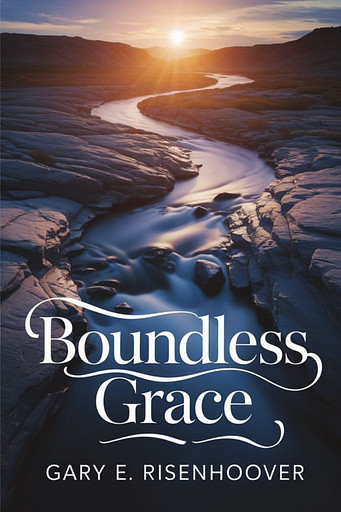
Boundless Grace
Embracing God's Command to Forgive as we are Forgiven
"Boundless Grace" journeys through the profound spiritual terrain of forgiveness, exploring its biblical foundations, practical challenges, and transformative power. Beginning with
an exposition of Ephesians 4:32 and Matthew 6:14-15, the narrative establishes forgiveness as a divine command intricately tied to the grace we have received from Christ. It refutes common misconceptions, clarifying that forgiveness is not forgetfulness or condoning wrongdoing, but a courageous act of mercy that liberates the soul. The book unfolds through a series of thematic explorations: it first delves into the nature of God's grace and how it empowers human forgiveness. Readers encounter compelling metaphors—such as rivers carving rocky landscapes—to illustrate how forgiveness gently but persistently transforms hearts and relationships. Personal stories and biblical examples illustrate the struggles and victories of choosing forgiveness over bitterness. Subsequent chapters address the psychological and emotional aspects of forgiveness, offering tools for confronting pain and resentment honestly while moving toward healing. The narrative outlines practical steps to cultivate forgiveness, such as prayer, reflection, and community support. A pivotal section reflects on the reciprocal nature of forgiveness, emphasizing that forgiving others is intertwined with receiving God’s forgiveness. This relationship unlocks freedom from guilt and anger, allowing readers to see forgiveness as a pathway to peace and spiritual maturity. The latter chapters focus on the broader implications of forgiveness within families, churches, and society, portraying it as an act of radical love that can restore and renew communities. The book concludes with an exhortation to live daily in the grace that forgives and to become agents of God's boundless mercy in a fractured world. Through vivid imagery, heartfelt reflection, and theological depth, "Boundless Grace" leads readers to a renewed understanding and practice of forgiveness, promising profound personal and communal transformation.

Watchmen of the Spirit
Embracing Vigilance and in Spiritual Warfare
"Watchmen of the Spirit" begins by introducing the metaphor of the watchman standing guard over ancient city walls, drawing a parallel to the spiritual vigilance required in the life of a believer. The narrative unfolds by exploring the nature of spiritual warfare — the adversaries, tactics, and the
battleground that exists beyond the physical realm. The reader is invited to understand the enemy's schemes, recognizing temptation, deception, and fear as weapons used against the soul. The book then delves into the armor of God, detailing each piece and its significance in protecting the spiritual watchman. Throughout, the importance of prayer, faith, and submission to
divine authority is emphasized as the foundation of strength. Midway, the book shifts focus to practical strategies for maintaining vigilance: cultivating spiritual disciplines, discerning spiritual attacks, and nurturing community support. Through real-life scenarios and evocative imagery, the tension of the spiritual battle is made tangible, highlighting moments of testing and triumph. The narrative addresses common challenges: doubt, weariness, and complacency — offering
encouragement and biblical wisdom to overcome these obstacles. In the latter chapters, the tone shifts towards empowerment and hope. The watchman is portrayed not just as a defender but as a beacon of light, bringing hope and courage to others. The closing chapters emphasize a transformation — how standing firm in spiritual warfare leads to profound personal growth and a deeper connection with the divine. The book concludes with a stirring call to action, urging readers to fully embrace their role as watchmen of the spirit, vigilant and unyielding against darkness. The outcome is a comprehensive, inspiring roadmap that equips believers to navigate spiritual
challenges with strength, grace, and unwavering faith.

Armored in Light
Standing Firm in Christ's Victory Against the Darkness
"Standing Firm" is a comprehensive guide that explores the spiritual warfare described by Paul in Ephesians 6:1-12, delving into the metaphor of the full armor of God and its practical application in the life of a believer. The book opens by contextualizing the invisible battle that rages beyond the
physical realm, emphasizing the reality of spiritual forces and their impact on human experience. It then journeys through each piece of the armor—belt of truth, breastplate of righteousness, shoes of readiness, shield of faith, helmet of salvation, and sword of the Spirit—unpacking their biblical
foundation, symbolism, and how to embody each in daily spiritual practice. Throughout the narrative, vivid imagery and personal stories illustrate the struggles and victories believers
face. The book addresses common misconceptions about spiritual warfare and encourages readers to adopt a proactive, faith-driven stance rather than fear or passivity. Key chapters focus on prayer as the primary mode of engagement in this battle and the importance of community and servanthood. A pivotal twist reveals that the battle is not merely defensive but calls for offensive spiritual strategies grounded in truth and love. The final chapters culminate in a call to arms for the soul, urging readers to fully embrace their identity in Christ and harness the power of the Spirit to overcome trials. The outcome leaves readers equipped, inspired, and ready to stand firm,
victorious in their invisible battles, transforming challenges into testimonies of faith and strength.

Standing Firm Part 1
Harnessing Paul's Spiritual Armor to Win the Invisible Battle
"Standing Firm -Part 1" is a comprehensive guide that explores the spiritual warfare described by Paul in Ephesians 6:1-12, delving into the metaphor of the full armor of God and its practical
application in the life of a believer. The book opens by contextualizing the invisible battle that rages beyond the physical realm, emphasizing the reality of spiritual forces and their impact on human experience. It then journeys through each piece of the armor—belt of truth, breastplate of righteousness, shoes of readiness, shield of faith, helmet of salvation, and sword of the Spirit—unpacking their biblical foundation, symbolism, and how to embody each in daily spiritual practice. Throughout the narrative, vivid imagery and personal stories illustrate the struggles and victories believers face. The book addresses common misconceptions about spiritual warfare and encourages readers to adopt a proactive, faith-driven stance rather than fear or passivity. Key chapters focus on prayer as the primary mode of engagement in this battle and the importance of community and perseverance. A pivotal twist reveals that the battle is not merely defensive but
calls for offensive spiritual strategies grounded in truth and love. The final chapters culminate in a call to arms for the soul, urging readers to fully embrace their identity in Christ and harness the power of the Spirit to overcome trials. The outcome leaves readers equipped, inspired, and ready to stand firm, victorious in their invisible battles, transforming challenges into testimonies of faith and strength.

Standing Firm Part 2
Harnessing Paul's Spiritual Armor to Win the Invisible Battle
In "Standing Firm -Part 2" readers embark on a transformative journey into the often-overlooked realm of spiritual warfare. The book opens by unveiling the reality of invisible battles that
believers face daily, setting the stage for a deeper understanding of Paul's exhortation in Ephesians 6:1-12. Each chapter systematically unpacks the components of the spiritual armor—truth, righteousness, peace, faith, salvation, and the Word of God—exploring their significance, practical application, and how they interlock to form an invincible defense against spiritual attacks. The narrative intertwines biblical exposition with vivid imagery, allowing readers to feel the weight and
warmth of the armor as if it were tangible. It portrays spiritual warfare not as a distant myth but as an active, intense conflict requiring vigilance and preparedness. The book also addresses common doubts and fears, providing encouragement and strategies to overcome them through faith and prayer. Midway, the story deepens with a compelling exploration of the invisible enemies’ tactics, highlighting the importance of discernment and perseverance. Through personal anecdotes, scriptural insights, and practical exercises, readers learn how to wield the sword of the Spirit—the Word of God—effectively. The concluding chapters focus on standing firm amidst trials, fostering resilience, and living a victorious Christian life. Ultimately, "Standing Firm" culminates in a powerful call to arms for the soul, inspiring believers to embrace their spiritual authority confidently and walk in triumph over adversity. The book closes with a vision of hope, strength, and divine protection, reinforcing that with the full armor of God, victory is assured.

Unshakable : The Power of God's Promises
Anchoring Faith and Hope Through Every Trial and Triumph
'Unshakable: The Power of God's Promises' is a spiritual guide that unfolds the profound impact of God's promises on the believer's journey through life's trials and triumphs. It begins by setting the stage with an understanding of the nature of God's promises—timeless, reliable, and life-transforming. The narrative explores how these promises act as a beacon of hope and a fortress of faith amid the shifting uncertainties of life. Through vivid illustrations and heartfelt reflections, the book delves into specific promises such as God's presence in adversity, provision in need, forgiveness and restoration, peace amidst chaos, and eternal life. Each promise is examined
through scriptural foundations, historical context, and real-life applications. As the chapters progress, readers are guided to internalize and personalize these promises, enabling them to
stand firm against fear, doubt, and despair. The book also addresses common challenges believers face in trusting these promises, providing encouragement and practical steps to cultivate unshakable faith. In the concluding chapters, 'Unshakable' paints a hopeful picture of living a faith-filled life empowered by divine assurance, highlighting testimonies of transformation and the joy found in trusting God's unchanging word. The story culminates in a heartfelt call to embrace God's
promises fully, anchoring faith and hope through every trial and triumph, thereby becoming truly unshakable in spirit and purpose.

The Instruction
Trusting God Through Active Faith and Righteous Deeds
'The Instruction' unfolds as a heartfelt exploration of what it means to trust God through active faith and righteous deeds, inspired by Psalms 37:3-5. The book begins by redefining trust —not as passive waiting but as a vibrant, ongoing journey of faith and obedience. Early chapters establish the scriptural and theological foundation of trusting in the Lord and committing to do good. As the narrative progresses, the reader is guided through practical applications: how to discern God's
instructions, overcome doubts, and make courageous choices that reflect steadfast hope. Central to the story is the metaphor of faith as a river flowing tirelessly toward the sea, symbolizing
continuous growth and purposeful action. The book reveals how each step of obedience and every act of kindness echoes the soul's trust in God's plan. Readers encounter themes of
patience amid uncertainty, the power of hope to fuel action, and the way righteous deeds serve as both evidence and expression of faith. Throughout, personal anecdotes and biblical stories
illustrate the transformative power of combining trust with deeds. The book culminates in encouraging readers to embrace their own journey, motivating them to live a faith that moves
and acts, trusting wholeheartedly in the unseen hand guiding their path. The conclusion offers an uplifting call to live out the promises of God actively, fostering a life marked by hope, obedience, and compassionate impact.
'The Instruction' effectively translates profound biblical teachings into a compelling call for active, trusting faith. Its structure and content work synergistically to deepen understanding and motivate transformation. The metaphor of faith as a flowing river uniquely captures the essence of
dynamic trust, while the emphasis on righteous deeds grounds faith in tangible action. The book stands poised to inspire readers to renew their commitment to God with hope, courage, and compassion, making it a meaningful resource for personal growth and community strengthening.
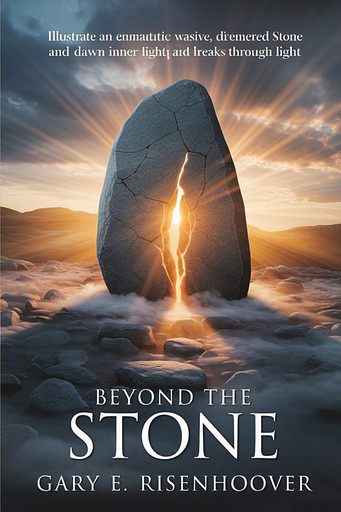
Beyond The Stone
Enduring Present Trials Through Eternal Glory
Beyond the Stone opens with an exploration of the nature of present suffering, acknowledging its raw, painful reality without trivializing it. The book then shifts to unveil the eternal hope
promised in Romans 8:18, portraying trials as a divine sculptor’s process shaping the soul toward glory. Each chapter serves as a vivid portrayal of this tension between suffering and hope, blending evocative personal stories with theological reflection. Early chapters delve into the physical and emotional weight of trials, illustrating the cold heaviness of sorrow and the isolation it can bring. Midway, the narrative introduces the concept of grace whispering amid hardship — moments of
unexpected peace, resilience, and spiritual growth that punctuate the darkest hours. The book also examines the symbolism of the stone and the sculptor, emphasizing how God’s vision sees beyond the rough exterior to the magnificent statue within, representing the believer’s ultimate
transformation. Later chapters focus on practical spiritual disciplines and reflections that help readers embrace their journey, fostering acceptance, patience, and trust in divine timing. The book culminates in a powerful resolution where the metaphorical dawn breaks, revealing the eternal glory that redefines pain as a pathway to profound beauty and everlasting joy. Throughout, readers are invited to feel the texture of resilience and to carry forward the message that present sufferings are not worth comparing to the glory that will be revealed. The narrative closes with encouragement to live with hope, empowered by the eternal perspective that transforms trials into triumphs.
The book’s strength lies in its integration of theological insight with emotive storytelling, offering readers not only intellectual understanding but also emotional and spiritual nourishment. The unique structure and varied chapter lengths maintain engagement, while the nuanced portrayal of suffering and hope avoids simplistic answers. The enduring message of Romans 8:18 is woven throughout to anchor the reader’s journey. Potential challenges include balancing theological depth with accessibility, which is addressed through clear language and relatable examples. Overall, the book promises to be a transformative resource that redefines suffering as a gateway to eternal beauty and joy.
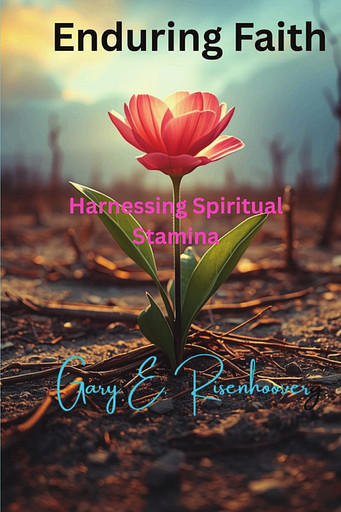
Enduring Faith
Harnessing Spiritual Stamina to Overcome Life's Trials and Grow in Character
'Enduring Faith' unfolds as a compelling guide through the spiritual journey of perseverance amid life's storms. The narrative begins by setting the stage with the universal reality of trials and their purpose in shaping the believer's character. Early chapters delve into the nature of spiritual stamina,
defining it as a dynamic, enduring trust in God that sustains through hardship. The book then transitions into exploring biblical examples, weaving vivid stories of figures like Job, Paul,
and Ruth, whose faith was forged in adversity. It highlights how their steadfastness led to profound personal transformation and divine blessing. As the story progresses, the reader is
introduced to practical strategies for cultivating endurance: prayer, community support, scripture meditation, and embracing suffering as a refining fire. The book candidly discusses common obstacles such as doubt, despair, and spiritual fatigue, offering compassionate counsel and renewed hope. Midway, there is a pivotal twist where the emphasis shifts to the internal growth that occurs not despite trials, but because of them—how perseverance polishes the soul like a diamond. In the latter chapters, the focus broadens to the fruits of enduring faith—strengthened character, increased empathy, and a deeper intimacy with God. It encourages embracing an eternal perspective, recognizing that present sufferings produce everlasting glory. Personal anecdotes and contemporary testimonies amplify the message, making it relatable and inspiring. The conclusion ties together the journey, reaffirming that enduring faith is not a passive waiting but an active, vibrant journey of trust and transformation, empowering believers to face any trial with courage and hope.
'Enduring Faith' is positioned to fill a vital niche in Christian literature by addressing perseverance not as a mere abstract virtue but as a tangible, lived experience with practical tools. Its comprehensive approach—from biblical examples to personal application—makes it a valuable resource for individuals and group study alike. The varied structure and storytelling elements enhance readability, increasing the likelihood of sustained engagement and spiritual impact. This
book is poised to inspire and equip readers to face life’s challenges with renewed strength and hope.

Unshakable Trust
Relying on God's Wisdom Beyond Understanding
"Unshakable Trust" opens by setting the stage with the timeless wisdom of Proverbs 3:5-6, emphasizing the call to trust in the Lord with all one’s heart and lean not on one’s own
understanding. The narrative unfolds through twelve chapters, each exploring facets of spiritual trust amid life’s uncertainties. Early chapters introduce the concept of trust as a sturdy oak
weathering storms, illustrating how human understanding falls short in the face of divine wisdom. Through personal stories and biblical examples, the book explores the tensions between surrender and control, fear and faith. Midway, readers are invited into deeper reflections on the nature of God’s character —His faithfulness, love, and grace—and how these qualities ground and nurture trust. The book highlights the sacred dance between struggle and surrender, showing how trials can
become transformative when anchored in divine assurance. Subsequent chapters tackle practical ways to cultivate trust: through prayer, meditation on Scripture, and embracing uncertainty with hope. The narrative also addresses common obstacles like doubt, anxiety, and the need for control, offering compassionate guidance toward letting go. The climax reveals the transformative power of unshakable trust, portraying how it fosters peace that transcends circumstances and renews the
soul. The final chapters culminate in a vision of a life illuminated by hope and resilience, anchored not in fleeting understanding but in the eternal wisdom of God. Throughout, evocative storytelling and heartfelt reflections weave a vivid tapestry of spiritual resilience, making "Unshakable Trust" both a guide and a sanctuary for readers seeking to deepen their faith and find peace amidst life’s uncertainties.
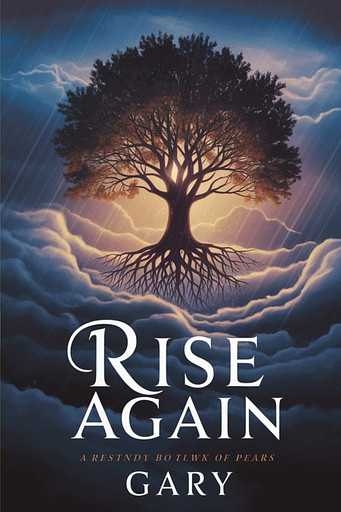
Rise Again
Finding Strength and Hope in the Promise of Proverbs 24:16
"Rise Again" explores the powerful message of Proverbs 24:16, which reminds us that the righteous may fall seven times but will rise again. The book opens by painting a vivid picture of life's inevitable storms—moments of despair, loss, and uncertainty that challenge faith. It introduces readers to a
metaphor of a resilient tree bending but not breaking in the fiercest winds, symbolizing how faith can endure and grow stronger through trials. The narrative weaves together heartfelt personal stories and biblical reflections, illustrating how suffering can be a profound teacher rather than a sign of abandonment. As the chapters progress, readers journey through themes of resilience, divine presence, and renewal. The middle sections delve into the nature of spiritual struggles, the
role of community, and the cultivation of hope. The book presents practical guidance on embracing vulnerability, fostering perseverance, and transforming pain into purpose. A pivotal twist reveals that falling is not only expected but necessary for spiritual depth, challenging common
misconceptions about failure. In concluding chapters, "Rise Again" offers a sanctuary for weary souls, emphasizing that divine strength is accessible even in our darkest hours. The final reflections underscore that the promise of Proverbs 24:16 is a call to courage, inviting readers to stand tall against adversity with renewed faith. The book closes with a compelling invitation to embrace life's falls as stepping stones toward flourishing resilience and hope, leaving readers with a lasting
sense of empowerment and peace.
The book thoroughly explores the promise of Proverbs 24:16 from multiple angles—emotional, spiritual, practical—and offers a holistic approach to resilience and hope. By integrating
storytelling, reflection, and actionable advice, it addresses common struggles with faith and adversity and provides readers with tools to rise again confidently. The varied
structure and engaging style support sustained reader interest and meaningful transformation.

Endurance Run
Embracing the Christian Life as a Marathon of Faith
"Endurance Run" is a transformative guide that invites Christian believers to reframe their spiritual lives as an endurance marathon, inspired by Hebrews 12:1-2. The narrative opens by painting the common spiritual struggle of feeling worn down or tempted to give up in the face of life's
obstacles. It contrasts the fleeting nature of sprints with the steady pacing required in a marathon, setting the stage for a deep dive into the virtues necessary for sustained faithfulness. The book progresses by exploring foundational themes such as shedding spiritual burdens, fixing eyes on Jesus, and the discipline of daily perseverance. Readers journey through vivid imagery of long runs, the physical and mental challenges runners face, and how these mirror the Christian walk. Each
chapter introduces practical spiritual disciplines—prayer, scripture engagement, community support, rest, and renewal— that equip believers to endure trials and maintain their commitment. Midway, the book tackles common discouragements: spiritual fatigue, doubt, distraction, and
setbacks. It offers biblical encouragement and testimonies of endurance to renew hope. The narrative also highlights the importance of spiritual companions and mentors, recognizing
that no marathon is run alone. In the final chapters, the metaphor culminates in preparing for the finish line, embracing the glory set before believers, and reflecting on the transformation that endurance fosters in character and faith. The outcome is an empowering call to embrace the Christian life as a marathon—a journey marked by grace, hope, and unwavering purpose—encouraging readers to run their race with joy and steadfastness until the end.

Perseverance
Running with Endurance Through Hope and Faith
'Perseverance: Running With Endurance Through Hope and Faith' unfolds as a spiritual guide and companion for those confronting life's inevitable trials. The narrative begins with an exploration of the nature of perseverance as illuminated by James 1:12, setting the tone for a journey that blends scriptural wisdom with practical reflection. Early chapters introduce the reader to the challenges that test faith and endurance, portraying perseverance not as mere stubbornness but as a
dynamic, living grace that shapes one's character and destiny. The book progresses to unveil the metaphor of a steadfast river carving through stone, symbolizing the slow but powerful
transformation that endurance fosters in the soul. Readers are invited to embrace the paradox that trials are not punishments but opportunities to deepen trust in God’s promises. Throughout, the narrative interweaves personal testimonies and biblical stories that exemplify endurance through hope and faith, making the abstract vivid and relatable. Midway, the book addresses common misconceptions about perseverance, clarifying that it is not about earning salvation or reward but
about embracing the fullness of grace already granted. This section offers gentle yet firm encouragement, reminding readers that holding fast in faith is itself a testament to the
living spirit within. As the story unfolds, readers encounter reflections on the dark storms of life—loss, pain, doubt—and the gentle flame of unwavering faith that shines through them.
The book culminates in a powerful affirmation that steadfast faith leads to the 'crown of life,' a metaphor for ultimate spiritual victory and peace. The conclusion offers a sanctuary of
peace and encouragement, urging readers to continue their journey with hope, resilience, and grace. It leaves them equipped with a renewed vision of perseverance as a pathway to transformation and eternal life, grounded in the unshakable truth of salvation.
Overall, 'Perseverance' offers a comprehensive and heartfelt exploration of enduring faith. Its structure and content are intentionally varied and rich, designed to guide readers through
understanding, encouragement, and practical application. The balance of scriptural insight with real-life stories creates authenticity and relatability. The book’s message is timeless
and timely, addressing universal human experiences through a lens of hope and grace.

The Confident Expectation
Finding Faith in God's Promises
The Confident Expectation opens by introducing young readers to the concept of hope as an anchor for the soul amidst life's unpredictable storms. Through relatable scenarios and biblical
narratives, the early chapters establish the foundation of God's promises as unwavering and steadfast. The story unfolds by guiding readers through the emotions of doubt, fear, and
uncertainty, showing how faith can transform these feelings into confident anticipation. As the narrative progresses, readers explore the nature of God's character—His love, faithfulness,
and sovereignty—which serves as the bedrock for their hope. The middle chapters engage with challenges that young people face, such as peer pressure, disappointment, and confusion,
illustrating how to apply confident expectation in everyday life. Through vivid metaphors of anchors, stars, and light in darkness, the book paints a serene landscape of trust and patience. The later chapters deepen this journey by encouraging active cultivation of faith through prayer, worship,
and community support. The climax centers on a powerful reflection about embracing hope even when answers are delayed or circumstances worsen, emphasizing that God's timing is perfect. The conclusion leaves readers with a call to live courageously, rooted in the assurance that God's promises will never fail. Throughout the book, heartfelt reflections and practical encouragement intertwine, creating a comforting companion that inspires young readers to face their futures
with peace and joyful anticipation.
This book plan strategically combines solid biblical teaching with an empathetic understanding of youth challenges. By progressively building theological concepts alongside practical applications, it equips readers to internalize and live out confident expectation in God’s promises. The structure and writing style optimize readability and retention. If executed well, the Confident Expectation will serve as a meaningful resource that nurtures spiritual resilience and hope for a generation navigating uncertainty.
Strength in Struggles
How Suffering Shapes Our Faith and Opens Hearts to Comfort Others
"Strength in Struggles" is a heartfelt exploration of how suffering shapes and deepens faith, transforming pain into a source of spiritual strength and compassion. The book opens by
presenting suffering as a universal experience—like relentless waves shaping the shore—gradually revealing a resilient spirit beneath life's hardships. It begins with personal stories and biblical reflections that illustrate how pain is more than a trial to endure; it is a teacher guiding us closer to God’s comforting presence. The narrative then delves into the nature of faith deepening in adversity, comparing it to roots growing stronger underground, unseen but life-giving. The book explores the paradox that through suffering, one gains greater empathy and the ability to comfort others who face similar challenges, turning personal pain into shared hope. Through gentle imagery and reflective meditation, each chapter unfolds different facets of suffering: from the initial shock and loneliness to the gradual awakening of grace and purpose. It highlights the transformative power of divine guidance, portraying the divine hand as always present, even amid the storm. The book concludes by encouraging readers to embrace their struggles as sacred journeys, emphasizing that healing and growth often emerge from the darkest times. Ultimately,
the story is one of hope, redemption, and the enduring strength found in faith and human connection.
'Strength in Struggles' offers a much-needed compassionate exploration of suffering that transcends mere consolation to reveal profound spiritual growth and community building. By
blending narrative, theology, and practical guidance, it fills a vital niche for readers seeking meaning in pain. Its carefully crafted structure and varied pacing maintain engagement across a substantial word count. The book's themes resonate deeply with anyone who has faced hardship, providing hope and a roadmap for transformation. It stands out by emphasizing the cyclical nature of comfort received and given, strengthening both individual faith and communal bonds. This work promises
to be a lasting resource for spiritual encouragement and growth.

Waiting with Hope
A Child's Guide to Trusting God's Promises
"Waiting with Hope" unfolds as a heartfelt guide for children to understand and embrace the virtue of waiting with faith and trust in God. Beginning with the simple yet profound metaphor of planting a seed, the story explains how waiting is an essential part of growth, paralleling the care and patience needed to nurture a seed into a blooming flower. Within this framework, the book introduces Psalm 130:5, emphasizing hope as a trust in God's promises even when outcomes seem delayed or unclear. The narrative progresses through a series of vivid stories and gentle teachings illustrating how waiting is not passive but an active process filled with spiritual growth. Children meet characters who experience different forms of waiting—waiting for answers, healing, or understanding—and learn how each moment of waiting is an opportunity to deepen faith and patience. The book reassures young readers that God's love is like a warm blanket, providing comfort and encouragement in tough times. Throughout the chapters, practical guidance is given on how to fill the waiting period with prayer, reflection on scripture, and joyful anticipation. The
book highlights the transformative power of hope as a bright light in darkness, guiding and sustaining believers through uncertainty. Ultimately, the story concludes with a celebration
of fulfilled promises, illustrating that waiting with hope leads to peace and joy. Children are invited to see waiting as a hopeful adventure, a journey that prepares their hearts and minds for the blessings God has in store, reinforcing a lifelong trust in His perfect timing.

Hope's Anchor
A Gentle Guide to Staying Strong Through Life's Storms
Hope's Anchor follows the metaphor of a ship caught in a violent storm at sea to gently introduce children to the concept of hope as a steadfast anchor for the heart and soul. The story
opens with a young child feeling small and frightened as dark clouds gather and waves toss a small ship in the ocean. As the storm rages, the child learns that while the ship may sway, it remains firmly anchored underwater, a symbol of hope. Through a series of illustrative scenes and simple, poetic
language, the book explores different scenarios where hope acts as an unseen but powerful force that keeps the child's spirit calm and brave — from facing fears about the dark, new experiences at school, to dealing with change or loss. Each chapter explores a unique setting and challenge, weaving in comforting examples of how hope supports and steadies the child’s emotions. The narrative unfolds with gentle reassurance, culminating in the realization that hope is always
present, even when unseen, providing strength and security inside the heart. The story ends on a peaceful note, with the storm passing and the ship sailing smoothly, symbolizing the enduring power of hope in guiding us through life's difficulties and uncertainties. Through its tender message and warm illustrations, 'Hope's Anchor' leaves readers with a lasting sense of calm, courage, and trust in the enduring presence of hope as a guiding friend.
'Hope's Anchor' presents a unique blend of metaphorical storytelling and emotional education tailored for children, filling a niche for gentle resilience-building literature. Its carefully structured chapters and subchapters enable a rich exploration of hope across various contexts, making the abstract concept tangible and accessible. The balance of poetic language and concrete examples ensures engagement and comprehension. The book’s design supports both independent
reading and guided discussion, offering versatility. Its emphasis on hope as an internal resource aligns well with contemporary approaches to emotional literacy and mental wellness in
children, promising long-term positive impact.
Angels Among Us
True Tales of Miraculous Rescues for Young Readers
'Angels Among Us' is a heartwarming collection of true stories about angelic rescues that span from ancient biblical times to astonishing modern-day encounters. The book begins by setting the stage with foundational tales from the Bible, introducing readers to the earliest known angelic interventions that shaped faith and history. It then moves through time, sharing stories
from various cultures and eras, each highlighting different kinds of angelic assistance — from guiding lost travelers, protecting children from harm, to miraculous healings and near-death experiences. Each tale is written with vivid imagery and gentle language, designed to engage and uplift young readers. Throughout the book, the stories weave a common thread of hope and courage, illustrating how angels act as guardians and messengers in desperate moments. The
narrative builds up to contemporary accounts where children and families share personal experiences of angelic presence, bridging ancient beliefs with today's world. The book closes
with a reflection on the power of kindness, bravery, and faith, encouraging readers to believe in the unseen forces that protect and inspire us all. The outcome is a renewed sense of wonder and spiritual comfort for children, helping them feel supported and brave in their own lives.
'Angels Among Us' effectively combines historical, cultural, and personal narratives to create a comprehensive and engaging exploration of angelic interventions. The varied chapter lengths
and subchapter counts ensure a dynamic and non-repetitive reading experience. The careful selection of stories ranging from ancient times to modern personal accounts provides both
educational value and emotional resonance. The writing style and engagement strategies are well-suited for young readers, fostering imagination, spiritual awareness, and moral growth.
The book's thematic focus on faith, courage, kindness, hope, and spirituality is consistently woven throughout, creating a cohesive and impactful message. Overall, the plan promises a book that is both enchanting and meaningful, with the potential to inspire and comfort children across diverse backgrounds.
Living Everlasting Hope
Proving the Resurrection's Power That Changes Our Eternal Life
"Living Everlasting Hope" explores the transformative power of hope rooted in the resurrection of Jesus Christ, as revealed in 1 Peter 1:3 and the King James Bible. The book opens by framing
The human condition is marked by uncertainty, suffering, and the fear of death, illustrating how ordinary hope is often fragile and fleeting. It then introduces the Apostle Peter’s depiction of hope
not as a mere concept but as a 'living hope'—a vibrant, enduring force flowing from the heart of Christ’s resurrection. The narrative unfolds by tracing this living hope through the biblical text and how it radically changes the believer's life. It examines themes of renewal, courage, and spiritual
empowerment, showing how this hope acts as a beacon amid life’s darkest valleys. The book delves into the spiritual landscape where faith becomes an active flame that sustains and invigorates, even when faced with despair or loss. Throughout its chapters, the book interweaves theological
insights, personal reflections, and practical guidance, encouraging readers to internalize and experience this hope firsthand. One of the key twists involves confronting the shadow of death—not as an end but as a passage transformed by the resurrection’s power. The outcome is a compelling
invitation to awaken and nurture a faith that endures beyond life's trials, anchored by the certainty of eternal life. Readers are left equipped with a living, breathing hope that is not only
inspirational but also practically empowering, enabling them to live with joy, strength, and peace regardless of their circumstances.
"Living Everlasting Hope" presents a compelling and timely message that addresses deep human needs through the lens of Christian faith. Its comprehensive exploration of hope rooted in the resurrection offers both profound theology and practical encouragement. The book's structure, thematic richness, and engaging style position it to become a treasured resource for
individuals seeking resilience and joy amid life's trials. By illuminating hope as a living, breathing power, it promises to inspire enduring transformation and a renewed spiritual vitality.

God's Love and Design for the Family
A Children's Guide to Family, Faith By God's Design
"God's Love and Design for the Family" is an immersive children's guide that opens the door to understanding family as a divine masterpiece crafted by God. The story begins by introducing children to the concept of God's unconditional love, which is the foundation for the family unit. It explains how marriage between a man and a woman symbolizes Christ's love for the Church, portraying a relationship built on trust, sacrifice, and commitment. The narrative unfolds through vivid storytelling and relatable scenarios, allowing children to see how family life is a living example of God's grace in action. The book explores the roles of family members, emphasizing respect, support, and the importance of shared faith practices like prayer and worship. It highlights how families nurture growth in character, kindness, and resilience while providing a safe environment where faith can flourish through generations. Throughout the chapters, children encounter lessons on forgiveness, patience, and joy found in everyday moments, such as laughter around the dinner table or quiet times of reflection. The guide also addresses challenges families might face and offers gentle guidance on relying on God's love to overcome difficulties together. By the conclusion, readers are encouraged to embrace their unique family roles with gratitude and to understand that they are part of a greater divine plan. This comprehensive journey leaves children with a heartfelt
appreciation of their family’s sacred purpose, inspiring them to live with love, faith, and hope rooted in God's eternal design.
This book effectively fills a niche for children’s faith-based literature that combines theological depth with practical, relatable guidance about family. Its comprehensive coverage of themes from God’s love to character development ensures a holistic approach to spiritual and social education. The varied structure and engaging style optimize readability and retention for young audiences. The focus on applying biblical truths to everyday family experiences makes the material memorable
and impactful. Overall, the book promises to be a treasured companion for children to understand and cherish their place in God’s divine family design.
Marriage and Family
A Young Adult's Guide to Marriage and Family Through the Lens of Christ and the Church
"Marriage and Family" invites young adults on a transformative journey into the heart of Christian marriage and family life, illuminated by the profound metaphor of Christ's love for the church found in Ephesians 5:25-27. The narrative unfolds by first establishing marriage as a holy covenant, moving beyond cultural notions and social contracts, and grounding it in divine purpose. The book explores the nature of selfless, sacrificial love as exemplified by Christ, challenging readers to reimagine
their roles within marriage and family. Throughout twelve thoughtfully crafted chapters, each richly supported by scripture and poignant reflections, the author weaves poetic reverence drawn from the King James Bible to illustrate commitment, grace, and unity. Key themes include understanding the spiritual significance of marriage vows, embracing forgiveness and humility, nurturing emotional intimacy, and fostering resilient family bonds. Significant twists emerge as readers are gently confronted with the challenges of imperfect love and human frailty, accompanied by the hopeful assurance of God's sustaining grace. The narrative covers practical advice on communication, conflict resolution, and spiritual growth within relationships, encouraging young adults to cultivate marriages that mirror Christ's unwavering devotion. The outcome is a comprehensive guide that not only informs but transforms, inspiring readers to build families rooted in faith and equipped to weather life's trials. By the conclusion, readers are left with a renewed sense of purpose and a heartfelt commitment to embodying divine love in their marital and familial relationships, serving as beacons of hope within their communities.
"Marriage and Family" stands as a compelling and timely resource that fills a gap in Christian literature by addressing marriage and family from a young adult perspective with spiritual
richness and practical wisdom. Its thorough exploration of scriptural principles, combined with poetic reverence, equips readers to embrace marriage as a transformative covenant. The
book's structure and style are designed to inspire lasting change, fostering a generation of young adults grounded in faith, love, and covenantal commitment.
God's Living Portrait
Discovering The Divine Blueprint for Marriage From Creation to Commitment
"God's Living Portrait" opens with an exploration of the creation narrative, highlighting the divine blueprint established in Genesis 2:24, where a man and woman are joined as one flesh.
The book unfolds by examining marriage as a reflection of God's own unity and relational nature, emphasizing that it is not merely a social contract but a sacred, living masterpiece. The early chapters delve into foundational concepts such as the image of God in humanity, the significance of leaving and cleaving, and the spiritual symbolism embedded within marital unity. Progressing further, the narrative addresses practical and spiritual dynamics of marriage, including communication, intimacy, conflict resolution, and mutual growth, all framed within the divine design. The book also explores how the natural world and scripture together illustrate the harmony and purpose intended for marriage. Throughout, vivid imagery like stained glass and living art is used to illuminate the deep connection between the divine and human experience of marriage. A pivotal twist challenges common cultural misconceptions, inviting readers to embrace a higher,
sacramental view that transcends fleeting emotions. The conclusion offers encouragement and guidance for young adults seeking to enter marriage with understanding and commitment
rooted in God's eternal plan, inspiring them to create relationships that are sanctuaries of love, unity, and spiritual reflection.
This structured plan offers a comprehensive and balanced approach to exploring marriage as a divine institution. By progressively unfolding theological foundations, spiritual dynamics, and practical applications, the book effectively guides readers from understanding to commitment. The
variation in chapter length and subchapter number supports engagement and depth. The integration of scripture, natural imagery, and lived experience positions the book to meet the
needs of its target audience thoughtfully and powerfully.
Mothers of the Bible
Stories of Strength and Faith for Every Mother to Understand
"Mothers of the Bible" is a profound exploration of the lives of twelve biblical mothers, each chapter dedicated to one extraordinary woman whose faith and courage shaped history.
Beginning with Eve, the mother of all living, the narrative reflects on the beginnings of motherhood itself. From Sarah, whose faith led to miraculous motherhood in old age, to Hannah, whose prayers for a child were answered with the birth of a prophet, the stories weave together human emotion
and divine purpose. The book delves into Rebekah’s decisive role in her family’s destiny, Rachel’s longing for children, and Leah’s perseverance despite rejection. It continues with Jochebed, who saved Moses and thus the future of Israel, and Elizabeth, mother of John the Baptist, whose faith sustained her through years of barrenness. Mary, mother of Jesus, is given special focus for her unparalleled role in salvation history, illustrating profound trust and sacrifice. The narrative
concludes with lesser-known but equally inspiring figures like Anna, a prophetess devoted to God, and the Shunammite woman, whose hospitality and faith brought resurrection to her
son. Throughout the book intertwines historical context, spiritual reflection, and relatable motherhood experiences, highlighting struggles such as longing, sacrifice, and hope. The
outcome is a tapestry of inspiration that encourages modern mothers to see their challenges mirrored in these ancient stories and to draw strength from a shared legacy of faith and
love.
'Mothers of the Bible' stands as a meaningful contribution to faith-based literature that centers motherhood with reverence and empathy. Its well-considered structure, combined with its
A warm, relatable narrative voice positions it to resonate deeply with its target audience. By focusing on the universal themes of faith, strength, and hope through timeless biblical examples,
The book promises to cultivate a renewed appreciation for motherhood’s sacred journey and inspire readers to embrace their own roles with courage and grace.

Anchored Heart
Living Family Relationships Through the Gospel in Colossians 3:18-21.
Anchored Hearts unpacks the transformative gospel truths embedded in Colossians 3:18-21, guiding families to live out their relationships as dynamic, faith-anchored connections. The
book begins by establishing the biblical foundation for family roles, emphasizing that these are not restrictive mandates but invitations to live out God’s love authentically. Each chapter explores a distinct relational dynamic — from the husband’s loving leadership and the wife’s respectful partnership to the nurturing discipline of parents and the obedient, loving response of children. Anchored Hearts goes beyond theoretical exposition, providing practical applications and heartfelt
encouragement to embody Christ’s love at home. The narrative weaves through common family challenges such as communication breakdowns, generational misunderstandings, and conflicts, interpreting these struggles through a gospel lens that offers hope and healing. The author integrates personal stories, scriptural exegesis, and pastoral wisdom to show
readers how to cultivate patience, forgiveness, and grace in their daily interactions. A pivotal twist occurs as the book challenges cultural norms that distort family roles and calls readers to embrace a countercultural, gospel-centered model that honors God and each other. The outcome is a renewed vision of family life where each member feels valued, empowered, and anchored in God’s love. The book concludes with a call to continual growth and reliance on the Spirit to nurture family relationships, ensuring that the home becomes a living testimony of the gospel’s power to transform hearts and relationships. Anchored Hearts thus equips readers not only to understand but to live the gospel in the most intimate and influential sphere of life — the family.

Giants Among Us
Unveiling the Mystery of the Sons of God and Their Earthly Legacy
Giants Among Us offers a comprehensive exploration of Genesis 6, unraveling the mysterious account of the Sons of God who intermingled with earthly women, giving rise to a race of
giants. The narrative begins by setting the biblical and historical context, delving into ancient cosmology and theological interpretations that have shaped the understanding of this enigmatic encounter. The book examines various scholarly perspectives and scriptural references, providing readers with a balanced view of traditional and contemporary insights. It then journeys through the identity and nature of the Sons of God, considering interpretations ranging from divine beings,
angels, to the descendants of Seth, and evaluates the evidence supporting each theory. The story unfolds further by illustrating the emergence of the Nephilim — the giants — their significance, characteristics, and the impact they had on the earth's spiritual and physical landscapes. The narrative also addresses the consequences of this union, including humanity's
moral decline and the divine judgment culminating in the Great Flood. Throughout, the book intertwines vivid imagery and respectful theological reflection to make the ancient text
resonate with modern readers. It concludes by discussing the legacy of the giants and their symbolism in contemporary faith and culture, inviting readers to contemplate the enduring
mystery and its implications for understanding divine interaction with humanity. The outcome is a profound and enlightening journey through one of the Bible's most fascinating and lesser-explored passages, fostering both knowledge and spiritual enrichment.
'Giants Among Us' offers a unique and comprehensive approach to one of the Bible’s most intriguing and mysterious passages. By combining theological insight, historical context, and vivid
narrative, it fills a niche for readers seeking a deeper understanding of the Sons of God and Nephilim narrative. Its structure and style are carefully crafted to sustain reader engagement while providing scholarly depth. The book promises to enrich spiritual understanding, provoke thoughtful
reflection, and inspire awe about the divine-human interface in ancient scripture.
God Given Leadership
Character Driven Leadership in God's Kingdom
'God-Given Leadership' unfolds as a compelling exploration of the essence of spiritual leadership through the lens of 1 Timothy 3:1-7. It begins by setting the premise that leadership
in God's kingdom is fundamentally about character and the sacred trust bestowed by God upon those who lead. The narrative progresses by examining each of the essential qualities prescribed in 1 Timothy, including faithfulness in marriage, temperance, self-control, hospitality, and the ability
to teach, among others. Each quality is unpacked with vivid imagery, scriptural references, and practical examples that resonate with young adult readers. The book also addresses common leadership challenges, such as pride, impatience, and misuse of authority, emphasizing the need for humility and perseverance. Throughout the chapters, readers are guided on a journey of self-reflection and growth, encouraged to cultivate these godly traits in their own lives. The climax of the book reaffirms that leadership is a divine calling that requires continuous dedication to personal virtue and spiritual maturity. In conclusion, 'God Given Leadership' issues a heartfelt call to
embody these principles, empowering readers to become effective, trustworthy leaders who serve with honor and embody the heart of Christ in their leadership roles.
This book plan strategically integrates biblical exegesis with practical leadership development grounded in character formation. By structuring content around the qualities detailed
in 1 Timothy 3:1-7 and expanding them into relevant themes, the plan ensures comprehensive coverage of godly leadership. The varied chapter and subchapter lengths provide rhythm and
emphasis, fostering reader engagement. The inclusion of real- life applications and reflective components bridges theory and practice effectively. Overall, the plan positions the book to be a
transformative resource that challenges and equips emerging leaders to embrace their sacred calling with integrity and purpose.
Echoes of Righteousness
Embracing Divine Justice to Transform Human Relationships
"Echoes of Righteousness" opens in a world marred by inequality and social injustice. The narrative begins by framing justice as a divine attribute, a reflection of God's character deeply woven into human relationships. The author uses vivid metaphors, describing justice as a steadfast river that carves paths of hope and balance between the earthly and the divine. The book explores how this divine justice calls believers to rise, not passively accepting societal wrongs but actively advocating
for fairness and dignity. It delves into the biblical foundations of justice, showing how God's righteousness is both an example and a mandate for human conduct. As the chapters unfold, the
book addresses various dimensions of injustice—economic disparity, systemic oppression, broken community bonds—and illustrates how embracing divine justice can transform these.
The narrative challenges readers to awaken a deep longing to align their relationships with the sacred balance inherent in God's design. It presents practical ways to stand against oppression and nurture bonds reflecting divine love and righteousness, highlighting stories of individuals and
communities who have embodied these principles. The book also tackles common obstacles to justice—apathy, fear, and misunderstanding—and offers spiritual and practical tools to
overcome them. Themes of forgiveness, reconciliation, and compassionate action weave through the discussion, emphasizing that justice and mercy are intertwined in the divine equation. In the climax, the author presents a compelling call to action, inviting readers to become agents of change, carrying the echoes of righteousness into their families, neighborhoods, and beyond. The book concludes with a hopeful vision: a transformed world where justice resonates across
communities and generations, fostering harmony between humanity and God. Readers finish inspired and equipped to embrace divine justice not just as a concept but as a way of life
that transforms relationships and uplifts society.
"Echoes of Righteousness" offers a comprehensive and compelling exploration of divine justice as a catalyst for human relationship transformation. By weaving together theology, metaphor, and practical application, it fills a unique niche in spiritual literature focused on social justice. The varied
structure and evocative prose enhance its accessibility and appeal. The book’s call to action positions it not just as a theological treatise but as a movement starter, encouraging readers to embody justice in tangible ways. Overall, it promises to be an inspiring and influential resource for faith communities and justice advocates.
Servant Leadership
Following Christ's Example to Lead with Heart and Wisdom
"Servant Leadership: Following Christ’s Example to Lead with Heart and Wisdom" explores the transformative power of leading through service, drawing from Jesus Christ's life as the ultimate model. The book opens by defining what servant leadership truly means, contrasting worldly leadership notions focused on power and control with biblical principles rooted in love, humility, and self-sacrifice. As it progresses, readers encounter the essential traits that characterize servant leaders, including empathy, patience, courage, and wisdom, supported by scriptural examples and real-life stories that illustrate these virtues in action. The narrative delves into the challenges servant leaders face, such as navigating conflicts, resisting pride, and remaining faithful under pressure. It offers practical guidance on developing godly character, cultivating spiritual
disciplines, and nurturing emotional intelligence to overcome these obstacles. Interwoven throughout the text are inspiring stories of contemporary leaders who embody servant
leadership, demonstrating how faith-based leadership fosters growth, trust, and community in diverse settings. A significant portion is dedicated to the relational aspect of leadership,
emphasizing listening, mentoring, and empowering others to fulfill their potential. The book also addresses the importance of vision and wisdom in guiding teams toward higher purposes aligned with biblical values. Toward the conclusion, readers are challenged to apply the principles in their own lives, transforming not only their leadership styles but also their hearts. The book closes by envisioning a world where servant leadership prevails, encouraging readers to become beacons of
hope and change in their spheres of influence. Ultimately, "Servant Leadership" is both a compassionate guide and a call to action, inviting readers on an inspiring journey to lead with
heart and wisdom as Jesus did.
Servant Leadership offers a unique synthesis of biblical teachings, practical leadership wisdom, and inspiring narratives that fill a vital gap in contemporary leadership literature. Its clear emphasis on Christ’s example and the power of humility and service provides a compelling alternative
to conventional leadership models focused on authority and control. The book's approachability, combined with theological richness, makes it a valuable resource for young and adult
readers alike. By highlighting the relational and spiritual dimensions of leadership, it addresses often-overlooked aspects crucial to sustainable influence and impact. This positions the book to be influential in leadership development within churches, workplaces, and communities, fostering a new generation of leaders committed to heart-centered, wise service. Its structure and content ensure comprehensive coverage while maintaining reader engagement, promising
meaningful transformation.
Heirs of God's Kingdom
Embracing the Identity as God's Children and Inheritor of Glory
"Heirs of God's Kingdom" unfolds as a journey of spiritual discovery and transformation based on the profound truths of Romans 8:14-17. It begins with an invitation for young adults who feel lost or uncertain to recognize their true identity as God's children, adopted and cherished by Him. The narrative explores the Spirit's role as a guiding flame within, cultivating a relationship that transcends mere belief and becomes a vibrant experience. Early chapters examine the nature of adoption into God's family, breaking down theological concepts into relatable experiences. As the book progresses, it delves into the practical implications of this identity—how being heirs of God's kingdom influences daily life, decision-making, and relationships. Midway through, the text reveals common struggles such as doubt, fear, and feelings of unworthiness, offering encouragement and biblical truths to confront these barriers. The author introduces personal stories and testimonies that illustrate transformation through the embrace of this divine heritage. Later chapters highlight the glory that awaits believers, emphasizing the eternal inheritance secured through Jesus Christ. The narrative reveals that this glory is not only a future hope but also a present reality, impacting how one lives. A key twist is reframing suffering and challenges as part of the heirship journey, fostering perseverance and deeper intimacy with God. The book culminates in a powerful call to
live boldly and authentically as heirs of grace, fully embracing the Spirit's leadership and freedom from condemnation. Readers are left encouraged, empowered, and equipped to walk
confidently in the light of God’s eternal love, fulfilling their divine purpose. The closing chapters also offer practical guidance on nurturing this identity through community, prayer, and ongoing spiritual growth. Overall, "Heirs of God's Kingdom" is both a theological exposition and a heartfelt
devotional, weaving scripture, personal application, and inspirational encouragement into a comprehensive guide for young adults ready to embrace their true heritage and destiny.
The book effectively bridges rich biblical theology and practical Christian living, meeting younger adults at their point of spiritual curiosity and struggle. It thoughtfully addresses identity, inheritance, and the Spirit’s role, providing a comprehensive framework for living as God’s heirs. The
structural variety and engaging writing ensure sustained reader interest and accessibility. By confronting common doubts and fears with grace and truth, the book nurtures
confidence and boldness. It's call to live missionally and courageously equips readers to embody their heritage meaningfully. Overall, it stands as a transformative guide that can foster lasting spiritual growth and empowerment.
Walking the Path of Justice
Embracing Mercy and Humility as a Reflection of God's Heart
'Walking the Path of Justice' explores the profound biblical call from Micah 6:8, emphasizing three interrelated virtues: acting justly, loving mercy, and walking humbly with God. The book begins by setting the context of contemporary global and personal injustice, highlighting the need for a deeper understanding of these ancient words. It then delves into each virtue individually, unpacking the meaning of justice beyond legalistic measures into a restorative and compassionate practice that seeks to heal brokenness and foster fairness. Mercy is explored next as a divine quality that softens judgment and invites empathy, encouraging readers to cultivate forgiveness and kindness even in difficult circumstances. Humility is presented as the foundation, grounding believers in
authentic faith and dependence on God, preventing pride and enabling genuine relationships. Throughout the book, the interplay between the three virtues is emphasized, demonstrating how they complement and strengthen one another. The narrative incorporates scriptural reflections, real- life examples, and personal stories to bring these concepts to life. The author also addresses common challenges, such as navigating cultural tensions or personal failures in justice and
mercy, offering practical guidance to persevere. The culmination of the book is a call to actively live out these virtues as a lifestyle, inviting readers to embrace this sacred path as a transformative journey that reflects God's heart. The outcome is a renewed vision for justice—one that heals,
restores, and builds compassionate communities, inspiring readers to become agents of God's love and righteousness in their spheres of influence.
'Walking the Path of Justice' successfully bridges biblical wisdom with contemporary challenges, providing a comprehensive and nuanced exploration of justice, mercy, and humility. Its structured yet varied approach maintains reader engagement, while rich content offers both inspiration and
practical guidance. The integration of scriptural foundations with modern examples and reflective tools enhances its effectiveness as a transformative work. This book fills a vital need for a holistic understanding of these virtues, making a significant contribution to Christian literature and spiritual formation.
Transformed : Your True Identity in Christ
A Transformative Guide for the New Believer to Discover Freedom Beyond Worldly Definitions
"Transformed: Your True Identity in Christ" unfolds as a nurturing guide for new Christians, inviting them to explore their spiritual rebirth and newfound freedom. The book begins by addressing the common struggles new believers face with worldly definitions of self-worth and identity, illustrating how these can weigh heavily on the soul. It then leads readers on an enlightening journey to shed these false cloaks, revealing the vibrant freedom found in understanding their true identity as chosen and beloved children of God. Anchored in scripture, each chapter unfolds a layer of transformation— starting with spiritual rebirth, moving through the renewing of the mind, and culminating in living confidently in God’s promises. Along the way, the book integrates vivid imagery and gentle wisdom, depicting the soul's journey like a seed breaking through hardened soil toward the sun. Readers encounter practical reflections and exercises that help internalize these truths, fostering a deep sense of belonging and purpose. The narrative includes key scriptural passages that affirm God's unwavering love and the believer’s radical renewal. Twists in the book’s approach include challenging traditional worldly perspectives and encouraging believers to confront doubts with faith, leading to a dynamic, personal awakening. The outcome is a comprehensive transformation in which the reader not only understands but also lives out a true identity in Christ with peace, joy, and confidence, ready to engage the world from this renewed foundation.
This book plan outlines a structured, compassionate, and comprehensive guide that meets the unique needs of new believers seeking identity and freedom in Christ. Its progressive
structure and varied pacing keep readers engaged while providing depth and practical application. The integration of scripture ensures doctrinal soundness, while the nurturing tone fosters trust and hope. By addressing common struggles and fostering community and a sense of purpose, the book supports holistic spiritual transformation. The final analysis affirms that this plan, if well-executed, has strong potential to become a trusted resource that profoundly shapes readers’ faith journeys.
The Mark Unveiled
A Comprehensive Study on the Mark of the Beast as Described in the King James Bible
'The Mark Unveiled' begins with an introduction to the Book of Revelation, setting the stage for a detailed examination of apocalyptic literature in the Bible. The book explores the historical context in which Revelation was written, including the political and religious climate of the first century. It then delves deeply into the symbolism and prophetic imagery, with a particular focus on the Mark of the Beast, described in Revelation 13:16-18. The study traces interpretations from early church fathers through the Middle Ages, Reformation, and into modern theology, highlighting how understanding of the Mark has evolved. It discusses various views, ranging from literal brands or marks to metaphorical understandings of allegiance, economic systems, and ideological control. Further, the book examines contemporary relevance, including technological and societal developments that some link to the prophecy. It addresses common myths and conspiracy theories, clarifying biblical text versus speculation. Throughout, the book integrates scholarly exegesis, theological debate, and historical research to provide a comprehensive perspective. The concluding chapters synthesize these insights to propose a balanced and nuanced understanding of the Mark
of the Beast, emphasizing its spiritual significance rather than fear-based interpretations. Ultimately, 'The Mark Unveiled' empowers readers to approach this complex subject with
knowledge, critical thinking, and faith confidence.
'The Mark Unveiled' successfully balances comprehensive scholarship with accessibility, offering readers a thorough understanding of the Mark of the Beast within its biblical and historical context. By addressing both ancient perspectives and modern concerns, it bridges gaps between theology, history, and contemporary culture. The book's structure, varied subchapter lengths, and depth encourage sustained engagement and critical thinking. It contributes meaningfully to biblical studies and serves as a guide for navigating complex prophetic literature with informed faith.
Flaming Embers of Grace
Navigating Faith, Sacrifice, and Suffering Through God's Unfailing Love
"Flaming Embers of Grace" unfolds as a heartfelt narrative that takes young believers on a transformative journey through the core challenges of Christian faith: doubt, sacrifice, and
suffering. Beginning in the tender season of youth, the story explores the flickering shadows of doubt that often cloud the minds of young Christians, capturing their longing for certainty
and understanding. The narrative then delves into the reality of sacrifice, portraying it not as a loss but as a sacred offering that refines the soul and draws the believer closer to God's heart.
Through vivid and sensory storytelling, the book vividly paints the valley of suffering—its pains, its loneliness, and its trials— and reveals how these moments are not the end but rather a
crucible that forges spiritual strength. Throughout the journey, "Flaming Embers of Grace" highlights the constant presence of God's unfailing love. Readers encounter moments where divine
comfort is palpably felt like warmth in the coldest nights, and hope whispers gently amid despair. The book reveals how God's grace ignites within the believer a resilient flame that persists
and glows brighter with each challenge faced. The narrative weaves testimonies, reflective questions, and biblical insights, culminating in a powerful outcome where young believers
emerge with a renewed faith—anchored in the knowledge that their struggles are embraced by a loving God whose grace transforms embers of hardship into eternal flames of purpose
and joy.
"Flaming Embers of Grace" fills a vital niche for young Christians navigating challenging spiritual terrain. By combining heartfelt narrative with solid theological foundations, it offers a unique, practical resource that nurtures faith through difficulty. Its thoughtful structure and engaging
style promise to hold readers’ attention while delivering profound spiritual truths that can transform lives.
Anchored in Fellowship
Building Unbreakable Bonds of Faith and Support in Christ
Anchored in Fellowship opens by acknowledging the pervasive sense of isolation that many believers feel on their spiritual journey, setting the stage for a compelling exploration of the
power of the Christian community. Grounded in Scripture, particularly Acts 2:42 and Hebrews 10:24-25, the book unpacks the essence of fellowship as both a spiritual and practical necessity. Early chapters delve into the biblical foundations of fellowship, tracing its origins in the early church and its transformative impact on believers' lives. The narrative then shifts to vivid, relatable stories of individuals and communities who have experienced profound growth and healing through
mutual support and accountability, illustrating the deep ties that bind hearts and souls in Christ. The middle chapters offer practical guidance on cultivating fellowship, addressing common obstacles such as mistrust, fear, and busyness, while highlighting the roles of compassion, encouragement, and shared purpose in strengthening bonds. Readers are invited to envision their own faith communities as thriving ecosystems akin to roots supporting a mighty tree, emphasizing
interdependence and nourishment. The final sections focus on sustaining fellowship through challenges, fostering resilience, and embracing the call to stand firm together against spiritual
drift. The book concludes with a hopeful vision of lasting unity and a renewed commitment to live out Christ’s love collectively. Throughout, the text balances theological depth with accessible
language, ensuring it resonates with a broad audience seeking to deepen their connection with God and fellow believers. Ultimately, 'Anchored in Fellowship' serves as both a beacon and a roadmap, guiding readers toward unbreakable bonds of faith that nurture and sustain their spiritual walk.
Anchored in Fellowship addresses a critical yet often overlooked aspect of Christian life — the profound need for authentic community. By integrating biblical foundations, real- life stories, and hands-on advice, it fills a gap in spiritual literature that typically either focuses on individual faith or
abstract theology. The book’s structure and varied pacing cater to modern readers’ preferences for digestible yet meaningful content. Its thematic emphasis on unity, compassion, and accountability aligns well with contemporary challenges of isolation and division, offering a timely and timeless resource. If executed with sensitivity and clarity, this book has the potential to become a cherished guide for believers striving to root their faith deeply in fellowship.
Divine Harmony
Embracing God's Blueprint for Men, Women, and Family Life in a Christian Home
"Divine Harmony" unfolds as a comprehensive exploration of God's divine design for men, women, and family life within the Christian home. The narrative begins by establishing the biblical foundations of family roles, illustrating how men and women are uniquely created to complement each other in God's plan. It then journeys into the heart of daily life—morning prayers, shared meals, and quiet reflections—showing how these sacred rhythms knit families together in spiritual unity.
The book candidly addresses the challenges modern Christian families face, such as balancing work, faith, and relationships, and offers practical, faith-based strategies to overcome these
hurdles with grace and resilience. Each chapter expands on themes of mutual respect, loving leadership, humble service, and shared spiritual growth, highlighting real-life examples and
scriptural teachings. Twists in the narrative reveal deepening insights into how grace transforms imperfections into strengths, encouraging readers to embrace vulnerability and forgiveness. The outcome is a compelling call to action, inviting readers to actively cultivate homes where God's love is the cornerstone, fostering harmony, joy, and a legacy of faith.
Throughout, the book interweaves theological wisdom with warm, relatable storytelling, making complex doctrines accessible and inspiring heartfelt transformation in readers’
lives and homes.
"Divine Harmony" stands poised to fill a vital niche in Christian literature by offering a holistic, faith-centered guide to family life that honors biblical truths while addressing modern realities. Its comprehensive yet approachable treatment of roles, relationships, and spiritual disciplines equips readers to live out God's design authentically. The varied chapter and subchapter structure supports diverse reader engagement and retention. The book’s heart-centered tone and practical wisdom promise to inspire transformation and foster resilient, joy-filled Christian homes.
Two Paths :The Choice That Defines Your Soul
Exploring Jesus's Teachings on the Narrow ands Broad Way to Heaven or Hell
"Two Paths: The Choice That Defines Your Soul" delves into the profound spiritual crossroads every person encounters, drawing on Jesus's teachings in the Four Gospels, with a particular focus on His metaphor of the broad and narrow way. The narrative opens by setting the scene of life's journey,
illustrating how every soul must choose between two contrasting roads: the broad path leading to destruction and the narrow path leading to life. The book unfolds by first exploring the nature and allure of the broad way—its easy, popular, and worldly enticements that ultimately lead to spiritual ruin. Through scriptural analysis, reflections, and vivid imagery, it reveals the undercurrents of self-deception and fleeting pleasures that characterize this path. In contrast, the narrow way is presented as challenging yet deeply rewarding, embodying obedience, faith, humility, and perseverance. The book details the obstacles and sacrifices along this path, including renouncing worldly attachments and wholeheartedly embracing Christ's teachings. It provides readers with
practical spiritual guidance and reflections to help discern their current standing and encourage deliberate movement toward the narrow road. The climax reveals poignant stories and scriptural parables illustrating the eternal consequences of these choices, underscoring the urgency and gravity of the decision. The conclusion offers hope and conviction by affirming God's grace and the transformative power of choosing the narrow path, inviting readers to embark on a faith-filled
journey toward salvation. Throughout, the majestic language of the King James Version enriches the narrative, connecting modern readers to timeless truth and divine authority.
The book effectively bridges timeless biblical teachings with contemporary spiritual challenges, offering a comprehensive guide to a critical life choice. Its structured progression, rich
theological insight, and practical application create a compelling narrative that motivates transformation. By grounding the message in the King James Version and focusing on Jesus's direct teachings, it maintains doctrinal integrity while reaching a broad audience seeking clarity and hope in their spiritual journey.
The Overflowing Heart
Embracing God's Abundance to Liberate Generosity and Defeat Materialism
The Overflowing Heart unfolds as a journey into understanding God's boundless abundance and how it ignites and sustains true generosity in believers' lives. Beginning with confronting the
materialistic mindset that often grips the human heart, the book reveals how scarcity thinking is a barrier to experiencing divine freedom. It progresses by examining key biblical stories
where God's provision overflows, such as the manna in the wilderness, the loaves and fishes miracle, and the parable of the Good Samaritan, illustrating how these instances model the generous heart God desires. The narrative deepens by exploring how God's mercy and grace soften the soul's
resistance to giving, turning generosity into a natural, joyful outpouring rather than a reluctant duty. Through reflection and scriptural analysis, readers discover how generosity liberates both the giver and the receiver, breaking the chains of fear and selfishness. The book also addresses practical challenges believers face in embracing generosity amid worldly pressures and offers guidance on cultivating an overflowing heart through prayer, community, and spiritual disciplines. In a powerful
climax, the book illustrates how living with an overflowing heart not only blesses others but also revives the giver's spirit, leading to sustained joy and deeper faith. The conclusion calls readers to be living testimonies of God's abundance, transforming their lives and communities by embodying
generosity as a sacred dance with the divine.
The Overflowing Heart has the potential to profoundly impact readers by reshaping their views on generosity through the transformative lens of God’s abundance. Its structured
approach, combining scripture, reflection, and practical advice, ensures comprehensive coverage of the topic. By addressing both internal and external challenges, the book equips readers for lasting change. The varied chapter and subchapter lengths create a rhythm that sustains engagement. Overall, the book promises to be a beacon of hope and a guide for anyone seeking a freer, more joyful expression of faith through generosity.
Streams of Grace
Discovering God's Generosity Through Scripture and Life
Streams of Grace opens with an invitation to journey into the heart of God's generosity, framed by the powerful passage of 2 Corinthians 9:6-8, which sets the theological foundation for the entire exploration. The book begins by examining God's nature as the ultimate giver, highlighting stories from the Old Testament such as God's provision for the Israelites in the wilderness and the generosity in the laws of Jubilee. It contrasts these with human tendencies toward scarcity and materialism, illustrating the spiritual and relational costs of holding tightly to possessions. The narrative then moves into the New Testament, exploring Jesus' teachings and parables that
emphasize giving as a form of grace and trust, such as the widow's offering and the feeding of the five thousand. It reveals generosity as an act that mirrors God's limitless and renewing
nature, inviting readers into a liberating posture of faith and obedience. Alongside biblical exposition, the book shares contemporary stories of young people experiencing
transformation through giving—whether time, resources, or talents—showing how generosity sparks joy and community. Midway, Streams of Grace addresses common barriers to
generous living, including fear, comparison, and cultural messages about scarcity. It offers practical guidance and spiritual practices to overcome these obstacles, encouraging readers to cultivate a heart that gives freely and abundantly. The latter chapters focus on the ripple effect of generosity,
demonstrating how acts of giving create blessings that reach far beyond the initial gift, transforming communities and renewing hope. The climax of the book is a compelling call to
action, inviting readers to step into a lifestyle where grace flows like a mighty river through their lives. The final chapter reflects on the eternal dance of grace—how giving nourishes
both giver and receiver, drawing us closer to God and to one another. The book closes with an encouragement to embrace generosity as a lifelong journey and a way to experience God’s
abundant love in tangible, life-changing ways.
Justice Above Ritual
Living Faith Through Right Actions for Young Christians
"Justice Above Ritual" begins by exploring the biblical foundation of true worship through Proverbs 21:3, highlighting that God values justice over sacrifice. The story unfolds with relatable examples of young Christians struggling to balance traditional rituals with the call to live justly. Early chapters establish the pitfalls of empty rituals and emphasize the need to understand God's heart for justice. As the narrative progresses, readers journey through practical steps to cultivate a faith that naturally expresses itself in ethical choices and social responsibility. The book introduces
vivid metaphors, such as faith as a flowing river nurturing justice in communities, creating a spiritual atmosphere alive with purpose. Midway, it challenges readers to confront societal injustices and personal biases, encouraging courage and empathy. Subsequent chapters provide tools to integrate justice into daily habits, relationships, and community involvement. The climax culminates in a transformative vision where worship transcends formal ceremonies, becoming a continuous act of right action. The conclusion reaffirms that living faith through justice not only honors God but also revitalizes the believer’s soul and community. Throughout, the book maintains a warm, inviting tone that empowers young Christians to embody justice authentically and joyfully.
This book addresses a critical spiritual tension by re-centering young Christians on justice as the heart of authentic worship. Its structure and style are designed to foster both understanding and action, enabling readers to move beyond ritual to a faith that transforms character and community. The thorough thematic development and practical focus position it as an impactful resource for spiritual growth and social engagement.
Rooted in Contentment
Embracing God's Provision and Peace Amidst Life's Trials
"Rooted in Contentment" opens by painting a vivid picture of the relentless pressures young adults face in modern culture—a world that equates success and happiness with having more, achieving more, and never settling. The author introduces the central biblical passage Philippians 4:11-13, setting the tone for a transformative journey toward embracing God's provision and finding peace amid trials. The book weaves together heartfelt personal stories, scriptural insights, and practical reflections to reveal contentment not as passive resignation but as an active, cultivated art deeply rooted in faith. Early chapters explore the nature of contentment, contrasting it with societal ideals of fulfillment, and guide readers to recognize the fleeting nature of material pursuits and external validation. Midway through, the narrative delves into the spiritual disciplines and mindsets that cultivate contentment, such as gratitude, prayer, and surrender, highlighting how these practices create an inner sanctuary of peace. Through personal anecdotes and biblical examples, readers learn to anchor their souls in trust rather than in circumstances. The latter chapters confront
common obstacles—fear, comparison, anxiety—and offer tools to overcome them by leaning on God's promises. The book culminates in an empowering call to embrace a life of spiritual
abundance and unwavering trust, encouraging readers to let go of restlessness and find joy in what is already given. The final reflections inspire a profound sense of calm, likening contentment to morning light that gently illuminates the soul, inviting readers to live deeply rooted in God's peace regardless of life's storms. Throughout, the book balances honest vulnerability with hopeful encouragement, ultimately guiding readers from striving and dissatisfaction to a transformative
experience of divine contentment and joy.
Designed for Purpose
Discovering God's Unique Plan for Your Life Through Scripture
Designed for Purpose unfolds as a heartfelt exploration into God's unique plan for each individual, particularly aimed at young Christians seeking direction and meaning. The journey begins by addressing the common feelings of uncertainty and confusion about life choices and by introducing the biblical foundation for understanding divine purpose. Early chapters explore key scriptures from Jeremiah and Paul, illustrating how God reassures and affirms His design for every life. The narrative
weaves through stories of biblical characters like Joseph, Esther, and David, who each discovered their unique calling amidst challenges and doubts. These stories serve to illuminate practical lessons in patience, faith, and trust in God's timing. As the book progresses, it delves into identifying personal gifts and passions, encouraging readers to see these as God-given tools for fulfilling their purpose. It emphasizes the importance of prayer, scripture engagement, and community in discerning one's path. Throughout, the language remains accessible and warmly encouraging, fostering a personal connection with the reader. The climax centers on embracing one's divine calling with confidence and overcoming fear and societal pressures. The conclusion offers a vision of walking boldly into the future God has prepared, equipped with hope and clarity. The book closes
with practical steps and prayers to cement the reader's journey from doubt to purpose-driven life.
Designed for Purpose successfully combines biblical wisdom with practical guidance to address a crucial need among young Christians for clarity about their life's calling. Its unique structure, with varied chapter lengths and subchapters, ensures a dynamic reading experience that holds attention. The focus on key scripture, personal reflection, and community roots the message in faith and action. The book stands to fill a gap by transforming uncertainty into confident purpose. Its hopeful tone and comprehensive approach make it a valuable resource for individuals and groups alike.

Redeemed : Embracing Your Infinite Worth
A Gentle Guide to Understanding Christ's Love and Freedom for New Believers
Redeemed: Embracing Your Infinite Worth takes new believers on a heartfelt journey through the profound theme of redemption in Christ. The narrative begins by introducing the concept of something precious lost — humanity’s separation from God — and transitions into the priceless price paid through Jesus’ sacrifice. Each chapter unfolds with gentle clarity, illustrating how Christ’s blood acts as a radiant river washing away doubt and illuminating the infinite worth each
person holds. The story weaves scriptural truths with relatable examples and tender reflections, creating an atmosphere of hope and assurance. Readers are guided from understanding sin and separation, to experiencing forgiveness, freedom, and ultimately embracing a life renewed by grace. The book explores the transformation from bondage to liberation, highlighting practical applications of God’s love in daily living. It addresses common struggles new believers face, such as lingering guilt, fear, and identity confusion, and counters them with biblical promises and encouragement. Throughout, the imagery of a sunlit forest stream symbolizes the serene flow of
God’s love into the soul. The narrative culminates in a powerful invitation to wholly accept redemption, celebrate newfound worth, and live out the abundant life Christ offers. With its
tender tone and vivid language, Redeemed serves as both a comforting companion and a clarion call to embrace God’s grace fully, fostering a deep, abiding faith that endures.

Faith
With Courage
Using Godly faith to help overcome fear and doubt as described in the King James Bible,

Sampson and Delilah
A Biblical Epic
Age old story , but from a different view point!
1. Divine Promise: The Birth of a Nazirite
Introducing Samson's miraculous birth and his divine
calling as a Nazirite dedicated to God.
This chapter explores the background of Samson’s
parents, the angelic announcement, and the significance of
the Nazirite vow, setting the foundation for the epic tale
ahead.
2.The Strength of Samson Awakens
Samson's early demonstrations of extraordinary strength
and divine favor.
Detailing incidents such as slaying a lion and his growing
reputation among Israelites and Philistines.
3. The Riddle and the Wedding Feast
Samson’s provocative riddle and the tensions it caused at
his wedding.
Exploring the cultural significance of the riddle and its role
in escalating conflict with the Philistines.
4. Feuds and Fires: Samson's Vengeance
The cycle of conflict sparked by Samson's retaliations
against the Philistines.
Chronicling acts of destruction, including burning
Philistine crops and the ensuing battles.
5. Love and Conflict: Samson and the Philistine Woman
Examining the complex relationship that leads Samson
into deeper trouble.
Exploring Samson's attraction, cultural tensions, and
escalating hostilities stemming from his relationships.
6. Delilah Enters the Scene
Introducing Delilah’s character, her motivations, and her
dangerous allure.
The beginning of the fateful encounter, setting the stage
for betrayal.
7. The Secret of the Nazarite
The repeated attempts of Delilah to uncover the source of
Samson’s strength.
Samson's evasions and the increasing tension leading to
his downfall.
8. Betrayal and Capture
Delilah's betrayal leads to Samson’s capture by the
Philistines.
The emotional and physical consequences for Samson and
the rise of his enemies.
9. The Philistine Celebration
The Philistines revel in their victory over Samson, mocking
him.
A depiction of the temple feast and the mood among the
captors and crowds.
10. Samson’s Final Prayer
Samson calls upon God for strength one last time.
The emotional and spiritual buildup to Samson’s final act
of defiance.
11. The Collapse of the Temple
Samson topples the temple pillars, defeating the
Philistines and dying in the process.
The climactic and sacrificial conclusion to the saga.
12. Aftermath and Legacy
The consequences of Samson’s final act for Israel and the
Philistines.
The political, spiritual, and cultural significance of the
The Philistines revel in their victory over Samson, mocking
him.
Faithful Guidance
Trust in GOD
Trust
The Bible teaches that trust means relying fully on God’s character, promises, and guidance.
We trust God because He is faithful and unchanging.
Trust is shown by leaning on God rather than our own understanding.
A key verse:
“Trust in the Lord with all your heart and lean not on your own understanding.” (Proverbs 3:5)
Hope
Biblical hope is confident expectation, not wishful thinking.
Hope looks forward to God’s future promises with certainty.
It is rooted in God’s power, love, and faithfulness.
A key verse:
“May the God of hope fill you with all joy and peace as you trust in him.” (Romans 15:13)
Daily Reflections
Devotionals for Seniors
Just a set of daily devotions written and prepared mainly for the Christian senior citizens, both men and women.
Graceful Senior Reflections
Christian Insights
David & Soloman
Father to Son Greatness
Anchored in Hope
Daily Christian Devotionals

Eternal Hope
Testing Faith
Jesus and John the Baptist
Two Men of GOD
Joseph 1
From Shepherd Boy to Assistant to the Pharaoh
It's interesting to see how God directs a person's life from shepherd boy to greatness.
The Life and Resurrection of Jesus Christ
Biblical Narrative
Moses
From Baby in the Nile to Major Bible Prophet
Life and times for Moses, from birth to Crossing the Red Sea.
Noah
Construction of The Ark
A Biblical study of before, during and after the Great Flood.
Wisdom's Whisper
Journey in Proverbs
Anchored in the Word
52 Week Devotionals King James Bible
Elijah's Fiery Ascent
A Journey of Faith, Courage and Divine Revelation
Hope and Prayer for All
New Approach to Prayer for Everyone
A daily thoughtful reflection in devotional hopeful prayer.

Paul
Persecutor to Prophet
Story of how God changed the life of Paul from being a Christian hater to a devoted man of God and prophet of the Jewish faith.
Noah Revisited
Before and After the Flood
Book of Revelation Revealed
Literal Explanation
Jesus and The Twelve
Walking with Jesus
Joseph
Another look at Joseph and His Brothers
Timeless Wisdom
Another Look at the Proverbs
Who Was King Solomon?
Lineage: He was the son of King David and Bathsheba.
Role: He was the third and final king of the unified kingdom of Israel (ruling approx. 970–931 BC).4 His reign is often described as Israel's "Golden Age" of peace and prosperity.
Key Achievement: He fulfilled his father's dream by building the First Temple in Jerusalem to house the Ark of the Covenant.
Solomon's Wisdom
According to the Bible (1 Kings 3), God appeared to Solomon in a dream and offered him anything he desired.17910 Instead of asking for long life, riches, or the death of his enemies, Solomon asked for a discerning heart to govern the people. God was so pleased with this selfless request that He granted Solomon not only wisdom but also the wealth and honor he didn't ask for.
Famous Examples of His Wisdom:
The Two Mothers: In a famous court case, two women claimed to be the mother of the same baby. Solomon ordered the baby to be cut in half with a sword and shared between them.1 The false mother agreed, but the real mother begged for the baby to be spared and given to the other woman. Solomon immediately identified the compassionate woman as the true mother and returned the child to her.
Writings: He is traditionally credited with writing three books of the Bible that explore different aspects of wisdom:
Proverbs: Practical wisdom for daily living.
Ecclesiastes: Philosophical reflection on the meaning of life.
Song of Solomon (Song of Songs): A poetic exploration of love.
The Twelve Disciples and Jesus
Three and a Half Years Together
This period, often called Jesus' Earthly Ministry, generally spans about three to three-and-a-half years (roughly AD 27–30 or AD 29–33).
Scholars divide this time into three main phases of activity where Jesus and the disciples lived, traveled, and worked together.
1. The Year of Obscurity (Early Ministry)
Timeframe: The first year (approx. 6–12 months).
Location: Mostly Judea and the Jordan River Valley.
Key Events: This period begins with Jesus’ baptism by John the Baptist and his 40 days of temptation in the wilderness.1257 It is during this time that he begins to call his first disciples (Peter, Andrew, James, John, and Philip), though they have not yet left everything to follow him full-time.3 He performs his first miracle (turning water into wine at Cana) and has early encounters with religious leaders, such as cleansing the Temple in Jerusalem and speaking with Nicodemus at night.1
2. The Year of Popularity (Great Galilean Ministry)
Timeframe: The second year (approx. 18 months).
Location: Primarily Galilee (Northern Israel).
Key Events: This is the bulk of the historical account. Jesus calls the 12 disciples to be "Apostles" (sent ones) and they begin traveling with him full-time.
Miracles: He performs major public miracles, including feeding the 5,000, walking on water, and raising the dead (Jairus' daughter).
Teaching: He delivers his most famous teachings, such as the Sermon on the Mount (Beatitudes) and teaches in parables to large crowds.
The Turning Point: The crowds begin to thin when Jesus’ teachings become difficult (John 6), leaving mostly the Twelve. Peter declares Jesus is the Messiah, after which Jesus begins predicting his own death.8
3. The Year of Opposition (Passion & Perean Ministry)
Timeframe: The final year.
Location: Traveling from Galilee down toward Jerusalem (through Perea and Samaria).
Key Events: Opposition from religious authorities (Pharisees and Sadducees) intensifies.8 Jesus focuses less on crowds and more on preparing the disciples for his departure.
The Raising of Lazarus: A pivotal miracle that cements the plot to kill Jesus.
Passion Week: The final week begins with the Triumphal Entry into Jerusalem (Palm Sunday), leads to the Last Supper (where Jesus washes the disciples' feet), his betrayal by Judas, arrest, trial, and Crucifixion.
The Resurrection: After his death, Jesus appears to the disciples over a period of 40 days, restoring Peter (who had denied him) and giving the Great Commission before his Ascension.
The Trials of Jeremiah
The Fall and Collapse of Jerusalem and Judea
The Historical Context
Jeremiah prophesied during the reigns of the final kings of Judah (Josiah, Jehoiakim, Jehoiachin, and Zedekiah).124 Geopolitically, the region was being crushed between two superpowers: Egypt to the south and the rising Babylonian Empire to the north.
The Message: God told Jeremiah to warn the people that because of their idolatry and covenant-breaking, Babylon (under King Nebuchadnezzar) was God’s instrument of judgment.
The Reaction: The kings and officials viewed this message as treasonous propaganda that weakened military morale.
2. A Catalogue of "Mishaps"
Jeremiah’s ministry was marked by a series of escalating physical and social attacks:
Betrayal by His Own Hometown: Early in his ministry, Jeremiah discovered a plot to assassinate him conceived by the men of Anathoth—his own hometown and likely his extended family.2
The Stocks: After Jeremiah smashed a clay jar in public to symbolize Jerusalem's coming destruction, a temple official named Pashhur had the prophet beaten and locked in stocks at the Upper Gate of Benjamin for a day and a night to humiliate him.
The Burning of the Scroll: When forbidden to speak in the temple, Jeremiah dictated his prophecies to his scribe, Baruch. The scroll was read to King Jehoiakim.5 Rather than repenting, the King cut the scroll into pieces with a scribe's knife and burned it in a fire pot, piece by piece, as it was being read.1
Accusations of Defection: During a temporary withdrawal of the Babylonian army, Jeremiah tried to leave Jerusalem to attend to family business. He was arrested at the gate, accused of defecting to the enemy, beaten, and thrown into a dungeon (specifically, the "house of Jonathan the secretary," which had been converted into a prison).
The Muddy Cistern: Perhaps his most famous "mishap" occurred under King Zedekiah. Officials, tired of his "demoralizing" prophecies, demanded his death. They lowered Jeremiah by ropes into a cistern belonging to Malchiah, the king's son.138 There was no water, only deep mud, and Jeremiah sank into it, left to starve and die of exposure. He was only saved when an Ethiopian court official, Ebed-Melech, petitioned the king to pull him out before he died.
3. The Final Tragedy
Jeremiah lived to see his grim prophecies come true. In 586 BCE, the Babylonians breached Jerusalem's walls, burned the temple, and blinded King Zedekiah.
Even after the fall, Jeremiah's trials did not end. The Babylonians actually treated him with respect and allowed him to stay in the land. However, a group of Jewish rebels assassinated the Babylonian-appointed governor (Gedaliah) and fled to Egypt to escape retribution. Against Jeremiah’s direct warning from God not to go to Egypt, the rebels kidnapped the elderly prophet and forced him to go with them.
Tradition holds that he eventually died in Egypt, still a captive of his own people, having spent over 40 years ignored, abused, and vindicated only by the destruction of the nation he loved.
Acts Unveiled: Chapter-by-Chapter
Deep Insights into the Early Church through the King James Bible
❤️Daily Bread
Devotionals
Moreover, understanding God’s provision invites us to become stewards of the blessings we receive. In Luke 16:10, we learn that "He that is faithful in that which is least is faithful also in much." This principle extends beyond personal gain; it urges us to share our resources and blessings with others. By doing so, we embody the teachings of Christ, demonstrating love and compassion to those in need. In this way, the provision of God not only enriches our lives but also transforms our communities.
1.The Prayer for Provision (The Lord's Prayer)
In the Lord's Prayer, Jesus instructs His disciples to ask for daily sustenance. This is the foundation of the concept: a daily reliance on God.
Matthew 6:11 – "Give us this day our daily bread."
Luke 11:3 – "Give us day by day our daily bread."
While this verse often refers to physical food, Jesus connects it to a spiritual reality by placing it inside a prayer focused on God’s Kingdom ("Thy kingdom come"). The request for "daily" bread (translated from the unique Greek word epiousios) implies asking for what is necessary for our existence right now, teaching us to depend on God one day at a time rather than hoarding for the future.
2. The Priority of the Word (The Temptation)
Before He taught the Lord's Prayer, Jesus defined what actually keeps a person alive. When tempted by Satan to turn stones into bread for physical hunger, Jesus quoted the Old Testament to define "bread" broadly as God's spiritual communication.
Matthew 4:4 – "But he answered and said, It is written, Man shall not live by bread alone, but by every word that proceedeth out of the mouth of God."
Here, Jesus establishes that Spiritual Bread = The Word of God. Just as the body dies without physical bread, the spirit dies without the constant intake of God's proceeding words.
3. The Person of Christ (The Bread of Life Discourse)
The deepest explanation of spiritual bread is found in the book of John. Jesus explicitly identifies Himself as the "true bread" that the daily manna in the wilderness only symbolized. He teaches that "daily bread" is not just a thing God gives, but God Himself.
John 6:32-33 – "...Moses gave you not that bread from heaven; but my Father giveth you the true bread from heaven. For the bread of God is he which cometh down from heaven, and giveth life to the world."
John 6:35 – "And Jesus said unto them, I am the bread of life: he that cometh to me shall never hunger; and he that believeth on me shall never thirst."
John 6:51 – "I am the living bread which came down from heaven: if any man eat of this bread, he shall live for ever: and the bread that I will give is my flesh, which I will give for the life of the world.
Moments of Grace
When the Touch of God is Needed
1. Amidst Physical Decline and Loss of Independence
As the body weakens and vitality fades, older adults often face the difficult reality of losing their autonomy. God’s grace is needed here to provide acceptance and patience. It offers the spiritual strength to endure chronic pain or illness and helps them find dignity even when they must rely on others for daily care, reminding them that their value lies in who they are, not what they can do.
2. In Seasons of Loneliness and Grief
The later years are frequently marked by the loss of spouses, lifelong friends, and siblings. During these times of deep solitude, God’s grace serves as a comforting presence. It fills the void of silence with the assurance that they are never truly alone, providing the emotional endurance to navigate grief and the hope of eventual reunion.
3. When Reflecting on the Past
Older age is a time of "life review." Many seniors struggle with regrets over past mistakes, missed opportunities, or broken relationships. Grace is profoundly needed here for forgiveness and peace. It allows them to release the burden of "what ifs," accept God’s forgiveness, extend forgiveness to themselves, and see their life story as one redeemed by love rather than defined by errors.
4. When Seeking Purpose in a New Season
Retirement or the inability to work can lead to a crisis of identity, leaving seniors feeling "useless" or overlooked by society. God’s grace provides renewed vision, helping them understand that their purpose has shifted from doing to being. It empowers them to serve as prayer warriors, mentors, and sources of wisdom, validating that they still have a vital role in God’s kingdom.
5. Facing Mortality and the Unknown
As the end of life approaches, fear of death or anxiety about the process of dying can surface. In these final moments, God’s grace is the ultimate anchor of hope. It removes the sting of fear, providing the blessed assurance of salvation and the promise of eternity. It transforms the approach of death from a terrifying end into a hopeful homecoming.
Eden's First Dawn
Beguiled by the Snake
When discussing the "historical approach" to Adam and Eve, scholars generally divide into two main camps: those who view them as literal historical figures and those who view them as literary or archetypal figures within an ancient text.
The Traditional/Literal View: For centuries, the dominant view in Jewish and Christian tradition was that Adam and Eve were the literal, sole progenitors of the entire human race, created de novo (from scratch) by God.
Theological Necessity: Many theologians (particularly in Western Christianity) argue that a historical Adam is necessary for the doctrine of Original Sin (based on Romans 5), which suggests that sin entered the world through one man (Adam) and is redeemed by one man (Christ).8
Young Earth vs. Old Earth: Within this view, some hold to a Young Earth timeline (created ~6,000 years ago), while others accept an Old Earth and evolution but believe God specially intervened to create a literal pair at a specific point in history to act as humanity's representatives.
The Historical-Critical & Evolutionary View: Modern historical criticism and genomic science have led many scholars to view Adam and Eve not as biological ancestors, but as archetypes.
Genomic Evidence: Population genetics suggests the human population never dipped below a few thousand individuals; essentially, there was no single "first couple" who were the sole genetic ancestors of all humans.
Literary Context: The Hebrew word 'Adam literally means "human" or "mankind." In the original text, the story is often read as an etiology—a mythic explanation for why humans die, why childbirth is painful, and why we toil for food.
Ancient Near Eastern Parallels: Historians compare Genesis to other ancient myths, such as the Epic of Gilgamesh or the Myth of Adapa. In these stories, a hero often loses a chance at immortality due to a trick or a mistake. The Genesis account is seen by historians as a "polemic" (a counter-argument) to these myths, democratizing the image of God to all humans rather than just kings.
2. The Serpent and Satan: An Evolving Identity2811
One of the most surprising findings in historical biblical studies is that the Serpent in Genesis 3 was not originally identified as Satan.
The Textual Evidence (Old Testament):
In Genesis 3, the antagonist is introduced simply as ha-nachash ("the serpent").35
The text describes him as a "beast of the field" created by God, distinguished only by being "more crafty" than other animals.3
There is no mention of a fallen angel, Lucifer, or a spiritual adversary. In the original ancient Israelite context, the snake likely served as a symbol of chaos or a polemic against neighboring religions where snakes were associated with fertility cults or wisdom deities.
The Intertestamental Period (The Shift):
The connection between the Serpent and Satan began to emerge much later, during the "Second Temple Period" (roughly 500 BC – 70 AD).
As Jewish theology developed a more distinct hierarchy of angels and demons, authors began to look for the origin of evil. The Book of Wisdom (written roughly 1st century BC) is one of the first texts to hint at this, stating, "Through the devil's envy death entered the world" (Wisdom 2:24).
The Christian Synthesis (New Testament):
By the time of the New Testament, the identification was solidified.12 The Book of Revelation explicitly merges the two images, referring to "that ancient serpent, who is called the devil and Satan" (Revelation 12:9).2
GENESIS-Book 1
God's Creation
Before it was the first book of the King James Bible, Genesis was Bereshit ("In the Beginning"), the first book of the Jewish Torah.
Authorship: Traditionally, the text is attributed to Moses (c. 1400 BCE).5 However, since the 19th century, most biblical scholars have understood Genesis as a composite work. It was likely compiled from several distinct oral and written traditions (often categorized as the Jahwist, Elohist, and Priestly sources) and reached its final form in the post-exilic period (c. 5th century BCE).
Source Material: The King James translators did not have access to the oldest manuscripts available today (like the Dead Sea Scrolls). Instead, they primarily used the Masoretic Text, the authoritative Hebrew text preserved by Jewish scholars between the 7th and 10th centuries AD. This ensured that the KJV Genesis was a translation of the Hebrew original, rather than a translation of a translation (like the Latin Vulgate).
2. The King James Translation (1604–1611)
The version of Genesis found in the King James Bible was born out of a specific political and religious moment in England.
The Commission (1604): King James I convened the Hampton Court Conference to resolve religious tensions between the Church of England and the Puritans. The Puritans disliked the official Bishops' Bible, while the King disliked the popular Geneva Bible because its marginal notes questioned royal authority. The solution was a new, "authorized" translation without controversial marginal notes.
The Translators: Genesis was translated by the First Westminster Company, a committee composed of ten scholars, including Lancelot Andrewes, a master of 15 languages. They met at Westminster Abbey.
The "Tyndale" Influence: Although commissioned as a new work, the KJV relied heavily on the work of William Tyndale, who had been burned at the stake in 1536. Tyndale was the first to translate Genesis from Hebrew into English. Scholarly estimates suggest that roughly 80% of the wording in the KJV Genesis remains exactly as Tyndale wrote it in 1530. Famous phrases like "let there be light" and "am I my brother's keeper?" are actually Tyndale's coinages retained by the KJV editors.
3. Literary Style and Content
The KJV Genesis is renowned for a specific literary quality often described as "majestic."6
Archaic by Design: The translators intentionally used slightly older English forms (e.g., thee, thou, spake) to give the text a sense of timelessness and gravity, even for readers in 1611.
Rhythm: The text was designed to be read aloud in churches.2 This resulted in a strong, rhythmic prose style that often prioritized cadence over strict literal precision.
The Narrative: The book covers two main eras:14567
Primeval History (Chapters 1–11): The Creation, the Fall of Man (Adam and Eve), Cain and Abel, Noah’s Flood, and the Tower of Babel.
Patriarchal History (Chapters 12–50): The calling of Abraham and the saga of three generations of patriarchs—Abraham, Isaac, and Jacob (Israel)—ending with Joseph in Egypt.

Acts
Paul's Account
The Ministry of Paul (Chapters 13–28) The second half shifts focus almost entirely to Paul as he takes the Gospel to the non-Jewish world (the Gentiles).7 Key events include:
Missionary Journeys: Paul goes on three major missionary trips, planting churches across the Roman Empire (modern-day Turkey and Greece).
The Jerusalem Council: A critical debate is settled in Chapter 15, determining that Gentile converts do not need to follow Jewish laws (like circumcision) to be saved.
Paul’s Arrest and Journey to Rome: Paul is eventually arrested in Jerusalem, appeals to Caesar, and is sent to Rome. The book ends abruptly with Paul under house arrest in Rome, boldly preaching the Kingdom of God.
Why the Confusion?
It is common to associate Paul with Acts because he is the "star" of the second half of the book, and much of what we know about his life comes from this narrative. However, Paul's own writings are the Epistles (letters) found later in the New Testament (such as Romans, Corinthians, and Galatians), which he wrote to the churches he founded during the events recorded in Acts.

Romans
Unveiled
During the life of Jesus Christ (approx. 4 B.C. – 30/33 A.D.), Rome was the undisputed center of the Mediterranean world, then experiencing the Pax Romana ("Roman Peace")—a period of relative stability and prosperity established by its first emperor.
Here is a brief snapshot of what Rome looked like during this era:
1. The Rulers
Two different emperors reigned during Jesus' lifetime:35
Augustus (reigned 27 B.C. – 14 A.D.): The first Roman Emperor. He was in power when Jesus was born; the Gospel of Luke references his decree for a census as the reason Joseph and Mary traveled to Bethlehem.1
Tiberius (reigned 14 – 37 A.D.): Augustus’s stepson and successor.48 He was the emperor during Jesus' adult ministry and execution.6 When Jesus famously said, "Render to Caesar the things that are Caesar's" (Mark 12:17), the face on the coin would likely have been that of Tiberius.
2. The City of Rome
Rome was the largest city in the world at the time, the first in history to reach a population of one million people.2
A City of Contrasts: It was a dense, noisy, and cosmopolitan metropolis. While the ultra-wealthy lived in spacious marble villas (domus) on the Palatine Hill, the vast majority of the population lived in squalid, crowded, multi-story apartment blocks called insulae, which were prone to collapse and fire.
Modern Infrastructure: Despite the crowding, the city was an engineering marvel. It featured paved roads, aqueducts that piped in fresh water, and massive public bathhouses that served as daily social hubs.
Entertainment: The Colosseum had not been built yet (construction began around 70 A.D.). Instead, the people flocked to the Circus Maximus to watch chariot races or the Theater of Pompey for plays.
3. Political Relationship with Judea
Although Rome was the capital, Jesus lived in Judea, a troublesome province on the eastern fringe of the empire.
Remote Rule: Most Jews in Judea never saw the city of Rome, but they felt its presence through taxation and military occupation.
Governance: During Jesus' childhood, Judea was ruled by a Roman "client king," Herod the Great, who governed on Rome's behalf. After Herod died, the region became unstable, and Rome eventually took direct control, appointing a Prefect (governor) to maintain order. During Jesus' trial, this prefect was Pontius Pilate.7
Voice in the Wilderness
John the Forerunner of Jesus
John the Baptist was a Jewish prophetic figure who lived in the early 1st century CE and is best known as the forerunner of Jesus Christ. According to the New Testament, he was born to Zechariah, a priest, and Elizabeth, a relative of Mary, the mother of Jesus. His birth was considered miraculous, as his parents were elderly and childless.
John lived an ascetic life in the Judean wilderness, wearing simple clothing and eating a sparse diet. He preached repentance and moral renewal, urging people to prepare for the coming of God’s kingdom. His central practice was baptism by water as a public sign of repentance, which earned him the title “the Baptist.” John famously baptized Jesus in the Jordan River, identifying him as the one who would come after him with greater authority.
John openly criticized moral corruption, including the unlawful marriage of Herod Antipas, ruler of Galilee. This criticism led to John’s imprisonment and eventual execution by beheading around 28–30 CE. His death is described in both the New Testament and by the Jewish historian Josephus, indicating his historical significance beyond Christian texts.
John the Baptist is honored as a prophet in Christianity, revered as a major religious figure in Islam, and remembered in Judaism as a reform preacher. His legacy centers on repentance, ethical living, and preparing the way for divine action.
Blueprint for the Church
God's Plan According to the Bible
The book is organized into 16 distinct chapters, each focusing
on a specific dimension of Christ's vision for the Church as
revealed in the King James Bible. The structure progresses
logically from foundational theological concepts to practical
applications, providing a comprehensive framework for
understanding the Church's divine blueprint. The first chapters
establish the theological foundation and the biblical definition
of the Church, followed by explorations of early Church
leadership, spiritual gifts, and community life. Subsequent
chapters delve into governance, worship, sacraments, and the
Church's mission in the world. Midway, the narrative highlights
challenges faced by the Church and offers scriptural solutions,
maintaining a balance between reverence for tradition and
responsiveness to contemporary contexts. Each chapter
includes multiple subchapters, varying in number from 3 to 12
to reflect the depth and complexity of the subject matter. The
word count distribution among chapters is uneven to emphasize
key themes with greater detail, while ensuring reader
engagement through varied pacing. Subchapters also vary in
length by up to 30%, allowing for detailed expositions where
necessary and succinct reflections elsewhere. This layered
structure facilitates a thorough yet accessible exploration of the
Church's divine design, culminating in practical guidance and
inspirational vision for readers.
Synopsis
'Blueprint of the Divine Church' embarks on a sacred journey to
unveil Christ's original design for His Church through a
meticulous study of the King James Bible. The book opens by
establishing the foundational concept of the Church as a divine
organism, rooted in scripture and shaped by Christ's vision.
Early chapters explore the inception of the Church in the New
Testament, analyzing the roles of apostles, elders, and the
spiritual gifts that nurtured early faith communities. The
narrative then transitions to examine the governance and
organizational structures ordained by Christ, highlighting the
significance of unity, discipline, and worship practices that
sustain the Church's vitality. Midway, the text delves into the
theological underpinnings of the Church's mission—evangelism,
discipleship, and the embodiment of Christ's love in the world.
It contrasts contemporary challenges with the timeless
principles found in scripture, urging readers to reclaim a
Church identity that is both rooted in tradition and responsive
to present-day needs. Later chapters address the sacraments,
the role of prayer, and the dynamic relationship between the
Church and Scripture, emphasizing the necessity of faithful
stewardship. The climax reveals a synthesis of ancient wisdom
and modern application, offering practical guidance for
believers and leaders alike to build communities that reflect
Christ's kingdom. The conclusion reflects on the enduring hope
that comes from aligning the Church's life with divine purpose,
inspiring readers to participate actively in this sacred calling.
Throughout, the book interweaves reverent reflections and
historical context to bring alive the vibrant whispers of early
faith, ultimately portraying the Church as an ever-living
organism blossoming under Christ's sovereign hand.
Chapters
Foundations of the Divine Church
Introducing the biblical and theological underpinnings of
Christ's Church as depicted in the King James Bible,
setting the sacred context for the entire book.
This chapter establishes the Church not simply as an
institution but as a spiritual organism created by Christ,
rooted deeply in scripture. It explores the meaning of
'ekklesia' and the foundational promises and covenants
that underpin the Church's existence, drawing from both
Old and New Testament scriptures.
The Birth of the Early Church
Tracing the origins of the Church through the Acts of the
Apostles and the early faith communities' formation.
Focuses on Pentecost, the empowerment of the Holy Spirit,
and the communal life of early believers. It highlights how
the first Church embodied Christ's instructions and
embraced unity and mission.
Christ’s Design for Church Leadership
Examining the roles and responsibilities of apostles,
elders, and deacons as instituted by Christ.
This chapter unpacks scriptural mandates for Church
governance, emphasizing servant leadership and spiritual
oversight as core elements of Christ's vision.
Spiritual Gifts and Their Purpose
Understanding the distribution and use of spiritual gifts
for edification within the Church.
Analyzes Pauline epistles to reveal how spiritual gifts are
meant to build up the body of Christ and maintain unity
and growth.
The Church as a Living Body
Explores the metaphor of the Church as the Body of Christ,
emphasizing interconnectedness and life.
This chapter deepens understanding of the Church's
organic nature and how every member contributes to its
health and mission.
Worship and Sacraments
Delving into the practices of worship and the sacraments
as instituted by Christ for the Church.
Focuses on baptism and the Lord's Supper, their biblical
origins, meanings, and role in nurturing the Church's
spiritual life.
Governance and Discipline
Examining the biblical principles of church governance
and the importance of discipline for maintaining holiness.
Analyzes scriptural instructions for orderly conduct,
restoration, and accountability within the Church
community.
Prayer and Spiritual Life
The role of prayer and spiritual disciplines in sustaining
the Church's vitality.
This chapter underscores the necessity of continual prayer,
exhortation, and dependence on the Holy Spirit for the
Church's flourishing.
Mission and Evangelism
Unpacking the Great Commission and the Church's active
role in spreading the Gospel.
Focuses on scriptural mandates to evangelize, disciple,
and serve the world as Christ's ambassadors.
Challenges and Perseverance
Addressing historical and contemporary challenges faced
by the Church and strategies for enduring faithfulness.
Examines persecutions, doctrinal disputes, and modern
secular pressures, offering scriptural encouragement for
perseverance.
Stewardship and Resources
Exploring biblical teachings on managing the Church’s
material and spiritual resources responsibly.
Focuses on giving, leadership accountability, and nurturing
spiritual gifts for the community’s wellbeing.
The Church and Scripture
Understanding the dynamic relationship between the
Church and the Word of God.
Explores scriptural authority, interpretation, and the
Church’s role in preserving and proclaiming the Bible.
Unity and Diversity in the Church
Examining the balance between oneness and diversity
within the Church body as intended by Christ.
Highlights scriptural calls for unity amidst diversity of
backgrounds, gifts, and cultures within the Church.
Living the Ecclesiastical Vision Today
Applying Christ's blueprint for the Church in contemporary
contexts with practical guidance for believers and leaders.
This chapter synthesizes scriptural insight with modern
realities, encouraging faithful stewardship and vibrant
community life.
The Future of the Divine Church
Reflecting on the eschatological hope and ongoing mission
of the Church as envisioned by Christ.
Concludes with an inspiring vision of the Church’s eternal
destiny and its role until Christ’s return.
Echoes of a Covenant
God's Plan for His People
Ruth
Unveiled Story
1. Time Period
Most biblical scholars place the events of the Book of Ruth during the period of the Judges (roughly 1200–1020 BCE).
This was a turbulent era in Israel’s history marked by:
Social instability
Repeated cycles of war and oppression
A lack of centralized leadership (“In those days there was no king in Israel” – Judges 21:25)
The book itself was likely written much later, possibly during the early monarchy or even post-exile, but the story is set in this earlier historical context.
2. Ruth’s Ethnic and Cultural Background
Ruth was a Moabite woman.
Moab was a nation located east of the Dead Sea (modern-day Jordan).
Key points about Moabites in biblical history:
They were often in conflict with Israel.
Moabites were descended from Lot (Genesis 19:37).
Israelite law discouraged or prohibited intermarriage with Moabites (Deuteronomy 23:3).
This makes Ruth’s inclusion in Israel’s story extraordinarily meaningful—she becomes an example of how faith, loyalty, and righteousness transcend ethnic boundaries.
3. Key Figures Connected to Ruth
Naomi
An Israelite woman from Bethlehem.
Moved to Moab due to famine.
Became Ruth’s mother-in-law.
After her husband and sons died, she planned to return to Bethlehem.
Boaz
A wealthy landowner in Bethlehem.
A relative of Naomi’s late husband.
Known as a “kinsman-redeemer” (Hebrew: go’el), meaning he had the right to redeem family property and marry a widow to preserve the family line.
4. Ruth’s Famous Act of Loyalty
Ruth is best known for her pledge of devotion to Naomi:
“Where you go I will go… your people shall be my people, and your God my God.”
—Ruth 1:16
This statement is considered one of the most powerful declarations of faith and loyalty in the Bible. It marks Ruth’s decision to leave her homeland, adopt the Israelite faith, and embrace a life of hardship alongside Naomi.
5. Ruth’s Integration into Israel
When Ruth and Naomi return to Bethlehem:
Ruth works as a gleaner in the fields (a provision for the poor under Israelite law).
Boaz notices her and treats her with dignity and kindness.
Naomi guides Ruth in approaching Boaz for redemption.
Boaz agrees and publicly redeems both Naomi’s property and Ruth.
Their marriage demonstrates themes of:
Kindness (hesed)
Justice
Inclusion of foreigners in God’s plan
6. Ruth’s Legacy
Ruth’s legacy is extraordinary for several reasons:
A. She is the great-grandmother of King David
The genealogy in Ruth 4:18–22 shows the line:
Ruth → Obed → Jesse → David
Thus, Ruth becomes part of the Davidic lineage and, in Christian tradition, part of the genealogy of Jesus (Matthew 1).
B. She is one of the only women with a book named after her
Alongside Esther, it is one of the two biblical books named for women.
C. She embodies faithfulness
In Jewish tradition, Ruth is often seen as the model convert—embracing the God of Israel wholeheartedly.
D. Her story is read annually during Shavuot
This connects her story to themes of harvest and covenant.
Josuha
Beyond the Walls of Jericho
ericho is famous for being the site of one of the most dramatic stories in the Bible: the Battle of Jericho. It appears in the Book of Joshua and marks the first major victory for the Israelites as they entered the "Promised Land" (Canaan) after 40 years in the desert.
Here is the breakdown of the story, the mystery of the "Biblically Accurate" walls, and the archaeological reality.
The Biblical Story (Joshua 6)
After Moses died, Joshua took over as leader. Jericho was a massive, fortified city that stood in their way. Instead of a traditional siege, God gave Joshua a very unusual battle plan:
The March: For six days, the Israelite army marched around the city once a day. They were led by seven priests blowing shofars (ram’s horns) and carrying the Ark of the Covenant.
The Silence: Joshua commanded the people to remain completely silent during these marches—not a word was spoken.
The Seventh Day: On the seventh day, they marched around the city seven times.
The Shout: At the end of the seventh lap, the priests gave a long blast on the horns, and Joshua commanded the people to shout.
The Collapse: According to the text, the walls "fell down flat," allowing the Israelites to charge straight into the city.
The Role of Rahab
Before the battle, Joshua sent two spies into Jericho. They were hidden by a woman named Rahab, who lived in a house built into the city wall. Because she helped them, she was told to hang a scarlet cord from her window. When the walls fell, her section of the wall (and her family) was spared. She is later listed in the genealogy of Jesus.
Archaeological Debate
Jericho (known today as Tell es-Sultan) is one of the oldest continuously inhabited cities in the world, dating back over 10,000 years. However, its biblical history is a major point of debate among scholars:
The "Gap" Theory: Most modern archaeologists (following the work of Kathleen Kenyon in the 1950s) argue that Jericho was destroyed or abandoned around 1550 BCE, which is roughly 150 years before the traditional biblical date for Joshua (around 1400 BCE).
Evidence of Fire: Archaeologists did find a layer of ash and jars full of charred grain, suggesting the city was burned quickly after a harvest—matching the Bible's description that the Israelites burned the city but didn't loot the food (it was "devoted to the Lord").
The Walls: Some excavations found evidence of mudbrick walls that had collapsed outward, forming a natural ramp into the city, though dating these specific walls remains controversial.
3. Symbolic Meaning
In a spiritual context, Jericho is often used as a metaphor for overcoming "insurmountable" obstacles through faith.
The Number 7: The repetition of the number seven (7 days, 7 priests, 7 laps) symbolizes divine perfection or completion.
The Power of Obedience: The story emphasizes that the victory wasn't won by military might, but by following instructions that seemed "illogical" at the time.
A "Biblical" Connection to your previous question...
You asked about Angels earlier—right before the battle of Jericho, Joshua encounters a mysterious figure holding a drawn sword. When Joshua asks if he is "for us or for our enemies," the figure replies: "Neither, but as commander of the army of the Lord I have now come." (Joshua 5:13-15). Many theologians identify this figure as the Archangel Michael or even a pre-incarnate appearance of Christ.
Would you like to know more about the "Commander of the Lord's Army" who appeared to Joshua, or perhaps more about Rahab’s role in the story?
Unveiling the Depth of Hebrews
A Comprehensive Theological Exploration Illuminating the Profound Message
1. Place of Hebrews in the KJV
The King James Version (1611) follows long-standing Western Christian tradition by placing Hebrews:
After Philemon
Before the Epistle of James
Near the end of the Pauline epistles section
Although its authorship is debated, the KJV keeps Hebrews in the traditional location among Paul’s letters.
2. Authorship: A Major Historical Debate
The authorship of Hebrews is anonymous, unlike all of Paul’s other letters, which explicitly name him.
Historically Proposed Authors
1. Paul the Apostle
Early church support: Clement of Alexandria (2nd century), Origen (3rd century — although he famously said “God only knows” who wrote it)
Reasons for support:
Strong theology fitting Paul’s understanding
Connection to Timothy (Heb. 13:23)
Reasons against:
Different Greek style—far more polished
No self-identification as Paul
Vocabulary and rhetorical method differ from Paul’s letters
Most modern scholars—conservative and liberal—do not consider Paul the direct author.
2. Barnabas
Suggested by Tertullian (around A.D. 200)
A Levite, which fits the book’s priestly emphasis
3. Apollos
First suggested by Martin Luther
Known as an eloquent preacher (Acts 18:24), matching Hebrews’ literary quality
Hellenistic background fits the Greek style
4. Luke, Clement of Rome, Priscilla, and others have also been proposed.
Today’s scholarly consensus:
Hebrews is anonymous. The early church preserved it without naming the author.
3. Date of Writing
Most scholars and historians place Hebrews between A.D. 60–70, based on:
The destruction of the Temple (A.D. 70) is never mentioned, even though the sacrificial system is discussed in the present tense.
The audience seems to be facing persecution (Heb. 10:32–34).
Timothy is still alive (Heb. 13:23).
Thus, Hebrews likely predates the Temple’s destruction and was written late in the apostolic age.
4. Original Audience
The title “To the Hebrews” is ancient but not part of the original text. However, it correctly reflects the content.
Intended audience
1. Jewish Christians
2. Likely living in or around Rome or Jerusalem
3. Familiar with the Old Testament, temple worship, and priestly customs
4. Experiencing persecution and tempted to revert to Judaism
The book acts as both:
1. A theological explanation of Jesus as the fulfillment of the Old Covenant.
2. A warning against abandoning the Christian faith.
Primary Goals
1. To show that Jesus Christ is superior to:
a. Angels
b. Moses
c. The Levitical priesthood
d. The sacrificial system
e. The Old Covenant
2. To encourage perseverance in faith during persecution.
3. To explain the New Covenant in depth
Hebrews is the New Testament’s most extensive commentary on the Old Testament.
Literary Characteristics
1. Highly polished Greek
2. Considered the best literary Greek in the New Testament
3. Uses classical rhetorical techniques
4. Logical and philosophical tone
Structure resembles a sermon
Many scholars call Hebrews a “word of exhortation” (Heb. 13:22)—ancient terminology for a synagogue sermon.
Key Theological Themes
The Supremacy of Christ
Christ is:
1.the final revelation of God (Heb. 1:1–3)
2. superior to angels
3. greater than Moses
4. the eternal high priest
The New Covenant
Jesus’ sacrifice is once for all (Heb. 10:10–12)
The Old Covenant is obsolete (Heb. 8:13)
3. The Heavenly Priesthood
Christ’s priesthood (after Melchizedek) is eternal and perfect.
4. Perseverance
Hebrews contains some of the strongest warnings in Scripture:
“Drift away” (2:1)
“Fall away” (6:6)
“Trample the Son of God” (10:29)
Faith
Hebrews 11—“The Hall of Faith”—provides the Bible’s most famous passage on faith.
Historical Reception in the Church
Early Church
Eastern churches accepted Pauline authorship early and included Hebrews in their canon.
Western churches hesitated until the 4th century.
By the councils of Hippo (393) and Carthage (397), Hebrews was universally accepted as Scripture.
Reformation Era
Luther and Calvin embraced Hebrews while denying Paul wrote it.
The KJV included it without dispute.
Hebrews in the King James Tradition:
When the KJV was commissioned in 1604:
Hebrews was universally recognized as canonical.
It was placed after Paul’s letters, reflecting tradition.
KJV translators did not modify the title or heading found in older English Bibles.
The KJV translation of Hebrews has influenced English-speaking Christianity profoundly, especially in sermons on faith, perseverance, and the priesthood of Christ.
Importance in Theology and Christian Thought
Hebrews has shaped the notion:
1. Christian doctrine of Jesus’ divinity, 2. the understanding of Christ as High Priest,
3. the church’s view of the Old Covenant, 4. teachings on apostasy and perseverance, 5. Christian worship and atonement theology
Many theologians consider Hebrews one of the New Testament’s most sophisticated works.
Body and Soul
Echoes of Sin
A Brief Listing
Joshua 2
Beyond the Walls of Jericho
1. The Ancient Foundations of the City of Jericho
The City of Jericho began long before it became a symbol of faith or a focal point of ancient storytelling. Its earliest chapters unfold in the deep layers of prehistory.
A Settlement Older Than Civilization Itself :
Archaeologists have uncovered evidence showing Jericho was settled as early as 10,000 BCE, during the Neolithic period — a startlingly early date that predates the Egyptian pyramids, Mesopotamian ziggurats, and even the first known systems of writing.
Why was Jericho such an ideal location?
A natural spring—Ain es-Sultan—offered a year-round water source.
The oasis environment allowed early agriculture, including wheat and barley.
Strategic geography made it a natural hub between the Jordan Valley, the highlands, and desert regions.
These early inhabitants built what many archaeologists consider the world’s oldest known stone fortification, complete with a massive wall and tower. The discovery rewrote the timeline of human engineering and society, suggesting that centralized planning existed far earlier than once believed.
Layers of Civilization Beneath the Modern City
Jericho’s ancient mound, known as Tell es-Sultan, contains dozens of layers of settlement. Each layer offers a glimpse into different eras of human life—Canaanite, Israelite, Hellenistic, Roman, Byzantine, and beyond. With every excavation, the city yields new clues about how people adapted, built, traded, worshipped, and survived over thousands of years.
2. The Geography and Setting of Jericho
If Jericho’s long timeline reveals the resilience of its people, its landscape explains why those people settled there in the first place. The city sits in a setting so unusual, so geographically distinct, that it naturally shaped its destiny. Without its environment — the warm air, the protective mountains, the dependable water — Jericho might never have become the enduring oasis we know today.
A City Positioned Below Sea Level
Long before written history, early settlers gravitated toward Jericho because of its life-giving landscape. But one detail still surprises many: the city is not just low; it holds a world record.
A Look at Its Remarkable Elevation
Jericho lies at approximately 846 feet below sea level, making it the lowest city on Earth. This unusual geography creates a unique climate—warm winters, hot summers, and an ecosystem that differs from the surrounding desert.
Why Geography Shaped Jericho’s Story:
For ancient travellers moving through arid landscapes, Jericho was a startling sight: a pocket of green in an ocean of sand and stone. Its reliable spring ensured that crops could grow, animals could be raised, and communities could flourish.
Trade routes naturally converged here, making Jericho a busy crossroads for goods, travellers, and ideas.
Military leaders viewed it as a gateway city — whoever controlled Jericho often controlled access to the central highlands.
Agricultural innovation thrived thanks to fertile soil and steady water, turning Jericho into a centre for early farming.
Cultural exchanges took place constantly, as merchants, nomads, scholars, and pilgrims passed through its warm valley.
Biblical Miracles
The Power and Glory of God
Miracles of Deliverance:
God often intervenes to rescue His people from danger or oppression.
The Red Sea (Exodus 14): Perhaps the most iconic miracle in the Old Testament, God parts the waters so Israel can walk through on dry ground. This act becomes a defining symbol of God’s saving power.
Daniel in the Lions’ Den (Daniel 6): God shuts the mouths of lions, demonstrating His ability to protect the faithful even in impossible circumstances.
These miracles show that God is not distant from human suffering—He steps into history to deliver.
Miracles of Provision:
God provides for His people in ways that defy natural explanation.
Manna in the Wilderness (Exodus 16): Daily bread from heaven sustains Israel for forty years.
The Widow’s Oil (2 Kings 4): A small jar of oil miraculously multiplies until every vessel is filled, revealing God’s compassion for the vulnerable.
Miracles of Power and Judgment:
Some miracles reveal God’s authority and holiness.
Elijah on Mount Carmel (1 Kings 18): Fire falls from heaven, consuming the sacrifice and exposing the emptiness of false gods.
The Plagues of Egypt (Exodus 7–12): These signs confront Pharaoh’s hardness of heart and demonstrate God’s supremacy over every earthly power.
These miracles are not merely dramatic—they are theological statements about who God is.
Healing Miracles:
Jesus heals the sick, restores sight, opens ears, and lifts the paralyzed to their feet. These miracles reveal His compassion and His authority over brokenness.
The Woman with the Issue of Blood (Mark 5): A simple touch of His garment brings healing and dignity.
The Blind Man at Bethsaida (Mark 8): Jesus restores sight in a deeply personal, hands‑on moment.
Healing miracles show that Jesus sees individuals, not crowds.
Provision miracles remind us that God sees our needs before we speak them.
Healing Miracles:
Jesus heals the sick, restores sight, opens ears, and lifts the paralyzed to their feet. These miracles reveal His compassion and His authority over brokenness.
The Woman with the Issue of Blood (Mark 5): A simple touch of His garment brings healing and dignity.
The Blind Man at Bethsaida (Mark 8): Jesus restores sight in a deeply personal, hands‑on moment.
Healing miracles show that Jesus sees individuals, not crowds.
Miracles of Deliverance
Jesus frees people from spiritual oppression.
The Gerasene Demoniac (Mark 5): A man living among tombs is restored to peace and clarity.
These miracles show that no darkness is too deep for Christ’s light.
Miracles of Resurrection:
The most profound miracles point to Jesus’ identity as the giver of life.
Raising Lazarus (John 11): Jesus calls a dead man from the tomb, revealing Himself as “the resurrection and the life.”
Jesus’ Own Resurrection: The central miracle of the Christian faith—God’s victory over sin and death.
Samuel : The Untold Chronicles
Eli ' s Mentor
Samuel’s birth is presented as a miracle in response to the fervent prayers of his mother, Hannah, who had been barren. She vowed to dedicate him to God if granted a child.
He was born in Ramathaim‑Zophim (traditionally), around c. 1070 BCE.
His father, Elkanah, was a Levite living in the territory of Ephraim.
As a young child, Samuel was brought to the sanctuary at Shiloh to serve under the priest Eli, fulfilling Hannah’s vow.
Samuel is one of the few biblical figures whose calling by God is described in detail. As a boy, he heard God’s voice in the night, marking the beginning of his prophetic ministry.
He is first referred to as “the Seer” in 1 Samuel 9:9, indicating his early recognition as a prophetic figure.
Samuel is unique in Israel’s history because he held every major leadership role available to a man of his time:
Prophet
Considered one of Israel’s greatest prophets, often compared to Moses and Aaron in significance.
He guided Israel spiritually during a period of moral and religious decline.
Judge
Samuel is known as the last of the Judges, bridging the era between the tribal confederation and the monarchy.
He exercised judicial, military, and spiritual authority over Israel.
Priest
Though not a priest by lineage, Samuel performed priestly functions due to his upbringing under Eli and his unique calling.
Military Leader
He led Israel in battle against the Philistines and helped restore national stability.
Samuel played a decisive role in Israel’s transition from tribal leadership to kingship:
Anointing Saul
At the people’s request for a king, Samuel anointed Saul as Israel’s first monarch, marking the beginning of the United Kingdom of Israel.
Anointing David
After Saul’s disobedience, Samuel secretly anointed David, establishing the royal line that would shape Israel’s future.
Jewish tradition credits Samuel with authorship of parts of Judges, Samuel, and Ruth.
He is venerated across multiple faiths: Judaism, Christianity, Islam, the Baháʼí Faith, and Rastafari.
His life spans the crucial transition from the era of the Judges to the establishment of Israel’s monarchy.
Samuel died around c. 1012 BCE and was buried in Ramah.
Various Christian traditions commemorate him with feast days throughout the year.
Prophets in the Fire
The Lives of Elijah and Elisha
Celestial Messengers
An In-Depth Biblical Study of Angels
1. The Abrahamic Traditions
In Judaism, Christianity, and Islam, angels (from the Greek angelos, meaning "messenger") are seen as spiritual beings created by God to serve specific functions.
The Celestial Hierarchy:
In the Middle Ages, theologians like Pseudo-Dionysius proposed a "ranking" system for angels. While not everyone follows this strictly, it’s a staple of Western art and literature:
Seraphim & Cherubim: The highest orders, often depicted as being closest to the divine throne.
Archangels: The "middle management" who handle the most important tasks. You likely know the big names:
Michael: The warrior and protector.
Gabriel: The messenger (who appeared to Mary and the Prophet Muhammad).
Raphael: Often associated with healing.
Guardian Angels: The lowest rank, believed to be assigned specifically to protect and guide individual humans.
Cultural & New Age Interpretations
Outside of strict religious doctrine, the modern view of angels has shifted toward a more personal, "spirit guide" approach.
Guardian Entities: Many people believe in "unseen helpers" who provide intuition or protection during crises.
Angel Numbers: A popular modern concept where repeating number sequences (like 111 or 444) are interpreted as messages from the universe or angelic beings.
Pop Culture: We’ve moved from the terrifying, multi-eyed "biblically accurate" angels to the more human-like, winged figures seen in Renaissance art and modern movies.
3. "Biblically Accurate" Angels
If you’ve seen memes about "scary" angels lately, there’s a reason! In the Book of Ezekiel, angels aren't just people with wings; they are described as:
Wheels within wheels covered in eyes (Ophanim).
Beings with four faces (man, lion, ox, and eagle).
This is why, in many stories, the first thing an angel says is, "Do not be afraid." They were likely quite overwhelming to look at.
Archangels in Different Faiths Name Role Primary Tradition Michael Leader of the heavenly host Christian, Jewish, Islamic Gabriel Revelator and Messenger Christian, Jewish, Islamic (Jibril) Metatron The Scribe of Heaven Jewish Mysticism Azrael The Angel of Death Islamic and Jewish traditions
Jesus and the 12 Disciples
Judas the Traditor
Abraham
Patriarch Of All Time
Abraham is one of the most pivotal figures in world history, serving as the common patriarch for the three major monotheistic religions: Judaism, Christianity, and Islam. His story is primarily found in the biblical book of Genesis and the Qur'an.
1. The Biblical Narrative (c. 2000–1800 BCE)
Born as Abram in "Ur of the Chaldeans" (modern-day Iraq), his life is defined by a series of divine calls and tests
The Call: God commanded him to leave his home and travel to an unknown land (Canaan). In exchange, God promised to make him a "great nation."
The Covenant: Despite his wife Sarah being barren and both of them being elderly, God promised them a son. This covenant was sealed with the rite of circumcision.
Family Conflicts: Before Sarah conceived, Abraham had a son, Ishmael, with her Egyptian servant, Hagar. Later, Sarah gave birth to Isaac.
The Ultimate Test: God famously commanded Abraham to sacrifice his son Isaac as a test of faith. At the last moment, God provided a ram to be sacrificed instead.
2. Historical and Archaeological Context
While Abraham is a cornerstone of faith, his existence as a specific historical individual is debated among scholars:
Lack of Direct Evidence: There is no contemporary archaeological record (like a monument or inscription) that mentions a person named Abraham from that era.
Cultural Accuracy: Many details in the Genesis narrative—such as nomadic customs, legal practices, and names—align closely with the social and historical setting of the Ancient Near East during the early 2nd millennium BCE.
The Cave of the Patriarchs: Located in Hebron, this site is traditionally held to be the burial place of Abraham, Sarah, Isaac, and Rebecca. It has been a site of pilgrimage for thousands of years.
3. Religious Significance
Abraham's legacy transformed the religious landscape of the world:
Judaism: He is the "founding father" who established the first covenantal relationship between the Jewish people and God.
Christianity: He is viewed as the "father of all who believe," with his willingness to sacrifice Isaac often seen as a foreshadowing of Christ.
Islam: Known as Ibrahim, he is a premier prophet and a "Hanif" (a pure monotheist). Muslims believe he and Ishmael built the Kaaba in Mecca.
Abraham
Father of Nations
To summarize the history of Abraham in the Bible, consider these key points:
Abraham, originally named Abram, is introduced in Genesis as the father of the Israelite nation.
God calls Abraham to leave his homeland and promises to make him a great nation.
He enters a covenant with God, symbolized by the rite of circumcision.
Abraham's faith is tested when God commands him to sacrifice his son Isaac.
He is known for his hospitality, notably welcoming three visitors who represent God.
Abraham's story illustrates themes of faith, obedience, and God's promises throughout the biblical narrative.

Love Divine
Daily Devotionals

Thrones of Destiny
1st and 2nd Kings
The Great Divorce (The Kingdom Splits)
After Solomon’s death, the nation underwent a messy "divorce." Solomon’s son, Rehoboam, refused to lower taxes, leading ten tribes to break away under Jeroboam.
The Northern Kingdom (Israel): Led by Jeroboam. It immediately fell into state-sponsored idolatry to prevent people from traveling back to Jerusalem to worship.
The Southern Kingdom (Judah): Led by Rehoboam. This kingdom held onto the Davidic line and the Temple, but suffered from inconsistent leadership.
The Era of the "Bad Seed" (Ahab and Jezebel)
Arguably the most turbulent spiritual period in 1st Kings. King Ahab and his Phoenician wife, Jezebel, didn't just tolerate idolatry; they tried to make the worship of Baal the official state religion.
The Resistance: This gave rise to the "Prophetic Revolution" led by Elijah.
The Showdown: The famous confrontation at Mount Carmel (1 Kings 18), where Elijah challenged 450 prophets of Baal to a "fire-starting contest" to prove whose God was real.
Political Instability and Assassinations
While Judah’s kings usually stayed within the family of David, the Northern Kingdom of Israel was a revolving door of coups and murders.
Jehu’s Purge: In 2 Kings 9-10, Jehu is anointed to wipe out the house of Ahab. It turns into a bloody scorched-earth campaign that decimates the ruling class of Israel.
Athaliah’s Usurpation: In Judah, Queen Athaliah tried to murder all her own grandchildren to seize the throne, nearly ending the line of David entirely.
Final Collapses
The books end with two massive geopolitical tragedies as the surrounding superpowers (Assyria and Babylon) moved in.

Comparative Religions
Christian Faith vs Muslim Faith
Comparing Christianity and Islam reveals two faiths that share a common "family tree" through Abraham but diverge significantly on the nature of God, the role of Jesus, and the path to salvation.
Core Beliefs and GodBoth religions are strictly monotheistic, but they define the nature of that oneness differently. Christianity: Believes in the Trinity. God is one Being who exists eternally in three Persons: Father, Son, and Holy Spirit.
Islam: Adheres to Tawhid (absolute oneness). The idea of the Trinity is rejected as shirk (associating partners with God). Allah is seen as singular, indivisible, and beyond human representation.
The Role of Jesus (Isa)This is the most significant point of departure between the two faiths. Feature Christianity Islam Nature Fully God and fully man. A human prophet and messenger. Sonship :The literal Son of God. Not the Son of God (God has no offspring).Crucifixion Died on the cross for humanity's sins. Was not killed or crucified; ascended to heaven alive. The Return :Will return to judge the living and the dead. Will return to defeat the Antichrist and establish Islam.3. Sacred Texts and Authority :The Bible: Christians view the Old and New Testaments as the inspired Word of God. While the writing was done by humans, the message is considered divine. The Quran: Muslims believe the Quran is the literal word of Allah, dictated to Muhammad by the Angel Gabriel. Muslims believe previous scriptures (like the Torah and Gospel) were originally from God but have been corrupted by humans over time.
Salvation and the Afterlife: How one "gets to heaven" differ in its fundamental mechanics. Christianity (Grace): Teaches that humans are born with a sinful nature. Salvation cannot be earned; it is a gift of grace received through faith in the sacrifice of Jesus. Islam (Works and Mercy): Teaches that humans are born pure but are forgetful and prone to error. Salvation is achieved through submission to Allah, sincere repentance, and a life of good deeds. On Judgment Day, a person's deeds will be weighed. Practice and Worship Christianity: Centered on the "Great Commandment" (love God/neighbor) and the "Great Commission" (spread the gospel). Primary worship usually occurs on Sundays, often involving the Eucharist or Communion. Islam: Regulated by the Five Pillars: Shahada: Declaration of faith. Salah: Ritual prayer five times a day. Zakat: Giving to the poor. Sawm: Fasting during Ramadan. Hajj: Pilgrimage to Mecca. Would you like me to focus on the historical timeline of how these two religions interacted, or perhaps explore their different views on the "End Times"?
Seeds of Grace
Devotionals for Young People
Faith: The Unseen Foundation
Have faith in yourselves, your dreams, and the boundless possibilities that lie before you. Believe in your unique talents and the power you possess to overcome challenges. Faith isn't just about believing in a higher power; it's about trusting in the good that exists within you and around you, even when things seem uncertain. It's the quiet strength that whispers, "You can do this," when the world shouts otherwise.
Hope: The Ever-Burning Flame
Nurture hope in your hearts. Hope is the fuel that keeps you going when faced with adversity. It's the conviction that brighter days are always ahead, and that even the smallest step forward can lead to significant change. Let hope be your compass, guiding you towards a future filled with promise and purpose. Remember, a hopeful heart is a resilient heart, capable of weathering any storm.
Love: The Universal Language
Above all, choose love. Love yourself fiercely, with all your imperfections and strengths. Extend that love to your families, friends, and communities, and indeed, to all of humanity. Love is the most powerful force in the universe; it builds bridges, heals wounds, and fosters understanding. Let empathy and compassion be your guiding principles, and you will find that a life lived with love is a life truly lived.
Your Bright Future
You are the architects of tomorrow, and your potential is limitless. With faith as your foundation, hope as your guide, and love as your compass, you will build a future that is not only successful but also meaningful and impactful. Go forth, dream big, and remember that you are capable of achieving extraordinary things. The world awaits your unique contributions!
Goodness and Mercy
God's Gifts
It’s a beautiful theme to dive into. In the biblical narrative, Goodness and Mercy aren't just abstract "nice-to-have" qualities; they are presented as the very DNA of God’s character.
The most famous pairing of these two is found in Psalm 23:6: "Surely goodness and mercy shall follow me all the days of my life." Interestingly, the Hebrew word for "follow" used there is radaph, which actually means to "pursue" or "hunt down." It paints a picture of God actively chasing after people with His kindness.
The Nature of Goodness (Tob)Biblical goodness isn’t just about moral perfection; it’s about generosity and utility. When God creates the world in Genesis and calls it "good," He means it is functioning exactly as it should for the benefit of life. The Source: The Bible posits that God doesn’t just do good things; He is the definition of good. (Psalm 119:68: "You are good and do good.")Common Grace: It’s depicted as a sun-shines-on-everyone kind of deal. Biblical goodness includes providing rain for crops, food for the hungry, and beauty in nature for all humanity to enjoy.2. The Nature of Mercy (Chesed and Eleos)Mercy is the "active" side of compassion. If goodness is God giving us what we don't deserve (grace), mercy is God not giving us what we do deserve (judgment).Chesed (Loving-kindness): This is one of the most important words in the Old Testament. It describes a "loyal love" or "covenant faithfulness." It’s the mercy a person shows because they’ve committed themselves to a relationship .The "Womb" Compassion: The Hebrew root for mercy (racham) is closely related to the word for "womb." This depicts God’s mercy as the fierce, protective, and tender love a mother has for her child. Comparison at a Glance Attribute Focus Biblical Expression Goodness God’s character and provision. "The Lord is good to all." (Psalm 145:9)Mercy God’s response to human suffering/sin."His mercies are new every morning." (Lamentations 3:22-23)The Climax: The New Testament Perspective :In the New Testament, these two concepts collide in the person of Jesus. He is described as the "radiance of God’s glory," moving through the world by doing good (healing the sick) and showing mercy (forgiving the marginalized).The ultimate "mercy seat" is depicted at the cross, where the Bible claims God took the initiative to bridge the gap between human failure and His own goodness. A quick thought: Many people find the "Old Testament God" to be harsh, but the phrase "The Lord is gracious and merciful, slow to anger and abounding in steadfast love" is actually the most repeated self-description of God in the entire Bible.

True North
Young People's Guide to Honesty and Integrity
Honesty
Honesty is presented as a fundamental virtue, essential for right relationships with God and with others.
Truthfulness in Speech: The Bible consistently condemns lying and deceit.
Proverbs 12:22: "The Lord detests lying lips, but delights in people who are trustworthy."
Exodus 20:16: The Ninth Commandment explicitly states, "You shall not give false testimony against your neighbor."
Colossians 3:9: "Do not lie to each other, since you have taken off your old self with its practices."
Integrity in Business Dealings: Fair and honest practices in commerce are also strongly encouraged.
Leviticus 19:11: "Do not steal. Do not lie. Do not deceive one another."
Deuteronomy 25:15: "You must have accurate and honest weights and measures, so that you may live long in the land the Lord your God is giving you."
Proverbs 11:1: "Dishonest scales are an abomination to the Lord, but a just weight is His delight."
Speaking Truth in Love: While truth is paramount, it is often coupled with the call to speak it in a loving and constructive manner.
Ephesians 4:15: "Instead, speaking the truth in love, we will grow to become in every respect the mature body of him who is the head, that is, Christ."
Integrity
Integrity encompasses more than just honesty; it speaks to the wholeness and consistency of one's character, where actions align with words and moral principles.
Walking Blamelessly: Many biblical figures are commended for their integrity, meaning they lived lives that were upright and free from moral compromise.
Psalm 25:21: "May integrity and uprightness protect me, because my hope, Lord, is in you."
Proverbs 10:9: "Whoever walks in integrity walks securely, but whoever takes crooked paths will be found out."
Consistency of Character: Integrity implies that a person is the same in private as they are in public, and their actions are consistent with their stated beliefs.
Job 2:3: God Himself testifies to Job's integrity: "And still he holds to his integrity, though you incited me against him to ruin him without any reason."
Psalm 78:72: Speaking of David, "And David shepherded them with integrity of heart; with skillful hands he led them."
Righteousness and Justice: Integrity is often linked with righteousness and the pursuit of justice for all.
Psalm 37:37: "Consider the blameless, observe the upright; a future awaits those who seek peace."
Proverbs 2:7: "He holds success in store for the upright, he is a shield to those whose walk is blameless."
Integrity in Leadership: Leaders are held to an even higher standard of integrity, as their actions impact many.
Proverbs 29:2: "When the righteous thrive, the people rejoice; when the wicked rule, the people groan."
Conclusion
In summary, the Bible presents honesty and integrity not merely as good suggestions, but as essential attributes for those who wish to honor God and live a life that is pleasing to Him, both individually and within the community. These virtues build trust, foster healthy relationships, and reflect the very character of God.
Baptists and Catholics
Subtle Contrasting Two World Faiths
BAPTISTS AND CATHOLICS: KEY DIFFERENCES AND SIMILARITIES
Beliefs about Scripture
• Baptists: The Bible alone is the final authority for faith and practice (sometimes called “sola scriptura”).
• Catholics: The Bible and Sacred Tradition together form the basis of authority, interpreted by the Magisterium (teaching authority of the Church).
Salvation
• Baptists: Emphasize salvation by personal faith in Jesus alone. A conscious, individual decision (“being saved”) is central.
• Catholics: Teach salvation as a lifelong process involving faith, good works, sacraments, and cooperation with God’s grace.
Church Structure
• Baptists: Congregational governance. Each local church is autonomous and self-governing.
• Catholics: Hierarchical structure. The Pope, bishops, and priests form a universal, unified authority.
Baptism
• Baptists: Baptism is symbolic, for believers only, performed by full immersion. It follows a personal profession of faith.
• Catholics: Baptism is a sacrament that conveys grace, usually performed on infants, and can be done by pouring, sprinkling, or immersion.
The Lord’s Supper (Communion)
• Baptists: A symbolic memorial of Christ’s death. Christ is spiritually present but not physically.
• Catholics: Teach transubstantiation: the bread and wine become the actual Body and Blood of Christ.
Role of Mary and the Saints
• Baptists: Honor biblical figures but do not pray to saints or Mary. Prayer is directed to God alone.
• Catholics: Venerate Mary and the saints and ask for their intercession, not as worship but as spiritual support.
Worship Style
• Baptists: Services tend to be less liturgical, more sermon‑focused, with congregational singing.
• Catholics: Follow a formal liturgy (the Mass) centered on the Eucharist.
Similarities
• Both believe in the Trinity: Father, Son, Holy Spirit.
• Both affirm the divinity of Jesus, His death and resurrection, and the authority of Scripture.
• Both practice baptism and communion (though they understand them differently).
• Both emphasize moral living and spreading the Christian faith.
Isaiah
True Profound Prophet
Isaiah is widely considered one of the most influential figures in the Hebrew Bible. His work is a masterclass in poetic imagery, blending searing social critiques with some of the most hopeful visions of the future ever written. Here is a breakdown of the historical and literary background of the prophet Isaiah.1.)Historical Context: Isaiah lived in the 8th century BCE in the Kingdom of Judah. He was a city-dweller, likely based in Jerusalem, and had significant access to the royal court. Timeline: His ministry spanned the reigns of four kings of Judah: Uzziah, Jotham, Ahaz, and Hezekiah (roughly 740–681 BCE). Geopolitical Stress: During this time, the Assyrian Empire was the superpower of the Middle East. Isaiah watched as Assyria conquered the Northern Kingdom of Israel (722 BCE) and eventually laid siege to Jerusalem itself in 701 BCE. Social Climate: He spoke during a time of great economic disparity, where the wealthy were flourishing at the expense of the poor, often while maintaining a facade of religious piety.2. ) Key Themes: Isaiah’s message is often described as a "two-sided coin": judgment and hope. he Holiness of God: Isaiah’s favorite title for God is "The Holy One of Israel." His calling (found in Chapter 6) involved a vision of God’s overwhelming glory, which set the tone for his insistence on moral purity. Social Justice: He famously condemned those who offered sacrifices but ignored the plight of the widow and the orphan. To Isaiah, ritual without righteousness was offensive. The "Remnant": He believed that while judgment was coming, a small "remnant" of faithful people would survive to rebuild. The Messianic King: Isaiah contains many of the "Servant Songs" and prophecies regarding a future ruler from the line of David who would bring world peace.3.) The "Three Isaiahs" (Scholarly Perspective) If you dive into academic study, you’ll find that most modern scholars view the Book of Isaiah as a compilation of three distinct periods, often referred to as: Section Name Focus Historical Setting
Chapters 1–39 First Isaiah Judgment and the Assyrian threat. 8th Century BCE (Pre-Exile)
Chapters 40–55 Deutero-Isaiah Comfort and the return from Babylon.6th Century BCE (Exile)
Chapters 56–66 Trito-Isaiah Rebuilding the community and future glory.
Post-Exilic (Return to Jerusalem) Note: Traditional views hold that the entire book was written by the historical Isaiah through divine foresight, while the "Three Isaiahs" theory focuses on the linguistic and historical shifts between the sections.4. Legacy and Influence Isaiah is frequently cited as the "Fifth Evangelist" because he is the most-quoted prophet in the New Testament. His imagery—such as "swords into plowshares" or "the wolf dwelling with the lamb"—has become a universal shorthand for the dream of global peace. Would you like me to dive deeper into his specific prophecies regarding the "Suffering Servant," or perhaps summarize the dramatic story of the Assyrian siege of Jerusalem?
Faith & Truth
A Biblical Perspective
The "battle over homosexuality" is a complex and multifaceted issue with a long history, encompassing legal, social, religious, and scientific dimensions. Here's a brief overview:
Ancient and Medieval Periods
Ancient Civilizations: Attitudes towards homosexuality varied widely. In some ancient societies, like those in Greece and Rome, same-sex relationships were documented and, in certain contexts, accepted or even celebrated, particularly between men. However, there were also societal norms and philosophical views that considered such relationships deviant.
Abrahamic Religions: With the rise of Judaism, Christianity, and Islam, religious texts and interpretations began to heavily condemn homosexual acts. These condemnations became a foundational element in shaping negative attitudes towards homosexuality in Western and Middle Eastern societies.
Medieval Era: During the Middle Ages in Europe, under the strong influence of the Christian Church, laws and social customs became increasingly repressive towards homosexual behavior, often punishable by severe penalties, including death.
Early Modern to 19th Century
Sodomy Laws: European colonial powers often exported their anti-homosexuality laws (sodomy laws) to other parts of the world, influencing legal systems globally. These laws criminalized various non-procreative sexual acts, including those between individuals of the same sex.
Stigma and Secrecy: Despite legal proscriptions, same-sex relationships and identities existed, often in secret, within underground communities or artistic circles. Medical and psychiatric fields began to categorize homosexuality as a mental illness or disorder in the late 19th and early 20th centuries, further entrenching social stigma.
20th Century: Emergence of Activism
Early Activism: The late 19th and early 20th centuries saw the first stirrings of organized efforts to understand and decriminalize homosexuality, particularly in Europe. Figures like Magnus Hirschfeld in Germany were pioneers in sexology and advocated for homosexual rights.
Post-World War II: The mid-20th century, particularly after World War II, saw some increased visibility and organization within nascent LGBTQ+ communities, often in urban centers. However, societal attitudes remained largely hostile, fueled by Cold War anxieties and moral conservatism.
Stonewall Uprising (1969): A pivotal moment in the battle for LGBTQ+ rights was the Stonewall Inn riots in New York City. This event is widely considered the catalyst for the modern gay rights movement, sparking widespread activism and the formation of numerous LGBTQ+ organizations.
Decriminalization and Medical Delisting: Following Stonewall, there was a growing movement to decriminalize homosexual acts. In the United States, several states began to repeal their sodomy laws. In 1973, the American Psychiatric Association removed homosexuality from its Diagnostic and Statistical Manual of Mental Disorders (DSM), a crucial step in destigmatizing same-sex attraction.
Late 20th and Early 21st Centuries: Rights and Recognition
AIDS Epidemic: The AIDS epidemic in the 1980s and 1990s disproportionately affected gay men and initially fueled homophobic reactions. However, it also galvanized the LGBTQ+ community and its allies, leading to increased advocacy for healthcare, research, and non-discrimination.
"Don't Ask, Don't Tell" (DADT): In the U.S., policies like DADT (1994-2010) allowed gay and lesbian individuals to serve in the military as long as their sexual orientation wasn't openly declared. The eventual repeal of DADT was a significant victory for LGBTQ+ military personnel.
Marriage Equality: The late 20th and early 21st centuries saw a global movement for marriage equality. Countries like the Netherlands (2001) were among the first to legalize same-sex marriage. In the U.S., the Supreme Court case Obergefell v. Hodges (2015) legalized same-sex marriage nationwide, a landmark decision.
Anti-Discrimination Laws: There has been a continuous push for laws protecting LGBTQ+ individuals from discrimination in employment, housing, public accommodations, and other areas.
Transgender Rights: More recently, the focus has broadened to include the rights and recognition of transgender and gender non-conforming individuals, addressing issues such as gender recognition, healthcare access, and protection from discrimination.
Ongoing Challenges
Despite significant progress in many parts of the world, the "battle over homosexuality" and LGBTQ+ rights continues. Challenges include:
Persistent Discrimination: LGBTQ+ individuals still face discrimination, prejudice, and violence in many societies.
Religious and Cultural Opposition: Strong religious and cultural opposition to homosexuality remains a significant barrier to full equality in many regions.
Backlash and Rollbacks: In some areas, there have been backlashes against LGBTQ+ rights, with attempts to roll back legal protections or restrict freedoms.
Global Disparities: While some countries have made great strides, homosexuality remains criminalized in many others, with severe penalties.
The history of the "battle over homosexuality" is a testament to the persistent struggle for human rights, equality, and acceptance for all individuals, regardless of their sexual orientation or gender identity.
Courageous Faith Over Fear
Overcoming Doubt and Anxiety
In the Holy Bible, God’s Word provides a clear distinction between the "fear of the Lord" and the "spirit of fear," offering a pathway to peace through trust and divine blessing.
The Two Types of Fear
The Bible describes two different experiences of fear:
The Fear of the Lord: This is not being "afraid" of God in a terrified sense, but rather a reverential awe and deep respect for His power and holiness. This type of fear is considered "the beginning of wisdom" (Psalm 111:10) and leads to life, peace, and security (Proverbs 14:26-27).
The Spirit of Fear: This refers to worldly anxiety, timidity, and dread. The Bible explicitly states that "God has not given us a spirit of fear, but of power and of love and of a sound mind" (2 Timothy 1:7).
Overcoming Anxiety
The Scriptures acknowledge that anxiety is a natural human emotion but provide practical spiritual solutions to overcome it:
Casting Cares: Believers are encouraged to "cast all your anxiety on Him because He cares for you" (1 Peter 5:7).
Prayer and Gratitude: Instead of worrying, the Bible instructs to bring everything to God through prayer and thanksgiving. The result is the peace of God, which "transcends all understanding" (Philippians 4:6-7).
Focusing on Today: Jesus taught that worrying about tomorrow is futile, as each day has enough trouble of its own, and God—who feeds the birds and clothes the lilies—will surely provide for His children (Matthew 6:25-34).
God’s Blessing and Presence
God's word repeatedly promises His presence as the ultimate antidote to fear. He says, "Do not fear, for I am with you; do not be dismayed, for I am your God. I will strengthen you and help you" (Isaiah 41:10).
God’s blessings are not just physical but include internal peace and steadfastness. Even in "the valley of the shadow of death," the blessing of His presence provides comfort and removes the evil of fear (Psalm 23:4).
Summary: The Bible teaches that while fear and anxiety are part of the human experience, they do not come from God. By replacing worldly fear with a reverent trust in God's sovereignty and presence, believers can receive His blessing of perfect peace and a sound mind.
Whispers to Heaven
Types of Daily Prayer
A Brief Dialogue on Heavenly Prayer
The Human: "Master, when I pray, I often feel like I’m sending messages into a far-off country, hoping they arrive. What does prayer look like from where You are?"
Jesus: "Think of it less like a long-distance call and more like taking a breath. In the world, you use words to bridge the gap between your heart and Mine. But here, there is no gap. Heavenly prayer isn't 'asking' for things to change; it is the act of resting in the reality that everything is already held in Love."
The Human: "So, does that mean our petitions don't matter once we reach that state?"
Jesus: "They matter deeply, but they transform. On earth, you pray to move My hand. In the heavenly sense, you pray to align your heart with My rhythm. It’s the difference between a child asking a father for a gift, and a child sitting on a father's lap just to watch the sunrise together. One wants a result; the other wants a presence."
The Human: "How do I practice that 'heavenly' style now, while I'm still caught in the noise of the world?"
Jesus: "Start with silence. When you stop talking, you start listening. When you stop striving, you start receiving. Heavenly prayer is simply the soul saying, 'I am here, and I know You are here.' That is enough."
Divine Retribution
God's Plan for Misconduct
DIVINE RETRIBUTION IN THE BIBLE
OVERVIEW
Divine retribution refers to God responding to human actions—especially sin—with judgment, discipline, or consequences. In Scripture, it is never arbitrary: God’s justice is always tied to His character, covenant, and purposes.
KEY THEMES
GOD’S JUSTICE
God is consistently portrayed as just.
Justice is part of His nature: He defends the oppressed and confronts evil.
Retribution is not vengeance; it is the moral order of God’s creation.
Key verse: “Shall not the Judge of all the earth do right?” (Genesis 18:25)
IMMEDIATE VS. DELAYED RETRIBUTION
Sometimes judgment is immediate (the Flood, Sodom, Ananias and Sapphira).
Other times it is delayed to allow repentance (Nineveh in Jonah; Israel’s repeated warnings before exile).
Delay does not mean denial; it reflects God’s patience.
CORPORATE AND INDIVIDUAL ASPECTS
In the Old Testament, whole nations receive consequences for their actions (Egypt, Babylon, Israel).
Individuals also receive direct judgment at times (Saul, Uzziah).
Yet God often preserves a “remnant,” showing that judgment and mercy coexist.
DIVINE RETRIBUTION AND THE COVENANT
Much retribution in the Old Testament is covenantal.
Blessings for obedience and consequences for disobedience are central to the Mosaic covenant (see Deuteronomy 28).
The New Testament shifts from national covenant to personal response to Christ.
JESUS AND REINTERPRETATION OF RETRIBUTION
Jesus emphasizes God’s desire for mercy and calls people away from a simplistic “bad things happen to bad people” mindset.
Example: In Luke 13, Jesus rejects the idea that victims of tragedy were “greater sinners.”
He affirms judgment but ties it to repentance, not life circumstances.
FINAL JUDGMENT
The New Testament places ultimate retribution at the end of the age.
Judgment is based on faith in Christ and the moral orientation of one’s life.
Divine justice and divine mercy meet at the cross.
BIBLICAL TENSION
Two truths are held together throughout Scripture:
God judges sin.
God desires to save, heal, and restore.
These are not opposites but aspects of His holiness and love.
APPLICATION FOR TODAY
Divine retribution is not a simplistic cause‑and‑effect formula.
Christians are cautioned against interpreting tragedies as God’s judgment.
God’s justice calls people to self-examination, repentance, and trust in Christ.
Hope is rooted in God’s patience and His promise to make all things right.
If you'd like, I can expand this into a sermon outline, a theological essay, or a comparative look between Old and New Testament perspectives.
Greek Olympus and The Bible
What Influence did the Geek gods Have on The Bible
The history of the Greeks is vast and spans millennia, with their influence significantly impacting the ancient world and beyond. Here's a brief overview focusing on aspects relevant to possible influences on the Bible:
Early Greek Civilizations (c. 3000-1100 BCE):
Minoan Civilization (c. 2700-1450 BCE): Centered on the island of Crete, a maritime power with advanced art, architecture, and a unique writing system (Linear A). They had significant trade networks across the Aegean and Eastern Mediterranean.
Mycenaean Civilization (c. 1600-1100 BCE): Located on mainland Greece, a more militaristic society known for fortified palaces, elaborate burial practices, and Linear B script (an early form of Greek). They eventually dominated the Minoans.
Greek Dark Ages (c. 1100-800 BCE): A period of decline and depopulation following the collapse of the Mycenaean civilization. This era saw a decrease in trade, literacy, and centralized power.
Archaic Period (c. 800-500 BCE):
Rise of the Polis (City-States): Independent city-states like Athens, Sparta, Corinth, and Thebes emerged as the dominant political units.
Colonization: Greeks established colonies across the Mediterranean and Black Sea, spreading their culture and influence.
Development of Alphabet: Adoption and adaptation of the Phoenician alphabet, leading to the Greek alphabet.
Early Philosophy and Literature: Emergence of epic poetry (Homer's Iliad and Odyssey), lyric poetry, and early philosophical thought.
Classical Period (c. 500-323 BCE):
Persian Wars (499-449 BCE): Greek city-states united to repel two Persian invasions, a pivotal moment that fostered a sense of Greek identity.
Golden Age of Athens: Under leaders like Pericles, Athens experienced a flourishing of democracy, philosophy (Socrates, Plato, Aristotle), drama (Aeschylus, Sophocles, Euripides), history (Herodotus, Thucydides), and art.
Peloponnesian War (431-404 BCE): A devastating conflict between Athens and Sparta that weakened the Greek city-states.
Hellenistic Period (323-31 BCE):
Alexander the Great: Conquered a vast empire stretching from Greece to India, spreading Greek culture (Hellenism) throughout the Near East.
Diadochi (Successors): After Alexander's death, his empire was divided among his generals, leading to the creation of powerful Hellenistic kingdoms (e.g., Ptolemaic Egypt, Seleucid Empire, Antigonid Macedonia).
Koine Greek: A common dialect of Greek became the lingua franca of the Eastern Mediterranean, significantly impacting communication and culture.
Centers of Learning: Cities like Alexandria (Egypt) became renowned for their libraries and scholarship.
Possible Greek Influence on the Bible:
The most significant Greek influence on the Bible comes from the Hellenistic period, particularly after Alexander the Great's conquests.
Language of the New Testament: The New Testament was originally written in Koine Greek. This was the common language spoken throughout the Roman Empire's eastern provinces, making it accessible to a wide audience.
The Septuagint (LXX): This is the Koine Greek translation of the Hebrew Bible (Old Testament), produced in Alexandria, Egypt, primarily during the 3rd to 1st centuries BCE. It became the primary Old Testament for early Christians and is frequently quoted in the New Testament. Its linguistic choices and interpretations may have subtly influenced early Christian theology.
Philosophical Concepts: While the core theology of the Bible is distinct from Greek philosophy, some philosophical concepts and modes of thought may have indirectly influenced biblical writings, particularly in later books and in the New Testament. For example, concepts of wisdom, ethics, and the nature of God were topics discussed in both Jewish and Greek thought, and there could have been some cross-pollination. However, it's important to note that biblical authors often adapted or implicitly responded to these ideas rather than simply adopting them.
Cultural Context: The Hellenistic cultural milieu significantly shaped the world in which the New Testament was written. This includes the legal systems, social customs, and even some literary conventions of the time. The apostle Paul, for example, often engaged with Greek philosophical ideas and rhetoric in his letters to address specific communities.

Shadow Sovereign
Satan Unleashed
Satan: A Symbol with Many Interpretations
Across religions and cultures, Satan isn’t a single fixed character but a figure whose meaning shifts depending on the tradition.
🕊️ In Judaism
The Hebrew word “satan” originally means adversary or accuser.
In the Hebrew Bible, Satan appears as a kind of prosecutor in the divine court—testing or challenging humans, not ruling an evil empire.
✝️ In Christianity
Satan becomes a more defined figure: a fallen angel who rebels against God.
He represents temptation, deception, and moral evil.
Over centuries, Christian art and literature shaped the popular image of Satan as a horned, fiery being—an image not found in early scripture.
🌙 In Islam
The figure closest to Satan is Iblis, a jinn who refuses to bow to Adam.
Iblis becomes a tempter of humanity, but still ultimately under God’s authority.
🎭 In culture
Satan often symbolizes rebellion, freedom, or the darker side of human nature in literature and philosophy.
Modern portrayals vary wildly—from terrifying to satirical.
🔥 Hell: A Place, a State, or a Metaphor?
Like Satan, hell has different meanings depending on the tradition.
🕊️ Judaism
Ancient Judaism didn’t have a fiery hell.
The term Sheol referred to a shadowy realm of the dead, not a place of punishment.
✝️ Christianity
Christian views of hell range from:
Eternal separation from God
A refining or temporary state
A metaphor for spiritual alienation
The fiery imagery comes partly from later writings and medieval art, not just scripture.
🌙 Islam
Hell (Jahannam) is described as a place of purification or punishment, with varying interpretations among scholars.
🧠 Philosophical and modern views
Some see hell as a psychological state—a condition of profound moral or emotional suffering.
Others view it as a symbolic warning about the consequences of destructive choices.
🌟 Why these ideas endure
Satan and hell persist in human storytelling because they help people grapple with:
The nature of evil
The struggle between temptation and virtue
The consequences of moral choices
The mystery of what happens after death
They’re powerful symbols that adapt to each era’s fears, hopes, and imagination.
Sacred Dialogues
Bible vs Quran
Short Comparison of the Bible and the Quran
📖 Origins & Composition
Bible: A collection of many books (66 in most Christian traditions) written by multiple authors over roughly 1500 years. It includes history, poetry, prophecy, and letters.
Bible Hub
Quran: A single unified text believed by Muslims to be the direct revelation of God to Muhammad over about 23 years (610–632 AD).
Bible Hub
✍️ Authorship
Bible: Written by prophets, kings, poets, and apostles. Christians believe it is inspired by the Holy Spirit but penned by human authors.
Bible Reasons
Quran: Considered by Muslims to be the literal word of God, delivered verbatim to Muhammad through the angel Gabriel.
safdriyaquranacademy.com
📜 Structure
Bible: Two major sections—Old Testament and New Testament—with diverse literary genres.
Quran: 114 chapters (surahs), arranged mostly longest to shortest, written in poetic, recited style.
🔐 Preservation
Bible: Preserved through thousands of manuscripts, with variations studied through textual criticism. Early manuscripts like the Dead Sea Scrolls and P52 support its antiquity.
Bible Hub
Quran: Memorized and written down during Muhammad’s life; standardized shortly after his death. Muslims view it as perfectly preserved.
najamacademy.com
🧭 Core Message
Bible: Emphasizes God’s covenant with humanity, the story of Israel, and salvation through Jesus Christ.
Quran: Emphasizes strict monotheism, guidance for righteous living, and submission to God (Allah).
🤝 Shared Elements
Both include:
Stories of prophets (e.g., Abraham, Moses, David).
Moral teachings about justice, charity, and faith.
A belief in one God and divine revelation.
safdriyaquranacademy.com
If you’d like, I can also create a one-paragraph summary, a table for your book, or a version tailored for Christian seniors.
What are the key differences between the Bible and Quran?
Bible vs. Quran: Key differences? ►
What are the key differences between the Bible and Quran?
Origins and Composition
The Bible is a collection of 66 books (in most Christian traditions), divided into the Old and New Testaments. These books were written by numerous authors-prophets, apostles, and others-over many centuries. Archaeological finds such as the Dead Sea Scrolls (discovered at Qumran in the mid-20th century) confirm the transmission of Old Testament copies from before the first century AD. The New Testament writings were completed by the end of the first century AD, and extant manuscripts such as the John Rylands Papyrus (P52) date to the early second century, testifying to the antiquity of their transmission.
By contrast, the Quran is roughly one book, believed by Islam to have been revealed to the prophet Muhammad over a period of approximately 23 years (c. 610-632 AD). Traditionally, these revelations were memorized and later compiled into a single written text under the Caliph Uthman (mid-7th century AD). The Quran is generally arranged by length of chapters (longest to shortest), rather than chronologically.
Nature of Revelation
The Bible’s formation spans centuries of prophetic and apostolic witness, culminating in the New Testament’s testimony of Jesus Christ. It portrays a progressive revelation: “In the past God spoke to our forefathers through the prophets at many times and in various ways” (Hebrews 1:1). The central theme remains consistent-humanity’s fall, God’s plan of redemption, and fulfillment in Jesus.
Muslims assert that the Quran is the verbatim word of God in Arabic, delivered to Muhammad by the angel Jibril (Gabriel). In Islam, the Quran is believed to supersede previous revelations, including the Torah and the Gospel, though Islamic tradition teaches these earlier revelations became corrupted over time.
View of God (Theology)
The Bible presents God as triune-Father, Son, and Holy Spirit-co-equal and co-eternal persons of one divine Being. Scriptural passages such as Matthew 28:19 speak of baptizing “in the name of the Father, and of the Son, and of the Holy Spirit”. The deity of Jesus Christ lies at the heart of Christian teaching, with John 1:1 in the Bible stating, “In the beginning was the Word, and the Word was with God, and the Word was God”.
The Quran, on the other hand, vigorously denies that God has partners or equals. It expressly rejects the idea of Jesus as divine, labeling such a claim as shirk (the sin of associating partners with God). Consequently, the two texts fundamentally differ on the nature of God and the identity of Jesus.
Central Figure of Redemption
A key difference hinges on the Bible’s presentation of salvation. According to passages such as John 14:6, Jesus says, “I am the way and the truth and the life. No one comes to the Father except through Me.” In Christian doctrine, His crucifixion and resurrection are the ultimate sacrifice that atones for sin. Archaeological, historical, and textual analyses-like those compiled by various New Testament scholars-provide evidence for the crucifixion as a historical event attested by multiple sources.
The Quran acknowledges Jesus (Isa) as a prophet and Messiah but rejects the crucifixion and resurrection. Islamic tradition suggests that another person was made to appear like Jesus and was crucified in His place, thus denying core Christian teachings around atonement. This creates an irreconcilable difference about the mechanism of salvation as described in the two books.
Manuscript Transmission and Preservation
Textual critics have found that the Bible is supported by a vast manuscript tradition. For the Old Testament, the Masoretic Text family and the Dead Sea Scrolls offer thousands of years of textual transmission. For the New Testament, there are over 5,800 Greek manuscripts, plus thousands more in Latin, Coptic, and other languages, with remarkable consistency in key doctrines.
The Quran-though it has an established textual tradition-was compiled into a standardized version under Caliph Uthman. Islamic sources report that any additional variants or transcripts were burned to preserve uniformity. While Muslims consider this a testament to its cleanliness of transmission, historians note that the standardizing process of the Quran involved human decisions about readings and recitations, a process that differs from the centuries-long manuscript history of the Bible.
Authority and Consistency
The Bible affirms its divine authority through internal testimony (2 Timothy 3:16), fulfilled prophecy, and consistent narrative. For instance, Old Testament messianic prophecies-such as Isaiah 53 describing a suffering servant-are affirmed as fulfilled in the New Testament accounts of Jesus’ life, death, and resurrection. This continuity is seen by many believers as a powerful demonstration of the Bible’s reliability and its overarching plan of salvation.
Salvation Revealed
Freely Given to All
1. Redemption: The Price of Freedom in the biblical context, redemption is a commercial and legal term. It refers to the act of buying back something that was lost or freeing someone from bondage by paying a ransom. The Old Testament Foundation: Redemption was originally tied to the "Kinsman-Redeemer" (the Goel). If a person fell into debt or slavery, a close relative would pay the price to buy their freedom or reclaim their land. The New Testament Application: This imagery is applied to the work of Christ. Mankind is viewed as being "enslaved" to sin or "indebted" to a moral law it cannot fulfill. Redemption is the act of paying that debt—traditionally through the "price" of Christ’s life—to transfer the individual from the marketplace of slavery to a state of freedom.
2. Salvation: The Act of Deliverance Salvation is a broader term that denotes safety, preservation, or deliverance from danger. If redemption is the transaction, salvation is the rescue. The Three Tenses of Salvation: Biblical theology often describes salvation as a process rather than a single static event: Past (Justification): Being saved from the penalty of sin. Present (Sanctification): Being saved from the power of sin in daily life. Future (Glorification): Being saved from the presence of sin in a future state. The Scope: It encompasses not just an escape from judgment, but a restoration to wholeness and "Shalom"—a state of peace and right alignment with the Creator. The Synthesis To put it simply: Redemption is the means (the ransom paid), and Salvation is the result (the deliverance achieved).A Practical Metaphor: > Imagine a prisoner of war. Redemption is the secret payment or diplomatic exchange that satisfies the captor's demands. Salvation is the moment the gates are opened, and the prisoner is escorted home to safety.

Sacred Boundaries
Sex, Chasity, Celibacy for Young Christians
The biblical perspective on sexuality, chastity, and celibacy is framed not as a list of prohibitions, but as a theology of stewardship and sacredness. Within this worldview, the body is seen as a "temple," and human intimacy is treated as a powerful force meant to be channeled toward specific ends.1. Sex: The Covenantal Seal In biblical thought, sex is viewed as a divine gift with two primary functions: the unitive (bonding two people) and the procreative (the creation of life).The "One Flesh" Concept: Genesis and the teachings of Jesus describe sex as more than a physical act; it is a metaphysical union. It is the physical sign of a spiritual covenant. The Boundary of Marriage: Because of the intensity of this union, the biblical standard locates sex exclusively within the lifelong covenant of marriage. This is seen as a "safety hedge" that protects the vulnerability required for true intimacy.2. Chastity: The Virtue of Integrity: Chastity is often misunderstood as merely "not having sex." In a broader biblical sense, it is the virtue that directs our sexual desires toward their proper end. Chastity vs. Abstinence: Abstinence is the act of refraining; chastity is a state of heart. It involves "integrating" one’s sexuality into their personhood so that they are not ruled by impulse. For the Single and Married: Chastity applies to everyone. For the single person, it means redirected energy and abstinence; for the married person, it means total fidelity and selfless love toward one's spouse. Guardianship of the Mind: Biblical standards emphasize that chastity begins with the "eye" and the "heart," suggesting that internal character is just as important as external behavior.3. Celibacy: The Prophetic Sign: While modern culture often views celibacy as a "lack," the New Testament (particularly in the writings of Paul) presents it as a charism—a spiritual gift or a specialized calling. Undivided Devotion: Celibacy is presented as a practical way to have "undivided devotion" to spiritual work and service to others, without the necessary (and good) distractions of family life. The Eschatological Sign: Celibacy serves as a reminder of the biblical belief that in the "final state" of humanity, traditional marriage will no longer exist. Those who practice celibacy are seen as "living the future in the present ."A Choice, Not a Sentence: It is framed as a voluntary path for those who feel called to a specific type of spiritual mission. Summary of the Standards Concept Biblical Purpose The Focus Sex To seal a covenant and create life. Mutual self-giving. Chastity: To maintain personal and spiritual integrity. Self-mastery and respect. Celibacy: To serve the community with a focused heart. Spiritual availability.

Divine Discipline
Individual, Group and The Church
The concept of Divine Discipline is often misunderstood as purely punitive, but in most theological and philosophical contexts, it is viewed as a form of "loving correction" or "training" (derived from the Greek word paideia).Based on the document you shared, Gary E. Risenhoover explores this theme, likely focusing on how spiritual growth often requires a process of refinement.1. The Purpose: Correction vs. Punishment. A critical distinction in the discussion of divine discipline is the intent behind the action. Punishment is often retributive—it is a penalty for a past wrong to satisfy justice. Discipline is restorative—it is a proactive measure designed to improve the character of the individual for the future. many spiritual traditions, discipline is compared to a goldsmith refining metal: the heat is not there to destroy the gold, but to burn away the impurities (the "dross") so the true value can shine through.2. The Relationship FactorMost discussions on this topic emphasize that discipline is a proof of belonging. The common analogy is that of a parent and a child: A parent doesn't discipline a stranger's child; they only discipline their own because they are invested in that child's future. Therefore, experiencing "divine friction" is often interpreted as a sign of being cared for or "chosen," rather than being abandoned.3. The "Yielding" Process. Discipline is rarely pleasant in the moment. However, the "success" of divine discipline usually depends on the individual's response. There are generally three ways people react: Resentment: Viewing the hardship as unfair, leading to bitterness. nation: Simply "enduring" it without seeking the underlying lesson. Receptivity: Asking, "What is this teaching me?" and allowing the experience to reshape their perspective.4. Modern Context: "Modern Worship Community" Since your document is titled White and Black Modern Worship Community Poster, it suggests that this discussion might be tailored for a contemporary faith audience. In this setting, divine discipline is often linked to discipleship—the daily practice of aligning one's life with spiritual values, even when it is uncomfortable or requires sacrifice. Key Themes to Explore: Theme Description Endurance. The ability to remain under pressure without breaking. Holiness: The result of the "pruning" process.

Eternal Horizons
Afterlife and The 1000 Years Reign
Step into a realm where timeless truths and divine mysteries intertwine, as "Eternal Horizons" delves deep into the profound teachings of the King James Bible and the illuminating words of Jesus found in Matthew, Mark, Luke, and John. This evocative journey navigates the delicate balance between fear and hope surrounding the afterlife, inviting readers to confront their spiritual anxieties with reverence and clarity.
Through vivid storytelling and celestial imagery, the book unravels the captivating narratives of God's heavenly kingdom and His angels, painting a tapestry of faith that pulses with radiant light and sacred whispers. Each chapter unfolds like a celestial dawn, guiding readers through the millennial reign and eternal promises, offering solace and insight to those yearning for understanding beyond the veil. "Eternal Horizons" is both a beacon and a balm, illuminating the path to divine peace and eternal hope.
Faith and Flame
Martyrs of the Church
The history of martyrdom in the biblical narrative and the early Church is a powerful study of conviction, shifting from the prophets of the Old Testament to the systematic Roman persecutions of the New Testament era. Based on the context of your current project, "Faith and Flame: Martyrs of the Church" by Gary E. Risenhoover, you are likely looking at how these historical accounts translate into a compelling narrative or visual theme.1. Old Testament Precedents: While the term "martyr" (from the Greek martus, meaning "witness") is more common in the New Testament, the Old Testament established the pattern of the "suffering servant" or the "rejected prophet."The Prophets: Figures like Jeremiah faced imprisonment and threats of death for their messages. Jesus later referenced this tradition, mourning Jerusalem as the city that "kills the prophets" (Matthew 23:37).The Maccabean Martyrs: Between the Testaments, the accounts in 2nd Maccabees (such as the mother and her seven sons) significantly shaped the Jewish and early Christian understanding of dying for the Law and the hope of resurrection.2. The Apostolic Era :The New Testament records the transition from Jewish internal debate to a global witness that often ended in execution. Stephen (The Protomartyr): Recorded in Acts 7, his stoning marks the first formal Christian martyrdom. His death is portrayed not as a defeat, but as a "witness" to the glory of God. James the Greater: The first of the Apostles to be martyred, executed by Herod Agrippa I (Acts 12:2).Peter and Paul: Though their deaths are not detailed in the biblical canon, early church tradition (and writings like 1 Clement) record Peter’s crucifixion in Rome and Paul’s decollating (beheading) under Nero.3. Themes of "Faith and Flame :"In the context of my eBook design, martyrdom is often represented through specific iconography: The Flame: Symbolizing both the Holy Spirit and the literal "trial by fire" many faced (like the Roman candles of Nero’s gardens).The Crown (Stephanos): A play on Stephen’s name, representing the "Crown of Life" promised to those who remain faithful unto death. The Palm Frond: A classic symbol of victory over death. Visual Analysis of Your Project :Your current Canva design uses striking imagery—stained glass, realistic illumination, and "Faith and Flame" typography. This suggests a focus on the transfigured nature of martyrdom: that out of the suffering comes a light that guides the Church. Key Concept: In early Christian thought, the "day of death" for a martyr was celebrated as their dies natalis (birthday) into eternal life.
Embers of Grace
Biblical Episodes of God' s Eternal Goodness
In Christian theology, "grace" is a foundational concept. It generally refers to God's unmerited favor towards humanity. It's often understood as divine assistance given to humans for their regeneration or sanctification.
Here's a brief discussion of grace in the Bible:
Old Testament Roots: While the word "grace" as a theological term becomes prominent in the New Testament, the concept of God's unmerited favor and covenant faithfulness is evident throughout the Old Testament. For example, God choosing Abraham, delivering Israel from slavery in Egypt, and providing for them in the wilderness are all seen as acts of grace (e.g., Exodus 33:19, Psalm 84:11). The Hebrew word closest in meaning is "chesed," which denotes loving-kindness or steadfast love.
New Testament Centrality: Grace truly takes center stage in the New Testament, particularly in the writings of Paul.
Salvation by Grace (Ephesians 2:8-9): One of the most famous passages states, "For by grace you have been saved through faith, and this is not from yourselves; it is the gift of God, not by works, so that no one can boast." This emphasizes that salvation is not earned through human effort or adherence to the law, but is a free gift from God.
Jesus Christ as the Embodiment of Grace (John 1:14, 16-17): John's Gospel declares that Jesus was "full of grace and truth" and that "from his fullness we have all received, grace upon grace." Jesus' life, death, and resurrection are considered the ultimate expressions of God's grace, making salvation and reconciliation with God possible.
Grace for Living (2 Corinthians 12:9): Grace isn't just for salvation; it's also understood as God's empowering presence for daily living and overcoming challenges. Paul writes, "My grace is sufficient for you, for my power is made perfect in weakness." This suggests that God's grace enables believers to endure suffering and serve effectively.
Grace and Law: Paul often contrasts grace with the Mosaic Law. The Law identifies sin, but it cannot remove it or provide salvation. Grace, through Jesus Christ, provides forgiveness and a new way of living empowered by the Holy Spirit (Romans 6:14).
In essence, grace in the biblical context is about God's generous and benevolent initiative towards humanity, granting favor and providing salvation and strength, entirely independent of human merit.
Revelation Unveiled
Chapter by Chapter Exposition on THE LAST DAYS
The goal of 'Revelation Unveiled: A Seven-Year Journey Through the Last Days in the King James Bible' is to provide
readers with a comprehensive, accessible, and deeply insightful exploration of the apocalyptic visions found in the Book of
Revelation. This book aims to illuminate the complex symbolism and prophetic messages within the King James Bible's text,
helping readers understand the timeline and significance of the seven years of tribulation. By combining scholarly rigor with
spiritual reflection, it seeks to awaken hope, faith, and preparedness, facilitating a personal and communal
engagement with the ultimate destiny of humanity as foreseen in biblical prophecy. This book intends to become a trusted
guide for believers, students of theology, and anyone intrigued by eschatology, providing clarity, inspiration, and a deeper
connection to divine revelation during uncertain times. This book is organized into 16 chapters, each focused-on a
distinct segment of the Book of Revelation and the seven-year tribulation timeline. The chapters vary in length and number of
subchapters to maintain reader engagement and to emphasize the thematic depth of each section. Starting with foundational
context, the early chapters introduce the apocalyptic genre, the author John, and the initial visions such as the seven seals.
Subsequent chapters dive deeper into complex symbols like the trumpets and bowls of judgment, the emergence of the
Antichrist, and other prophetic figures. Each chapter’s subchapters break down thematic components, such as specific
visions, symbolic interpretations, and theological implications. The middle chapters focus on the intense conflicts and trials
during the tribulation, while the later chapters move towards resolution, including the final judgment, Satan’s defeat, and the
Heavenly New Jerusalem. This progression ensures a comprehensive, layered understanding. The final chapters
synthesize the revelations and reflect on their spiritual significance, inviting readers into a personal transformation.
The structure is designed to balance scholarly detail with readability, using varied chapter lengths and subchapter counts
(ranging from 3 to 12) to maintain variety and pacing. The total word count of 84,000 is unevenly distributed with at least 25%
variation between chapters to reflect the differing complexity and importance of each topic.
Synopsis
Revelation Unveiled takes readers on a profound journey through the seven-year tribulation period described in the Book
of Revelation of the King James Bible. Beginning with an overview of the apocalyptic visions granted to John, the book
systematically unpacks the symbolism of the seven seals, trumpets, and bowls of wrath, each representing stages of
divine judgment and human tribulation. The narrative explores the rise of the Antichrist, the challenges faced by the faithful,
and the cosmic battles between good and evil. Throughout, it integrates faithful citations and interpretations that honor the
original text's sanctity. The journey continues by providing insight into the roles of key figures such as the Two Witnesses,
the Beast, and the False Prophet, explaining their significance in the unfolding events. As the narrative progresses, the book
delves into the final judgment, the defeat of Satan, and the establishment of the New Heaven and New Earth, portraying a
hopeful conclusion to the trials. The book blends theological analysis with spiritual reflection, ensuring that readers grasp
both the literal and symbolic meanings. Twists within the spiritual odyssey, fostering a transformative understanding of
the Bible’s last book and preparing readers to face the future with courage and hope.
Roots of Faith
The Baptist Story
The history of the Baptist movement is a fascinating story of dissent, the quest for religious freedom, and a commitment to "believer's baptism." Unlike many other denominations, Baptists didn't start with a single founder like Martin Luther or John Wesley but rather emerged from the radical fringes of the English Reformation.
1. The English Roots (Early 1600s)
The movement grew out of the English Separatists, groups who felt the Church of England hadn't gone far enough in its break from Roman Catholicism.
John Smyth & Thomas Helwys: In 1609, while in exile in Amsterdam to escape persecution, Smyth became convinced that only adult believers should be baptized. He baptized himself and then his congregation.
The First Church: Thomas Helwys returned to London in 1612 to establish the first permanent Baptist church on English soil. He famously wrote a plea for total religious liberty—for everyone, not just Christians—which landed him in prison.
2. Two Main Branches
Early on, two distinct theological "flavors" of Baptists emerged:
General Baptists: Believed that Christ died for all people (general atonement).
Particular Baptists: Emerged in the 1630s and followed a Calvinist view, believing Christ died only for the "elect" (particular atonement). This group eventually became the most influential in American Baptist life.
3. The American Expansion
Baptists found a natural home in the American colonies, though they were initially persecuted there as well.
Roger Williams: After being banished from Massachusetts for his "radical" views, he founded Rhode Island in 1636—the first colony to offer complete religious freedom—and established the first Baptist church in America.
The Great Awakenings: In the 1700s and 1800s, Baptist numbers exploded. Their decentralized structure and focus on individual conversion resonated deeply with the American frontier spirit.
4. Divisions and Diversity
As the movement grew, it also fractured over social and theological issues:
The Civil War: In 1845, the Southern Baptist Convention (SBC) split from northern Baptists over the issue of whether slaveholders could serve as missionaries.
African American Baptists: Following the Civil War, Black Baptists formed their own conventions (like the National Baptist Convention) to escape racism and exercise self-governance.
20th Century Splits: The 1900s saw further divisions between "Fundamentalists" (who held to strict biblical inerrancy) and "Liberals" or "Moderates."
Core Distinctions
While Baptists are incredibly diverse today, most hold to these "B-A-P-T-I-S-T" hallmarks:
Biblical authority (The Bible is the sole rule for faith).
Autonomy of the local church (No bishops or popes; each church runs itself).
Priesthood of all believers (Every Christian has direct access to God).
Two ordinances (Baptism and the Lord's Supper).
Individual soul liberty (No one should be forced to believe).
Separation of Church and State.
Two offices (Pastors and Deacons).
Crossroads of Grace
Biblical Moments That Transform Life's Journey
✝️ Christian Crossroads of Life
Crossroads are those pivotal moments when a Christian must choose between paths—each leading toward different spiritual, relational, or life outcomes. Scripture doesn’t use the exact phrase, but the concept is deeply woven throughout the Bible. These moments are not just decisions; they are invitations to trust God, seek His guidance, and grow in spiritual maturity.
🌿 What Are “Crossroads of Life” in a Christian Context?
Crossroads represent:
Critical decision points where one must choose between obedience and disobedience, faith and fear, God’s way or one’s own way.
Opportunities for divine guidance, where God invites believers to seek His wisdom.
Moments of transformation, where the direction chosen can shape one’s spiritual journey for years to come.
These crossroads often arise in areas like relationships, career choices, moral dilemmas, spiritual calling, or seasons of suffering.
📖 Biblical Examples of Crossroads
Scripture is full of people standing at life-changing intersections:
1. Abraham — A Crossroad of Faith
God called Abraham to leave everything familiar and step into the unknown. His obedience set the course for God’s covenant promises.
2. Joshua — “Choose This Day Whom You Will Serve”
Joshua challenged Israel to make a decisive commitment to God, highlighting that choices shape identity and destiny.
3. Elijah on Mount Carmel
Elijah confronted Israel’s wavering loyalty, calling them to choose between God and idols. Another powerful example of a spiritual crossroad.
4. Jesus’ Teaching on the Narrow and Wide Roads
Christ describes two paths—one difficult but leading to life, the other easy but destructive. This is the ultimate spiritual crossroad.
🧭 How Christians Navigate Crossroads
Scripture gives practical guidance for these moments:
1. Seek God’s Direction
Verses like Jeremiah 6:16 urge believers to “stand at the crossroads and look,” asking for the ancient, godly path.
2. Pray for Wisdom
Crossroads are invitations to deeper dependence on God. James 1:5 reminds believers that God gives wisdom generously.
3. Examine the Heart
Crossroads reveal what we truly value—comfort or calling, self or Savior.
4. Consider Eternal Consequences
Many choices have long-term spiritual impact. Scripture repeatedly emphasizes that decisions shape character and destiny.
5. Lean on God’s Word
The Bible provides clarity, correction, and direction when choices feel overwhelming.
🌱 Why Crossroads Matter Spiritually
Crossroads are not just about choosing a path—they are about becoming the kind of person who walks with God.
They:
Strengthen faith
Build spiritual resilience
Reveal God’s character
Shape Christian identity
Lead to deeper intimacy with Christ
Grace in the Mist of Struggle
Navigating Sin, Stress, and Spiritual Growth in Daily Christian Life
Navigating the intersection of spiritual growth and the friction of daily life is a delicate balance. It often feels like a tug-of-war between our higher intentions and the immediate, sometimes messy, reality of being human.1. The Nature of Spiritual Growth Spiritual growth is rarely a linear ascent. Instead, it’s more like an upward spiral. You may find yourself facing the same challenges—impatience, judgment, or anxiety—but each time you encounter them, you do so with a bit more awareness and a quicker return to center .Growth through Awareness: The first sign of progress isn't the absence of "wrong" thoughts, but the speed at which you notice them. The Role of Discipline: Small, consistent rituals—whether it’s five minutes of silence or a morning reflection—act as an anchor when the day becomes chaotic.2. Reframing "Sin" and Mis-steps: In many traditions, the root meaning of "sin" is "to miss the mark." When we view it through this lens, it becomes less about a permanent stain on our character and more about misalignment. Navigating the Guilt Trap: Excessive guilt often leads to paralysis. Productive spiritual growth acknowledges the mistake, seeks to repair whatever was broken, and then pivots back toward the "mark. The Lesson in the Lapse: Our failures are often our most honest teachers. They reveal where we are still fragile and where we need to cultivate more strength or compassion.3. Stress as a Catalyst, Not an Obstacle We often view stress as an interruption to our spiritual practice, but it is actually the proving ground. Stressor Spiritual Response Time Scarcity Practicing presence in the "now." Interpersonal Conflict Practicing radical empathy or setting healthy boundaries. Uncertainty Practicing trust and letting go of the need for control. Instead of waiting for life to be "quiet" so you can be spiritual, the goal is to find the "quiet" inside the noise. This is where the real transformation happens—not on the mountaintop, but in the middle of a difficult email chain or a long commute.
Covenant of Grace
Biblical Foundations for a Godly Marriage
The Bible presents marriage as a foundational institution, a covenant established by God from the beginning of creation. It's depicted primarily as a sacred union between a man and a woman, reflecting a deep spiritual and physical bond.
Here are some key themes and passages related to marriage in the Bible:
Creation and Foundation: Genesis 2:24 is often cited as the foundational verse for marriage: "Therefore a man shall leave his father and his mother and hold fast to his wife, and they shall become one flesh." This emphasizes the leaving of previous family ties, the cleaving to one's spouse, and the physical and spiritual unity ("one flesh") that results from marriage.
A Lifelong Covenant: The Bible consistently portrays marriage as a lifelong commitment. Jesus reiterates this in Matthew 19:6, stating, "So they are no longer two, but one flesh. Therefore what God has joined together, let no one separate." This highlights the divine nature of the bond and its intended permanence.
Roles and Responsibilities:
Husbands: Are often called to love their wives selflessly, as Christ loved the church (Ephesians 5:25), and to lead their households with gentleness and understanding (Colossians 3:19, 1 Peter 3:7).
Wives: Are encouraged to respect their husbands and to be helpers and partners (Ephesians 5:33, Genesis 2:18).
It's important to note that interpretations of these roles vary among different Christian traditions.
Sexual Intimacy: The Bible views sexual intimacy within marriage as good, holy, and a way for husband and wife to express their "one flesh" union (Hebrews 13:4, 1 Corinthians 7:3-5). It's meant to be mutual and exclusive to the married couple.
Procreation: While not the sole purpose, procreation is seen as a blessing of marriage, as indicated in the command to "be fruitful and multiply" (Genesis 1:28).
Divorce: While marriage is intended to be lifelong, the Bible also addresses divorce. Jesus, in Matthew 19, allows for divorce in cases of sexual immorality. Paul, in 1 Corinthians 7, speaks to situations where a believer is married to an unbeliever, allowing for separation if the unbelieving spouse desires it. However, the overall tone is that divorce is not God's ideal.
Marriage as a Picture of Christ and the Church: Ephesians 5 uses the relationship between husband and wife as a metaphor for the relationship between Christ and the Church, emphasizing love, sacrifice, and submission.
The discussion of biblical marriage continues to be a rich and sometimes complex topic, with various traditions and denominations interpreting these passages in different ways. The core message, however, remains one of a sacred, enduring, and loving union.
Is there a particular aspect of biblical marriage you'd like to explore further, such as specific passages, roles, or contemporary interpretations?
Embers of Faith
Test and Testimonials
"Embers of Faith" invites readers on an immersive journey into the heart of biblical virtues that kindle strength and hope
within the soul. The narrative opens by setting the tone with Comfort, illustrating how solace emerges amidst adversity
through divine presence and scripture. Subsequently, the book explores Courage, highlighting stories of biblical figures who
stood firm against overwhelming odds, demonstrating that bravery is born from faith. Faith itself is then examined as the
foundation of trust in God's promises, even when unseen. Forgiveness follows, unraveling the liberating power of
releasing resentment and embracing grace. Grace is portrayed as the unmerited favor that transforms lives and relationships,
serving as a catalyst for Hope, which sustains believers in times of despair. The virtue of Love is delved into as the greatest
commandment, uniting all others and inspiring selfless action. Patience reveals the beauty of waiting with trust, while Peace
offers the tranquility that surpasses understanding amidst chaos. Finally, Strength is presented not merely as physical
might but as spiritual endurance rooted in God's power. Throughout the chapters, each virtue is illuminated with
scriptural citations, historical insights, and spiritual reflections, creating a tapestry of wisdom and encouragement. Vivid
imagery and evocative language paint an atmosphere of solace and empowerment, guiding readers to find sanctuary in these
embers of grace. The journey concludes with a call to embody these virtues daily, transforming inner lives and outward
actions. Ultimately, "Embers of Grace" stands as a companion for those seeking light in darkness, igniting courage within
hearts and nurturing an enduring hope that lights the path ahead.
Voices of Vision
The Prophet Daniel and His Forecasts by Exploring the Prophecy, Media, and the Sacred Word in a Modern World
Daniel is a pivotal figure in the Old Testament, known for his wisdom, faithfulness, and prophetic visions. His story unfolds during a tumultuous period in Jewish history, specifically the Babylonian exile.
Here are some key aspects of Daniel's life and prophetic ministry:
Historical Context: Daniel was among the young Jewish nobility deported to Babylon after Jerusalem was conquered by Nebuchadnezzar. He served in the courts of several Babylonian and Persian kings, including Nebuchadnezzar, Belshazzar, Darius the Mede, and Cyrus the Great. This places his prophetic ministry firmly within a timeframe spanning the Babylonian and early Persian Empires.
Literary Structure of the Book of Daniel: The Book of Daniel is divided into two main sections:
Narrative (Chapters 1-6): These chapters recount events from Daniel's life and the lives of his companions (Shadrach, Meshach, and Abednego). They highlight themes of faithfulness to God in a foreign land, divine protection, and God's sovereignty over earthly rulers. Famous stories include Daniel interpreting Nebuchadnezzar's dreams, the fiery furnace, and Daniel in the lions' den.
Apocalyptic Visions (Chapters 7-12): This section contains Daniel's vivid and complex prophetic visions. These visions use symbolic language and imagery (like beasts representing empires and horns representing kings) to describe a sweeping panorama of future world empires, the struggles of God's people, and ultimately, the establishment of God's eternal kingdom.
Key Prophecies and Themes:
The Four Kingdoms: Daniel's interpretation of Nebuchadnezzar's dream (Daniel 2) and his own vision of four beasts (Daniel 7) describe a succession of four world empires, widely interpreted as Babylon, Media-Persia, Greece (under Alexander the Great), and Rome.
The "Seventy Sevens" (Daniel 9): This is one of the most detailed and debated prophecies in the Bible. It speaks of a period of "seventy sevens" (often interpreted as 490 years) that is decreed for Daniel's people and holy city, leading to the coming of "anointed one, a ruler," and concluding with judgment and the establishment of everlasting righteousness.
The Ancient of Days and the Son of Man: Daniel's vision in chapter 7 introduces powerful figures: "the Ancient of Days," representing God, and "one like a son of man," who is given dominion, glory, and a kingdom that will never be destroyed. This "Son of Man" figure is highly significant and is later referenced by Jesus in the New Testament to describe himself.
The End Times: Chapters 10-12 delve into prophecies concerning a "time of the end," detailing conflicts between kings (often interpreted as the Ptolemaic and Seleucid dynasties), the rise of an oppressive king, and a final resurrection. These passages are foundational for much of Christian eschatology (the study of end times).
Significance: Daniel's story and prophecies have had a profound impact on Jewish and Christian thought. He is revered for his unwavering faith, even in the face of death, and his visions provide a grand narrative of God's sovereign plan throughout history, culminating in the triumph of His kingdom. His prophecies are often seen as providing a framework for understanding historical events and future divine intervention.
The Book of Daniel offers both inspiring narratives of courage and complex, symbolic prophecies that continue to be studied and interpreted by theologians and scholars today.
Everlasting Grace
God's Eternal Promises to all Christians
The Bible discusses love extensively, and while it doesn't use the exact phrases "Everlasting love" or "eternal love," it certainly conveys those concepts, especially when referring to God's love for humanity and the ideal love between people.
Here's a discussion on how the Bible presents these ideas:
God's Everlasting/Eternal Love
When the Bible speaks of God's love, it consistently portrays it as eternal, unending, and unwavering. This is perhaps the most prominent example of "everlasting love" in scripture.
Steadfast and Unchanging: Numerous Old Testament passages emphasize God's "hesed," often translated as lovingkindness, mercy, or steadfast love. This love is not temporary or conditional.
Psalm 103:17 says, "But the steadfast love of the Lord is from everlasting to everlasting on those who fear him, and his righteousness to children's children." This directly uses the phrase "from everlasting to everlasting."
Jeremiah 31:3 states, "I have loved you with an everlasting love; therefore I have continued my faithfulness to you."
Foundation of the Covenant: God's covenant with Israel, and ultimately with all humanity through Christ, is rooted in this eternal love. Even when people fail or turn away, God's love remains – seeking reconciliation and offering redemption.
Demonstrated through Jesus: The New Testament culminates this understanding with the sacrifice of Jesus Christ.
John 3:16 famously declares, "For God so loved the world, that he gave his only Son, that whoever believes in him should not perish but have eternal life." The giving of His Son is the ultimate demonstration of a love that desires everlasting life for humanity.
Romans 8:38-39 powerfully asserts that nothing "will be able to separate us from the love of God in Christ Jesus our Lord." This speaks to an unbreakable, eternal bond of love.
Everlasting/Eternal Love Between People
While God's love is inherently eternal, human love, by its nature, is experienced within the confines of time and human imperfection. However, the Bible sets a high standard for love between people, aspiring towards qualities that reflect God's eternal love.
Agape Love (Sacrificial Love): The New Testament introduces "agape" love, which is a self-sacrificing, unconditional love. It's not primarily an emotion but a deliberate choice and action for the well-being of another. This type of love is seen as enduring.
1 Corinthians 13:4-8 (often called the "love chapter") describes agape love: "Love is patient, love is kind... It always protects, always trusts, always hopes, always perseveres. Love never ends." The phrase "Love never ends" is a clear biblical statement on the enduring nature of this ideal form of love. It suggests a quality that transcends even death and time, reflecting something eternal.
Commitment in Marriage: In the context of marriage, the covenant vows often reflect a desire for lifelong, eternal commitment, mirroring God's faithfulness. While human marriages end at death (Matthew 22:30), the love and commitment within a marriage are intended to be steadfast and enduring throughout this life.
Love for Neighbor: Jesus commanded his followers to love their neighbors as themselves (Mark 12:31). This isn't just a fleeting emotion but a sustained, active benevolence towards others, reflecting a posture of enduring care.
Conclusion
The concept of "everlasting love" or "eternal love" in the Bible primarily describes God's character and His relationship with humanity. His love is the ultimate example – it has no beginning or end, it is faithful, and it is the source of all life.
For human beings, while our love is imperfect and temporal in many ways, the Bible calls us to emulate God's eternal love through "agape" – a committed, patient, kind, and self-sacrificing love that "never ends," seeking the good of others for eternity. This kind of love is considered a fruit of the Spirit and a hallmark of true faith.
It's a beautiful idea to ponder how human love, when rooted in God, can reflect and participate in something truly eternal.

Threads of Grace
God's Everlasting Promises
Threads of Grace unveils the profound interconnectedness of salvation and redemption throughout the King James Bible,
starting with ancient prophecies in the Old Testament and culminating in the fulfilled promises of the New Testament. The
journey begins by exploring the foundational themes of grace embedded in patriarchal stories, the Mosaic covenant, and
prophetic declarations. As the narrative advances, it reveals how these themes are elaborated through Israel's history,
emphasizing human frailty and divine mercy. Midway, the focus shifts to the arrival of Christ as the embodiment of salvation,
analyzing His teachings, sacrifice, and resurrection as the ultimate fulfillment of long-awaited redemption. Each chapter
draws from specific verses and chapters, illustrating how grace runs as a golden thread from creation through exile and
restoration. The book carefully traces the development of covenantal relationships, highlighting moments of divine
intervention and promise keeping. It also addresses the role of faith and repentance as responses to God's redeeming work.
The concluding chapters reflect on the ongoing implications for believers today, encouraging a personal embrace of
redemption's warmth and the transformative power of God's mercy. Throughout, the narrative reveals a tapestry where
human weakness meets divine strength, offering readers both scholarly insight and spiritual encouragement. The outcome is a
comprehensive understanding that salvation is not isolated but woven tightly into the fabric of scripture, inviting readers into a
living relationship with the divine grace that shapes history and personal destiny.

Faith-Hope-Love
Spiritual Blessings From God
Great choice! Faith, Hope, and Love are central pillars of Christian teaching and are frequently mentioned together in the Bible, most notably in 1 Corinthians 13. Let's break them down.
Faith
In the biblical context, faith is far more than just belief; it's active trust and confident assurance in God, His character, and His promises, even when physical evidence is lacking.
Definition and Foundation:
Hebrews 11:1 provides a classic definition: "Now faith is the assurance of things hoped for, the conviction of things not seen." It’s about having certainty in what we cannot yet perceive or fully understand.
It's not blind credulity, but rather a reasoned trust based on God's revealed actions and words throughout history and scripture.
Relationship with God:
Faith is the means by which we come into a relationship with God and receive salvation. Ephesians 2:8-9 states, "For by grace you have been saved through faith. And this is not your own doing; it is the gift of God, not a result of works, so that no one may boast."
It involves believing that God exists and that He rewards those who earnestly seek Him (Hebrews 11:6).
Living by Faith:
Faith is meant to be a dynamic, ongoing aspect of life. Romans 1:17 (quoting Habakkuk 2:4) says, "The righteous shall live by faith." This means guiding our decisions, actions, and perspectives by our trust in God.
It enables us to persevere through challenges, as exemplified by the "hall of faith" in Hebrews 11, where individuals faced immense trials but held onto their conviction in God's promises.
Origin: Faith is ultimately a gift from God. While we choose to exercise it, its enablement comes from Him.
Hope
Biblical hope is not wishful thinking ("I hope it doesn't rain"). Instead, it's a confident expectation and joyful anticipation of future good, firmly grounded in God's character and promises, particularly regarding eternal life and the ultimate fulfillment of His plan.
Confident Expectation:
It's intertwined with faith. As Hebrews 11:1 states, faith is the "assurance of things hoped for." Hope provides the direction for our faith.
Romans 15:13 speaks of "the God of hope," who fills believers "with all joy and peace in believing, so that by the power of the Holy Spirit you may abound in hope."
Future-Oriented:
Christian hope is intrinsically linked to the future, especially the return of Christ, the resurrection, and the new heavens and new earth.
Titus 2:13 refers to "waiting for our blessed hope, the appearing of the glory of our great God and Savior Jesus Christ."
Endurance in Suffering:
Hope provides resilience in the face of suffering and adversity. Romans 5:3-5 explains that suffering produces perseverance, perseverance character, and character "hope, and hope does not put us to shame, because God's love has been poured into our hearts through the Holy Spirit who has been given to us."
It allows believers to look beyond present difficulties to the promised future.
Love
Love in the Bible, especially the "agape" kind (as discussed previously), is the supreme virtue, the greatest commandment, and the very essence of God's character. It's a selfless, unconditional, and sacrificial concern for the well-being of others.
God's Nature and Commandment:
1 John 4:8 tells us flatly, "God is love." This means love is central to His being and His every action.
Jesus identified the greatest commandments as loving God with all our heart, soul, mind, and strength, and loving our neighbor as ourselves (Mark 12:30-31). These two commands summarize all of God's law.
Defining Agape Love:
1 Corinthians 13:4-7 provides the quintessential description: "Love is patient, love is kind. It does not envy, it does not boast, it is not proud. It does not dishonor others, it is not self-seeking, it is not easily angered, it keeps no record of wrongs. Love does not delight in evil but rejoices with the truth. It always protects, always trusts, always hopes, always perseveres."
This is a love that actively chooses the good of the other, even at personal cost, exemplified most clearly in Christ's sacrifice (John 15:13).
The Mark of a Disciple:
Jesus said, "By this all people will know that you are my disciples, if you have love for one another" (John 13:35). Love is the distinguishing characteristic of true followers of Christ.
Eternal Nature:
As noted in our previous discussion, 1 Corinthians 13:8 declares, "Love never ends." While faith will be sight and hope will be realized, love remains as an eternal characteristic of God and His kingdom.
The Interconnectedness of Faith, Hope, and Love
The Bible consistently links these three, showing they are not independent but mutually reinforcing.
1 Corinthians 13:13 famously states, "So now faith, hope, and love abide, these three; but the greatest of these is love."
Love provides the motivation and context for both faith and hope. We have faith in God because He is loving, and we hope for future good because His love promises it.
Faith gives substance to our hope and allows us to accept and live out God's love.
Hope energizes our faith and empowers us to love, even in difficult circumstances, by keeping our eyes on the ultimate victory of God's love.
Together, faith, hope, and love form the core of Christian life and understanding, representing our connection to God (faith), our anticipation of His future (hope), and our calling to live like Him (love).

Veins of Desire
Navigating Passion, Morality, and Commitment in Modern Love
The Bible presents a rich and complex understanding of desire, passion, morality, and commitment, often intertwining them in narratives and teachings. Here's a look at how these themes are navigated:
Desire and Passion:
God-given capacity: The Bible acknowledges desire and passion as part of the human experience, created by God. This includes desires for companionship (Genesis 2:18), intimacy within marriage (Proverbs 5:18-19), and even a passionate pursuit of God himself (Psalm 42:1-2).
Potential for good and evil: While desires are natural, the Bible highlights their potential to lead to both good and evil. Righteous desires can lead to actions that honor God and benefit others, while unbridled or misdirected desires can lead to sin and destruction. For example, the desire for wealth or power can become idolatry (1 Timothy 6:9-10).
The heart as the source: The Bible often points to the heart as the root of desires and passions. Jesus taught that evil thoughts, murder, adultery, sexual immorality, theft, false testimony, and slander all come from within the heart (Matthew 15:19). This emphasizes the internal battle that often takes place regarding desires.
Morality:
God's Law as a guide: Biblical morality is primarily rooted in God's character and his revealed law, particularly the Ten Commandments (Exodus 20) and the teachings of Jesus (e.g., the Sermon on the Mount in Matthew 5-7). These laws provide clear boundaries for human behavior, including how to manage desires and passions.
Love as the fulfillment of the law: Jesus summarized the entire law as loving God with all your heart, soul, mind, and strength, and loving your neighbor as yourself (Matthew 22:37-40). This emphasis on love provides a moral framework where actions are judged not only by their adherence to rules but also by the underlying intention and their impact on relationships with God and others.
The struggle with sin: The Bible candidly discusses the human struggle with sin, which often stems from desires conflicting with God's moral standards. Romans 7 vividly describes the internal conflict between wanting to do good and the pull towards sin.
Commitment:
Covenant with God: A central theme in the Bible is God's commitment to humanity through various covenants (e.g., with Abraham, Moses, David). This divine commitment serves as a model for human relationships and faithfulness.
Commitment in marriage: Marriage is presented as a sacred covenant, a lifelong commitment between a man and a woman (Genesis 2:24; Mark 10:7-9). This commitment is meant to be exclusive and enduring, and it's within this framework that sexual passion is sanctioned and celebrated.
Commitment to the community of faith: Believers are called to commitment to one another within the body of Christ, characterized by mutual love, service, and faithfulness (Romans 12:9-13; Hebrews 10:24-25).
Commitment to Christ: For Christians, the ultimate commitment is to Jesus Christ, involving surrender, obedience, and following his teachings (Luke 9:23). This commitment is often portrayed as a radical reorientation of one's desires and priorities.
Navigating these elements:
The Bible suggests that navigating passion, morality, and commitment involves several key principles:
Self-control: Recognizing that not all desires are beneficial and learning to control one's passions is a recurring theme (Galatians 5:22-23 lists "self-control" as a fruit of the Spirit).
Transformation of the heart: The New Testament emphasizes an internal transformation, where the Holy Spirit empowers believers to align their desires with God's will (Romans 12:2; Philippians 2:13).
Wisdom and discernment: Seeking God's wisdom to understand which desires are righteous and which are destructive is crucial (Proverbs 3:5-6).
Accountability: Living in community and being accountable to others can help in navigating desires and staying committed to moral principles (Proverbs 27:17).
Ultimately, the Bible teaches that true fulfillment comes not from indulging every desire, but from orienting desires towards God and living in committed relationships that reflect his love and moral standards.
Passions and Prohibitions
Exploring Crimes of Passion in the Old and New Testament
The concept of a "crime of passion"—an act of violence committed under the sudden impulse of intense emotion like rage or jealousy—is addressed in the Bible through a shift from strict legal protections in the Old Testament to a focus on internal emotional regulation in the New Testament. The Old Testament: Cities of Refuge :The Hebrew legal system made a sharp distinction between "lying in wait" (premeditated murder) and a sudden, unplanned act of killing. Because the "Avenger of Blood" (a victim’s next of kin) had a legal right to seek retribution, the Mosaic Law established Cities of Refuge. These were six specific cities where a person who killed someone without "prior enmity" could flee for a fair trial. Numbers 35:22-25: This text describes a situation where someone shoves another "suddenly without enmity" or throws an object "without lying in wait." If the assembly judged it was not a premeditated act, the killer was protected within the city walls until the death of the High Priest. The Motive of Jealousy: While the law provided a "spirit of jealousy" ritual (Numbers 5) to address marital suspicion without violence, the Proverbs warn that "jealousy enrages a husband" and he will show no mercy when he takes revenge (Proverbs 6:34), acknowledging the raw power of these impulses even while the law sought to restrain them. The New Testament: Root Causes :In the New Testament, the focus shifts from the physical city of refuge to the internal state of the heart. Jesus and the Apostles moved the discussion from the act itself to the emotions that trigger it. The Internalization of Murder: In the Sermon on the Mount, Jesus equates nursing "anger against a brother" with the act of murder itself (Matthew 5:21-22). The goal was to stop the "passion" before it reached the level of a crime. Self-Control as a Shield: The New Testament identifies "fits of rage" (thymoi) as "works of the flesh" (Galatians 5:20). Instead of providing a legal loophole for impulsive behavior, the text commands the cultivation of self-control to prevent the impulse from manifesting. The "Sun" Rule: Ephesians 4:26 famously states, "Do not let the sun go down while you are still angry." This is a practical psychological directive intended to prevent a temporary "passion" from fermenting into a permanent, violent "foothold." Comparison of Perspectives Feature Old Testament Approach New Testament Approach Primary Focus Legal classification and physical safety. Spiritual transformation and emotional root. The Solution Fleeing to a City of Refuge. Transforming the mind through the Spirit. The Penalty Exile within a city until the High Priest dies. Moral accountability for the anger itself. Intent Preventing "bloodguilt" on the land. Producing the "fruit of the Spirit" (Self-control).
Rooted: Faith for the Modern Teen
Discovering True Christianity through Biblical Teachings in Today's World
Navigating faith as a teenager today feels like trying to build a house in the middle of a digital hurricane. Between the pressure of social media, the complexity of modern ethics, and the search for a genuine identity, the "standard" Sunday school answers often feel too thin. The Bible, however, provides a framework that is surprisingly "modern" in its understanding of social pressure and internal conviction.1. Identity vs. The "Algorithm" Modern teen life is often dictated by algorithms—systems designed to tell you what to like, how to look, and who to follow. This creates a "performative" identity where value is tied to visibility. The Biblical Counter-Culture: The New Testament suggests that your identity isn't something you construct for an audience; it’s something you inherit.1 Peter 2:9 describes a "chosen people" and a "royal priesthood." In modern terms, this means your "stats" (grades, followers, athletic ability) are secondary to your status as an image-bearer of God. The Discussion: If your worth is "set" by a Creator, how does that change the way you feel when a post doesn't get likes or you don't make the team?2. The "Echo Chamber" and Wisdom: It’s easier than ever to only hear voices that agree with you. The Bible warns against the "folly" of isolation and the danger of being "tossed back and forth by the waves" of every new trend (Ephesians 4:14).Proverbs 18:17 gives a very modern piece of advice: "The first to present his case seems right, till another comes forward and questions him." * Application: Faith for a modern teen means being a critical thinker. It’s about seeking "discernment"—the ability to tell the difference between what is loud and what is true.3. Deconstruction and Doubting :Many teens feel that having questions or doubts means they are "losing" their faith. However, the Bible is full of "honest doubters." The Example of Thomas: After the resurrection, Thomas famously said he wouldn't believe until he saw the scars (John 20). Jesus didn’t kick him out of the group; he showed him his hands. The Discussion: Doubt isn't the opposite of faith; certainty is. Faith is the decision to keep walking toward God even when the "GPS" is recalculating. It’s okay to ask "Why?" as long as you are actually looking for the answer. Comparison: Cultural Pressure vs. Biblical Principles Modern Pressure Biblical Response Key Concept Comparison (FOMO)Contentment (Philippians 4:11)Your journey is unique; don't measure it by someone else's highlight reel. Cancel Culture Grace & Truth (John 1:14)Holding people accountable without losing the capacity for forgiveness. Anxiety Peace (John 14:27)Not the absence of trouble, but the presence of a "Helper."4. Living "In" but not "Of" The most famous advice for young people in the Bible comes from 1 Timothy 4:12: "Don’t let anyone look down on you because you are young, but set an example for the believers in speech, in conduct, in love, in faith and in purity." In a modern context, this means: Speech: How you talk in the group chat. Conduct: How you treat the person who is being "canceled" or ignored. Love: Showing empathy in a world that often prefers outrage. Would you like me to focus more on a specific challenge, like navigating mental health through a biblical lens or how to handle friendships with people of different beliefs?
Sacred Bonds
Embracing Biblical Love and Devotion in a Christian Life
Biblical love and devotion are often viewed through the lens of Covenant, a framework that elevates these concepts from mere feelings to binding, sacrificial actions. In the Greek of the New Testament, this is most famously captured by the word agape, but the concept is deeply rooted in the Hebrew hesed.
The Three Pillars of Biblical Love
Agape (Self-Sacrificial Love): Unlike eros (romantic) or philia (brotherly), agape is a choice of the will. It is described in 1 Corinthians 13 not by how it feels, but by what it does: it is patient, kind, and does not seek its own. It is a love that gives without expecting a return.
Hesed (Steadfast Loyalty): Often translated as "loving-kindness" or "unfailing love" in the Old Testament, hesed is the "stick-to-it-iveness" of God. It is the devotion that keeps a promise even when the other party fails.
Rayah (Friendship/Companionship): This highlights the relational aspect of devotion—the idea of being "soul friends" or companions, as seen in the bond between David and Jonathan or the poetic imagery of the Song of Solomon.
Devotion as "Whole-Heartedness"
In a biblical sense, devotion is rarely a private, internal meditation; it is a public orientation of one's life. The primary text for this is the Shema (Deuteronomy 6:5):
"Love the Lord your God with all your heart and with all your soul and with all your strength."
This suggests that devotion is integrated:
The Heart: The seat of will and intention.
The Soul: The vital breath or the "self."
The Strength: One's physical resources, time, and external influence.
Practical Manifestations
In the daily rhythms of life, this type of love is often described as "daily bread"—a necessary, sustaining force rather than a luxury. It shows up in the mundane acts of service, the discipline of prayer, and the "long obedience in the same direction."
To build on our discussion of love and devotion, we can look at specific scriptural "anchors" that provide a balance of theological depth and daily practical application. Key Verses for Reflection Theme Scripture Central Insight Inseparable Love Romans 8:38-39Asserts that devotion is not just our reach toward God, but His reach toward us, which no circumstance can sever. The New Command John 13:34-35Shifts the standard of love from "as yourself" to "as I have loved you," making Christ’s sacrifice the new benchmark. Complete Devotion Matthew 6:24Discusses the "undivided heart," noting that devotion is functionally impossible if the heart is split between two masters. The Bond of Perfection Colossians 3:14Describes love as the "binding" element that holds all other virtues (patience, humility, etc.) together in unity. Historical & Conceptual Examples1. The "Manna" Principle of Daily Devotion Just as the Israelites gathered manna in the desert (Exodus 16), devotion is often portrayed as a daily rhythm rather than a one-time event. You cannot store up enough devotion today to last for a month; it must be renewed every morning. This mirrors the "daily bread" concept—sustenance that is fresh, sufficient for the day, and requires a consistent turning toward the Source.2. The Relationship of Ruth and Naomi the story of Ruth provides one of the most poignant historical examples of hesed (steadfast loyalty). Her declaration—"Where you go I will go, and where you stay, I will stay"—is a classic model of devotion that transcends convenience or blood relation. It is a "covenant" love that chooses the well-being of the other person over one’s own safety or comfort.3. The "Broken Crust" (Sacrificial Love)In the early church, the "Breaking of Bread" was the primary act of devotion. It symbolized the body of Christ broken for others. Historically, this suggests that true biblical love always involves a "breaking" of one’s own ego or desires to feed the spiritual or physical hunger of another.
Sacred Boundaries
Navigating Sex, Chastity, and Faith for Young Christians
Talking about faith, sex, and chastity as a young person can feel like navigating a minefield. There is often a tension between modern culture’s "everything goes" approach and the traditional "don't talk about it" approach sometimes found in religious circles.
A healthy discussion on these topics usually centers on three core pillars:
1. Redefining Chastity
Chastity is often misunderstood as simply "not having sex." However, in a deeper theological sense, it is about integrity. It is the successful integration of sexuality within the person.
It’s Not a "Wait" for the Sake of Waiting: It’s viewed as a "yes" to a specific vision of love that is total, faithful, and fruitful.
A Habit of the Heart: It involves training the will to respect others as persons rather than objects of desire.
For Everyone: In this framework, chastity isn't just for single people; married people are also called to be chaste by being faithful and exclusive to their spouse.
2. The Theology of the Body
Many young people find clarity in the idea that the body isn't just a shell—it "speaks" a language.
The Sacramental View: The physical act of sex is seen as a visible sign of an invisible reality: the total gift of self.
Consistency: The argument is that if the body says "I give myself entirely to you," but the life circumstances (commitment, permanence) don't match, it creates a "lie" told with the body.
Dignity: This perspective shifts the focus from "what is allowed?" to "what is the high calling of my body?"
3. Navigating Grace and Failure
One of the hardest parts of this discussion is the "all or nothing" pressure. Many feel that if they "fail," they are fundamentally broken or excluded from faith.
The Role of Grace: Christian teaching emphasizes that no one is perfect. The focus is on the direction of one's life rather than a single point of failure.
The Power of Forgiveness: Restoration is a central theme. The belief is that God's grace is always available to help someone start over, regardless of their past.
Community Support: Having a group where you can be honest about struggles without being judged is vital for spiritual and emotional health.
Reflection Points for Discussion
If you are leading a group or thinking through this yourself, these questions can help bridge the gap between theory and real life:
How does the world’s definition of "freedom" differ from the "freedom" offered by self-discipline?
In what ways can we honor someone’s dignity without involving sex?
How can we make our faith communities places where people feel safe to talk about their struggles with purity?
1. Scriptural Foundations
These passages are often the "anchors" for Christian discussions on sexuality, focusing on dignity and the sacredness of the body.
1 Corinthians 6:19-20 (The Body as a Temple): "Do you not know that your bodies are temples of the Holy Spirit... You are not your own; you were bought at a price. Therefore, honor God with your bodies." * Reflection: This shifts the conversation from "rules" to "stewardship." If the body is a temple, how we treat it is an act of worship. Genesis 1:27 (The Imago Dei): "So, God created mankind in his own image..."
Reflection: Our sexuality is part of being made in God's image. It’s meant to reflect His creative and selfless love.
Psalm 139:13-14 (Intentionally Made): "For you created my inmost being; you knit me together in my mother’s womb..."
Reflection: Sexual integrity starts with self-respect—recognizing that you are a deliberate masterpiece, not a random collection of urges.
2. Reflections for "Daily Bread"
Since you are looking for reflections that resonate with young people, here are three angles that move beyond the "thou shalt not" and focus on the "why":
The "Empty Cup" Fallacy
We often approach relationships looking for someone to fill our "cup" of loneliness or insecurity. But faith suggests that only God can fill that cup. When two people who are already being "filled" by God come together, they aren't taking from each other; they are overflowing together. Chastity is the discipline of protecting that overflow.
The Architecture of Intimacy
Think of intimacy like a house. In our culture, we often try to build the roof (physical intimacy) before we’ve even laid the foundation (trust, shared values, and spiritual connection). Without the foundation, the roof eventually collapses. Waiting isn't about missing out; it’s about building a structure strong enough to hold the weight of a lifetime.
Grace in the Rearview Mirror
Many young people carry "baggage" that makes them feel they’ve already lost the chance for a "holy" life. But the Gospel is a story of "new creations." Just as bread is broken to be shared, our past mistakes can be the very places where God’s grace enters most deeply. You are not defined by a moment of weakness, but by the direction you are walking today.
3. Modern Practical Perspectives
Digital Chastity: In a world of social media and instant access, chastity also involves what we "feed" our eyes and minds. It’s about setting boundaries with technology to protect our inner peace.
Authentic Connection: Real intimacy requires being known, not just being seen. Young people often find that slowing down the physical side of a relationship actually speeds up the emotional and spiritual discovery of the other person.
Sacred Dialogues
Exploring the Interwoven Narratives of the Bible and Quran
The relationship between the King James Bible (KJV) and the Quran is a fascinating study of linguistic influence, shared theological lineage, and the distinct ways these two monumental texts shaped their respective cultures. While they stem from different centuries and languages, they are often compared as the "definitive" stylistic benchmarks for English and Arabic.1. Shared Scriptural Lineage Both texts belong to the Abrahamic tradition, meaning they share a significant amount of "narrative DNA. "Shared Figures: Both texts feature prominent roles for figures like Abraham (Ibrahim), Moses (Musa), Noah (Nuh), and Mary (Maryam).Thematic Overlap: Themes of monotheism, divine justice, prophecy, and the afterlife are central to both. The "People of the Book": The Quran explicitly references the Torah (Tawrat) and the Gospel (Injil), positioning itself as both a confirmation and a final correction of the scriptures that preceded it.2. Linguistic and Literary Status Perhaps the strongest parallel between the KJV and the Quran is their status as linguistic anchors. Feature King James Bible (1611) The Quran (7th Century) Impact on Language Standardized Early Modern English; introduced hundreds of idioms. Defined Classical Arabic; remains the ultimate standard for Arabic grammar. Style Known for "high" majestic prose and rhythmic, poetic cadences. Uses Saj’ (rhymed prose), characterized by a unique rhythmic and melodic structure. Translation A translation of Hebrew and Greek intended for the common person. Traditionally viewed as untranslatable; translations are considered "interpretations."3. Divergent Christology the most significant theological departure between the two involves the nature of Jesus. The KJV (New Testament): Centers on Jesus as the Son of God and the Savior whose death and resurrection provide atonement for sin The Quran: Honors Jesus (Isa) as a major prophet and the Messiah, born of a virgin, but explicitly rejects the concept of the Trinity or his status as the Son of God (Surah 4:171).4. Cultural "Weight" In the English-speaking world, the KJV was the primary household book for centuries, much as the Quran is central to daily life in Muslim-majority societies. Because of this, both books share a similar "functional" role :They provide the metaphors people use to describe suffering, joy, and morality. hey are frequently used in liturgical settings where the specific sound of the words is as important as the meaning. Note: When examining these texts, scholars often point out that the KJV was a committee-driven translation of existing works, whereas the Quran is traditionally held by Muslims to be the direct, literal word of God revealed to Muhammad.
The story of Joseph (Yusuf) provides one of the most compelling case studies for comparing the King James Bible and the Quran. In both texts, he is a model of patience, integrity, and divine providence, but the narrative focus shifts significantly between the two.The Portrayal of Joseph (Yusuf)In the King James Bible (Genesis 37-50), the story is a sprawling family saga. It occupies a large portion of the first book of the Bible and serves as a historical bridge explaining how the Israelites ended up in Egypt.In the Quran (Surah Yusuf), the story is unique because it is told almost entirely in a single chapter (Surah 12). The Quran itself refers to it as the "Best of Stories" (Ahsan al-Qasas), focusing less on historical genealogy and more on the internal spiritual state of the characters. Key Differences in the Narrative Feature King James Bible (Genesis)The Quran (Surah Yusuf)Jacob's Reaction Jacob is deceived by the bloody coat and mourns inconsolably, believing Joseph is dead. Jacob (Yaqub) senses a divine mystery; he mourns until he goes blind but maintains "beautiful patience" (Sabrun Jameel).The "Temptation "Potiphar’s wife is the sole antagonist in the scene of temptation. The scene includes a "banquet" where Egyptian noblewomen are so struck by Yusuf's beauty, they accidentally cut their hands. The Shirt Used primarily as a tool of deception by the brothers (dipped in goat's blood).Used as a "proof" of innocence (torn from the back) and later as a miracle to heal Jacob's blindness. The Brothers' Repentance A long process of testing involving a silver cup and Benjamin to prove their change of heart. Similar testing occurs, but the emphasis is on Yusuf's immediate and total administrative and spiritual forgiveness. Thematic Focus: History vs. Moral Lesson KJV (Genesis): The language is epic and foundational. It focuses on the covenant and the physical preservation of the "Seed of Abraham" during a famine. Joseph is a "type" or a precursor to future biblical leaders. The Quran: The language is highly intimate and didactic. It focuses on the unseen (Ghaib) and how God's plan unfolds even when appearances suggest otherwise. It is often read as a source of comfort for those facing persecution. Linguistic Texture In the KJV, the prose is rhythmic and somber: "And Joseph was brought down to Egypt; and Potiphar, an officer of Pharaoh, captain of the guard, an Egyptian, bought him of the hands of the Ishmeelites..." (Genesis 39:1).In the Quran, the verses often end in a rhyming cadence that reinforces the moral: "Indeed, he who fears Allah and is patient, then indeed, Allah does not allow to be lost the reward of those who do good" (12:90).
Salvation Revealed
A Comprehensive Exposition of Biblical Salvation with Focus on First Peter
Biblical salvation is a central theme of the Christian faith, describing the process by which humanity is reconciled to God. At its core, the concept addresses the restoration of a relationship that was broken by sin, moving from a state of separation to one of union with the Divine. The discussion usually breaks down into several key theological pillars:1. The Necessity of Salvation In the Biblical narrative, the need for salvation begins with the "Fall" in Genesis. The core argument is that human nature is inherently flawed (often termed Original Sin), creating a gap between a perfect God and imperfect people. This separation is viewed not just as a moral failure, but as a spiritual death that requires external intervention to fix.2. The Role of Grace ($Sola Gratia$)One of the most distinct aspects of Biblical salvation is the emphasis on Grace—unmerited favor. Divine Initiative: The Bible portrays God as the one who initiates the rescue. The Gift: It is presented as something that cannot be earned through good works, ritual, or lineage. As expressed in the New Testament:$$Salvation = Grace + Faith - Works$$3. The Mechanism: Atonement and Sacrifice The "how" of salvation centers on the person and work of Jesus Christ. Substitutionary Atonement: This is the belief that Jesus took the penalty of human sin upon himself during the crucifixion. Redemption: This term implies "buying back" or "ransoming" someone from slavery—in this context, the slavery of sin. The Resurrection: This is viewed as the victory over death, proving that the sacrifice was sufficient and offering the promise of eternal life to believers.4. The Human Response: Faith and Repentance While salvation is seen as a gift, the Bible describes a necessary human response: Faith ($Pistis$): More than just intellectual agreement, this is a deep-seated trust and reliance on God’s promises. Repentance ($Metanoia$): This literally means a "change of mind." It involves turning away from a self-centered life and turning toward God.5. The Three Tenses of Salvation Theologians often discuss salvation as an ongoing reality rather than a single past event: Justification (Past): I have been saved from the penalty of sin. Sanctification (Present): I am being saved from the power of sin (the process of becoming more like Christ).Glorification (Future): I will be saved from the presence of sin (the final state in eternity).Reflection for Your Project Since you are exploring themes of spiritual nourishment and daily guidance, you might find it interesting to look at how "Daily Bread" serves as a metaphor for this process—not just a one-time meal, but a continuous reliance on divine grace for sustenance.
Shadowed Grace
Understanding Sin's Quiet Grip on the Christian Soul
The concept of sin's "quiet grip" is often more dangerous than overt rebellion because it thrives in the mundane. In a biblical context, this is frequently described not as a sudden fall into a pit, but as a slow "drifting away" ($Hebrews\ 2:1$).Here is a breakdown of how this quiet grip manifests and how Scripture addresses it.1. The Sin of "Small" Compromises The quiet grip often begins with the "little foxes that spoil the vines" ($Song\ of\ Solomon\ 2:15$). For the common Christian, sin rarely looks like a headline-grabbing scandal; it looks like a slight adjustment of integrity or a gradual cooling of devotion. The Scriptural Warning: In $Luke\ 16:10$, Jesus notes that "One who is faithful in a very little is also faithful in much, and one who is dishonest in a very little is also dishonest in much."The Grip: When we justify small dishonesties (a "white lie," a bit of office gossip, or a small bypass of conscience), we desensitize our hearts to the Holy Spirit’s prompting.2. The Weight of Besetting Sins Hebrews\ 12:1 makes a distinction between "every weight" and "sin which clings so closely." A "weight" might not be a direct violation of a commandment, but it is something that hinders spiritual progress. The Grip: These are the habits—perhaps mindless scrolling, chronic complaining, or a spirit of cynicism—that don't feel "evil," but they effectively anchor a believer in place, preventing them from "running the race" with endurance.3. The Danger of "Religious" Self-SufficiencyPerhaps the quietest grip of all is the sin of the Laodicean church: lukewarmness born of comfort ($Revelation\ 3:17$). When life is stable, it is easy to trade a desperate need for God for a polite, intellectual acknowledgment of Him. The Symptom: Prayer becomes a formality rather than a lifeline. The Biblical Pivot: Jesus warns that being "rich" and "clothed" in the world’s eyes can mask being "wretched, pitiable, poor, blind, and naked" spiritually.4. The Path to Freedom: Constant Vigilance Scripture doesn't suggest a "one-and-done" fix for this quiet grip, but rather a rhythmic discipline of renewal Concept Biblical Reference Actionable Strategy Examination Psalm\ 139:23-24 Asking God to "Search me... and see if there be any grievous way in me."Confession1 John 1:9 Bringing the "quiet" things into the light to break their power. Renew al Romans 12:2 Actively resisting the "pattern of this world" through the transformation of the mind. A Note on "Quietness": Sin’s grip is quietest when we are loudest in our own self-justification. True spiritual health is often found in the ability to sit in silence and allow the Word of God to act as a "discerner of the thoughts and intents of the heart" (Hebrews 4:12).
Dare to be Different
Embracing Divine Identity Through Natual Order and Faith
"Dare to Be Different: Embracing Divine Identity Through Natural Order and Faith" aims to inspire readers to break free
from societal conformity and rediscover their authentic Christian identity rooted in God's design. Through a
transformative journey anchored in Second Corinthians 6:11- 13, this book intends to awaken a bold faith that resists secular
influence and embraces the natural order ordained by the Creator. It seeks to empower believers to live courageously with
conviction, embodying divine purpose in everyday life, and fostering spiritual awakening that leads to hope and eternal
truth. Ultimately, the book strives to impact readers by encouraging them to live vibrantly aligned with God's plan,
experiencing freedom, joy, and fulfillment in their faith walk.
"Dare to Be Different" is a compelling exploration of what it means to live authentically as a Christian in a world dominated
by conformity and unnatural societal rhythms. Beginning with an exposition of Second Corinthians 6:11-13, the book
challenges readers to examine their spiritual identity and the ways secular culture dilutes and distorts it. Through evocative
stories of individuals who embraced divine identity despite opposition, the narrative unfolds to reveal how faith and
courage intersect to create a bold, unshaken life. The book explores themes of spiritual awakening, the importance of
aligning with God's natural order, and the transformative power of embracing one's God-given uniqueness. It delves into the
tension between worldly pressures and divine calling, offering practical insights and reflections that stimulate both the heart
and mind. As the journey progresses, readers encounter moments of struggle, revelation, and ultimate hope that
illuminate the path from artificiality to sacred authenticity. The conclusion leaves readers with a resounding call to live fully in
accordance with eternal truth and vibrant faith, daring them to be different and embrace their divine identity with confidence
and grace.
Redeeming Desire
Sin, Sex, and Salvation
A Christian discussion on the intersection of sin, sex, and salvation often centers on the idea of restoration. In biblical theology, sex is not viewed as inherently "dirty" or a "necessary evil," but as a sacred icon that, when distorted by sin, requires the specific healing found in salvation.1. The Design: Sex as an Icon In the Christian lens, sex begins with the "Imago Dei" (the Image of God). Genesis 2:24 establishes the "one flesh" union, which is more than biological—it is a covenantal sign. The Purpose: It was designed to mirror the intimacy, fruitfulness, and sacrificial love within the Trinity and, later, the relationship between Christ and the Church (Ephesians 5:31-32).The Boundary: The biblical framework places this power within the lifelong covenant of marriage, not as a restriction of joy, but as a "protective hedge" for the vulnerability required for true intimacy.2. The Distortion: Sex as an Idol (Sin) ; Sin, in a biblical sense (hamartia), means "missing the mark." When sex is removed from its covenantal context, it undergoes a transformation from a self-giving act to a self-serving one. Internal vs. External: Jesus shifted the focus from outward actions to the "geography of the heart" in Matthew\ 5:28, noting that lust is where the "quiet grip" of sin often begins. The Fragmented Self: 1\ Corinthians\ 6:18 suggests that sexual sin has a unique impact because it involves the "body," which is the "temple of the Holy Spirit." Sin here is viewed as a fragmentation—taking a piece of oneself meant for a whole covenant and giving it to a temporary encounter.3. The Deliverance: Salvation and the Body Salvation in Christianity is not just the "forgiveness of bad deeds," but the reclamation of the person. This has profound implications for how a believer views their sexuality. The Threefold Work of Salvation: Justification (The Legal Status): Through Christ, the guilt of past sexual sin—whether committed by the person or against them—is legally washed away (1 Corinthians 6:11). You are no longer defined by your history. Sanctification (The Internal Process): This is the "renewing of the mind" (Romans 12:2). It involves the Holy Spirit re-ordering our desires so that we begin to love what is good and find beauty in purity rather than just following "rules. "Glorification (The Final Hope): The Christian hope includes the "redemption of our bodies" (Romans 8:23). It acknowledges that while we struggle with "disordered desires" now, there is a future state of wholeness where temptation no longer exists. The Synthesis: "You Are Not Your Own "The Christian Lens" on this topic is summarized in Corinthians 6:19-20: "You are not your own, for you were bought with a price. So glorify God in your body." Salvation moves the believer from Autonomy (I do what I want with my body) to Stewardship (I honor the One who created and redeemed my body). It replaces the shame of sin with the dignity of being a "new creation."
"Redeeming Desire" aims to provide Christians with a compassionate, biblically grounded framework for
understanding the intertwined realities of sin, sex, and salvation. In an era where discussions around sexuality often
become divisive or confusing, this book's goal is to illuminate these topics with grace, honesty, and hope, encouraging
readers to encounter God's redeeming love in the midst of their struggles and questions. By weaving scriptural truths with
relatable experiences, the book intends to foster healing, deeper faith, and renewed understanding of human desire as
part of God's design, ultimately inspiring a transformative experience of forgiveness and restoration. It seeks to break
down shame and judgment, offering instead a safe sanctuary where believers can explore complex issues with clarity and
spiritual insight, nurturing both personal growth and communal compassion within the Christian context.
"Redeeming Desire" explores the complex relationship between sin, sex, and salvation through a biblical lens tailored for
today's Christians. The book begins by setting the stage, acknowledging the confusion and judgment often surrounding
conversations about sexuality in the church and society. It then journeys through the biblical narrative, examining how desire
was created by God as good but has been distorted by sin. The author uses storytelling and scriptural exposition to reveal how
sin impacts human sexuality, highlighting common struggles believers face, such as shame, guilt, and broken relationships.
The narrative unfolds by illustrating the redemptive work of Christ that restores and heals these fractured desires. Through
vivid examples and compassionate commentary, the book demonstrates how salvation transforms not just the soul but
also the heart's yearnings. Key themes include understanding God's design for sex, confronting sin honestly without
condemnation, and embracing grace that leads to renewal. Throughout, the author addresses challenging questions about
sexual identity, temptation, forgiveness, and holiness, providing clear, hopeful answers grounded in scripture. The book
culminates in practical guidance for living out redeemed desire within Christian community, fostering environments of
openness, accountability, and love. In the end, readers are invited to experience the tender embrace of divine mercy,
gaining clarity and courage to walk forward in faith, knowing that their desires can be redeemed and sanctified through
God's saving grace. The book closes with a call to ongoing transformation, encouraging believers to be agents of
compassion and truth in a broken world.
Crowned in Faith
Exploring the Legacy of Women in the King James Bible
The Bible features numerous women whose courage, strategic brilliance, and faith shifted the course of history. These figures often operated outside traditional power structures, using their wit and resolve to protect their people or fulfill a divine purpose.1. Deborah: The Strategic Leader: Deborah is unique in the Old Testament as the only female Judge and a recognized prophetess. At a time when Israel was leaderless and oppressed, she held court under a palm tree and directed military strategy. The Heroic Act: She summoned the commander Barak and ordered him to lead an uprising against the Canaanite army. When he refused to go without her, she went to the front lines, providing the spiritual and tactical confidence needed for victory. Legacy: Her story concludes with the "Song of Deborah," one of the oldest passages of poetry in the Bible, celebrating a rare era of forty years of peace under her leadership.2. Esther: The Diplomatic Risk-Taker :Esther’s story is a masterclass in courage under extreme pressure. As a Jewish queen in the Persian Empire, she risked her life to stop a state-sanctioned genocide. The Heroic Act: Approaching the King without being summoned was a capital offense. Despite this, she fasted and entered the inner court, famously stating, "If I perish, I perish." The Strategy: Rather than making a sudden plea, she hosted a series of banquets to expose the villainy of the king’s advisor, Haman, ultimately saving the Jewish people.3. Abigail: The Peacemaker :Often overlooked, Abigail is described as both "intelligent and beautiful." She stepped in to prevent a massacre when her husband, Nabal, insulted David (the future king).The Heroic Act: Recognizing that David was marching toward her home in a blind rage, she intercepted his army with a massive peace offering of food and supplies. The Impact: She used eloquent diplomacy to remind David of his own integrity, preventing him from "bloodguilt." Her quick thinking saved her entire household from destruction.4. Jael: The Unexpected Warrior :Jael’s heroism is gritty and unconventional. During the war led by Deborah, the enemy general Sisera fled the battlefield and sought refuge in Jael’s tent. The Heroic Act: She offered him hospitality and milk to put him at ease. Once he fell asleep, she used a tent peg and a hammer to defeat him, ending the war. Significance: Her actions fulfilled Deborah’s prophecy that the honor of the victory would belong to a woman rather than a professional soldier. Comparison of Heroic Traits Name Primary Strength Context Debborah Leadership & Prophecy National Military Defense Esther Bravery & Diplomacy Survival of an Ethnic Group Abigail intelligence & De-escalation Preventing Internal Violence Jael Decisiveness & CunningFinalizing a Military Victory These women demonstrate that heroism in the biblical narrative isn't just about physical strength—it’s about the moral courage to act when others are paralyzed by fear.
Moving into the New Testament, the nature of heroism shifts slightly. While the Old Testament often highlights national liberation and physical bravery, the New Testament focuses on spiritual courage, social defiance, and the intellectual defense of a new movement.5. Mary Magdalene: The First WitnessIn a historical context where a woman’s testimony was often not legally valid, Mary Magdalene stands as the primary witness to the central event of the Christian faith.The Heroic Act: She remained at the crucifixion when most of the male disciples had fled in fear. Most significantly, she was the first to visit the tomb and the first commissioned to tell the others about the resurrection. Legacy: Often called the "Apostle to the Apostles," her courage to speak a truth that many would find unbelievable at the time established her as a pillar of the early church.6. Priscilla: The Intellectual Mentor Priscilla (often mentioned with her husband Aquila) was a tentmaker and a sophisticated theological leader in the early church. he Heroic Act: She didn't just host churches; she corrected and mentored powerful male orators. When the eloquent Apollos was preaching an incomplete message, Priscilla took him aside to explain the "way of God more adequately." The Impact: She traveled with the Apostle Paul and risked her life for him, proving that women were indispensable to the intellectual and structural foundation of the global church.7. Lydia: The Financial Architect Lydia was a "seller of purple," a luxury trade that required significant business acumen and high-level social connections. The Heroic Act: After her conversion, she immediately used her home and her wealth to establish the first church in Europe (Philippi).Significance: In a society where women were often economically dependent, she used her financial independence to provide the logistical "spine" for a persecuted movement.8. Phoebe: The Trusted Envoy Phoebe was a deacon of the church in Cenchreae. Her heroism was one of endurance and reliability. The Heroic Act: She is the person Paul entrusted to deliver the Letter to the Romans—perhaps the most complex and influential document in the New Testament—from Greece to Rome. The Impact: As the letter-carrier, she would have been the one to read it aloud to the Roman house churches and answer their questions, making her the first "interpreter" of Paul’s most famous theology. Key Thematic Differences Aspect Old Testament Heroines New Testament Heroines Method Strategy, Military, Diplomacy Teaching, Witness, Patronage Goal National Survival Spiritual Expansion Opposition Foreign Oppressors Social Taboos & Legalism These women challenged the status quo of their time by leading, teaching, and funding a movement that changed the world.
Between Grace and Guilt
Exploring the Delicate Balance of Compassion and Consequence
The goal of 'Between Grace and Guilt' is to profoundly impact readers by challenging their perceptions of morality,
compassion, and justice, encouraging a more nuanced understanding of human experience. It aims to foster empathy
and self-reflection by exploring the delicate interplay between grace and guilt, mercy and accountability, love and
consequence. Through vivid storytelling and insightful analysis, this book seeks to dissolve rigid dichotomies and inspire
readers to embrace complexity and ambiguity in ethical decision-making. Ultimately, it aspires to cultivate deeper
compassion, emotional intelligence, and wisdom, enriching readers' lives and promoting more humane interpersonal and
societal relationships.
The Bible presents a complex, beautiful architecture where these four concepts intersect to shape the human experience. It often frames them not as opposites, but as necessary partners in spiritual growth.The Tension of Guilt and GraceIn the biblical narrative, Guilt is rarely meant to be a permanent state; instead, it acts as a diagnostic tool. It is the realization of a rift between human action and divine character. However, the New Testament shifts the focus from the weight of the debt to the magnitude of the payment.The Function of Guilt: It serves as a tutor that leads to "godly sorrow," which triggers a change in direction (2 Corinthians 7:10).The Provision of Grace: Grace ($charis$) is the "unmerited favor" that solves the problem guilt identifies. It is the scandalous idea that the offender is treated as if they were righteous, not because the offense didn't matter, but because the cost was covered elsewhere.The Intersection of Compassion and ConsequenceThis is perhaps the most difficult balance to strike. The Bible maintains that while God is "slow to anger and abounding in steadfast love," He "does not leave the guilty unpunished" (Exodus 34:6-7).Compassion as the Driver: Biblical Compassion is more than a feeling; it is an action. It is the father running to meet the Prodigal Son before a word of apology is even spoken. It prioritizes the restoration of the person over the condemnation of the act. Consequence as the Teacher: Consequences are often depicted as "sowing and reaping" (Galatians 6:7). The Bible suggests that removing every consequence would actually be unloving, as it would prevent a person from learning the gravity of their choices. In this view, consequences are the "severe mercy" that prevents future ruin. The Synthesis: The Cross Theologically, the Bible points to the crucifixion as the ultimate meeting point of these four pillars: Guilt is acknowledged. Consequence is endured. Compassion is expressed. Grace is extended.
"Between Grace and Guilt" journeys through the complex moral landscape where compassion and consequence intertwine. The
narrative unfolds by examining how grace—embodied in forgiveness, mercy, and love—coexists with guilt, accountability,
and justice. Beginning with foundational concepts, the book delves into psychological, philosophical, and cultural
perspectives, illustrating how people navigate these polarities in personal and societal contexts. Through vivid imagery and
heartfelt reflections, it reveals how these opposing forces are not mutually exclusive but blend and clash like the hues of a
twilight sky, creating spaces where empathy tempers judgment and compassion informs consequence. The story explores
examples such as restorative justice, familial forgiveness, and personal self-reckoning, highlighting the tensions and
harmonies between mercy and responsibility. Twists emerge as the narrative challenges black-and-white thinking, revealing
underlying biases and social constructs shaping our responses to grace and guilt. Ultimately, the book offers a transformative
lens to see beyond extremes, inviting readers to embrace the tension rather than choose sides, fostering a deeper
understanding that true wisdom lies in navigating the space between. The outcome is a call to cultivate a balanced heart and soul, enriched by the interplay of these essential human experiences, promoting healing, growth, and connection.
Warriors of the Sacred Word
Unveiling the Legendary Armies of the Bible
The primary goal of 'Warriors of the Sacred Word' is to illuminate the often-overlooked narratives of the special armies
and elite warriors described within the King James Bible, particularly those in the Old and New Testaments. By
combining meticulous historical research with vivid narrative storytelling, this book intends to transport readers into the
heart of biblical warfare — exploring not just the physical battles but the spiritual and divine significance underpinning
these clashes. It seeks to deepen readers' understanding of biblical history and theology by showcasing how faith, divine
intervention, and human valor intertwined to shape sacred events. The book also aims to inspire modern audiences by
drawing lessons from the courage, loyalty, and faith of these ancient warriors, emphasizing their enduring legacy in spiritual
literature and cultural memory. Through this exploration, readers will gain a richer appreciation for the complexities of
biblical narratives and the powerful symbolism contained within the stories of these legendary armies.
The book is structured into 14 chapters, each uniquely focused on different aspects and groups of biblical warriors, ensuring a
comprehensive and varied exploration of the topic. The opening chapters establish foundational knowledge about biblical
warfare, theological significance, and historical context. Subsequently, individual chapters focus on specific warrior
groups such as the lefthand-only fighters, the mighty men of David, the zealots, and other notable military figures and
armies referenced in both Testaments. Each chapter is subdivided into subchapters that explore detailed facets such as
recruitment, training, armaments, battle tactics, spiritual symbolism, and legendary battles. The number of subchapters
varies from 3 to 12 per chapter, carefully arranged to maintain reader engagement and depth of coverage without redundancy.
Word counts per chapter are unevenly distributed with at least a 25% difference between chapters, reflecting the varying
complexity and richness of each topic. Subchapters within chapters also vary in length by up to 30%, accommodating
diverse content density while maintaining balance. The book concludes with chapters that synthesize the themes of divine
intervention, faith-driven valor, and the legacy of these warriors in modern religious thought. Appendices or additional
resources may be referenced for readers seeking further study. This structured approach ensures both scholarly thoroughness
and narrative appeal, making the subject accessible and compelling. 'Warriors of the Sacred Word' delves deeply into the
extraordinary combatants mentioned in the King James Bible, focusing on the enigmatic special armies that played pivotal
roles in both the Old and New Testaments. The journey begins by introducing readers to the historical and theological context
of biblical warfare, setting the stage for an exploration of the unique warrior groups. Among these are the formidable
lefthand-only warriors, whose distinct combat style and unwavering faith made them legendary figures. The narrative
then traverses through various biblical epochs, recounting the tales of elite soldiers such as the mighty men of David, the
zealots, and other extraordinary fighters whose loyalty and valor influenced key spiritual and earthly battles. Each chapter
combines rigorous research with evocative storytelling, illuminating the mysticism, tactics, and divine interventions
that surrounded these warriors. The book uncovers how these armies were not merely instruments of war but embodiments of
divine will, serving as conduits for spiritual lessons and covenantal promises. It also examines the symbolism behind
their battles and how these stories have echoed throughout history, influencing religious thought and cultural traditions.
Significant twists include revealing lesser-known facts about the training, armaments, and societal roles of these warriors, as
well as debunking common myths that have grown around them. The conclusion ties together the spiritual and historical
threads, reflecting on the enduring impact of these sacred warriors on faith communities and the broader understanding
of biblical heroism. By the end, readers appreciate a richer, more nuanced portrait of the sacred armies that marched
through biblical history, their footsteps resonating timelessly in the faith and imagination of generations.
Divine Grace: The Spectrum for Forgiveness
Exploring Godly Forgiveness Through the Lens of the Bible
This book aims to profoundly impact readers by guiding them through a transformative exploration of forgiveness as
portrayed in the Bible. It seeks to illuminate forgiveness not as a single moment or act, but as a dynamic spectrum of divine
grace that touches every facet of human experience. Through deep scriptural insights and compassionate storytelling, it
intends to foster empathy, healing, and spiritual renewal. The book aspires to shift readers’ perspectives from pain and
resentment toward understanding and peace, empowering them to embrace forgiveness as a powerful, liberating force in
their own lives. Ultimately, it hopes to inspire a widespread movement of grace-filled living, where forgiveness becomes a
bridge to restored relationships and inner serenity, echoing the boundless mercy of God.
"Divine Grace: The Spectrum for Forgiveness" embarks on a profound journey through the multifaceted nature of
forgiveness as revealed in the Bible. The book opens by addressing the universal human experience of pain,
resentment, and the struggle to forgive, setting the stage for a transformative exploration. It introduces forgiveness as a
spectrum—a flowing, nuanced grace that varies in depth and expression depending on circumstances and inner readiness.
Early chapters delve into biblical foundations, examining stories of forgiveness from both the Old and New Testaments,
showcasing how divine mercy operates through history and human life. Midway, the narrative explores the personal and
communal challenges of forgiveness: confronting betrayal, understanding repentance, and overcoming barriers like pride
and hurt. Through poignant reflections and scriptural interpretations, it reveals how forgiveness is both a gift and a
discipline, a surrender that frees the forgiver as much as the forgiven. The book further investigates the emotional and
spiritual dimensions of this grace, offering practical insights on how to cultivate compassionate hearts and resilient spirits. In
later chapters, the book broadens its scope to consider forgiveness in contemporary life—within families, communities,
and even global conflicts—demonstrating its relevance and transformative power today. It integrates stories of real-life
forgiveness that mirrors biblical principles, inspiring readers to apply these timeless truths. The closing sections focus on
renewal and restoration, portraying forgiveness as the dawn after the storm, bringing peace and healing. The final chapter
synthesizes the journey, leaving readers with a hopeful, empowering call to live within the spectrum of divine grace,
releasing burdens and embracing a life renewed by forgiveness.
Celestial Faith ?
Exploring the Harmony Between Scripture and the Possibility of Extraterrestrial Life
Celestial Faith aims to bridge the realms of faith and science, offering readers a profound exploration of how ancient
scripture and the possibility of extraterrestrial life can coexist harmoniously. The book strives to impact believers and seekers
by expanding spiritual horizons, fostering respect for divine revelation while embracing scientific curiosity. It encourages
open-minded reflection on the universe's mysteries, reinforcing that faith need not be diminished but can be enriched by
contemplating life beyond Earth. By weaving theological insights with cosmic wonder, the book intends to inspire a
renewed sense of awe and reverence, nurturing a dialogue that unites spirituality and exploration in a meaningful way.
Celestial Faith embarks on a transcendent journey that delicately intertwines ancient biblical scripture with the
profound question of extraterrestrial life. The narrative begins by establishing the historical context of scripture, emphasizing
its living and evolving nature rather than a closed text. It explores the biblical portrayal of creation, God's omnipresence,
and the potential inclusivity of life beyond Earth, challenging traditional interpretations that confine divine presence to our
planet alone. Through a series of reflective discussions, the book examines theological perspectives on the cosmos,
revealing that the vast universe and its mysteries complement rather than contradict faith. It introduces scientific discoveries
about the universe's enormity and the growing evidence supporting the possibility of life beyond Earth, inviting readers
into a sacred dialogue between science and scripture. The narrative unfolds to explore the implications of extraterrestrial
life on religious doctrine, ethics, and human identity, pondering how faith communities might embrace such revelations. Key
twists include reevaluating long-held beliefs in light of cosmic realities and proposing a more expansive theology that
acknowledges God's work across the universe. The outcome is a hopeful, enlightened vision where faith and science coexist,
enriching human understanding and spiritual depth. Readers are left with an invitation to contemplate a universe where
God's presence transcends stars and planets, fostering a sanctuary of reverence, wonder, and inclusive belief.
Clash of Faiths
Iconic Battles and Heroes of the Old and New Testament
"Clash of Faiths" aims to immerse readers in the profound and dramatic battles detailed within the Old and New Testaments,
highlighting the interplay between divine purpose and human courage. This book seeks to deepen readers' understanding of
how faith shaped historical events and spiritual destinies, moving beyond mere historical recounting to explore the
emotional intensity and spiritual significance behind these iconic clashes. By weaving vivid narratives of heroism, conflict, and divine intervention, the book intends to inspire reflection on the timeless themes of belief, justice, and the eternal
struggle between good and evil. Ultimately, it aspires to bridge ancient scripture with contemporary relevance, enriching
readers' appreciation of biblical history through engaging storytelling that resonates on both spiritual and human levels.
"Clash of Faiths" embarks on a sweeping journey through some of the Bible's most iconic battles, revealing the intertwining of
human valor and divine will that shaped the spiritual landscape of antiquity. Beginning in the Old Testament, the narrative
opens with the dramatic confrontation between the Israelites and the Amalekites, showcasing Moses' leadership and the
power of faith-fueled unity. The story then moves through the devastating battle of Jericho, where faith and obedience lead to
miraculous victory, illustrating the theme of divine intervention. The account of David and Goliath follows, portraying a young
shepherd's courage and trust in God overcoming overwhelming odds, a timeless symbol of triumph of faith over fear. Later
chapters explore the complex military campaigns of King Saul and the strategic brilliance of King Solomon’s era, alongside
the prophetic warnings that shaped Israel’s destiny. Transitioning to the New Testament, the book delves into the
spiritual battles faced by Jesus and his disciples amidst Roman occupation and religious turmoil. It recounts moments like the
temptation of Christ, the passionate confrontations with Pharisees, and the ultimate sacrifice at Calvary, emphasizing
the clash between worldly powers and divine mission. The narrative also highlights the transformative impact of the
Apostle Paul's missionary journeys, battling both physical dangers and ideological opposition to spread the gospel. The
culmination captures the apocalyptic visions in Revelation, symbolizing the eternal struggle between light and darkness,
good and evil. Interspersed with vivid descriptions of desert landscapes, rallying cries, and the grit of ancient warfare,
"Clash of Faiths" portrays battles as more than physical conflicts — they are spiritual trials that define faith, justice, and
destiny. Each chapter blends detailed historical context with evocative storytelling, bringing to life the heroes whose
unwavering belief propelled their actions, and the divine justice that shaped their outcomes. The book concludes by reflecting
on how these biblical battles continue to echo in contemporary spirituality and moral thought, inviting readers to consider their
own place in the ongoing clash of faiths.
Revelation's Story
A Clear Compassionate Guide to Understanding the Bible's Most Mysterious Book
The book begins by introducing readers to the historical and cultural context of the Book of Revelation, explaining its origins and the challenges that have surrounded its interpretation. It
then progresses to uncover the vivid and complex imagery of Revelation chapter by chapter, providing accessible explanations of symbols like the seven seals, trumpets, and bowls. Each chapter reveals how these apocalyptic visions weave a tapestry of hope, warning, and divine justice rather than dread. The narrative explores the roles of key figures such as the Lamb, the Beast, and the New Jerusalem, clarifying their spiritual significance. Throughout, the book emphasizes themes of resilience and faith amidst tribulation, encouraging readers
to see Revelation as a message of ultimate victory and restoration. The guide culminates in a hopeful vision of a renewed creation, highlighting the eternal truths and promises for believers. Along the way, it addresses common misconceptions, answers frequently asked questions, and offers practical reflections for applying Revelation’s lessons today. By the end, readers emerge with a deeper, compassionate understanding of this complex biblical book, transformed from confusion to insight and spiritual empowerment.
Reconciliation of God
The Divine Journey of Reconnections and Bridge Building
"Reconciliation of God: The Divine Journey Reconnection and Building Bridges" is a spiritual exploration into the profound process of restoration and healing that occurs when brokenness
meets divine grace. The book unfolds in sixteen chapters, each delving into different facets of reconciliation between humanity and the divine, as well as interpersonal relationships. Beginning
with the recognition of brokenness, it explores the nature of fracture in dreams, relationships, and faith. The narrative then moves through the stages of awakening to the need for healing,
surrendering pain and embracing forgiveness. It vividly portrays stories of shattered lives finding new purpose through divine intervention and the delicate dance between human will
and God's transformative power. Throughout, readers encounter evocative reflections on grace as a thread weaving fragmented pieces into a masterpiece. The journey includes confronting obstacles such as pride, resentment, and doubt, while highlighting the tender moments when renewal breathes life into weary souls. The book culminates in a celebration of peace restored and dreams rekindled, offering a heartfelt reminder that no matter how fractured the connection, through God's love, reconciliation is possible. The outcome is a renewed sense of hope, spiritual restoration, and a call to extend compassion and forgiveness to others, embodying the divine
journey of healing and bridge-building in everyday life.
Unfailing Grace
Exploring the Transformative Power of the Divine Love Through Sacrifice
'Unfailing Grace' embarks on a profound spiritual journey beginning with the timeless narrative of God's unwavering love for humanity, culminating in the ultimate sacrifice of His only son. The book opens by setting the stage in the dawn of human existence, illustrating the vastness and depth of divine affection that bridges the eternal gap between the heavenly and the earthly. It then explores the nature of this love—not merely as a theological concept but as a living, breathing force capable of transforming hearts and lives. Through evocative storytelling, readers witness the emotional struggles, doubts, and triumphs that accompany the experience of divine grace. The narrative
dives into the active transformation that such love ignites, likening it to a gentle river that carves through the hardest stone, symbolizing renewal, healing, and steadfast hope. The book includes reflective meditations on key moments such as the sacrifice on the cross, resurrection, and on going presence of grace in daily life. Each chapter delves into different facets of this divine love—from mercy and compassion to forgiveness and redemption—revealing how these elements interconnect to reshape not only individuals but entire communities. The story culminates in a powerful affirmation of faith, inviting readers to embrace grace as an active, nurturing force that offers sanctuary to the soul. Throughout, the tone remains reverent and hopeful, emphasizing that divine love is accessible to all who seek it, capable of inspiring profound change and peace.
This journey through unfailing grace ultimately leaves the reader with a renewed sense of purpose, a deeper understanding of God's love, and a call to live in its transformative power every day.

Dual Faces of Righteousness
Exploring The Paradox of Virtue Amidst Dishonesty and Betrayal
"Dual Faces of Righteousness" embarks on a profound exploration of the multifaceted nature of righteousness in a world where moral lines are blurred. The narrative begins by
setting the stage with historical and cultural perspectives on righteousness, illustrating how concepts of right and wrong have evolved and been contested over time. Through vivid
storytelling, the book introduces a diverse cast of individuals — from activists and leaders to everyday people — each grappling with their own interpretations and applications of
righteousness. As the chapters unfold, readers witness the tension between virtue and vice, justice and injustice, and how righteousness can simultaneously serve as a protective shield and a weapon that divides. The book delves into case studies highlighting situations where moral convictions have led to both noble outcomes and unintended harm, revealing the dual
faces that righteousness can wear. It also examines psychological and philosophical underpinnings that drive human ethical struggles, emphasizing that righteousness is rarely absolute or singular in meaning. A key twist in the narrative is the revelation that understanding the dualities of
righteousness requires embracing uncertainty and relinquishing rigid judgments, a process that challenges readers’ own moral certainties. Ultimately, the book culminates in a call for an awakened conscience — one that recognizes the labyrinthine paths of morality and seeks balance between competing truths. "Dual Faces" ends on a hopeful note, suggesting that through dialogue, empathy, and self-reflection, individuals and societies can transform conflicts born from
moral division into opportunities for growth and unity.
The Ten Commandments Revealed
A Comprehensive Guide with Scripture and Insightful Explanations
This book embarks on an enlightening journey through the Ten Commandments, unpacking each commandment with detailed scripture and insightful commentary. Beginning with an introduction to the historical and spiritual significance of the commandments, the narrative contextualizes their origin and purpose in biblical tradition. Each subsequent chapter focuses on one commandment, examining its wording, scriptural basis, and practical implications in both ancient and modern contexts.
Readers explore narratives from the Bible that highlight the commandments' application and consequences, as well as theological interpretations that deepen understanding. The book also addresses common misconceptions and challenges in obeying these divine laws, encouraging introspection and spiritual growth. The concluding chapters synthesize the commandments' collective impact on personal ethics and societal values, illustrating their enduring influence.
Throughout, the book emphasizes the commandments as living guides, inviting readers into a heartfelt, transformative engagement with divine instruction. Ultimately, it offers a
compelling call to embrace these moral precepts with renewed devotion and mindfulness, fostering a life steered by faith and integrity.

Unshakable Faith
Embracing God's Word Through Hearing and Action
'Unshakable Faith' embarks on a transformative spiritual journey that explores the dynamic relationship between hearing God's Word and acting upon it. Beginning with an exploration of
how faith originates from hearing, as highlighted in Romans 10:17, the book unpacks the importance of engaging with Scripture regularly and attentively. It details the process by
which the Word penetrates the heart, planting seeds of belief that require nourishment through understanding and reflection.
The narrative then shifts to emphasize the indispensable role of action, drawing from James 2:17 to illustrate that faith without works is dead. Through inspiring stories, biblical examples, and
practical guidance, the book reveals how authentic faith is demonstrated through deeds — from simple acts of kindness to profound commitments of service and obedience. It challenges
readers to examine their own lives and confront the gap between belief and practice. As the chapters progress, readers are introduced to methods for cultivating a robust spiritual life:
the power of prayer, the significance of community, overcoming doubt, and persevering through trials. The book includes reflections on how hearing and action interplay to produce a faith that is both resilient and impactful. It culminates in a call to embrace a faith that actively transforms the individual and extends outward to effect change in the world. The outcome leaves readers equipped with a renewed sense of purpose, a deeper connection to God’s promises, and practical tools to live out a faith that is truly unshakable, empowering them to move mountains in their spiritual and everyday lives.
Shadows and Light: Unveiling the Mysteries of the Divine and Occult
Decoding the Bible's Messages on the Devil, Magic, and Miracles for Everyday Understanding
In "Shadows and Light: Unveiling the Mysteries of the Divine and the Occult," readers embark on a transformative journey through the Bible’s portrayal of the devil, magic, and miracles.
The narrative explores the shadowy figures of the devil and his minions, revealing their roles and intentions in scriptural stories and how these represent greater spiritual conflicts.
Moving beyond mere condemnation, the book investigates how magic and mystical phenomena appear in the Bible, often serving as signs of divine power or human temptation. It unpacks the nature of miracles as manifestations of God’s intervention, contrasting them with deceptive wonders to clarify what the Bible truly teaches. Each chapter moves systematically through these themes, balancing theological insight with relatable language and vivid metaphors. Key twists
include recognizing the nuanced roles of witches and wizards in scripture—not simply as evil but as figures illustrating humanity's complex relationship with spiritual forces—and unveiling how miracles serve as both literal events and symbolic lessons. The book culminates in a synthesis of these elements, showing how the sacred and supernatural interweave within God's design, offering readers practical ways to apply these truths in modern life. By the end, confusion is replaced with understanding, and fear with faith, as readers grasp the eternal dance between shadows and light within the spiritual realm.
Conversations With God
Deeping Your Connection with God Through Prayer Purpose
"Conversations with God" opens by inviting readers into the sacred space of prayer, portraying it as an intimate dialogue where the human soul meets divine love. The book begins by exploring the nature of prayer—not as a mechanical act but as a living conversation that bridges human longing and God's eternal presence. Throughout 12 carefully structured chapters, readers journey from discovering the essence of spiritual communication to practical ways of nurturing that relationship
daily. Early chapters delve into understanding the voice of God amidst life's noise, encouraging readers to listen deeply and discern divine whispers. The narrative then unfolds into exploring purpose, illustrating how prayer aligns personal ambitions with a higher calling. Midway, the book addresses common spiritual challenges such as doubt, silence, and spiritual dryness, offering compassionate guidance to overcome them. As the journey progresses, readers are introduced to
varied forms of prayer—meditative, contemplative, and intercessory—each accompanied by evocative reflections and exercises to deepen practice. The book also highlights the transformative power of gratitude and surrenders in sustaining the dialogue with God. Climactically, "Conversations with God"
The Fruit Within
Embracing the Spirit's Gifts for a Radiant Life
"The Fruit Within" embarks on an intimate spiritual journey through the transformative virtues known as the Fruit of the Spirit. Beginning with an introduction to the concept of the Holy Spirit's presence within each individual, the book explores how these eight divine qualities—love, joy, peace, patience, kindness, goodness, faithfulness, gentleness, and self-control— manifest as vibrant, living fruits in the soul's garden. Each chapter focuses on one fruit, weaving together vivid
storytelling, scriptural insights, and practical reflections to illuminate how these virtues cultivate resilience, grace, and inner peace. The narrative emphasizes that these fruits are not unattainable ideals but natural outcomes of nurturing faith and openness to the Spirit's guidance. Throughout the book, readers witness real-life examples and metaphors illustrating how these fruits emerge in everyday challenges and relationships, fostering spiritual abundance that radiates warmth and strength. The culmination of the book integrates all the fruits, portraying a holistic vision of a life transformed and sustained by the Spirit's gifts. The final chapters offer guidance for ongoing growth, encouraging readers to embrace the Spirit’s work within them and share its fruits with others, creating a ripple effect of kindness, joy, and love. Ultimately, "The Fruit Within" serves as both a devotional companion and a practical guide, inspiring readers to cultivate a radiant life
grounded in spiritual virtues that enrich the heart and community.
The Holy Spirit Within
Embracing God's Empowering Prescence for a Transformative Christian
"The Holy Spirit Within" opens with an exploration of the nature and personhood of the Holy Spirit, emphasizing its role as God's empowering presence in the believer's life. The narrative begins by setting a foundational understanding of the Spirit's work as both a comforter and guide through life’s uncertainties. The book then delves into the transformative journey of embracing the Spirit, illustrating how the divine presence stirs the soul much like a gentle breeze on a still lake,
awakening latent spiritual gifts and renewing the believer's inner life. As the story unfolds, vivid metaphors and heartfelt reflections reveal the fruits of the Spirit—love, joy, peace, patience, kindness—as signs of this inward transformation. The book then addresses practical ways Christians can cultivate sensitivity to the Spirit’s guidance and develop the gifts bestowed for service and edification. Through personal anecdotes and scriptural insights, readers are gently
challenged to move beyond passive faith to active, Spirit- empowered living. The narrative includes moments of struggle and doubt, illustrating that the Spirit’s empowering presence is
both a source of strength and sanctification amid life's complexities. The climax centers on the reader’s invitation to a sacred journey of surrender and renewal, culminating in a vision of vibrant Christian living marked by grace and purpose. The book closes with an exhortation to embrace the Holy Spirit fully, inspiring believers to live out their faith with renewed passion, courage, and transformative power in everyday life.

Salvation: God's Greatest Gift to Humanity
God's Rescue Plan for Forgiveness, Renewal , and Eternal Glory
"Salvation: God's Greatest Gift to Humanity" unfolds as a profound exploration of God's comprehensive rescue plan for mankind, revealing the depths of divine love and the pathway
from human brokenness to eternal glory. The narrative begins by painting the human condition—marked by sin, separation, and despair—setting the stage for the urgent need for redemption. It then delves into the nature of salvation as a divine gift, emphasizing that it is not earned but graciously given through Christ's atoning sacrifice. The story progresses by illustrating the initial step of forgiveness, where burdens of guilt are lifted, fostering reconciliation with God and self.
Subsequent chapters explore the process of spiritual renewal, highlighting how salvation breathes new life into weary hearts and transforms character through the Holy Spirit's work. The
book also addresses the trials and challenges believers face on their journey, portraying them as opportunities for growth and deeper reliance on God’s grace. In its climax, the book reveals the promise of future glorification—where believers will be fully restored and united eternally with God in heaven. Throughout, vivid imagery and heartfelt reflections intertwine to create a symphony of grace, inviting readers to embrace the tender mercy of God that restores and empowers. The finale culminates in an inspiring call to faith, urging readers to accept salvation's gift, embark on a transformative journey, and live with hope anchored in God's eternal promises.
God's Enduring Love
Exploring God's Eternal Love Through the King James Bible
God's Enduring Love takes readers on a majestic spiritual journey through the King James Bible, exploring the profound and unchanging theme of God's eternal love. Beginning with
the Old Testament, the book uncovers the foundations of divine love as expressed through the covenant with Abraham, the steadfastness of God's promises to Israel, and the compassionate care revealed in the Psalms and prophetic writings. Each chapter interlaces scripture verses and vivid commentary, illustrating how God's love perseveres throughout history despite human frailty and rebellion. Transitioning into the New Testament, the narrative reveals how God's love culminates in the life, death, and resurrection of Jesus Christ, emphasizing themes of grace, redemption, and the indwelling Spirit. The book highlights pivotal passages such as John 3:16
and Romans 8:38-39, showcasing the inclusive and sacrificial dimensions of divine love. Throughout, readers experience how this love invites transformation and offers solace amid life's storms. The book also delves into practical applications of God's love today, encouraging readers to embody this love in their relationships and spiritual walk. Unexpected twists include
exploring lesser-known verses that reveal God's tenderness, and reflections on how enduring divine love challenges contemporary perceptions of justice and mercy. Ultimately, God's Enduring Love concludes with an uplifting affirmation of hope, assuring readers that the Creator's love is a constant source of strength and peace. This comprehensive, scripture- rich exploration offers a timeless message of grace and compassion that resonates with believers across generations.
Whole Life Worship
Discovering God's Glory Through Personal Devotionals and Joyful Celebration
"Whole-Life Worship" is a transformative guide that invites readers into a dynamic relationship with God, where worship is a continuous, joyful lifestyle rather than a sporadic event. The
narrative begins by painting a vivid picture of worship as a vibrant garden in which every individual blooms in praise. It then explores the foundations of worship, emphasizing God's supreme worth and glory as the ultimate motivation for heartfelt devotion. Through accessible language and relatable stories, the book gently leads readers to appreciate the significance of personal moments with God—quiet prayer, meditation on scripture, and simple gratitude—as essential acts
of worship that nourish the soul. The story progresses into the importance of communal worship, illustrating how joyful celebration with others fosters unity, strengthens faith, and magnifies God's presence. The author shares examples of diverse worship experiences—singing, dancing, fellowship— that reflect the vastness of God's glory and the richness of communal joy. The book also addresses common misconceptions about worship, encouraging readers to see it as
inclusive, creative, and life-giving. Midway, "Whole-Life Worship" introduces practical guidance on integrating worship into daily routines, from work and school to family life and leisure. It emphasizes how every breath and action can echo God’s greatness when approached with intention and gratitude. The narrative includes touching personal stories of transformation, showing how embracing whole-life worship brings peace, purpose, and light even in challenging
circumstances. The latter chapters delve into deepening one’s worship journey, including cultivating a heart of humility, resilience, and celebration amidst life’s ups and downs. The
book culminates in a call to joyful celebration of God’s glory in every facet of life, inspiring readers to become beacons of God’s light in their communities. Ultimately, "Whole-Life
Worship" is a heartfelt invitation to discover the radiant beauty of worship that fills life with meaning, joy, and an enduring connection to the divine.

Faiths Unveiled
A Comprehensive Exploration of Christian and Jewish Beliefs
When we speak of “faith,” we speak also of identity, community, narrative, and hope. Faith is seldom an isolated creed locked away in dusty tomes or cloistered places; rather, it is a dynamic, living experience that mirrors human longing and resilience, joy and struggle, certainty and doubt. Within these pages, you will encounter the textures of worship—the fervent prayers rising in a Pentecostal service, the contemplative cadence of a synagogue on the Sabbath, the measured, scripture-rooted reverence within a Baptist congregation—all expressions that reveal the heartbeat of believers. Through the voices of theologians, historians, practitioners, and interfaith dialogue facilitators, Faiths Unveiled opens doors into seldom-heard conversations and bridges that span centuries and continents.
The goal of 'Faiths Unveiled' is to foster a comprehensive and nuanced understanding of the Christian and Jewish faiths, particularly focusing on Baptist and Pentecostal denominations
within Christianity and their comparison with Judaism. This book aims to bridge gaps in knowledge and empathy by providing readers with detailed insights into the theological
foundations, rituals, historical development, and cultural expressions of these traditions. By doing so, it encourages respectful dialogue and appreciation among believers and non-
believers alike. It intends to enrich spiritual literacy, diminish misconceptions, and promote interfaith harmony, ultimately empowering readers to see faith not merely as isolated
doctrines but as living, evolving experiences that shape individual and communal identities. With a scholarly yet accessible approach, it seeks to illuminate the shared values and divergent beliefs that define these religions, contributing to greater societal cohesion and personal reflection on spirituality.
Celestial Revelations
Exploring the Possibility of Extraterrestrial Life Forms Through Biblical Wisdom
Celestial Revelations embarks on a comprehensive exploration of the possibility of extraterrestrial life through the lens of Biblical wisdom intertwined with contemporary scientific understanding. The journey begins by examining the Biblical texts and their interpretations regarding the universe, life, and the divine creation. It delves into the nature of life as described in scripture and considers the implications of life existing beyond Earth. The book then transitions to modern scientific advances in astronomy, astrobiology, and space exploration, highlighting discoveries that fuel speculation about alien life. It discusses the Fermi Paradox, the Drake Equation, and recent
findings of exoplanets in habitable zones. Throughout the narrative, theological reflections consider how the existence of extraterrestrial beings might harmonize or challenge existing
doctrines and beliefs. The book also investigates historical accounts and myths that could be interpreted as early encounters with otherworldly life. The climax reveals a nuanced synthesis of scriptural faith and empirical evidence, proposing that the universe's vastness and complexity might indeed accommodate diverse life forms, all part of a divine plan. Ultimately, Celestial Revelations concludes with an open-ended perspective that encourages continued exploration,
understanding, and faith, acknowledging the profound mystery that still envelops life beyond our planet.
Divine Origins
Unveiling God's Intention Behind Creation and the Majesty of His Power
'Divine Origins' begins by taking readers back to the very dawn of time, where the eternal truth of 'In the beginning God Created' resonates with majestic power. The narrative unfolds
through vivid imagery and reflective passages that explore the nature of God as both gentle and formidable. Early chapters examine the mystery of God’s essence, the infinite creativity, and the intimate intention behind each act of creation. The book then delves into the unfolding of the cosmos—the formation of light and darkness, the earth, the heavens, and the intricate balance sustaining life. Through poetic descriptions and theological insights, it reveals the purposeful order and harmony embedded in creation, emphasizing that nothing is accidental or random. Midway, the focus shifts to humanity’s unique place within the divine plan, exploring themes of image- bearing, stewardship, and the call to participate in God's ongoing creative work. The narrative intertwines reflections on grace, free will, and the sacred dignity of all life. The latter
chapters contemplate the eternal dance of power and glory, portraying God’s presence as a symphony of light and shadow that continuously shapes reality. The book culminates with an
invitation to embrace the mystery, live with reverence, and witness the ongoing majesty of God’s power in everyday life. Throughout, 'Divine Origins' blends rich theological concepts
with sensory and poetic language, creating a tapestry that both enlightens the mind and touches the soul.
One Body United Spirit
Exploring the Biblical Foundation and Fellowship of the Church
"One Body, United Spirit" begins by introducing the biblical metaphor of the Church as one body with many parts, emphasizing the unity and diversity of believers as depicted in key scripture passages like 1 Corinthians 12 and Ephesians 4. It recounts the early Church's practices in Acts 2:42, showcasing their devotion to communal worship, teaching, fellowship, and prayer. Throughout the narrative, the book illustrates how the Church functions as a living organism where each member’s
spiritual gifts serve the whole. It explores the foundational authority of Christ in Matthew 16:18, establishing the Church’s enduring mission and growth. The chapters unfold by examining the theological basis of unity, the practical outworking of fellowship, the diversity of spiritual gifts, and the call to maturity and service. It also reflects on challenges to unity and how early Christians navigated them, drawing lessons relevant to today’s Church. The book culminates with a vision
for modern believers to embrace their unique roles within a united body, encouraging active engagement in the Church’s mission. Rich with biblical insight, historical context, and inspirational storytelling, "One Body, United Spirit" offers a compelling invitation to experience the Church as a dynamic, loving family whose strength lies in both diversity and oneness.

Walking the Way
Embracing Lifelong Transformation Through Intentional Discipleship
"Walking the Way" unfolds as a heartfelt and practical guide to embracing lifelong discipleship as a sacred journey rather than a mere obligation. The narrative begins by establishing the foundation of discipleship as an intentional commitment to follow Jesus, emphasizing that this path is not a destination but an ongoing pilgrimage marked by continual growth and transformation. Through a series of poignant stories, theological insights, and practical wisdom, the book illustrates
how faith can be cultivated like a garden, requiring patience, care, and openness to divine guidance. The chapters explore various dimensions of this journey: from the initial call to follow
Christ, to nurturing spiritual disciplines, engaging in community, confronting challenges and doubts, to ultimately embodying the likeness of Jesus in everyday life. Key themes include the importance of humility, the power of surrender, the value of mentorship and mutual support, and the role of grace in sustaining the pilgrim's heart. A significant twist in the narrative reveals that discipleship is not a solitary endeavor but deeply relational, enriched through walking alongside others who share the journey. The book also challenges common misconceptions of discipleship as burdensome or legalistic, replacing them with a vision of vibrant adventure and transformative love. In the conclusion, readers are invited to embrace this lifelong voyage wholeheartedly, trusting that each step forward, no matter how small, participates in God's redemptive work in the world. The outcome is a reshaped mind, heart, and spirit, equipped to impact not only the individual's
life but also their communities with grace, hope, and love.