

Custom Software Solutions for Small Businesses
by James "Chick" Fulton, MBA
Custom Software Solutions for Small Businesses offers a comprehensive guide for entrepreneurs and small business owners looking to enhance their operations through tailored software applications. The book outlines the significance of custom software in streamlining workflows, improving efficiency, and providing a competitive edge in today's digital landscape. It explores various types of software solutions, including inventory management systems, customer relationship management (CRM) tools, and accounting software, each of which can be customized to meet specific business needs.
Readers will find practical advice on how to assess their business requirements, identify gaps in their current processes, and determine when to invest in custom software. The book emphasizes the importance of working closely with software developers to communicate needs effectively and ensure that the final product aligns with business goals. It also provides insights into the development process, from initial planning and design to testing and deployment.
Additionally, the book addresses challenges that small businesses may face in adopting new technology, such as budget constraints and resistance to change. It offers strategies for overcoming these obstacles and highlights the long-term benefits of investing in custom solutions, including increased productivity and improved customer satisfaction.
Real-life case studies illustrate how various small businesses successfully implemented custom software to solve specific problems and achieve growth. These examples not only inspire but also provide practical insights into best practices and lessons learned.
Overall, Custom Software Solutions for Small Businesses serves as a vital resource for those looking to embrace technological advancements and leverage software solutions tailored specifically to their unique requirements, ultimately driving success and innovation in their enterprises.
More books by James "Chick" Fulton, MBA

Managing Risk in Nonprofit Organizations
Managing Risk in Nonprofit Organizations provides essential insights and practical guidance for nonprofit leaders, board members, and stakeholders on identifying, assessing, and mitigating risks that can affect their mission and operations. The book emphasizes that while nonprofits aim to create positive societal impact, they often operate in a complex environment filled with various risks, including financial uncertainties, regulatory changes, reputational threats, and operational challenges.
The authors present a comprehensive framework for understanding risk management tailored specifically for the nonprofit sector. They discuss the importance of a risk-aware culture and the need for organizations to proactively engage in risk assessment processes. By distinguishing between different types of risks — strategic, operational, financial, and compliance-related — the book helps organizations prioritize their risk management efforts effectively.
In addressing the challenges nonprofits face, the text delves into effective strategies for risk identification, including conducting risk assessments, utilizing surveys, and gathering insights from staff and stakeholders. The authors provide practical tools for organizations to evaluate the likelihood and potential impact of various risks, along with methods to develop appropriate response strategies.
The book also highlights the importance of establishing governance structures that support risk management, including the role of boards in overseeing risk policies and practices. By fostering an environment of transparency and communication regarding risks, nonprofit organizations can enhance their resilience and adaptability to unforeseen events.
Real-world case studies and examples throughout the text illustrate the consequences of poor risk management as well as the benefits of proactive practices. These narratives serve as both cautionary tales and inspiration for nonprofits aiming to strengthen their risk management frameworks.
In addition to risk assessment and response strategies, the book emphasizes the need for ongoing monitoring and review of risks and management practices. The authors argue that risk management is not a one-time initiative but rather an integral part of an organization's strategic planning and operational processes.
Finally, the text encourages nonprofits to embrace risk as a component of innovation and growth. By understanding and managing risks, organizations can seize new opportunities, enhance their impact, and ensure long-term sustainability.
In summary, Managing Risk in Nonprofit Organizations serves as a crucial resource for those involved in nonprofit management, providing them with the knowledge and tools necessary to navigate the complexities of risk in their sector effectively.

Be the CEO of Your Accounting Firm
Be the CEO of Your Accounting Firm is a comprehensive guide designed for accounting professionals seeking to elevate their firms and themselves to new heights of success. The book emphasizes the importance of adopting a CEO mindset, helping readers to shift from traditional accounting roles to strategic leadership positions. It covers essential topics such as effective decision-making, client relationship management, and innovative marketing strategies tailored specifically for accounting firms. By providing practical tools and real-world examples, the author empowers readers to take control of their firm's vision, enhance operational efficiency, and ultimately drive growth in a competitive landscape. Through this transformative journey, accountants are inspired to become not just service providers, but influential leaders within their industry.

Montana Trademark Registration Made Easy
Montana Trademark Registration Made Easy serves as a comprehensive guide for individuals and business owners looking to secure trademark protection in Montana. The book outlines the step-by-step process of registering a trademark, from conducting preliminary searches to understanding the importance of intellectual property rights. It offers insights into the various types of trademarks, the legal requirements for registration, and practical tips for filling out forms accurately. Additionally, the book discusses common pitfalls to avoid, the differences between federal and state registration, and the significance of maintaining trademark rights over time. With clear explanations and practical examples, the book empowers readers to navigate the trademark registration landscape confidently, ensuring their brand identities are legally protected in the competitive market.

Be the CEO of Your Architecture Firm
Be the CEO of Your Architecture Firm provides a comprehensive guide for architects looking to elevate their practice into successful, sustainable businesses. The book emphasizes the essential skills and knowledge required to transform architectural firms into thriving enterprises rather than just creative studios. It encourages architects to adopt a CEO mindset, focusing on leadership, management, and strategic planning.
Throughout the book, readers will discover practical advice on building effective teams, enhancing client relationships, and navigating the complexities of the architecture industry. The author highlights the importance of developing a clear vision and mission for the firm, setting measurable goals, and implementing sound business practices.
Key topics include financial management, marketing strategies tailored for architectural services, and the use of technology to streamline operations. The book also addresses the challenges faced by architecture firms, such as competition and economic fluctuations, providing strategies to overcome these obstacles.
Real-life case studies and examples demonstrate successful applications of the concepts presented, allowing readers to learn from the experiences of established firms. By the end of the book, architects will be equipped with the tools and insights needed to not only design buildings but also build a successful architecture practice that stands the test of time. The book serves as both an instructional manual and a source of inspiration for architects aiming to lead their firms with confidence and vision.

Be the CEO of Your Auto Detailing Business
Be the CEO of Your Auto Detailing Business is a comprehensive guide designed for aspiring and established auto detailing entrepreneurs. This book provides a roadmap for building and managing a successful detailing business, focusing on key aspects such as business strategy, customer service, marketing, and financial management.
The book begins by outlining the foundational principles of entrepreneurship and what it takes to be a successful CEO. It emphasizes the importance of setting clear goals and creating a vision for the business. Readers will learn how to identify their target market, create a unique selling proposition, and develop a competitive edge in the auto detailing industry.
Throughout the book, practical tips and actionable steps are provided to streamline operations and improve efficiency. Topics include selecting the right products and equipment, implementing effective service processes, and maintaining high quality standards. The author also discusses the significance of building a strong team, training staff effectively, and fostering a positive workplace culture.
Marketing strategies are explored in depth, highlighting both traditional and digital tactics. Readers will discover how to leverage social media, online reviews, and local advertising to attract new customers and retain existing ones. The book also covers branding and how to create a memorable brand identity that resonates with clients.
Financial insights are critical to the success of any business, and this guide does not shy away from addressing them. Readers will learn about pricing strategies, budgeting, bookkeeping, and forecasting revenue. Additionally, the author emphasizes the importance of understanding key financial metrics that can help track the business's health and guide decision-making.
Be the CEO of Your Auto Detailing Business also tackles the challenges and obstacles that entrepreneurs may face, providing encouragement and practical advice on overcoming common hurdles. The author shares personal anecdotes and lessons learned from their own experiences in the industry, making the content relatable and engaging.
Ultimately, this book serves as a valuable resource for anyone looking to thrive in the auto detailing business. With a focus on leadership, strategic planning, and operational excellence, readers will be empowered to take charge of their business, make informed decisions, and drive sustainable growth in an increasingly competitive market.

Be the CEO of Your Auto Repair Shop
Be the CEO of Your Auto Repair Shop is a comprehensive guide designed for automotive shop owners and managers seeking to elevate their business performance. The book emphasizes the importance of adopting a leadership mindset, equipping readers with essential tools and strategies to lead their shops effectively.
The author explores key topics such as financial management, customer service, marketing, and employee engagement. Readers will learn how to analyze their shop's finances, set realistic goals, and create actionable plans to enhance profitability. The book provides insights into developing a strong customer base by implementing effective marketing strategies that resonate with target audiences.
Additionally, the text focuses on the significance of building a positive work culture. It offers practical advice on hiring the right talent, fostering teamwork, and motivating employees to deliver exceptional service. By prioritizing employee satisfaction and engagement, shop owners can improve productivity and reduce turnover.
Throughout the book, the author shares real-life examples, case studies, and success stories from various auto repair shops. These illustrative narratives serve as valuable lessons, demonstrating how effective leadership can transform an automotive business.
Be the CEO of Your Auto Repair Shop ultimately empowers readers to take charge of their operations, make data-driven decisions, and create a sustainable and profitable business that stands out in the competitive automotive industry. The actionable insights and pragmatic approach make it an invaluable resource for anyone looking to thrive in the auto repair sector.

Be the CEO of Your Aviation Services Business
Be the CEO of Your Aviation Services Business is a comprehensive guide designed for aspiring and current entrepreneurs in the aviation services sector. This insightful book outlines key principles and strategies essential for running a successful aviation business, whether in maintenance, repair, flight operations, or customer service.
The author shares a wealth of knowledge gained from years of experience in the aviation industry, focusing on the unique challenges and opportunities within the sector. Readers will learn how to develop a robust business plan, effectively manage resources, and navigate regulatory requirements that impact aviation operations.
The book emphasizes the importance of leadership and strategic decision-making, offering practical advice on building a strong organizational culture, hiring the right team, and fostering innovation to stay ahead of the competition. It also discusses the significance of customer relationship management and the role of technology in streamlining operations and enhancing service delivery.
Throughout the chapters, the author provides valuable case studies and real-world examples, illustrating successful practices and common pitfalls to avoid. Readers will gain insights into financial management, marketing strategies, and how to leverage industry trends for sustainable growth.
Be the CEO of Your Aviation Services Business serves as an essential resource for anyone looking to elevate their aviation services venture, empowering them to take charge, lead with confidence, and achieve their business goals in a dynamic industry.

Be the CEO of Your Bakery
Be the CEO of Your Bakery is a comprehensive guide designed to empower aspiring bakers and bakery owners to take charge of their businesses with confidence and strategic insight. This book covers essential aspects of running a successful bakery, from crafting delectable recipes to mastering the art of marketing and customer engagement.
Readers will explore how to create a compelling business plan that outlines their vision and goals while identifying their target market. The book delves into the importance of branding, teaching readers how to develop a unique identity that resonates with customers and sets them apart from the competition. It highlights the significance of product quality and presentation, offering tips on how to innovate and maintain high standards in baking.
Financial management is another crucial area addressed, providing practical advice on budgeting, pricing strategies, and managing expenses. The book emphasizes the need for effective inventory management and cost control to ensure profitability. Additionally, it offers insights on how to leverage technology, including point-of-sale systems and online marketing tools, to streamline operations and enhance customer engagement.
The author shares valuable lessons learned from successful bakers and industry leaders, showcasing real-life examples and case studies that illustrate best practices and common pitfalls. From hiring and training staff to creating a positive workplace culture, the book examines the human element of running a bakery, emphasizing the importance of teamwork and leadership.
Be the CEO of Your Bakery also tackles the challenges of setting up shop, navigating regulatory requirements, and choosing the right location for your bakery. It encourages readers to embrace their passion for baking while developing the business acumen necessary to thrive in a competitive market.
Overall, this book serves as an essential resource for anyone looking to turn their passion for baking into a thriving business. It combines practical advice, strategic insights, and inspiring stories to motivate readers to take ownership of their bakery journey and achieve their entrepreneurial dreams.

Be the CEO of Your Barbershop
"Be the CEO of Your Barbershop is a comprehensive guide designed for barbers and salon owners looking to elevate their business to new heights. The book emphasizes the importance of adopting a CEO mindset, encouraging readers to take control of their barbershop operations and implement strategic practices that drive success.
It covers key topics such as establishing a strong brand identity, understanding target markets, and developing effective marketing strategies. Readers will learn to optimize their service offerings and create a customer-centric experience that fosters loyalty and encourages repeat visits. The guide also delves into financial management, providing insights on budgeting, pricing, and revenue tracking to ensure profitability.
Throughout the book, practical tips and actionable steps are shared, making it easy for readers to apply the concepts in their own businesses. Leadership skills are highlighted, with guidance on building and managing a strong team, promoting a positive workplace culture, and improving communication with staff.
Be the CEO of Your Barbershop encourages personal and professional development, emphasizing continuous learning and adaptation to thrive in a competitive market. With a focus on building lasting relationships with clients and implementing effective operational practices, this book is an essential resource for anyone looking to succeed in the barbershop industry."

Be the CEO of Your Boat Repair Business
Be the CEO of Your Boat Repair Business is a comprehensive guide designed for entrepreneurs and professionals in the marine repair industry. The book combines practical business strategies with insights tailored specifically to the challenges and opportunities of boat repair operations.
Readers will find step-by-step instructions on how to develop a robust business plan, manage finances, and streamline operations to enhance profitability. The author emphasizes the importance of effective leadership, offering advice on building a strong team, fostering a positive workplace culture, and implementing efficient systems that lead to high-quality repair services.
In addition to operational strategies, the book addresses marketing techniques that can help boat repair businesses attract and retain customers. It outlines ways to utilize online platforms, social media, and local networking to build a solid customer base. The author shares real-world case studies, highlighting success stories and lessons learned from both thriving and struggling boat repair businesses.
Be the CEO of Your Boat Repair Business also delves into customer service excellence, detailing how to create memorable customer experiences that encourage repeat business and referrals. Key topics include effective communication, managing customer expectations, and resolving conflicts in a manner that retains loyalty.
Safety and regulatory compliance are critical in the marine repair industry, and this book provides guidance on navigating the legal landscape, ensuring that businesses meet all necessary standards and regulations. This focus on compliance not only protects the business but also builds trust with customers.
The book culminates in a section on future growth strategies, encouraging readers to think long-term about expanding their services, exploring new markets, and adapting to technological advancements in the marine sector. By equipping readers with the tools and knowledge to take control of their business, this guide empowers boat repair professionals to become effective CEOs of their operations.
Whether you are just starting or looking to enhance an existing boat repair business, this book serves as an essential resource for achieving success and sustainability in the competitive marine repair industry.

Be the CEO of Your Boutique
"Be the CEO of Your Boutique is a practical guide designed for aspiring and existing boutique owners who wish to take their businesses to the next level. This book offers actionable strategies and insights into effectively managing every aspect of a boutique, from initial concept development to day-to-day operations.
The author shares personal experiences and lessons learned from building a successful boutique, providing readers with a realistic understanding of the challenges and rewards that come with entrepreneurship. The book covers essential topics such as identifying target markets, creating a compelling brand identity, and developing a unique selling proposition that sets your boutique apart from the competition.
Additionally, it delves into inventory management, merchandising, and visual display techniques that enhance the customer experience and boost sales. Readers will learn how to leverage social media and online platforms for marketing, building a loyal customer base, and expanding their reach beyond the physical store. The book also emphasizes the importance of financial acumen, covering budgeting, pricing strategies, and cost management to ensure profitability.
Throughout the chapters, practical tips, worksheets, and checklists are provided to help readers apply the concepts to their own boutiques. By the end of the book, readers will feel empowered to take charge of their business and confidently navigate the complexities of the retail world. Be the CEO of Your Boutique equips boutique owners with the knowledge and tools they need to thrive in a competitive landscape while staying true to their vision and passion for fashion."

Be the CEO of Your Car Wash
Be the CEO of Your Car Wash is a comprehensive guide designed for aspiring car wash entrepreneurs and current business owners seeking to elevate their operations. This book provides practical strategies and insights to navigate the complexities of running a successful car wash business. It emphasizes the importance of adopting a leadership mindset, enabling owners to effectively manage operations, motivate employees, and enhance customer satisfaction.
The guide covers essential topics such as market analysis, identifying target customers, and establishing a unique selling proposition. Readers will learn about the significance of location and the impact of facility design on customer experience. Additionally, it explores various car wash models, ranging from self-service to automatic, helping owners choose the best fit for their business goals.
Effective marketing tactics are presented, including both digital and traditional methods, to attract and retain customers. The book highlights the power of branding and social media, offering tips on building a strong online presence. It also stresses the importance of customer service and developing loyalty programs to foster repeat business.
Financial management is another key focus, with practical advice on budgeting, pricing strategies, and increasing profitability. The book provides insights into managing labor costs and optimizing operational efficiency, allowing owners to maximize their return on investment.
Throughout the book, real-world examples and success stories from established car wash owners illustrate best practices and inspire readers to implement innovative ideas in their own businesses. Whether readers are new to the industry or looking to expand their existing operations, Be the CEO of Your Car Wash serves as an essential resource for achieving long-term success in this competitive market.

Be the CEO of Your Carpentry Business
Be the CEO of Your Carpentry Business is a comprehensive guide designed for aspiring and established carpentry entrepreneurs looking to elevate their business. This book provides practical strategies, actionable insights, and proven methods to help carpenters transition from skilled tradespeople to successful business leaders.
The book covers essential topics including crafting a business plan, understanding financial management, and developing effective marketing strategies that resonate with target clients. Readers will learn how to build a solid brand, manage customer relationships, and streamline operations to enhance efficiency and productivity.
Emphasizing the importance of leadership, the book offers guidance on team building, delegation, and fostering a positive company culture. It highlights the significance of continuous learning and adaptation in a competitive market.
Through real-life examples and case studies, readers gain valuable perspectives on overcoming common challenges and seizing opportunities in the carpentry industry. This empowering resource equips carpenters with the tools and mindset needed to take charge of their businesses and achieve long-term success.
Whether you're a seasoned professional or just starting out, Be the CEO of Your Carpentry Business is an essential resource for anyone looking to thrive in the carpentry field while mastering the art of effective business management.

Be the CEO of Your Chiropractic Clinic
Be the CEO of Your Chiropractic Clinic is a comprehensive guide designed for chiropractors seeking to elevate their practice to new heights. This book empowers clinic owners with essential strategies and insights to effectively manage and grow their businesses. It emphasizes the importance of a strong leadership mindset, instilling skills necessary for making strategic decisions and fostering a positive workplace culture.
Readers will learn the fundamental aspects of running a successful chiropractic clinic, including efficient patient management, effective marketing techniques, and financial oversight. The book also addresses the importance of building a cohesive team, highlighting methods for recruitment, training, and motivation that can lead to an engaged and productive staff.
Moreover, the book provides practical tools for enhancing patient relationships and retention, helping chiropractors develop promotional campaigns that resonate with their target audience. It explores the role of technology in modern practices, guiding readers on how to integrate digital tools for better service delivery and operational efficiency.
With a focus on personal and professional development, the author encourages readers to cultivate resilience and adaptability in an ever-evolving healthcare landscape. Inspirational case studies and actionable insights make the content relatable and applicable, empowering chiropractic professionals to harness their potential and lead their clinics like CEOs.
Ultimately, Be the CEO of Your Chiropractic Clinic serves as a roadmap for practitioners who aspire to not only provide excellent care but also achieve business success and personal fulfillment in their careers.

Be the CEO of Your Coffee Shop
Be the CEO of Your Coffee Shop is a comprehensive guide for aspiring coffee shop owners and entrepreneurs looking to transform their passion for coffee into a successful business. The book walks readers through the essential steps of starting and managing a coffee shop, emphasizing the importance of a solid business plan and understanding the coffee market.
Readers will learn how to identify their target audience, select the perfect location, and create a unique brand that sets their coffee shop apart from competitors. The book delves into crucial aspects of coffee sourcing, menu development, and pricing strategies, ensuring that all offerings align with customer preferences and trends in the industry.
Be the CEO of Your Coffee Shop also covers operational management, including hiring and training staff, maintaining quality and consistency, and creating a positive work culture. The author provides valuable insights on effective marketing strategies, community engagement, and building customer loyalty, emphasizing the importance of creating an inviting atmosphere that keeps patrons coming back.
Financial management is a key theme in the book, where readers will find practical advice on budgeting, forecasting, and managing cash flow. The author stresses the significance of metrics and analytics to make informed decisions that drive growth and profitability.
With real-life case studies and expert tips, this guide empowers readers to confidently navigate the challenges of running a coffee shop, equipping them with the knowledge and tools to become successful CEOs of their own businesses. Whether you are a first-time entrepreneur or a seasoned operator looking to improve your operations, Be the CEO of Your Coffee Shop is an essential resource for anyone committed to achieving their coffee shop dreams.

Be the CEO of Your Construction Company
Be the CEO of Your Construction Company is a comprehensive guide designed to empower construction professionals to take control of their businesses and drive them toward success. The book emphasizes the significance of leadership and strategic management within the construction industry. It outlines essential principles that enable readers to develop a CEO mindset, effectively manage operations, and enhance profitability.
The author breaks down the key facets of running a construction company, including project management, financial planning, and workforce management. Practical advice is provided on how to build a strong team, establish clear communication, and foster a positive company culture. Readers will learn techniques for optimizing workflows, reducing costs, and improving project delivery times.
Additionally, the book explores the importance of adapting to market changes and utilizing technology to streamline processes. The author encourages construction leaders to embrace innovation, invest in training, and leverage data analytics for informed decision-making. Case studies and real-world examples illustrate successful strategies and common pitfalls to avoid.
With actionable insights and straightforward guidance, this book equips construction professionals with the tools and knowledge needed to elevate their business performance, meet industry challenges, and achieve long-term growth. The focus is on fostering entrepreneurial thinking, inspiring a vision for the future, and ultimately empowering readers to become effective CEOs of their construction firms.

Be the CEO of Your Consulting Agency
Be the CEO of Your Consulting Agency is a comprehensive guide designed for aspiring and current consultants looking to elevate their businesses. This book provides a blueprint for establishing a successful consulting agency by focusing on essential leadership, strategic planning, and operational excellence. It emphasizes the importance of a strong personal brand, effective marketing strategies, and the necessity of building client relationships based on trust and value.
Readers will learn how to define their niche, identify target markets, and develop service offerings that meet client needs. The book also explores the financial aspects of running a consulting agency, such as pricing strategies, cash flow management, and investment in growth. Additionally, it addresses the importance of continuous learning and adaptation in a competitive landscape.
With practical tips, real-world examples, and actionable steps, this guide empowers consultants to take control of their careers and grow their agencies into thriving businesses. By implementing the strategies outlined in this book, readers will gain the skills and confidence to lead their firms like a CEO, ensuring long-term success and sustainability in the consulting industry.

Be the CEO of Your Cross Fit Gym
Be the CEO of Your CrossFit Gym is a comprehensive guide designed for current and aspiring CrossFit gym owners who want to elevate their business and provide exceptional experiences for their members. The book emphasizes the importance of treating your gym like a corporation, focusing on strategic planning, effective management, and sustained growth.
Readers will learn how to create a strong brand identity while fostering a vibrant community that attracts and retains members. The book covers key topics such as developing a solid business plan, establishing financial stability, and implementing effective marketing strategies. It also delves into the significance of building an exceptional coaching team and creating dynamic workout programs that engage clients and drive results.
With practical advice and actionable steps, the book guides readers through common challenges faced by gym owners, such as member retention, staff management, and operational efficiency. It highlights the importance of utilizing technology for scheduling, communication, and performance tracking, ensuring that gym operations run smoothly and effectively.
The authors share insights from successful gym owners, offering real-world examples and case studies to illustrate best practices and innovative ideas. Emphasizing the need for a growth mindset, the book encourages owners to continuously learn, adapt, and seek opportunities for improvement in all aspects of their business.
By the end of the book, readers will be equipped with the tools and knowledge necessary to Take charge of their CrossFit gym and lead it to success while fostering an inspiring environment for fitness enthusiasts.

Be the CEO of Your Dance Studio
Be the CEO of Your CrossFit Gym is a comprehensive guide designed for current and aspiring CrossFit gym owners who want to elevate their business and provide exceptional experiences for their members. The book emphasizes the importance of treating your gym like a corporation, focusing on strategic planning, effective management, and sustained growth.
Readers will learn how to create a strong brand identity while fostering a vibrant community that attracts and retains members. The book covers key topics such as developing a solid business plan, establishing financial stability, and implementing effective marketing strategies. It also delves into the significance of building an exceptional coaching team and creating dynamic workout programs that engage clients and drive results.
With practical advice and actionable steps, the book guides readers through common challenges faced by gym owners, such as member retention, staff management, and operational efficiency. It highlights the importance of utilizing technology for scheduling, communication, and performance tracking, ensuring that gym operations run smoothly and effectively.
The authors share insights from successful gym owners, offering real-world examples and case studies to illustrate best practices and innovative ideas. Emphasizing the need for a growth mindset, the book encourages owners to continuously learn, adapt, and seek opportunities for improvement in all aspects of their business.
By the end of the book, readers will be equipped with the tools and knowledge necessary to Take charge of their CrossFit gym and lead it to success while fostering an inspiring environment for fitness enthusiasts.

Be the CEO of Your Daycare Center
Be the CEO of Your Daycare Center is a practical guide designed for daycare owners and administrators who aspire to enhance their management skills and elevate their centers to new heights of success. This book emphasizes the importance of viewing daycare operations through the lens of a CEO, encouraging leaders to adopt strategic thinking and effective decision-making.
The first section covers foundational principles of leadership, including creating a clear vision, setting measurable goals, and fostering a positive organizational culture. It highlights the significance of strong communication skills, both with staff and parents, to build trust and collaboration within the community.
In the following chapters, the book delves into essential areas such as budgeting and financial management, marketing strategies, and compliance with regulations. Readers are guided on how to effectively manage resources, maximize enrollment, and ensure that their center stands out in a competitive market.
The text also addresses staff development, outlining methods for recruiting, training, and retaining high-quality educators. It underscores the importance of ongoing professional development and creating a supportive work environment that encourages staff to thrive and grow.
Additionally, the book discusses the role of technology in modern childcare, offering insights on how to leverage digital tools for administration, communication, and enhancing learning experiences for children. Practical tips are provided on utilizing software for enrollment, billing, and monitoring child development progress.
Through real-life examples and actionable strategies, Be the CEO of Your Daycare Center empowers readers to take charge of their centers, inspiring them to innovate and adapt to the ever-evolving landscape of early childhood education. By embracing a CEO mindset, daycare leaders can create nurturing environments that promote both child development and business success.

Be the CEO of Your Dental Practice
Be the CEO of Your Dental Practice is a comprehensive guide designed for dental practitioners who aspire to elevate their practices through effective leadership and strategic management. This book emphasizes the importance of adopting a CEO mindset, empowering dentists to take control of their business operations while simultaneously enhancing patient care.
The author outlines key principles and actionable steps for transforming a dental practice into a successful, efficient, and patient-focused enterprise. Topics covered include financial management, team building, marketing strategies, patient retention, and harnessing technology to improve workflows. The book provides insight into creating a positive work culture and developing effective communication strategies that foster team collaboration and enhance patient relationships.
Readers will learn how to set clear goals, measure performance, and adapt to changes in the dental industry. Case studies and real-life examples illustrate the application of the concepts discussed, making the content relatable and easy to implement. This book is not just for established dentists but also for those in training or early in their careers who want to lay a strong foundation for their future success.
By embracing the principles outlined in Be the CEO of Your Dental Practice, dental professionals can position themselves for growth, navigate challenges effectively, and ultimately achieve both personal and professional fulfillment. This guide serves as an essential resource for any dentist looking to lead with confidence and create a thriving practice.

Be the CEO of Your Digital Marketing Firm
Be the CEO of Your Dental Practice is a comprehensive guide designed for dental practitioners who aspire to elevate their practices through effective leadership and strategic management. This book emphasizes the importance of adopting a CEO mindset, empowering dentists to take control of their business operations while simultaneously enhancing patient care.
The author outlines key principles and actionable steps for transforming a dental practice into a successful, efficient, and patient-focused enterprise. Topics covered include financial management, team building, marketing strategies, patient retention, and harnessing technology to improve workflows. The book provides insight into creating a positive work culture and developing effective communication strategies that foster team collaboration and enhance patient relationships.
Readers will learn how to set clear goals, measure performance, and adapt to changes in the dental industry. Case studies and real-life examples illustrate the application of the concepts discussed, making the content relatable and easy to implement. This book is not just for established dentists but also for those in training or early in their careers who want to lay a strong foundation for their future success.
By embracing the principles outlined in Be the CEO of Your Dental Practice, dental professionals can position themselves for growth, navigate challenges effectively, and ultimately achieve both personal and professional fulfillment. This guide serves as an essential resource for any dentist looking to lead with confidence and create a thriving practice.

Be the CEO of Your Doctor’s Office
Be the CEO of Your Digital Marketing Firm is a comprehensive guide designed for aspiring and established digital marketing professionals looking to elevate their firms. The book provides actionable insights on how to effectively lead a digital marketing agency while navigating the complexities of an ever-evolving industry.
It offers practical strategies on client acquisition, project management, and team building, emphasizing the importance of a strong organizational structure. Readers will learn how to define clear roles within their teams, establish efficient workflows, and foster a collaborative culture that encourages creativity and innovation.
The author discusses the importance of mastering the latest digital marketing tools and techniques, including SEO, content marketing, social media strategies, and data analytics. By emphasizing the significance of staying updated with industry trends, the book guides readers on how to adapt their services to clients’ changing needs.
A significant focus is placed on branding and positioning, helping agency owners distinguish themselves in a crowded marketplace. Readers will discover how to effectively communicate their unique value propositions and build long-lasting relationships with clients.
The book also explores financial management, covering budgeting, pricing strategies, and profit margins. It provides insights on how to measure success through key performance indicators and adjust strategies based on outcomes.
Throughout the narrative, real-world case studies and expert testimonials enrich the content, offering readers a glimpse into successful agencies and the lessons they learned along the way. The author emphasizes a mindset of continuous learning and resilience, inspiring readers to embrace challenges and adapt their approaches for sustainable growth.
Whether you’re starting from scratch or looking to refine your existing digital marketing firm, this book serves as a roadmap to not only become an effective leader but also to create a thriving business ecosystem that delivers results for clients and fosters team morale. With its blend of strategic advice and practical tools, Be the CEO of Your Digital Marketing Firm is an essential resource for anyone aiming to make their mark in the digital marketing landscape.

Be the CEO of Your Driving School
Be the CEO of Your Driving School is a comprehensive guide designed for aspiring and existing driving school owners who want to enhance their business strategies and achieve significant growth. The book emphasizes the importance of adopting a CEO mindset, encouraging readers to take control of their enterprise by implementing effective management practices.
The author delves into the essential components of running a successful driving school, covering topics such as branding, marketing, customer service, and operations management. Readers will learn how to develop a strong brand identity that resonates with students and parents, ensuring that their school stands out in a competitive market.
Marketing strategies are thoroughly explored, providing actionable insights on leveraging digital platforms, social media, and community outreach to attract new students. The book highlights the significance of building a positive reputation and establishing trust within the community, which is crucial for long-term success.
Customer service is portrayed as a key differentiator in the driving school industry. The author emphasizes the need for excellent communication skills and the importance of building relationships with students and their families. By prioritizing customer satisfaction and addressing feedback effectively, driving school owners can foster loyalty and drive referrals.
Operational efficiency is another focal point of the book. Readers will discover best practices for managing scheduling, instructor training, and student evaluations. By streamlining operations, driving school owners can not only enhance productivity but also improve the overall experience for students.
The book also discusses financial management, offering guidance on budgeting, pricing strategies, and revenue generation. Understanding the financial aspects of running a driving school is crucial for sustainability and growth.
Throughout the book, motivational insights and real-world examples inspire readers to become proactive leaders in their businesses. The author shares personal experiences and success stories from various driving schools, illustrating how adopting a CEO approach can lead to remarkable transformations.
By the end of the book, readers will be equipped with the knowledge and tools necessary to elevate their driving schools. With actionable strategies and motivational guidance, Be the CEO of Your Driving School empowers owners to take charge of their business journey, ensuring they are well-prepared for the challenges and opportunities that lie ahead.

Be the CEO of Your Electrician Business
Be the CEO of Your Electrician Business is a comprehensive guide designed to empower electricians to take charge of their business operations and achieve remarkable success. This book delves into essential strategies for transforming a skilled trade into a thriving enterprise. It covers crucial topics such as business planning, financial management, marketing techniques, and customer relationship building.
Readers will learn how to create a solid business plan that aligns with their goals and helps them navigate industry challenges. The book emphasizes the importance of understanding financial metrics and provides insights on budgeting, pricing strategies, and cash flow management to ensure profitability.
Marketing is also a focal point, with practical advice on how to effectively promote services, utilize digital platforms, and build a strong brand presence. The author stresses the significance of understanding the target market and provides tips on reaching new customers and retaining existing ones.
Moreover, the book explores leadership and team management, highlighting how to build a motivated workforce and foster a positive work culture. Readers will find guidance on hiring the right talent, developing employee skills, and nurturing a team that contributes to the overall success of the business.
Be the CEO of Your Electrician Business is not just about mastering the trade but about adopting a mindset of growth and leadership. It inspires electricians to see themselves as business leaders who can drive their companies forward, innovate, and adapt in a competitive market. This book serves as an essential toolkit for electricians aiming to elevate their business and achieve long-term success.

Be the CEO of Your Engineering Firm
Be the CEO of Your Engineering Firm is a comprehensive guide designed for engineers aspiring to take on leadership roles within their firms or those looking to start their own engineering practices. The book provides practical strategies, insights, and tools for understanding the complexities of running an engineering business successfully.
The author emphasizes the importance of developing a business mindset, encouraging engineers to adopt the perspective of a CEO to enhance their decision-making and strategic planning skills. Readers will learn about critical topics such as financial management, marketing, client relations, and project management, all framed within the context of the engineering industry.
The book covers the fundamentals of business development, including how to create a compelling value proposition, identify target markets, and establish effective networking strategies to cultivate relationships with potential clients. It also delves into the intricacies of managing teams, cultivating talent, and fostering a positive workplace culture that encourages innovation and collaboration.
Additionally, the author discusses the significance of leadership and communication skills, highlighting how effective leaders inspire their teams and instill confidence in clients. The book provides actionable advice on how to set clear goals, measure progress, and adapt to changing market conditions, ensuring firms remain competitive and forward-thinking.
By integrating case studies, real-world examples, and practical exercises, Be the CEO of Your Engineering Firm equips readers with the necessary tools to transition from technical roles to leadership positions. It empowers engineers to take charge of their careers and shape their firms' futures by embracing the entrepreneurial mindset. Ultimately, this book serves as a roadmap for engineers to navigate the challenges of leadership while driving their firms toward success and sustainability.

Be the CEO of Your Event Planning Business
Be the CEO of Your Event Planning Business is a comprehensive guide designed for aspiring and established event planners who want to elevate their businesses to the next level. The book combines practical strategies with innovative ideas to help readers navigate the complexities of the event planning industry.
The author emphasizes the importance of a strong foundation by outlining key elements such as branding, marketing, and client management. Readers will learn how to create a compelling brand identity that resonates with their target audience, effectively using social media and digital marketing tools to reach potential clients.
The book delves into financial management, teaching planners how to budget effectively, price services competitively, and manage cash flow. It provides insights into building relationships with vendors and suppliers, negotiating contracts, and ensuring seamless execution of events.
Additionally, the author discusses the significance of leadership and team-building in running a successful event planning business. Readers will gain practical advice on hiring the right talent, fostering a positive work culture, and developing strong communication skills to lead their teams effectively.
Throughout the book, real-world case studies and personal anecdotes illustrate key points, offering motivation and inspiration. The author encourages readers to think like a CEO by setting long-term goals, strategizing for growth, and continuously adapting to industry trends.
Be the CEO of Your Event Planning Business is an essential resource for anyone looking to thrive in the competitive world of event planning, offering actionable insights that empower readers to take charge of their careers and create memorable events.

Be the CEO of Your Fitness Studio
Be the CEO of Your Fitness Studio is a comprehensive guide designed for fitness entrepreneurs and studio owners looking to elevate their businesses. The book delves into the essential strategies needed to successfully manage and grow a fitness studio in a competitive market. Readers will learn how to define their vision and mission, create a strong brand identity, and develop a unique value proposition that resonates with clients.
The book covers the fundamentals of business planning, including financial management, budgeting, and effective marketing techniques tailored for the fitness industry. It emphasizes the importance of building an engaged community and fostering relationships with clients to enhance retention and loyalty. Practical advice on optimizing studio operations, hiring and training staff, and creating a positive culture is also provided.
Additionally, the author explores innovative ways to leverage technology and social media to attract new members and promote offerings. Tips on utilizing data analytics to track performance metrics and make informed decisions are included, allowing owners to adapt and thrive in a fast-paced environment.
With actionable insights and real-world examples, Be the CEO of Your Fitness Studio serves as a valuable resource for anyone looking to take charge of their fitness business, streamline operations, and ultimately achieve long-term success.

Be the CEO of Your Food Truck Business
Be the CEO of Your Food Truck Business is a comprehensive guide for aspiring and current food truck owners seeking to elevate their culinary ventures. This book combines practical advice, real-world examples, and strategic insights to help readers navigate the unique challenges of the food truck industry.
Readers will discover how to develop a compelling business plan that sets a solid foundation for their operations. The book emphasizes the importance of branding and marketing, offering practical strategies to create a unique identity that differentiates their food truck in a competitive market. It covers essential topics like menu design, pricing strategies, and sourcing high-quality ingredients, ensuring that readers can create offerings that resonate with their target audience.
Financial management is a critical focus, with guidance on budgeting, managing expenses, and understanding cash flow. The book highlights effective ways to secure funding and attract investors, equipping readers with the tools to make informed financial decisions.
Operational efficiency is another key theme, as the book provides advice on optimizing food preparation, maintaining equipment, and adhering to local regulations. It discusses the importance of location scouting and scheduling, helping readers choose the best spots and times for maximum sales.
Furthermore, the book delves into customer service, stressing the significance of creating a welcoming atmosphere and fostering customer loyalty. It offers tips on leveraging social media and digital marketing to engage with potential customers and build a community around their food truck.
By sharing success stories and lessons learned from seasoned food truck operators, Be the CEO of Your Food Truck Business inspires readers to embrace their entrepreneurial spirit. With actionable insights and a focus on leadership, this book empowers food truck owners to take charge of their business, make strategic decisions, and ultimately achieve lasting success in the vibrant and dynamic food truck industry.

Be the CEO of Your Freight Brokerage Firm
Be the CEO of Your Freight Brokerage Firm serves as a comprehensive guide for entrepreneurs and aspiring leaders in the freight brokerage industry. The book covers essential aspects of establishing and managing a successful brokerage firm, emphasizing the importance of a strategic mindset and strong leadership qualities.
Within its pages, readers will find practical advice on various critical topics, including building a robust business plan, understanding industry regulations, and effectively managing relationships with carriers, shippers, and logistics providers. The authors share insights into developing a unique value proposition, enabling brokers to differentiate themselves in a competitive marketplace.
The book also addresses financial management, focusing on budgeting, cash flow, and profit margins specific to freight brokerage operations. It emphasizes the significance of leveraging technology and automation tools to streamline processes and enhance operational efficiency.
Marketing strategies crucial for attracting clients and growing the business are explored, alongside tips for cultivating a strong company culture that promotes employee engagement and retention. The authors encourage readers to adopt innovative approaches and best practices that can lead to sustainable growth.
Additionally, the book highlights the importance of continuous learning and adaptation in response to industry trends and changes. Readers are urged to stay informed about emerging technologies and evolving customer expectations to remain competitive in the rapidly changing logistics landscape.
Through real-world case studies, expert interviews, and actionable insights, Be the CEO of Your Freight Brokerage Firm empowers readers to take charge of their business journey, fostering the skills needed to lead effectively and make informed decisions that drive success in the freight brokerage sector. It serves as a valuable resource for anyone looking to navigate the complexities of the industry while building a thriving brokerage firm.

Be the CEO of Your Graphic Design Studio
Be the CEO of Your Graphic Design Studio is a comprehensive guide designed for graphic designers looking to elevate their careers by transforming their passion into a thriving business. The book provides essential insights into managing a graphic design studio, from foundational concepts to advanced strategies.
It covers key topics such as defining your brand, understanding your target market, and developing a unique value proposition. The author emphasizes the importance of business acumen alongside creative skills, equipping readers with the tools to navigate financial planning, pricing strategies, and client management effectively.
Practical advice is provided on creating a robust portfolio, marketing your services, and leveraging social media to attract clients. The book also delves into the significance of networking, collaboration, and establishing long-lasting relationships within the industry.
Readers will find actionable tips on setting up workflows, managing projects, and optimizing productivity to ensure their studios run smoothly. The author shares personal experiences and real-world examples to illustrate common challenges faced by graphic design entrepreneurs and offers proven solutions.
Overall, this book serves as an invaluable resource for graphic designers who aspire to take charge of their careers and create successful, sustainable design studios. It empowers them to think like CEOs, combining their artistic vision with strategic business practices to achieve long-term success.

Be the CEO of Your Hair Salon
Be the CEO of Your Hair Salon is a comprehensive guide for salon owners and aspiring entrepreneurs in the beauty industry. This book empowers readers to take control of their salon's success by offering practical strategies, insightful tips, and actionable advice. It covers the essential aspects of running a hair salon, including effective marketing techniques, financial management, and customer service excellence.
Readers will learn how to establish a strong brand identity and attract clientele through innovative marketing strategies, both online and offline. The book emphasizes the importance of building a loyal customer base and highlights the significance of exceptional customer service in retaining clients.
Financial success is crucial in the salon business, and this book provides insights into budgeting, pricing services, managing expenses, and maximizing profits. The author shares valuable lessons on how to analyze salon performance and make data-driven decisions that lead to growth.
Additionally, Be the CEO of Your Hair Salon addresses team management, providing guidance on recruiting, training, and motivating staff to create a positive and productive work environment. Leadership skills are emphasized, helping salon owners inspire their team and cultivate a culture of excellence.
The book encourages readers to think innovatively and adapt to changing trends in the beauty industry. With practical exercises and real-life case studies, it aims to equip salon owners with the tools they need to thrive in a competitive market.
In conclusion, Be the CEO of Your Hair Salon serves as an invaluable resource for anyone looking to excel in the salon industry, providing a roadmap to successful salon ownership and management. It inspires readers to embrace their leadership potential and take bold steps toward achieving their business goals.

Be the CEO of Your HVAC Company
Be the CEO of Your HVAC Company is a comprehensive guide tailored for HVAC business owners and aspiring entrepreneurs within the industry. The book offers practical strategies and insights on how to effectively manage and grow an HVAC company. It covers essential topics such as developing a strong business plan, mastering financial management, and implementing effective marketing techniques.
Readers will discover how to build a cohesive team, optimize operations, and enhance customer service to foster loyalty and long-term relationships. The author emphasizes the importance of adopting a leadership mindset, encouraging owners to take charge of their company's vision and culture. By focusing on the unique challenges faced in the HVAC sector, this book provides actionable advice that can lead to increased profitability and sustainable growth.
Case studies and real-world examples illustrate key concepts, making it easier for readers to apply the lessons learned to their own businesses. Throughout the book, the emphasis is on innovation, efficiency, and adapting to market changes, ensuring that HVAC company leaders are equipped to thrive in a competitive environment.
Overall, Be the CEO of Your HVAC Company serves as an invaluable resource for those looking to elevate their HVAC business, offering timeless strategies for success while addressing contemporary industry trends.

Be the CEO of Your Interior Design Firm
Be the CEO of Your Interior Design Firm is a comprehensive guide designed for interior designers seeking to elevate their business acumen while maintaining their creative vision. This book provides practical strategies and essential tools to help designers transition from sole practitioners to effective leaders of successful firms. It emphasizes the importance of adopting a CEO mindset, encouraging readers to think strategically about all aspects of their business.
The book covers critical topics such as financial management, marketing, client relations, and team-building, equipping readers with the skills necessary to navigate the complexities of running an interior design business. Readers will learn how to develop a robust business model, set achievable goals, and create a strong brand identity. The author shares insights on pricing strategies, project management, and utilizing technology to enhance efficiency and creativity.
Additionally, the book highlights the significance of building a network and fostering client relationships to drive referrals and repeat business. It encourages designers to focus on their unique strengths and design philosophies while also adapting to market demands. Throughout the text, real-world examples and case studies illustrate best practices and common pitfalls, providing valuable lessons and inspiration.
Be the CEO of Your Interior Design Firm serves as a vital resource for interior designers at any stage of their careers who are ready to take control of their business, implement effective management practices, and achieve long-term success in the competitive world of interior design.

Be the CEO of Your IT Consulting Firm
Be the CEO of Your IT Consulting Firm is a comprehensive guide tailored for aspiring and current IT consultants looking to elevate their business operations. The book demystifies the challenges of running a successful consulting firm by offering practical insights and actionable strategies. It covers essential topics such as business planning, branding, client acquisition, project management, and financial strategies.
The author emphasizes the importance of defining your niche and building a robust value proposition that sets your firm apart in a competitive landscape. Readers will learn how to create a strong brand identity and effectively market their services to attract ideal clients. The book also delves into the art of networking, fostering long-term relationships, and leveraging technology to optimize operations.
Financial management is a critical aspect of running a consulting business, and this guide provides valuable tips on budgeting, pricing strategies, and cash flow management. It encourages consultants to think like a CEO, focusing on growth, scalability, and sustainability. Through real-world examples and case studies, the author illustrates key concepts and provides insights into overcoming common pitfalls.
Moreover, the book highlights the significance of building a strong team and cultivating a positive company culture. It discusses recruitment, training, and retention strategies to ensure that your firm is staffed with skilled professionals who are aligned with your business vision.
Be the CEO of Your IT Consulting Firm serves as a roadmap for consultants who aspire to lead their firms with confidence and purpose. It empowers readers to take control of their business journey, make informed decisions, and ultimately achieve long-term success in the ever-evolving IT landscape.

Be the CEO of Your Jewelry Store
Be the CEO of Your Jewelry Store is a comprehensive guide designed for aspiring and established jewelry store owners seeking to elevate their businesses. The book delves into key aspects of running a successful jewelry store, providing practical insights and strategies that empower readers to take control of their brand and operations.
Throughout the book, readers will discover essential information on marketing, customer service, inventory management, and financial planning tailored specifically for the jewelry industry. The author emphasizes the importance of establishing a strong brand identity and creating memorable customer experiences that foster loyalty and drive sales.
The book outlines effective marketing techniques, including the use of social media and online platforms to reach a wider audience. It offers tips on crafting compelling advertising campaigns and building a robust online presence to enhance visibility and attract new customers.
Financial acumen is another crucial focus, with guidance on budgeting, pricing strategies, and managing profit margins. Readers will learn how to analyze their financial statements and make informed decisions to ensure long-term profitability.
Customer service is highlighted as a cornerstone of success in retail, with advice on training staff to provide exceptional service and create a welcoming atmosphere. The author underscores the value of building relationships with customers and understanding their needs to provide personalized experiences that keep them coming back.
Additionally, the book explores the significance of inventory management, providing strategies for sourcing quality materials, managing stock levels, and optimizing product offerings to meet demand.
With real-world examples and actionable tips, Be the CEO of Your Jewelry Store serves as a valuable resource for both novice entrepreneurs and seasoned business owners, equipping them with the knowledge and confidence needed to succeed in the competitive jewelry market. Ultimately, the book inspires readers to take charge of their business journey, envisioning their stores not just as retail spaces, but as thriving enterprises that reflect their passion for jewelry and commitment to excellence.

Be the CEO of Your Landscaping Business
Be the CEO of Your Landscaping Business is an essential guide for aspiring and established landscaping entrepreneurs who wish to elevate their business to new heights. This book offers a comprehensive framework for building a successful landscaping company, focusing on leadership, strategic planning, and effective management.
The author draws from years of industry experience to share practical insights on creating a sustainable business model. Readers will learn how to identify their target market, develop a unique selling proposition, and establish a strong brand identity that resonates with clients.
Financial management is another key aspect covered in the book. It provides strategies for budgeting, pricing services, managing cash flow, and maximizing profitability. The author emphasizes the importance of understanding financial metrics and offers tools to help business owners make informed decisions.
In addition to business operations, the book delves into the art of client relations. It provides techniques for building lasting relationships with customers through exceptional service, communication, and follow-up practices. By focusing on customer satisfaction, readers will discover how to cultivate a loyal client base that drives repeat business.
Marketing strategies are thoroughly explored, including traditional and digital techniques tailored specifically for the landscaping industry. The book covers social media marketing, local SEO, and networking opportunities that can lead to new clients and partnerships.
Furthermore, the author discusses the importance of building a strong team. Detailed guidance is provided on hiring, training, and retaining talented employees, as well as fostering a positive work environment that promotes growth and collaboration.
The book also addresses the challenges commonly faced in the landscaping business, offering solutions and strategies for overcoming obstacles. Readers will find valuable advice on navigating seasonal fluctuations, competition, and the ever-evolving landscape of industry trends.
With actionable tips, real-world examples, and a focus on cultivating a CEO mindset, Be the CEO of Your Landscaping Business empowers readers to take control of their business journey. By implementing the strategies outlined in this book, landscaping professionals can achieve not only operational success but also personal fulfillment in their entrepreneurial endeavors. This guide is a must-read for anyone looking to thrive in the landscaping industry and transform their passion into a prosperous business.

Be the CEO of Your Law Firm
Be the CEO of Your Law Firm is a comprehensive guide designed to empower attorneys to take charge of their law practices effectively. The book provides practical strategies for managing a law firm like a CEO, emphasizing the importance of leadership, strategic planning, and decision-making in driving success.
The author outlines key principles of business management tailored specifically for the legal industry, encouraging lawyers to adopt a entrepreneurial mindset. Readers will learn how to create a compelling vision for their firm, set attainable goals, build a strong team, and foster a culture of accountability and excellence.
The book covers essential topics such as financial management, marketing, and client relations, providing actionable insights on improving profitability and enhancing client satisfaction. It also delves into the use of technology and innovative practices to streamline operations and stay competitive in a rapidly changing market.
Throughout the chapters, the author shares real-life examples and case studies from successful law firms, illustrating how implementing these strategies can lead to substantial growth and sustainability. The emphasis on measuring performance and adapting to market dynamics empowers lawyers to make informed decisions that benefit both their firm and their clients.
Be the CEO of Your Law Firm is an indispensable resource for attorneys seeking to elevate their practice, sharpen their business acumen, and achieve greater professional fulfillment while delivering exceptional legal services. With its focus on leadership and strategic growth, this book is a must-read for anyone serious about building a thriving law firm.

Be the CEO of Your Logistics Company
Be the CEO of Your Logistics Company serves as a comprehensive guide for aspiring and current logistics leaders seeking to enhance their management skills and grow their businesses. The book provides practical strategies and insights into the complexities of running a logistics company in a rapidly evolving industry.
Drawing on real-life case studies, the author outlines key principles for effective leadership, emphasizing the importance of vision, adaptability, and decision-making in the logistics sector. With a focus on operational efficiency, the book illustrates how to streamline processes, reduce costs, and improve service delivery, ensuring that your company remains competitive.
The text delves into critical areas such as technology integration, supply chain management, and customer relationship management. Readers will learn how to leverage technology, including automation and data analytics, to optimize operations and make informed decisions. The book also stresses the significance of building strong partnerships and networks within the logistics ecosystem.
In addition, Be the CEO of Your Logistics Company addresses the challenges of workforce management, highlighting strategies for recruiting, training, and retaining talent in a demanding industry. The author shares insights into fostering a positive company culture that promotes collaboration and innovation.
Throughout the book, actionable tips and tools are provided, enabling readers to assess their current practices and implement changes that drive growth and efficiency. Overall, the book equips logistics professionals with the knowledge and confidence to take charge of their companies and navigate the complexities of the logistics landscape successfully.

Be the CEO of Your Marketing Agency
Be the CEO of Your Marketing Agency offers a comprehensive blueprint for entrepreneurs and professionals looking to elevate their marketing firms. The book provides actionable insights and practical strategies for establishing effective leadership, enhancing client relationships, and driving sustainable growth.
The author emphasizes the importance of developing a clear vision and mission for the agency, enabling leaders to steer their teams toward shared goals. Readers will learn how to build a strong company culture that fosters creativity and collaboration, essential elements for innovation in a competitive landscape.
The book delves into critical areas such as client acquisition, retention, and expanding service offerings. It outlines proven techniques for identifying target markets and crafting compelling value propositions that resonate with potential clients. Additionally, the author discusses the significance of data-driven decision-making and performance metrics in optimizing marketing efforts and improving ROI.
With real-life case studies and expert interviews, the book illustrates the challenges faced by agency leaders and the solutions that have propelled successful marketing firms. It addresses common pitfalls and provides guidance on navigating the complexities of client expectations, industry trends, and evolving technologies.
Be the CEO of Your Marketing Agency also emphasizes the importance of personal and professional development for agency leaders. It encourages ongoing learning and adaptation to stay ahead of industry changes, reinforcing the idea that a successful agency is built on a foundation of growth-oriented leadership.
This practical guide aims to empower readers to take control of their marketing agencies, enabling them to not only survive but thrive in today's dynamic business environment.

Be the CEO of Your Martial Arts School
Be the CEO of Your Martial Arts School is a comprehensive guide designed for martial arts school owners and instructors looking to elevate their schools towards success. The book combines business principles with martial arts philosophy, providing actionable insights that help readers transform their martial arts programs into thriving enterprises.
The author emphasizes the importance of adopting a CEO mindset, encouraging readers to take control of their business operations by developing effective leadership skills. By implementing proven strategies related to marketing, financial management, and customer service, martial arts instructors can attract and retain students more effectively.
Throughout the book, readers will find practical tools and techniques for streamlining operations, improving communication with staff and students, and creating a positive school culture. The author delves into the significance of creating a unique brand identity that resonates with the target audience, ensuring that schools stand out in a competitive landscape.
Key chapters focus on critical aspects such as goal setting, strategic planning, and the importance of continuous improvement. The book also highlights the value of building a strong community by fostering relationships with students and their families, enhancing their overall experience in the dojo.
Moreover, the author addresses common challenges faced by martial arts school owners, providing solutions to overcome obstacles and maximize growth opportunities. Readers will learn how to leverage technology for marketing efforts, manage finances more effectively, and create compelling programs that cater to various demographic groups.
Be the CEO of Your Martial Arts School” is an essential read for anyone looking to run a successful martial arts school, offering a blend of practical advice and motivational insights that inspire action and drive results. With its focus on leadership, community building, and business acumen, this book equips martial arts instructors with the tools they need to thrive in the competitive world of martial arts education.

Be the CEO of Your Massage Therapy Business
Be the CEO of Your Massage Therapy Business is a comprehensive guide designed for massage therapy professionals looking to elevate their practice and achieve business success. This informative resource outlines essential strategies for establishing and managing a thriving massage therapy business.
The book covers key topics such as developing a strong business plan, setting financial goals, and implementing effective marketing strategies. It provides insights into understanding client needs, building lasting relationships, and creating a welcoming atmosphere that encourages repeat visits.
In addition to practical business tactics, readers will find advice on enhancing their therapeutic skills and staying updated with industry trends. The importance of continuous learning and professional development is emphasized, helping therapists stay competitive in a growing market.
The author shares personal anecdotes and case studies from successful massage therapists who have navigated common challenges, providing relatable examples and actionable tips. Readers will learn how to leverage social media and online platforms to reach a wider audience and engage effectively with clients.
Financial management is also a central theme, with guidance on budgeting, pricing services, and tracking expenses to ensure profitability. The book stresses the importance of work-life balance and self-care for therapists, highlighting that a healthy practitioner is crucial for a successful business.
Overall, Be the CEO of Your Massage Therapy Business equips readers with the knowledge and tools necessary to take charge of their careers, build a sustainable practice, and ultimately become leaders in their field. Whether just starting out or looking to revitalize an existing business, this book serves as an essential roadmap for success in the massage therapy industry.

Be the CEO of Your Nail Salon
Be the CEO of Your Nail Salon is a comprehensive guide designed for aspiring nail salon owners and professionals looking to elevate their business practices. The book provides a step-by-step approach to managing and growing a successful nail salon, focusing on essential aspects such as business planning, marketing strategies, customer service, and managing staff.
The author shares valuable insights on identifying target markets, creating a strong brand identity, and leveraging social media to attract customers. Readers will learn how to craft effective promotional campaigns that resonate with their audience while diversifying their service offerings to meet changing trends and demands.
The book emphasizes the importance of delivering exceptional customer experiences, guiding salon owners in training their staff to provide top-notch service that retains clients and encourages word-of-mouth referrals. It also covers topics related to inventory management, pricing strategies, and financial planning, enabling readers to maintain profitability and sustainability in a competitive market.
Throughout the text, practical tips and real-life examples are provided, making the concepts relatable and actionable. The author also addresses common challenges faced by salon owners, offering solutions and strategies for overcoming obstacles. Ultimately, Be the CEO of Your Nail Salon empowers readers to take control of their business, fostering a mindset of leadership and innovation that leads to long-term success in the beauty industry.

Be the CEO of Your Painting Company
Be the CEO of Your Painting Company is a comprehensive guide tailored for painting contractors and entrepreneurs aiming to improve their business acumen and management skills. This book combines practical strategies with insightful advice to help readers navigate the complexities of running a successful painting company.
The author emphasizes the significance of a strong business foundation, focusing on essential elements such as effective marketing, financial management, and operational efficiency. Readers will learn how to create a robust business plan, establish a powerful brand, and leverage social media and online marketing to attract clients.
Financial literacy is a core theme, as the book delves into budgeting, pricing strategies, and cash flow management. It provides tools for understanding profit margins and maximizing revenue, ensuring that readers can make informed financial decisions that drive growth.
Operational excellence is also a key focus; the book outlines best practices for project management, team building, and customer service. Readers will discover how to cultivate a motivated workforce, implement efficient processes, and deliver exceptional service that leads to repeat business and referrals.
Additionally, Be the CEO of Your Painting Company encourages a mindset shift, urging readers to think like leaders. It discusses the importance of vision, strategic planning, and continuous improvement, highlighting how successful CEOs inspire their teams and drive innovation within their companies.
Real-world case studies and practical tips pepper the narrative, providing relatable examples of challenges faced by painting companies and the solutions employed to overcome them. This hands-on approach makes the content accessible and applicable, ensuring readers can implement the lessons learned in their own businesses.
In summary, Be the CEO of Your Painting Company is an indispensable resource for anyone looking to elevate their painting business. It equips readers with the knowledge and confidence to make strategic decisions, optimize operations, and ultimately achieve long-term success in the competitive painting industry.

Be the CEO of Your Pharmacy
Be the CEO of Your Pharmacy is a comprehensive guide aimed at pharmacy owners and managers who aspire to elevate their business practice and enhance patient care. This book provides actionable strategies and insights to help pharmacy professionals navigate the complexities of the pharmaceutical industry while fostering a patient-centered approach.
The book emphasizes the importance of leadership in pharmacy management, advocating for a proactive mindset and a clear vision. It covers essential topics such as financial management, marketing strategies, and operational efficiency, equipping readers with the tools needed to improve profitability and streamline workflows. Readers will learn how to analyze their business performance using key metrics and make informed decisions based on data.
In addition to operational excellence, the book highlights the significance of building strong relationships with patients and healthcare providers. It explores techniques for enhancing patient engagement, adherence, and satisfaction, demonstrating how these factors contribute to the overall success of a pharmacy. By creating a welcoming environment and offering personalized services, pharmacy leaders can differentiate themselves in a competitive market.
Be the CEO of Your Pharmacy also delves into the evolving role of pharmacists in healthcare, discussing how to leverage clinical services and expand the scope of practice. The author encourages pharmacy professionals to embrace innovation and technology to stay ahead of industry trends and meet the changing needs of patients.
Furthermore, this book addresses the importance of community involvement and advocacy in promoting the pharmacy profession. It encourages readers to become leaders in their communities, fostering collaboration with other healthcare providers and engaging in public health initiatives.
In summary, Be the CEO of Your Pharmacy is an essential resource for pharmacy owners and managers seeking to enhance their leadership skills, optimize operations, and improve patient outcomes. Through practical advice and real-world examples, this book empowers pharmacy professionals to take control of their business and make a positive impact in their communities.

Be the CEO of Your Photography Studio
Be the CEO of Your Photography Studio is a comprehensive guide designed for photographers looking to elevate their business and creative endeavors. This book addresses the dual role of photographers as both artists and entrepreneurs, providing practical strategies to help manage, grow, and prosper in the competitive photography market.
The author emphasizes the importance of adopting a CEO mindset, encouraging photographers to take control of their business decisions and strategic planning. Readers will learn how to define their unique brand identity and target audience, which is essential for standing out in a crowded industry. Through actionable insights, the book covers essential business concepts including pricing strategies, understanding profitability, and effective marketing techniques.
The book delves into client relationship management, providing tips on how to attract and retain clients, ensuring a steady flow of work. It highlights the significance of delivering exceptional customer service and creating remarkable client experiences, which can lead to referrals and repeat business.
Moreover, the author discusses streamlining studio operations, from managing workflow to optimizing time and resources. The importance of setting measurable goals and evaluating performance is also a key theme, helping photographers maintain focus on their vision while adapting to market changes.
With practical worksheets, checklists, and real-world case studies, Be the CEO of Your Photography Studio offers a hands-on approach to business management in photography. By blending creative passion with solid business acumen, readers will be empowered to take decisive steps toward building a successful photography studio that not only thrives but also fulfills their artistic vision.

Be the CEO of Your Plumbing Service
Be the CEO of Your Plumbing Service is a comprehensive guide designed for plumbing business owners and aspiring entrepreneurs in the plumbing industry. This book provides practical insights and strategies to help you elevate your plumbing service to new heights. It covers essential topics such as effective management practices, financial oversight, customer service excellence, and marketing techniques tailored specifically for plumbing businesses.
The author emphasizes the importance of leadership skills and how they can transform your plumbing service into a thriving company. Readers will learn how to set clear goals, build a strong company culture, and develop a strategic vision that aligns with their business objectives. The book also delves into the critical aspects of hiring and training staff, ensuring that your team is not only skilled but also aligned with your company’s values.
Financial management is another key focus, with practical tips on budgeting, pricing your services appropriately, and maximizing profits. The author discusses the significance of understanding your financial statements and how to use that knowledge to make informed decisions that drive growth.
Marketing strategies are tailored to the plumbing industry, guiding readers on how to effectively promote their services, build an online presence, and leverage social media to attract new customers. The book highlights the importance of creating a brand that resonates with your target audience and encourages customer loyalty.
Additionally, the book addresses common challenges faced by plumbing business owners, offering solutions and best practices that can be implemented immediately. Readers will gain insights into operational efficiency, customer relationship management, and the latest industry trends that can impact their business.
By the end of the book, you will have a clearer understanding of how to position yourself as the CEO of your plumbing service, with the tools and knowledge necessary to lead your business toward success. Whether you are just starting out or looking to enhance an established business, this guide will help you navigate the complexities of running a plumbing service with confidence.

Be the CEO of Your Preschool
Be the CEO of Your Preschool is a comprehensive guide tailored for preschool owners, educators, and administrators who aspire to elevate their early childhood education centers. This book emphasizes the importance of strategic leadership and effective management in creating a thriving preschool environment. The author presents practical strategies for developing a strong vision, fostering a positive culture, and implementing innovative teaching methods that engage young learners and support their development.
Readers will find invaluable insights into building productive relationships with staff, parents, and the community, as well as techniques for enhancing communication and collaboration among all stakeholders. The book covers essential topics such as budgeting, marketing, and program development, guiding readers through the necessary steps to ensure financial stability and growth for their preschool. Additionally, it addresses the regulations and best practices in the early childhood education sector, helping leaders navigate complex compliance requirements.
Be the CEO of Your Preschool empowers prospective and current preschool leaders to embrace their roles confidently. Through real-life examples, actionable tips, and reflective questions, readers are encouraged to assess their current practices and implement changes that align with their vision. The book inspires ambition and creativity, enabling educators to not only run successful preschools but also create nurturing environments that promote learning and development for young children.

Be the CEO of Your Private School
Be the CEO of Your Private School is a comprehensive guide designed to empower educators, administrators, and school leaders in navigating the complexities of running a private school. The book emphasizes the importance of a strong vision and strategic planning, encouraging readers to adopt a leadership mindset akin to that of a CEO.
It covers essential topics such as financial management, fundraising, marketing, and community engagement, providing practical tools and strategies for sustainable growth and success. Readers will learn how to build an effective board of trustees, create a culture of excellence, and foster positive relationships with students, parents, and staff.
The author shares insights on effective communication, conflict resolution, and the importance of aligning school policies with the institution's mission. Real-world case studies and anecdotes illustrate key concepts, making the content relatable and actionable.
Be the CEO of Your Private School not only prepares its audience to tackle everyday challenges but also inspires innovative thinking and adaptability in an ever-changing educational landscape. This book is an invaluable resource for anyone looking to lead a private school with vision and effectiveness.

Be the CEO of Your Real Estate Agency
Be the CEO of Your Real Estate Agency is a comprehensive guide designed for real estate professionals aiming to elevate their business to new heights. This book focuses on empowering agents to take control of their careers by adopting a leadership mindset.
The author emphasizes the importance of viewing oneself as a CEO, responsible for all aspects of the agency, from marketing and client relations to financial management and team leadership. Through practical strategies and real-world examples, readers learn how to develop a solid business plan, set clear goals, and implement effective systems to streamline operations.
Key topics include creating a strong brand, leveraging technology and social media for marketing, and building a robust network to generate leads. The book also delves into the significance of mentorship and continuous education, encouraging readers to cultivate knowledge and skills that will keep them competitive in the ever-evolving real estate landscape.
Moreover, the author addresses the interpersonal skills necessary for success, highlighting the importance of communication, negotiation, and relationship-building. Readers will find insights on how to motivate and manage a team, ensuring that everyone is aligned with the agency's vision and goals.
With an emphasis on accountability and self-assessment, the book encourages real estate professionals to regularly evaluate their progress and adapt their strategies as needed. Through actionable advice and inspiring anecdotes, Be the CEO of Your Real Estate Agency equips agents with not just the tools but the mindset to thrive in the competitive world of real estate, turning them into effective leaders and successful business owners.

Be the CEO of Your Restaurant
Be the CEO of Your Restaurant is a comprehensive guide that empowers restaurant owners and managers to take control of their business operations and lead with confidence. The book offers practical strategies and insights drawn from industry experts to help you navigate the complexities of running a successful restaurant.
In this engaging read, you will learn about the core competencies essential for effective leadership, including financial management, marketing, and customer service. The author emphasizes the importance of establishing a strong brand identity and creating a unique dining experience that resonates with your target audience.
You'll discover proven techniques for optimizing your menu, managing inventory, and streamlining operations to enhance efficiency and profitability. The book also covers the significance of building a motivated staff culture, fostering teamwork, and developing strong training programs that empower employees to perform at their best.
Additionally, Be the CEO of Your Restaurant explores the role of technology in modern dining environments, from reservation systems to social media marketing, ensuring your establishment remains competitive and relevant. The emphasis is on creating a vision for your restaurant that excites both staff and guests, turning your eatery into not just a place to dine, but a favorite local destination.
With actionable tips and real-life case studies, this resource serves as a roadmap for anyone looking to take ownership of their restaurant's success, making it an invaluable tool for aspiring and seasoned restaurateurs alike. Whether you are just starting out or looking to refine your approach, this book provides the insights and inspiration needed to thrive in the dynamic world of hospitality.

Be the CEO of Your Retail Store
Be the CEO of Your Retail Store is a comprehensive guide designed to empower retail store owners and managers with the knowledge and tools necessary to lead their businesses effectively. The book explores essential leadership strategies and management principles that can transform a retail operation into a successful and thriving enterprise.
The author emphasizes the importance of setting a clear vision and mission for the store, encouraging readers to define their goals and create a strong brand identity. The book delves into key areas such as inventory management, customer service excellence, and strategic marketing, providing actionable insights for boosting sales and enhancing the customer experience.
Readers will learn how to analyze market trends and competition, allowing them to adapt their business strategies accordingly. The book also highlights the significance of building a motivated team, offering tips on hiring, training, and retaining talented staff who can contribute to the store's success.
Additionally, Be the CEO of Your Retail Store covers financial management, teaching readers how to track key performance indicators, manage budgets, and make informed financial decisions. The author underscores the importance of embracing technology and e-commerce, guiding retailers on how to integrate online platforms with their brick-and-mortar operations.
With practical worksheets, real-world examples, and expert advice, this book serves as a valuable resource for anyone looking to take their retail business to the next level. It encourages a proactive mindset, inspiring readers to take charge and become the visionary leaders their stores need.

Be the CEO of Your Roofing Company
"Be the CEO of Your Roofing Company is a comprehensive guide designed for roofing contractors and business owners aiming to elevate their companies to new heights. This book presents practical strategies and actionable insights to transform a roofing business from a small operation into a thriving enterprise.
The author emphasizes the importance of adopting a CEO mindset, focusing on leadership, strategic planning, and business development. Readers will learn how to define their vision and mission, set achievable goals, and create a solid business plan that drives growth. Key topics include financial management, effective marketing techniques, customer relationship management, and operational efficiencies.
The book also highlights the significance of building a strong company culture and empowering employees. Readers will discover how to recruit talent, foster teamwork, and create a motivating work environment that encourages innovation and excellence. Additionally, the author addresses the importance of leveraging technology and staying updated with industry trends to remain competitive.
With practical examples, case studies, and actionable tips, Be the CEO of Your Roofing Company serves as an essential resource for anyone looking to enhance their leadership skills and take charge of their roofing business. Whether you are a seasoned contractor or new to the industry, this book provides the tools and insights necessary to achieve lasting success and transform your company into a respected leader in the roofing sector."

Be the CEO of Your Spa
Be the CEO of Your Spa is a comprehensive guide designed for spa owners and managers who aspire to elevate their business to new heights. The book delves into essential strategies and tools necessary for effectively running a successful spa. It covers fundamental topics such as financial management, marketing techniques, and customer service excellence.
Readers will learn how to create a strong brand identity that resonates with their target audience while implementing smart marketing campaigns to attract and retain clients. The book emphasizes the importance of understanding market trends and adapting services to meet the evolving needs of customers.
Additionally, the author shares insights on staff management, highlighting the significance of hiring the right talent and fostering a positive work environment. Effective leadership skills, communication strategies, and team motivation are all addressed to ensure a cohesive and productive team dynamic.
Financial acumen is another key focus, with practical advice on budgeting, pricing strategies, and revenue streams to maximize profitability. The book guides spa owners in tracking performance metrics and leveraging data to make informed decisions.
Be the CEO of Your Spa also emphasizes the necessity of maintaining high standards of service and treatment quality. It offers tips on continuous training and professional development for staff, ensuring that clients receive exceptional experiences.
By combining business fundamentals with industry-specific insights, this book equips spa professionals with the knowledge and confidence to navigate the challenges of the spa industry successfully. It serves as a valuable resource for those aiming to be effective leaders and innovators in their field, ultimately transforming their spa into a thriving enterprise.

Be the CEO of Your Towing Service
Be the CEO of Your Towing Service offers a comprehensive guide for aspiring and established towing service operators looking to elevate their business. The book emphasizes a managerial approach, focusing on key aspects such as operations, marketing, customer service, and financial management that are crucial for success in the towing industry.
Readers will learn how to establish a strong brand identity, develop effective marketing strategies, and leverage digital tools to attract new clients. The book stresses the importance of customer satisfaction and outlines techniques to enhance service quality, ensuring repeat business and positive word-of-mouth referrals.
Financial management is a critical theme, with practical advice on budgeting, pricing strategies, and understanding cash flow dynamics specific to the towing industry. The guide provides insights into managing expenses and maximizing profit margins, along with tips on how to make informed investments in equipment and technology.
The author shares seasoned insights on managing a team, emphasizing leadership skills that foster a positive work environment and promote employee retention. With real-world examples and case studies, the book illustrates common pitfalls and provides actionable solutions to overcome challenges in the towing business.
Be the CEO of Your Towing Service equips readers with the knowledge and tools necessary to operate efficiently, increase profitability, and ultimately, take their towing business to the next level. Whether you are new to the industry or seeking to optimize an existing operation, this book serves as a valuable resource for achieving long-term success.

Be the CEO of Your Trucking Company
Be the CEO of Your Trucking Company is a comprehensive guide designed for aspiring and current trucking entrepreneurs who want to take charge of their business. The book outlines essential strategies and insights to effectively manage and grow a successful trucking operation. It covers key topics such as navigating industry regulations, optimizing routes, managing finances, and understanding the importance of customer service.
Readers will learn how to build a strong company culture, create efficient operational systems, and leverage technology for better productivity. The author emphasizes the significance of leadership skills, encouraging readers to embrace a proactive approach in decision-making and problem-solving. Real-world examples and case studies illustrate the challenges faced by trucking companies and provide practical solutions.
Additionally, the book explores marketing strategies to attract new clients and maintain relationships with existing ones. It also addresses the importance of networking within the industry and highlights opportunities for collaboration with other businesses.
Be the CEO of Your Trucking Company serves as both a step-by-step manual for new business owners and a resource for seasoned operators looking to refine their practices. The focus on continuous learning and adaptation in an ever-evolving industry ensures that readers are equipped to navigate the complexities of running a trucking business successfully. By the end of the book, readers will have the tools and confidence to lead their companies with vision and competence, positioning themselves for long-term success in the competitive trucking landscape.

Be the CEO of Your Tutoring Center
Be the CEO of Your Tutoring Center is a comprehensive guide designed for aspiring and existing tutoring center owners. This book empowers readers with the knowledge and tools needed to operate a successful tutoring business. It covers essential aspects such as setting a clear vision and mission for your center, understanding market demands, and effectively reaching your target audience.
The book delves into strategic planning, offering insights on how to develop a robust business plan that includes budgeting, pricing strategies, and financial forecasting. It emphasizes the importance of creating a strong brand identity and marketing your services through various channels, including social media and community outreach.
To ensure quality education, the book highlights the significance of hiring and training tutors who align with your center's values and educational philosophy. It provides guidance on building a positive work culture that fosters collaboration and productivity among staff.
Furthermore, the author discusses the significance of establishing relationships with parents and students, focusing on customer service and feedback mechanisms to improve tutoring services continually. The book stresses the value of data-driven decision-making, encouraging owners to track progress and outcomes to enhance their programs.
Through practical tips, real-world examples, and actionable strategies, Be the CEO of Your Tutoring Center equips readers with the knowledge to lead their tutoring center with confidence and success, transforming it into a thriving educational enterprise.

Be the CEO of Your Veterinary Clinic
Be the CEO of Your Veterinary Clinic is a comprehensive guide aimed at veterinarians and clinic managers seeking to enhance their leadership and management skills. The book emphasizes the importance of taking charge of one's veterinary practice like a chief executive officer would with a corporation. It covers essential topics such as strategic planning, financial management, team building, and effective communication.
Readers will learn how to create a vision for their clinic, set achievable goals, and develop a culture of accountability and excellence. The book provides practical tools and strategies to boost operational efficiency, improve client relationships, and increase profitability. Insights on marketing, client retention, and service diversification are also included, helping readers adapt to the evolving veterinary landscape.
Moreover, the author shares real-world case studies and actionable advice, enabling practitioners to implement best practices in their own clinics. By adopting a CEO mindset, veterinarians can not only enhance their business acumen but also improve the quality of care they provide to their patients. This book aims to empower veterinary professionals to take control of their careers and create thriving practices that serve their communities effectively.

Be the CEO of Your Video Production Company
Be the CEO of Your Video Production Company is a comprehensive guide designed for aspiring and established video production professionals who want to elevate their business to the next level. The book provides practical insights and actionable strategies to navigate the complexities of running a successful video production company.
Beginning with the foundational principles of entrepreneurship, the author emphasizes the importance of understanding the business side of the industry. Readers learn how to identify their target market, create a compelling brand, and develop a unique value proposition that sets them apart from competitors. The book stresses the significance of building a strong portfolio and establishing a robust online presence to attract and retain clients.
Financial management is another critical focus, with chapters dedicated to budgeting, pricing strategies, and financial forecasting. Readers gain essential skills to manage cash flow, minimize expenses, and maximize profitability. The author guides readers through the process of creating effective business plans and explains the importance of setting realistic goals and measuring progress.
Marketing strategies are explored in-depth, with practical advice on leveraging social media, networking, and collaborations to grow the business. The book outlines the importance of building relationships with clients, understanding their needs, and delivering exceptional service that encourages repeat business and referrals.
The author also addresses the operational aspects of running a video production company, including project management, equipment management, and team building. Readers learn how to streamline workflows, optimize production processes, and implement effective communication within their teams to enhance productivity and creativity.
Furthermore, the book delves into leadership skills essential for CEOs of video production companies. It emphasizes the importance of cultivating a positive company culture, empowering employees, and fostering an environment of creativity and collaboration. Readers are encouraged to develop their leadership style and embrace continuous learning to stay ahead in a rapidly evolving industry.
Throughout the book, the author shares valuable case studies, practical examples, and insights from industry experts. Each chapter concludes with actionable takeaways and reflection questions to help readers apply the concepts to their own businesses.
Be the CEO of Your Video Production Company serves as a roadmap for anyone looking to take charge of their video production venture. With a blend of business acumen and creative insights, this book equips readers with the tools they need to thrive and succeed in the competitive world of video production. Whether starting from scratch or seeking to refine an existing business, this book is an essential resource for becoming a confident and effective leader in the industry.

Be the CEO of Your Yoga Studio
Be the CEO of Your Yoga Studio is a comprehensive guide designed for yoga studio owners and aspiring entrepreneurs in the wellness industry. This book provides practical strategies and insights essential for managing and growing a successful yoga business. It covers critical aspects such as effective marketing, financial management, operations, and customer engagement, ensuring that readers can create a strong brand presence and connect with their community.
The author emphasizes the importance of having a clear vision and mission statement, helping readers to define their unique offerings and values. Readers will learn how to build a loyal client base through innovative programming, excellent customer service, and community involvement. The book also explores various marketing techniques, including social media strategies, email campaigns, and promotions that attract and retain students.
Financial literacy is a key theme throughout the book, providing tools for budgeting, pricing services, managing expenses, and improving profitability. The author encourages studio owners to adopt a proactive approach to financial planning to ensure long-term sustainability and growth.
Operational efficiency is another critical focus, with practical advice on managing schedules, staff, and studio space. The importance of creating a positive and welcoming environment is highlighted, showing how the right atmosphere can enhance the overall experience for clients.
In addition to practical business advice, Be the CEO of Your Yoga Studio delves into personal development for studio owners, encouraging them to embrace leadership qualities, foster resilience, and develop a strong mindset. Readers will find inspiration in success stories from experienced studio owners who share their journeys, challenges, and key lessons learned along the way.
This book serves as a valuable resource for anyone looking to take charge of their yoga studio and create a thriving business that not only meets financial goals but also nurtures a supportive and enriching community for yoga practitioners. Whether you are starting a new venture or looking to reinvigorate an existing studio, this guide will empower you to lead with confidence and clarity.

The History of Iconic East Village Neighborhood in Des Moines, Iowa
The History of Iconic East Village Neighborhood in Des Moines, Iowa explores the rich cultural and architectural heritage of one of the city's most vibrant areas. This book delves into the evolution of the East Village, tracing its roots from a bustling commercial hub in the late 19th century to its current status as a center of creativity and innovation.
The narrative highlights key historical milestones that shaped the neighborhood, including the impact of industrialization, the establishment of significant landmarks, and the influences of various immigrant communities that contributed to the area's diverse character. The authors provide detailed accounts of the neighborhood's iconic buildings, parks, and public spaces, emphasizing their historical significance and the stories behind their creation.
Rich in anecdotes and personal stories, the book showcases the lives of notable residents and local businesses that have played a pivotal role in defining the East Village's identity. Readers will learn about the artists, entrepreneurs, and activists who contributed to the area's cultural renaissance in recent years, transforming it into a hub for arts, dining, and community engagement.
The book also addresses contemporary challenges faced by the East Village, such as gentrification and the balance between preservation and development. Through interviews, photographs, and archival research, it paints a comprehensive picture of a neighborhood that is ever-evolving while remaining deeply rooted in its historical context.
Ultimately, The History of Iconic East Village Neighborhood in Des Moines, Iowa serves as a tribute to the spirit of the East Village, celebrating its past while illuminating the pathways to its future. This engaging account will resonate with history enthusiasts, residents, and anyone interested in the unique lineage of one of Iowa's most cherished locales.

The History of Iconic Deep Deuce Neighborhood in Oklahoma City, Oklahoma
The History of Iconic Deep Deuce Neighborhood in Oklahoma City, Oklahoma explores the rich cultural and historical significance of one of the city’s most vibrant communities. Nestled just northeast of downtown Oklahoma City, Deep Deuce has played a pivotal role in the city's development, particularly during the jazz age and the Civil Rights Movement. The neighborhood was once a thriving hub for African American culture, featuring numerous jazz clubs and social venues where legendary musicians like Duke Ellington and Ella Fitzgerald performed.
The book delves into the early 20th century when Deep Deuce became a safe haven for Black residents during a time of segregation and racial tension. It chronicles the establishment of businesses, churches, and community organizations that fostered solidarity and resilience among residents. Key figures in the neighborhood's history are highlighted, showcasing their contributions to both the community and the larger cultural landscape of Oklahoma City.
As the narrative unfolds, the book addresses the decline of Deep Deuce in the mid-20th century, when urban development projects and systemic disinvestment led to socioeconomic challenges for its residents. However, despite these struggles, the community's spirit remained unbroken. The book also examines the revitalization efforts in recent decades, detailing how new businesses, arts initiatives, and historical preservation projects have breathed new life into the area while honoring its rich heritage.
The History of Iconic Deep Deuce serves as a tribute to the resilience and creativity of its community members, offering insights into the social dynamics that shaped the neighborhood. Through vivid anecdotes, historical photographs, and personal testimonials, the book captures the essence of Deep Deuce, illustrating its significance as a cultural landmark in Oklahoma City. It aims to educate readers about the complexities of urban development, gentrification, and the importance of preserving cultural identity in an ever-changing landscape. Ultimately, this account underscores the enduring legacy of Deep Deuce, reminding us of the power of community and the arts in shaping a neighborhood's identity.

The History of Iconic Bouldin Creek Neighborhood in Austin, Texas
The History of Iconic Bouldin Creek Neighborhood in Austin, Texas chronicles the rich heritage and evolution of one of Austin's most beloved neighborhoods. Nestled just south of the Colorado River, Bouldin Creek is known for its vibrant community, eclectic architecture, and artistic spirit. The book takes readers on a journey from the earliest days of its settlement in the mid-19th century, highlighting key figures and events that shaped the area's development.
Through a blend of historical research and personal anecdotes, the narrative reveals how Bouldin Creek transformed from a rural landscape into a bustling residential area. It explores the impact of various social movements, urban development, and cultural shifts that contributed to its unique character and sense of community. The author delves into the stories of the residents, including artists, musicians, and activists, whose contributions have made Bouldin Creek a hub of creativity and social engagement.
The book also examines the architectural diversity found in the neighborhood, showcasing a range of styles from classic Craftsman homes to contemporary designs. It highlights the preservation efforts that have helped maintain the area's charm amid growing urbanization, reflecting a community committed to honoring its history while embracing innovation.
As it unravels the tapestry of Bouldin Creek's past, the book addresses broader themes such as gentrification, sustainability, and the challenges faced by a neighborhood in a rapidly changing city. Readers will gain insights into how the community has navigated these issues while fostering a strong sense of identity and belonging.
Richly illustrated with photographs, maps, and personal stories, The History of Iconic Bouldin Creek Neighborhood serves not only as a historical account but also as a celebration of the spirit of a community that continues to thrive in the heart of Austin. It invites both longtime residents and newcomers to appreciate the legacy of Bouldin Creek and its ongoing journey through time.

The History of Iconic Bywater Neighborhood in New Orleans, Louisiana
The History of Iconic Bywater Neighborhood in New Orleans, Louisiana explores the rich cultural and historical tapestry of one of the city's most vibrant communities. Nestled along the banks of the Mississippi River, Bywater has evolved from its early days as a working-class neighborhood into a hub of artistic expression and eclectic living.
The narrative begins with the origins of Bywater, tracing its roots back to the early 19th century when it was primarily a residential area for those involved in shipping and industry. As the economy shifted, so did the neighborhood, welcoming waves of diverse populations that contributed to its unique character.
Throughout the book, the transformation of Bywater is highlighted, focusing on its architectural diversity, from Creole cottages to shotgun homes, which reflect the influences of various cultural groups. The rise of the arts scene, particularly in the late 20th century, is discussed, showcasing how local artists and musicians have played a pivotal role in reshaping the neighborhood's identity.
The narrative also delves into the impact of major events, such as Hurricane Katrina, which dramatically altered the landscape of Bywater. The resilience of the community is underscored through stories of recovery and revitalization, pointing to the enduring spirit of its residents.
Bywater's social fabric is examined, with attention to its community organizations and the role they play in fostering a sense of belonging and support. The exploration of local cuisine and establishments reveals how food culture contributes to the neighborhood's distinctiveness, featuring notable restaurants, cafés, and bars that celebrate the area's culinary heritage.
Throughout the book, vivid anecdotes and personal stories breathe life into the historical accounts, creating an engaging and relatable narrative. Interviews with longtime residents, newcomers, and local historians provide multiple perspectives on the evolution of Bywater and its cultural significance within New Orleans.
Ultimately, The History of Iconic Bywater Neighborhood in New Orleans captures the essence of a place defined by change, creativity, and a strong sense of community. It invites readers to appreciate not only the past but also the ongoing story of Bywater as it continues to thrive in the heart of New Orleans.

The History of Iconic Frenchmen Street Neighborhood in New Orleans, Louisiana
The History of Iconic Frenchmen Street Neighborhood in New Orleans, Louisiana offers an engaging exploration of one of the city's most vibrant neighborhoods. Nestled adjacent to the famed French Quarter, Frenchmen Street is a cultural hub known for its live music, eclectic nightlife, and rich artistic heritage.
The book begins by delving into the origins of Frenchmen Street, tracing its roots back to the city's early days. It highlights the architectural styles that define the area, featuring charming shotgun houses, historic buildings, and art galleries that contribute to its distinct character. Through vivid descriptions, readers are transported to the lively streets lined with colorful murals and lively storefronts.
As the narrative unfolds, the book examines the evolution of Frenchmen Street over the decades. It captures the essence of the neighborhood's transformation from a quiet residential area to a bustling entertainment district bustling with cafes, bars, and music venues. Key establishments like the Blue Nile and The Spotted Cat Music Club are profiled, showcasing their significance in the local music scene and contributions to New Orleans' broader cultural identity.
The book also pays homage to the artists and musicians who call Frenchmen Street home. Readers learn about local legends and emerging talents, gaining insights into how the street has served as a fertile ground for creative expression. The book underscores the role of festivals such as the Frenchmen Art Market and regular live performances as catalysts for community engagement and cultural continuity.
Through historical anecdotes, personal stories, and interviews with residents, the book paints a vivid picture of life on Frenchmen Street. It offers a multifaceted perspective on the neighborhood's diversity, celebrating the blend of cultures that makes New Orleans unique. The exploration of culinary offerings, from classic Creole dishes to innovative food trucks, enriches the narrative, revealing how the culinary scene complements the neighborhood's lively atmosphere.
The book culminates by addressing contemporary challenges faced by Frenchmen Street, including gentrification and the impact of tourism on local culture. It encourages reflection on the importance of preserving the neighborhood's heritage while adapting to changing times.
Overall, The History of Iconic Frenchmen Street Neighborhood in New Orleans, Louisiana is a heartfelt tribute that captures the spirit of a quintessential New Orleans locale. It invites readers to appreciate the rich tapestry of history, artistry, and community that defines Frenchmen Street, making it an essential read for anyone captivated by the culture and vibrancy of New Orleans.

The History of Iconic Gaslamp Quarter Neighborhood in San Diego, California
The History of Iconic Gaslamp Quarter Neighborhood in San Diego, California explores the rich and vibrant past of one of the city's most celebrated districts. Once a bustling hub of the late 19th century, the Gaslamp Quarter became a focal point for commerce, culture, and entertainment. This book delves into the transformation of the area from its origins in the 1860s, when it was known as New Town, to its rise as a major social and economic center.
The narrative highlights the architectural variety found within the district, showcasing the Victorian-style buildings that reflect the era's grandeur and creativity. Each structure tells a story, revealing the lives of the pioneers, entrepreneurs, and artists who contributed to the neighborhood's development. The book also discusses the challenges faced by the Gaslamp Quarter, including economic downturns and urban decay, and how revitalization efforts in the late 20th century breathed new life into the area.
Readers will find accounts of prominent events and figures that shaped the neighborhood, from its reputation during the Roaring Twenties to its evolution into a modern-day entertainment hotspot. The Gaslamp Quarter has hosted lively festivals, art walks, and other cultural activities that continue to define its character.
Furthermore, the book examines the preservation efforts undertaken to maintain the historic integrity of the district while also accommodating contemporary needs. It emphasizes the balance between honoring the past and embracing progress, showcasing how the Gaslamp Quarter remains a dynamic blend of old and new. The narrative is enriched with photographs, maps, and anecdotes that bring the history of this unique neighborhood to life.
Overall, The History of Iconic Gaslamp Quarter Neighborhood in San Diego, California serves as a comprehensive guide to understanding the legacy of one of San Diego's most iconic areas, making it an essential read for history enthusiasts, tourists, and anyone interested in urban development and cultural heritage.

The History of Iconic Harlem Neighborhood in New York, New York
The History of Iconic Harlem Neighborhood in New York, New York is a captivating exploration of one of the most culturally rich and historically significant areas in the United States. This book delves into Harlem's evolution, from its early days as an agricultural community to its transformation into a bustling urban center known for its vibrant arts scene and rich African-American heritage.
The narrative captures key moments and events that shaped Harlem's identity, including the Great Migration, which brought thousands of African Americans to the neighborhood seeking better opportunities and escaping the Jim Crow South. It examines the Harlem Renaissance, a cultural movement in the 1920s that saw immense creativity in literature, music, and visual arts, producing iconic figures such as Langston Hughes, Duke Ellington, and Zora Neale Hurston.
The book also highlights significant social and political movements that emerged from Harlem, showcasing the neighborhood's role as a hub for civil rights activism. It discusses the impact of major historical events, including the Great Depression, World War II, and the Civil Rights Movement, on the community's landscape and its people.
In addition to the historical context, the book provides insights into Harlem's architecture, street life, and community dynamics. It explores the influence of immigrant populations and the diverse cultures that have contributed to the neighborhood's unique character. Readers will discover the legacy of institutions like the Apollo Theater, which has been a platform for countless legendary performers, and the Schomburg Center for Research in Black Culture, a critical resource for preserving African American history.
The book is rich with anecdotes, interviews, and photographs that bring to life the stories of the individuals who have called Harlem home throughout its history. It emphasizes the resilience and creativity of the community, illustrating how Harlem has continually adapted and thrived despite challenges.
A thorough analysis of Harlem's current socio-economic conditions is also included, examining gentrification, displacement, and the struggle to maintain cultural identity in a rapidly changing urban landscape. Through a lens of hope and determination, the narrative emphasizes the enduring spirit of Harlem and its significance as a cultural landmark.
Overall, The History of Iconic Harlem Neighborhood in New York, New York serves as both an educational resource and a celebration of a dynamic community, inviting readers to appreciate the historical threads that weave together the tapestry of Harlem's past and present. It is a must-read for anyone interested in understanding the complexities of urban culture, African American history, and the ongoing legacy of one of America's most iconic neighborhoods.

The History of Iconic Cabbagetown Neighborhood in Atlanta, Georgia
The History of Iconic Cabbagetown Neighborhood in Atlanta, Georgia explores the rich tapestry of one of Atlanta's most vibrant and unique communities. Cabbagetown, originally established in the late 19th century as a mill village for textile workers, has undergone significant transformations over the decades. The book traces the neighborhood's evolution from its industrial roots, highlighting the factors that shaped its growth and character, including socioeconomic changes, cultural movements, and urban development.
Readers will uncover the stories of the diverse residents who have called Cabbagetown home, from the hardworking mill families to artists, musicians, and activists who have contributed to its lively culture. The narrative delves into key historical events and milestones, including the rise and fall of the textile industry, the impact of the Civil Rights Movement, and the resurgence of interest in urban living that has led to gentrification in recent years.
The book vividly describes Cabbagetown's colorful architecture, featuring the iconic shot-gun houses and repurposed factories that give the neighborhood its distinctive look. It also highlights local landmarks, such as Cabbagetown Park and the historic Krog Street Tunnel, known for its vibrant street art scene. Through photographs, personal anecdotes, and archival research, the narrative paints a vivid portrait of the community’s resilience and creativity.
Cabbagetown is celebrated for its strong sense of community and the active engagement of its residents in preserving the neighborhood's unique character. The book emphasizes the importance of community organizations and events that foster local pride and solidarity, showcasing the neighborhood's commitment to inclusivity and social justice.
As the author reflects on Cabbagetown's ongoing evolution, the book provides insights into the challenges and opportunities that come with change, addressing issues such as gentrification, displacement, and heritage preservation. It invites readers to appreciate not only the historical significance of Cabbagetown but also its relevance in contemporary discussions about urban living.
In summary, The History of Iconic Cabbagetown Neighborhood in Atlanta, Georgia offers a comprehensive and engaging exploration of a neighborhood that is deeply woven into Atlanta's history. Through its stories, struggles, and triumphs, Cabbagetown emerges as a microcosm of broader societal changes, embodying the spirit of resilience and creativity that defines many urban communities across America.

The History of Iconic Brickell Neighborhood in Miami, Florida
The History of Iconic Brickell Neighborhood in Miami, Florida explores the rich and dynamic evolution of one of Miami's most vibrant neighborhoods. From its early days as a quiet residential area in the late 19th century to its transformation into a bustling urban center, the book traces the significant milestones that have shaped Brickell's identity.
Readers will discover how the neighborhood was named after William Brickell, one of Miami's earliest settlers, and how his vision laid the foundation for today’s financial district. The narrative delves into the transformation driven by waves of immigration, economic booms, and the construction of iconic skyscrapers that define the skyline.
The book highlights key historical events, including the impact of the 2008 financial crisis, which reshaped Brickell's landscape, leading to new developments and revitalization efforts. It also examines the area’s cultural influences, showcasing its diverse population and the unique blend of lifestyles that contribute to Brickell's character.
Additionally, the text captures the neighborhood’s social scene, exploring the emergence of trendy restaurants, nightlife, and shopping that attract both locals and tourists. The historical context is enriched by stories of the people who have lived and worked in Brickell, illustrating the community spirit and resilience that have defined the area through the decades.
Through photographs and historical documents, The History of Iconic Brickell Neighborhood offers a comprehensive look at how Brickell has become a symbol of modern urban living, constantly evolving while honoring its past. This engaging narrative invites readers to appreciate not only the physical beauty of the neighborhood but also the history and culture that make it a unique and essential part of Miami’s tapestry.

The History of Iconic Brickell Neighborhood in Miami, Florida
The History of Iconic Brickell Neighborhood in Miami, Florida explores the rich and dynamic evolution of one of Miami's most vibrant neighborhoods. From its early days as a quiet residential area in the late 19th century to its transformation into a bustling urban center, the book traces the significant milestones that have shaped Brickell's identity.
Readers will discover how the neighborhood was named after William Brickell, one of Miami's earliest settlers, and how his vision laid the foundation for today’s financial district. The narrative delves into the transformation driven by waves of immigration, economic booms, and the construction of iconic skyscrapers that define the skyline.
The book highlights key historical events, including the impact of the 2008 financial crisis, which reshaped Brickell's landscape, leading to new developments and revitalization efforts. It also examines the area’s cultural influences, showcasing its diverse population and the unique blend of lifestyles that contribute to Brickell's character.
Additionally, the text captures the neighborhood’s social scene, exploring the emergence of trendy restaurants, nightlife, and shopping that attract both locals and tourists. The historical context is enriched by stories of the people who have lived and worked in Brickell, illustrating the community spirit and resilience that have defined the area through the decades.
Through photographs and historical documents, The History of Iconic Brickell Neighborhood offers a comprehensive look at how Brickell has become a symbol of modern urban living, constantly evolving while honoring its past. This engaging narrative invites readers to appreciate not only the physical beauty of the neighborhood but also the history and culture that make it a unique and essential part of Miami’s tapestry.
The History of Iconic Dupont Circle Neighborhood in Washington, District of Columbia
The History of Iconic Dupont Circle Neighborhood in Washington, District of Columbia explores the rich and diverse past of one of the city’s most vibrant areas. This neighborhood, known for its historical significance, cultural diversity, and architectural beauty, has evolved over the decades into a hub of social and political activity.
The book delves into the origins of Dupont Circle, tracing its transformation from a simple traffic circle into a focal point of Washington life. It highlights the efforts of urban planners and architects who shaped the neighborhood, introducing a blend of styles that reflect various historical periods. Readers will learn about significant landmarks, including the Dupont Circle Fountain, and understand their relevance in the broader context of the city's history.
In addition to examining the architecture and urban development, the book addresses the social dynamics that have defined Dupont Circle. It provides insights into the vibrant community life, showcasing the diverse groups that have called the area home over the years, from artists and intellectuals to political activists. The impact of major events in American history, such as the civil rights movement and LGBTQ+ activism, is also explored, highlighting Dupont Circle as a site of social change and expression.
The narrative is enriched by personal accounts and anecdotes from long-time residents, offering a unique perspective on the neighborhood’s evolution. It examines the challenges Dupont Circle has faced, including gentrification and preservation efforts, and discusses how these factors have shaped the area’s character in contemporary times.
The book serves as a tribute to the enduring spirit of Dupont Circle, celebrating its role as a gathering place for diverse voices and ideas. It invites readers to appreciate not only the neighborhood's historical significance but also its ongoing relevance in the fabric of Washington, D.C. today. Through vivid storytelling and comprehensive research, this work aims to illuminate the charm and complexity of the iconic Dupont Circle neighborhood.

The History of Iconic Germantown Neighborhood in Nashville, Tennessee
The History of Iconic Germantown Neighborhood in Nashville, Tennessee is a comprehensive exploration of one of Nashville's most vibrant and historically rich neighborhoods. This book delves into the origins of Germantown, tracing its roots back to the 19th century when it was established by German immigrants seeking new opportunities and a sense of community.
Readers will discover the architectural evolution of the area, from its historic Victorian homes to modern developments that reflect the neighborhood's dynamic spirit. The book highlights key events and figures that have shaped Germantown, including major cultural, social, and economic shifts that have influenced its growth over the decades.
The narrative weaves together personal stories from long-time residents, revealing the unique character of Germantown and the strong sense of community that has persisted despite changing times. It also examines the impact of urbanization and gentrification, discussing the balance between preserving the neighborhood's heritage and adapting to contemporary needs.
Richly illustrated, the book features photographs, maps, and archival materials that bring the history to life, allowing readers to visually connect with Germantown's past. The celebration of local traditions, culinary delights, and arts underscores the neighborhood's current vibrancy while honoring its historical legacy.
Overall, The History of Iconic Germantown Neighborhood offers an insightful and engaging account of a community that continues to thrive, providing a valuable resource for residents, historians, and anyone interested in the cultural tapestry of Nashville.

The History of Iconic Algiers Point Neighborhood in New Orleans, Louisiana
The History of Iconic Algiers Point Neighborhood in New Orleans, Louisiana chronicles the rich and diverse heritage of one of New Orleans' most unique neighborhoods. Situated across the Mississippi River from the French Quarter, Algiers Point boasts a fascinating blend of cultures and historical influences that have shaped its identity over the centuries.
This book delves into the neighborhood's early days, tracing its origins back to the 19th century when it emerged as a prominent residential area. The narrative highlights the neighborhood’s architectural styles, showcasing its charming cottages, Victorian homes, and historic landmarks that reflect the eclectic spirit of New Orleans.
Through vivid storytelling and extensive research, the author explores the community’s transformation, including the effects of war, social change, and economic challenges. The book emphasizes the resilience and adaptability of Algiers Point’s residents, who have maintained a strong sense of community and heritage despite the pressures of modernization.
Interwoven with personal anecdotes and historical accounts, this narrative offers insights into the lives of influential figures from the area, including artists, musicians, and activists who contributed to the cultural landscape of Algiers Point. The book also examines the impact of events such as Hurricane Katrina, which tested the neighborhood's strength and unity, showcasing the community's commitment to recovery and revitalization.
Rich in photographs and illustrations, The History of Iconic Algiers Point captures the stunning visuals of the neighborhood, providing a sense of place and atmosphere that is both engaging and informative. It appeals to historians, architectural enthusiasts, and those interested in the vibrant culture of New Orleans.
In conclusion, this book serves as a celebration of Algiers Point, highlighting its historical significance and ongoing relevance in the story of New Orleans. It stands as a tribute to a community that beautifully balances tradition and progress while preserving its unique character and charm.

The History of Iconic Buckhead Neighborhood in Atlanta, Georgia
The History of Iconic Buckhead Neighborhood in Atlanta, Georgia offers a detailed exploration of one of Atlanta's most affluent and historically significant areas. This book takes readers on a journey through the rich tapestry of Buckhead's past, starting from its early beginnings as a rural settlement in the 19th century to its emergence as a vibrant urban community.
Through meticulous research and engaging storytelling, the book highlights the key events, influential figures, and architectural marvels that have shaped Buckhead over the decades. It delves into the development of its iconic landmarks, such as the historic Swan House and the Buckhead Theater, while also examining the role of Buckhead in Atlanta’s broader social and economic landscape.
Readers will discover how Buckhead transformed from a quiet retreat into a bustling hub of commerce, culture, and luxury, becoming home to high-end shopping, fine dining, and a lively nightlife. The book also addresses the challenges the neighborhood has faced, including urbanization, gentrification, and community activism.
Personal anecdotes and interviews with long-time residents add a human touch, bringing to life the stories and memories that define the neighborhood today. The author blends historical facts with narratives of change and continuity, ensuring that both history buffs and casual readers can appreciate the significance of Buckhead.
Richly illustrated with photographs and maps, The History of Iconic Buckhead provides a visual feast that complements the text, allowing readers to connect more deeply with the community's heritage. Whether you are a local resident, a visitor, or someone with an interest in urban history, this book serves as a comprehensive guide to understanding the allure and legacy of Buckhead, its people, and its place within the greater context of Atlanta’s development.

The History of Iconic Coney Island Neighborhood in Brooklyn, New York
The History of Iconic Coney Island Neighborhood in Brooklyn, New York explores the vibrant past of one of America's most celebrated coastal destinations. This engaging narrative delves into the transformation of Coney Island from a quiet seaside retreat in the 19th century to a bustling amusement hub in the early 20th century, celebrated for its thrilling rides, eclectic boardwalk, and lively atmosphere.
The book emphasizes the rich tapestry of cultures that have contributed to Coney Island's identity, showcasing the influx of immigrants who shaped its diverse community and the unique experiences they brought. Readers will learn about the area’s landmarks, from the iconic Wonder Wheel and Cyclone roller coaster to the historic Nathan's Famous hot dog stand, each possessing its own story that contributes to the allure of Coney Island.
Through vivid anecdotes and historical photographs, the book paints a detailed portrait of the various social movements and events that took place in Coney Island, including its role in the Civil Rights Movement and its evolution through economic fluctuations and changing social dynamics. It highlights how Coney Island has continuously reinvented itself while retaining its charm as a symbol of American leisure and entertainment.
Additionally, the narrative examines the challenges faced by the neighborhood over the decades, including issues of urban development, gentrification, and the impact of natural disasters such as Hurricane Sandy. The resilience of the local community is underscored, revealing how residents, business owners, and local leaders have fought to preserve the essence of Coney Island amid modernization pressures.
Overall, this book is a captivating tribute to Coney Island, celebrating its historical significance, cultural diversity, and enduring spirit, making it a must-read for anyone interested in American history, urban studies, and the evolution of leisure culture. Whether you are a long-time resident, a frequent visitor, or a newcomer, this exploration of Coney Island's past will deepen your appreciation for this unique neighborhood and its lasting impact on the fabric of Brooklyn and American society as a whole.

The History of Iconic Coral Gables Neighborhood in Miami, Florida
The History of Iconic Coral Gables Neighborhood in Miami, Florida delves into the rich and vibrant past of one of Miami’s most celebrated neighborhoods. This book explores the founding and development of Coral Gables, an area renowned for its Mediterranean Revival architecture, lush landscapes, and unique cultural heritage. Readers will discover how George Merrick, the visionary developer, transformed a challenging scrubland into a flourishing community in the early 20th century, carefully planning its streets, parks, and landmarks.
The narrative captures the architectural elegance that defines Coral Gables, highlighting iconic structures like the Venetian Pool, the Biltmore Hotel, and the Coral Gables Congregational Church. It examines the neighborhood's design philosophy, inspired by Mediterranean countries and emphasizing harmony with nature, which has influenced urban planning across the United States.
Alongside its architectural history, the book recounts the socio-political context of Coral Gables, offering insights into how historical events such as the Great Depression and World War II shaped the community. It also illustrates the diversity of residents who have called Coral Gables home, showcasing the cultural tapestry that enriches the neighborhood and contributes to its charm.
The evolution of Coral Gables is detailed through engaging anecdotes, photographs, and maps, allowing readers to visualize the transformation over time. The book emphasizes the ongoing efforts to preserve the historical character of the area while accommodating modern growth and change. It features perspectives from long-time residents, historians, and urban planners, providing a multifaceted view of the community's legacy.
Overall, The History of Iconic Coral Gables Neighborhood in Miami, Florida serves as both a memoir and a historical account, celebrating the unique identity of Coral Gables and inviting readers to appreciate its past, present, and future.

The History of Iconic Downtown Neighborhood in Las Vegas, Nevada
The History of Iconic Downtown Neighborhood in Las Vegas, Nevada explores the rich and vibrant tapestry of one of the most significant urban areas in the United States. This book delves into the evolution of downtown Las Vegas, tracing its journey from humble beginnings to a bustling cultural and economic hub.
Readers are guided through the key milestones that shaped the neighborhood, beginning with its establishment in the early 20th century, when it served as a frontier town and a pivotal stop for travelers and settlers. The narrative highlights the impact of the Nevada Gambling Act of 1931, which transformed Las Vegas into a premier destination for entertainment and nightlife.
The book examines the architectural evolution of downtown, featuring iconic structures like the neon-lit Fremont Street and the historic casinos that have become symbols of the city. It discusses the cultural significance of these landmarks and their role in fostering a unique identity for the neighborhood. The text also sheds light on the diverse communities that have called downtown Las Vegas home, showcasing the contributions of various ethnic groups and the melding of cultures that have enriched the area.
Through a combination of historical anecdotes, personal stories, and vivid imagery, the book captures the essence of the downtown area's spirit. It highlights significant events, such as the rise of the mob in the mid-20th century and the subsequent transformation of the Las Vegas Strip, which shifted some focus away from downtown.
The narrative does not shy away from discussing the challenges the neighborhood has faced, including economic downturns and urban decay, and how recent revitalization efforts have sparked a resurgence of interest and investment in the area. The book examines grassroots movements and city initiatives aimed at preserving downtown's unique heritage while promoting new development.
With a focus on both the past and present, The History of Iconic Downtown Neighborhood offers insights into the current revitalization efforts that celebrate the area’s historic roots while embracing modern innovations. The book serves as a tribute to the resilience of downtown Las Vegas, showcasing how it continues to thrive as a vibrant center of culture, arts, and community.
Ideal for history enthusiasts, local residents, and visitors alike, this comprehensive exploration offers a deep appreciation for a neighborhood that is both a historical landmark and a living, breathing part of Las Vegas' ever-evolving narrative.

The History of Iconic Fells Point Neighborhood in Baltimore, Maryland
The History of Iconic Fells Point Neighborhood in Baltimore, Maryland chronicles the rich and vibrant past of one of Baltimore's most beloved neighborhoods. Fells Point, known for its cobblestone streets, historic architecture, and waterfront views, has played a pivotal role in the city’s development since its founding in the 18th century. This book delves into the origins of Fells Point, originally established as a bustling port community, highlighting its significance as a hub for shipbuilding, shipping, and trade.
As the narrative unfolds, readers will encounter the diverse array of characters who have shaped the neighborhood, from its early settlers and merchants to the immigrants who came seeking new opportunities. The book explores the evolution of Fells Point through various historical eras, including its transformation during the Civil War, the industrial boom of the late 19th century, and the subsequent decline in the mid-20th century, which led to urban renewal efforts.
Richly illustrated with photographs and maps, the book also celebrates the architectural gems of Fells Point, showcasing its charming row houses, historic pubs, and waterfront promenades. The narrative ties together the neighborhood's cultural and social history, shedding light on the communities that have thrived in Fells Point, from maritime workers to artists and entrepreneurs.
As gentrification and development continue to shape the area, the book reflects on the challenges and opportunities facing Fells Point today. It examines the balance between preserving historical heritage and fostering growth and revitalization in a rapidly changing urban landscape. Through engaging storytelling and thorough research, The History of Iconic Fells Point invites readers to appreciate the enduring spirit of this unique neighborhood and its place in Baltimore's broader history.

The History of Iconic Fisherman’s Wharf Neighborhood in San Francisco, California
The History of Iconic Fisherman's Wharf Neighborhood in San Francisco, California explores the rich cultural and historical tapestry of one of the city's most celebrated districts. This engaging account traces the origins of Fisherman's Wharf from its humble beginnings as a bustling fishing port to its transformation into a vibrant tourist destination.
The narrative delves into the life of the local fishermen, highlighting the importance of the fishing industry in shaping the community's identity. It recounts the arrival of different immigrant groups who contributed to the neighborhood's unique character, sharing stories of resilience and adaptation. The book captures the essence of the wharf's maritime heritage, showcasing iconic landmarks such as the historic Pier 39 and the famous sea lions that have become synonymous with the area.
Readers will discover how Fisherman's Wharf evolved over the decades, particularly through significant events such as the Gold Rush, which spurred economic growth and attracted a diverse populace. The influence of World War II is also examined, as the wharf served as a vital base for naval operations, further solidifying its status as an essential part of San Francisco's maritime history.
The text also addresses the impacts of commercialization and gentrification, discussing how development has changed the face of the neighborhood while striving to maintain its historical integrity. The book features a variety of anecdotes, photographs, and interviews, offering insights from longtime residents and local historians who share their memories and observations.
The History of Iconic Fisherman's Wharf serves not only as a historical account but also as a tribute to the community spirit that continues to thrive in the area. It invites readers to reflect on the neighborhood's journey while appreciating its ongoing significance within San Francisco's cultural landscape. Whether a local resident or a newcomer to the city, readers will gain a deeper understanding of Fisherman's Wharf and its enduring charm.

The History of Iconic Five Points Neighborhood in Denver, Colorado
The History of Iconic Five Points Neighborhood in Denver, Colorado delves into the rich and vibrant heritage of one of the city's most significant areas. Known for its cultural diversity and historical importance, Five Points has evolved over the decades, reflecting broader social and economic changes.
Initially established in the late 19th century, Five Points quickly became a hub for African American culture, especially during the Jazz Age. The neighborhood was home to famous jazz clubs and venues, attracting legendary musicians and artists, and solidifying its place in the cultural fabric of the city.
The book explores the impact of migration patterns, particularly the Great Migration, which saw many African Americans relocating from the rural South to urban centers in the North and West, including Denver. This influx contributed to the artistic and cultural richness of Five Points, fostering a sense of community and identity that has persisted through the years.
Throughout the 20th century, Five Points faced various challenges, including economic struggles and urban development pressures. The narrative addresses how these factors influenced the neighborhood's demographic shifts and the fight for civil rights within the community. Notably, local leaders and activists played crucial roles in advocating for social justice and economic opportunities, preserving Five Points' unique character and cultural legacy.
The book also highlights the contemporary revival of Five Points, showcasing how local businesses, arts initiatives, and community organizations strive to honor the neighborhood's history while promoting growth and inclusivity. Readers will learn about efforts to maintain historical landmarks and celebrate the stories of residents who have shaped Five Points over the years.
Through archival photographs, oral histories, and detailed accounts, this exploration paints a vivid picture of Five Points as a neighborhood of resilience, creativity, and ongoing transformation. The History of Iconic Five Points Neighborhood in Denver, Colorado serves as both a tribute to its past and a reflection on its future, emphasizing the importance of preserving heritage while navigating the complexities of modern urban life.

The History of Iconic Fremont Neighborhood in Seattle, Washington
The History of Iconic Fremont Neighborhood in Seattle, Washington is an engaging exploration of one of Seattle's most vibrant and eclectic neighborhoods. Known for its quirky art installations, historic architecture, and a strong sense of community, Fremont has evolved significantly from its early days. The book delves into the neighborhood's origins, tracing its roots back to the late 19th century when it was a bustling industrial hub.
Readers will learn about the key figures and events that shaped Fremont, including its early settlers, the establishment of its unique cultural identity, and the transformation of the area during pivotal moments in Seattle's history. The narrative captures the charm of Fremont's many hidden gems, such as the famous Fremont Troll, the Lenin Statue, and the annual Solstice Parade, each reflecting the neighborhood's artistic spirit and commitment to celebrating individuality.
The book also highlights the community's fight to preserve its character amid urban development and gentrification, showcasing resident initiatives that have ensured the neighborhood remains a vibrant and inclusive space. Through interviews, archival research, and captivating anecdotes, this work paints a detailed picture of Fremont's evolution over the decades.
The History of Iconic Fremont Neighborhood in Seattle, Washington ultimately serves as a tribute to the people and stories that define this remarkable area, making it not just a historical account but a celebration of community, creativity, and resilience. Whether you are a long-time resident, a newcomer, or simply an admirer of Seattle, this book offers valuable insights into what makes Fremont a beloved and iconic part of the city.

The History of Iconic Gaslamp District Neighborhood in San Diego, California
The History of the Iconic Gaslamp District Neighborhood in San Diego, California delves into the vibrant past of one of the city's most celebrated areas. Once a bustling center of commerce and culture in the late 19th century, the Gaslamp District captures the essence of San Diego's evolution from a modest military outpost to a thriving urban hub.
The book explores the district's origins, detailing the establishment of its early structures, including the distinctive Victorian buildings that still stand as historical landmarks today. Readers will gain insight into the area’s transformation over the decades, marked by economic booms and declines, cultural shifts, and the impact of significant events like the 1915 Panama-California Exposition.
Through rich storytelling and detailed research, the narrative introduces key figures who played vital roles in shaping the neighborhood. From real estate moguls to influential artists, their stories weave a tapestry of ambition, creativity, and resilience that defines the Gaslamp District's character. The book also highlights the area's role during Prohibition, the jazz age, and its colorful nightlife, showcasing how it has reinvented itself through various cultural movements.
In the latter half of the 20th century, the Gaslamp District underwent a revitalization, emerging as a premier destination for dining, entertainment, and tourism. The book examines the urban renewal efforts that preserved its historical essence while adapting to contemporary trends, creating a dynamic blend of the past and present.
The History of the Iconic Gaslamp District serves as a comprehensive resource for history enthusiasts, residents, and visitors alike. It paints a vivid picture of the district's challenges and triumphs and explores its significance in San Diego's cultural landscape. This engaging account offers both historical and social perspectives, making it a compelling read for anyone interested in understanding the heart of one of Southern California’s most iconic neighborhoods.

The History of Iconic Gold Coast Neighborhood in Chicago, Illinois
The History of Iconic Gold Coast Neighborhood in Chicago, Illinois explores the rich heritage and transformation of one of Chicago's most renowned neighborhoods. Known for its stunning architecture, historic mansions, and vibrant cultural scene, the Gold Coast has long been a symbol of wealth and sophistication. The book delves into the area’s origins in the late 19th century, highlighting the influence of wealthy industrialists and prominent figures who established their residences there.
Readers will discover the architectural styles that define the Gold Coast, from opulent Victorian homes to modern high-rises, reflecting the changing tastes and lifestyles of its inhabitants over the decades. The narrative examines key historical events and societal shifts that shaped the neighborhood, including its role in the Prohibition era, the impact of the Great Depression, and the cultural movements of the late 20th century.
In addition to tracing the evolution of residential life, the book also sheds light on the commercial developments, upscale boutiques, fine dining establishments, and the vibrant arts scene that have flourished in the area. Through meticulously researched anecdotes and engaging storytelling, it captures the essence of the Gold Coast's unique character and its place within the broader context of Chicago's history.
The History of Iconic Gold Coast Neighborhood provides a compelling blend of social, architectural, and cultural history, making it an essential read for anyone interested in Chicago, urban studies, or the dynamics of historical neighborhoods. Through vivid descriptions and historical context, it portrays the Gold Coast not just as a geographical location but as a living narrative that reflects both the aspirations and challenges of its residents over the years.

The History of Iconic Grove Street Neighborhood in Jersey City, New Jersey
The History of Iconic Grove Street Neighborhood in Jersey City, New Jersey offers a deep dive into one of the city's most vibrant and culturally rich areas. This book chronicles the evolution of Grove Street, exploring its origins, key historical events, and the diverse communities that have called it home over the years. Readers are taken on a journey through time, from the early days of settlement to its transformation into a bustling urban hub.
The narrative highlights significant landmarks, architectural styles, and notable figures that shaped the neighborhood. It examines the impact of immigration and how various groups contributed to the unique cultural tapestry of Grove Street. Additionally, the book addresses the socio-economic changes that influenced the community, including waves of redevelopment and gentrification.
Interwoven with personal stories and oral histories, the book captures the essence of life in Grove Street, showcasing local businesses, arts, and community initiatives. It also reflects on contemporary challenges and the ongoing development efforts aimed at preserving the neighborhood's character while embracing progress.
Through photographs, maps, and archival materials, The History of Iconic Grove Street provides a visual as well as a textual understanding of this important neighborhood, making it an invaluable resource for historians, residents, and anyone interested in the rich heritage of Jersey City. The book not only serves as a historical account but also celebrates the resilience and spirit of the Grove Street community, ensuring that its legacy endures for future generations.

The History of Iconic Hampden Neighborhood in Baltimore, Maryland
The History of Iconic Hampden Neighborhood in Baltimore, Maryland is a comprehensive exploration of one of Baltimore's most vibrant and culturally rich neighborhoods. The book delves into Hampden's transformation from a working-class community in the 19th century to its current status as a hub of arts, diversity, and local commerce. It chronicles the neighborhood's significant historical milestones, including the impact of the cotton industry, the emergence of distinct local traditions, and the evolution of its architectural landscape.
Readers will discover the stories of the neighborhood's most notable residents and businesses, highlighting the contributions of various cultural groups that have shaped Hampden over the years. The book captures the essence of Hampden's annual events, such as the Hon Fest and the Maryland State Fair, which celebrate the community's unique identity and heritage.
With rich storytelling and detailed research, the author paints a vivid picture of Hampden's evolution, showcasing its resilience and adaptability in the face of social and economic changes. The narrative emphasizes the neighborhood's role within the broader context of Baltimore's history, illustrating how local events and trends intersect with national movements.
This engaging account is not just a historical overview; it also offers insights into the contemporary issues facing the neighborhood, including gentrification, community activism, and the preservation of its character. The book serves as a tribute to Hampden's enduring spirit and provides a deeper understanding of what makes this neighborhood an iconic part of Baltimore's landscape.
Whether you are a longtime resident or a newcomer, this book invites readers to appreciate the rich tapestry of Hampden's past while reflecting on its promising future. Each chapter is filled with photographs, personal anecdotes, and historical documents that bring the narrative to life, making it an essential read for history enthusiasts and anyone interested in Baltimore's unique neighborhoods.

The History of Iconic Jackson Heights Neighborhood in Queens, New York
The History of Iconic Jackson Heights Neighborhood in Queens, New York explores the rich and diverse past of one of New York City's most vibrant neighborhoods. This comprehensive book delves into the origins of Jackson Heights, established in the early 1900s as one of the first garden cities in the United States. It details the visionary planning and development that turned the area into a model suburban enclave with its tree-lined streets, co-op apartments, and communal green spaces.
As the narrative unfolds, readers will discover how Jackson Heights became a melting pot of cultures, reflecting the waves of immigrant populations that settled in the area over the decades. The book highlights the contributions of various ethnic communities, showcasing the evolution of local businesses, restaurants, and cultural institutions that make this neighborhood unique.
The author uses historical photographs, maps, and personal anecdotes to create a vivid picture of life in Jackson Heights through the years. From its early days as a middle-class suburb to its transformation into a bustling hub of multiculturalism, the book captures the essence of the neighborhood’s enduring character.
Additionally, the narrative discusses significant events and milestones that shaped Jackson Heights, including its response to social changes and urban challenges. It examines the impact of historical figures and local activism on the neighborhood's development, emphasizing the resilience and spirit of its residents.
This book is an invaluable resource for anyone interested in the history of New York City, urban development, or the social tapestry of immigrant communities. Its detailed accounts and engaging storytelling bring the history of Jackson Heights to life, celebrating the neighborhood's legacy and its role in the broader narrative of American urban life.

The History of Iconic Bunker Hill Neighborhood in Boston, Massachusetts
The History of Iconic Bunker Hill Neighborhood in Boston, Massachusetts offers a comprehensive exploration of one of the city's most storied areas. This neighborhood is deeply rooted in American history, particularly known for its role in the Revolutionary War, exemplified by the Battle of Bunker Hill in 1775. The book delves into the historical significance of the battle, providing context on how it shaped the national consciousness and influenced future American military conflicts.
As readers navigate through the text, they are introduced to the evolution of the neighborhood from its early days, tracing its transformation through industrial growth, immigration waves, and urban development. The book highlights the diversity of the community, showcasing the various cultural influences that have been integral to its identity over the years, from early colonial settlers to the waves of Irish, Italian, and Latino immigrants who have left their mark on the area.
The narrative covers key landmarks, such as the Bunker Hill Monument, which commemorates the famous battle, and the surrounding historical sites that embody the spirit and resilience of the neighborhood. The book also discusses the significance of local institutions, parks, and public spaces that serve as focal points for community life.
In addition to historical events, the book addresses social and economic challenges faced by the Bunker Hill neighborhood over time, including housing issues, gentrification, and efforts towards revitalization. It examines how residents and community leaders have worked to balance preservation of the area’s rich heritage with the need for modernization and improved living conditions.
Furthermore, the book features anecdotes and stories from longtime residents, offering personal insights into their experiences and the changes they have witnessed. This oral history adds depth to the broader narrative, showcasing the neighborhood's spirit and the resilience of its community.
The History of Iconic Bunker Hill Neighborhood serves as both a historical account and a celebration of a vibrant community that continues to thrive amid the complexities of urban life. Through its exploration of the past and the present, the book provides readers with a deep appreciation for the cultural and historical richness of Bunker Hill, making it an essential read for those interested in Boston's local history and heritage.

The History of Iconic Capitol Hill Neighborhood in Denver, Colorado
The History of Iconic Capitol Hill Neighborhood in Denver, Colorado explores the rich and diverse past of one of Denver's most vibrant neighborhoods. Nestled at the foot of the Colorado State Capitol, Capitol Hill is known for its eclectic mix of architecture, culture, and community spirit. The book delves into the neighborhood's origins, tracing its development from a quiet residential area in the late 19th century to a bustling hub of activity in the 20th century.
Readers will discover how Capitol Hill evolved through various phases, including its rise as an upscale enclave for the city's elite and its eventual transformation into a center for counterculture movements, particularly during the 1960s and 1970s. The narrative highlights significant historical events that have shaped the neighborhood, including the influence of artists, musicians, and activists who have called Capitol Hill home.
The book also examines the architectural diversity of the area, featuring grand Victorian mansions, art deco buildings, and modern apartments that reflect different eras of construction and design. It highlights key landmarks, such as the famous Denver Art Museum, the Gothic St. John’s Cathedral, and the quirky shops and cafes that contribute to Capitol Hill’s unique character.
In addition to architectural and historical insights, the book captures the spirit of the community, showcasing the resilience and adaptability of Capitol Hill as it has faced challenges over the years, including urban development pressures and gentrification. Personal anecdotes and narratives from long-time residents provide a deeper understanding of the neighborhood’s cultural fabric, emphasizing the importance of community engagement and activism in preserving its unique identity.
The History of Iconic Capitol Hill Neighborhood is not just a recounting of facts and figures; it is a celebration of the people, places, and events that have made Capitol Hill an iconic part of Denver's landscape. From its early days to its current status as a lively and diverse neighborhood, the book paints a vivid picture of Capitol Hill's journey and its enduring appeal for residents and visitors alike.

The History of Iconic Elmwood Village Neighborhood in Buffalo, New York
The History of Iconic Elmwood Village Neighborhood in Buffalo, New York provides a comprehensive exploration of one of Buffalo's most vibrant and historically rich areas. The book delves into the unique characteristics that define Elmwood Village, highlighting its development from the late 19th century to the present day.
As a hub of residential life, commerce, and cultural activity, Elmwood Village has evolved over the decades while maintaining its distinctive charm. The narrative captures the architectural diversity of the neighborhood, showcasing its beautiful homes, shops, and public spaces that reflect various historical styles. Readers will discover the influence of prominent figures and local activists who have shaped the area, advocating for preservation and community engagement throughout its history.
The book also emphasizes the importance of Elmwood Village as a center for artistic and cultural expression. It discusses the impact of local artists, musicians, and community events that have contributed to the neighborhood's identity. Through vivid descriptions and engaging anecdotes, the author illustrates how Elmwood Village has fostered a sense of belonging and pride among its residents.
Additionally, the book examines the socio-economic changes that have taken place over the years, addressing challenges such as urban development and gentrification. It reflects on the resilience of the community and its ability to adapt while preserving its heritage.
Richly illustrated with photographs and maps, The History of Iconic Elmwood Village not only serves as an informative resource for historians and residents alike but also as a love letter to a neighborhood that embodies the spirit of Buffalo. This work celebrates the community's journey and solidifies Elmwood Village's place in the narrative of American urban development.

The History of Iconic Back Bay Neighborhood in Boston, Massachusetts
The History of Iconic Elmwood Village Neighborhood in Buffalo, New York provides a comprehensive exploration of one of Buffalo's most vibrant and historically rich areas. The book delves into the unique characteristics that define Elmwood Village, highlighting its development from the late 19th century to the present day.
As a hub of residential life, commerce, and cultural activity, Elmwood Village has evolved over the decades while maintaining its distinctive charm. The narrative captures the architectural diversity of the neighborhood, showcasing its beautiful homes, shops, and public spaces that reflect various historical styles. Readers will discover the influence of prominent figures and local activists who have shaped the area, advocating for preservation and community engagement throughout its history.
The book also emphasizes the importance of Elmwood Village as a center for artistic and cultural expression. It discusses the impact of local artists, musicians, and community events that have contributed to the neighborhood's identity. Through vivid descriptions and engaging anecdotes, the author illustrates how Elmwood Village has fostered a sense of belonging and pride among its residents.
Additionally, the book examines the socio-economic changes that have taken place over the years, addressing challenges such as urban development and gentrification. It reflects on the resilience of the community and its ability to adapt while preserving its heritage.
Richly illustrated with photographs and maps, The History of Iconic Elmwood Village not only serves as an informative resource for historians and residents alike but also as a love letter to a neighborhood that embodies the spirit of Buffalo. This work celebrates the community's journey and solidifies Elmwood Village's place in the narrative of American urban development.

The History of Iconic Beacon Hill Neighborhood in Boston, Massachusetts
The History of Iconic Beacon Hill Neighborhood in Boston, Massachusetts explores the rich tapestry of one of America’s most beloved neighborhoods. Nestled near the Boston Common, Beacon Hill is renowned for its cobblestone streets, historic brownstones, and vibrant community life. This book delves into the area’s origins, tracing its development from a rural landscape in the 18th century to a fashionable urban enclave by the 19th century.
The narrative highlights key historical events that shaped Beacon Hill, including its role in the American Revolution and the abolitionist movement. The book showcases notable figures who called the neighborhood home, such as writers, politicians, and social reformers who left their mark on both the area and the nation.
Through vivid storytelling and extensive research, the book captures the architectural beauty of Beacon Hill, exploring the significance of landmarks like the Massachusetts State House, the picturesque Acorn Street, and the intricately designed gas lamps that line the streets. Readers will gain insight into the cultural and social dynamics that have influenced the neighborhood, from the early days of the Federalist society to the diverse community that exists today.
The book also discusses the preservation efforts made to maintain Beacon Hill’s historic charm in the face of modern development challenges, emphasizing the ongoing commitment of its residents and local organizations. With rich illustrations and photographs, this comprehensive account invites readers to appreciate not only the history but also the enduring spirit of Beacon Hill as a cornerstone of Boston’s identity.

The History of Iconic Crosstown Concourse Neighborhood in Memphis, Tennessee
The History of Iconic Crosstown Concourse Neighborhood in Memphis, Tennessee delves into the rich cultural and architectural legacy of one of the city's most vibrant areas. This book provides an in-depth exploration of Crosstown Concourse, originally built in the 1920s as a bustling Sears, Roebuck & Company distribution center. It chronicles the building's transformation over the decades, highlighting its role as a significant hub in the community.
Through a blend of historical analysis and personal anecdotes, the book captures the evolution of the neighborhood surrounding Crosstown and the diverse populations that have contributed to its character. It examines the impact of urban development, economic shifts, and social change, showcasing how the area has been shaped by both challenges and resilience.
The narrative details efforts to revitalize the Crosstown Concourse, turning it into a mixed-use space that brings together residential, artistic, and commercial elements under one roof, fostering a sense of community and creativity. The authors emphasize the importance of preserving local history while adapting to contemporary needs, showcasing the Concourse as a model for urban renewal.
Richly illustrated with photographs and maps, the book also features interviews with longtime residents, business owners, and artists, providing a personal touch to the historical account. Readers will gain insight into the unique blend of history and modernity that defines this iconic neighborhood, exploring themes of identity, belonging, and the importance of community spaces in urban environments.
Ultimately, this book celebrates the resilience and spirit of the Crosstown Concourse neighborhood, inviting readers to appreciate its past while looking forward to its future as a dynamic and inclusive part of Memphis.

The History of Iconic East Austin Neighborhood in Austin, Texas
The History of Iconic East Austin Neighborhood in Austin, Texas explores the rich cultural and social evolution of a vibrant community that has shaped the city's identity. This neighborhood, known for its diverse population and artistic spirit, has undergone significant transformations over the years, reflecting broader socio-economic trends and cultural shifts.
The narrative delves into the origins of East Austin, tracing its roots back to the early settlements and the establishment of a predominantly African American and Latino community. It highlights key historical events, including the impact of segregation, civil rights movements, and the resilience of local residents who fought for their rights and representation.
The book captures the essence of East Austin through vivid descriptions of its landmarks, local businesses, and community events that embody the neighborhood's character. Readers will learn about the significance of institutions like the iconic East Side cultural center, local music venues, and art spaces that have fostered creativity and connection among residents.
Through in-depth interviews and personal anecdotes, the author brings to life the experiences of those who call East Austin home. Their stories reveal a deep sense of community pride and a commitment to preserving the neighborhood's unique heritage amidst the pressures of gentrification and urban development.
The book also explores the ongoing impact of revitalization efforts on the East Austin community. It discusses the challenges and opportunities that arise when traditional neighborhoods evolve, examining the balance between modernization and preserving cultural integrity.
With a rich tapestry of history, personal narratives, and a focus on community, The History of Iconic East Austin Neighborhood serves as a tribute to the spirit of its residents and an insightful exploration of the social dynamics that continue to shape this iconic part of Austin.

The History of Iconic Foggy Bottom Neighborhood in Washington, District of Columbia
The History of Iconic Foggy Bottom Neighborhood in Washington, District of Columbia explores the rich and diverse past of one of the city’s most significant neighborhoods. Nestled along the banks of the Potomac River, Foggy Bottom has witnessed the evolution of Washington, D.C., from its early settlement days to its status as a cultural and political hub. The book delves into the unique geographic features that shaped its development, including its proximity to the river and its foothills, which significantly influenced trade, transportation, and industry.
Readers will learn about the neighborhood's early inhabitants, including the Native American tribes who first settled the land. The narrative traces the arrival of European settlers in the 18th century and the gradual transformation of Foggy Bottom into a vibrant community. The book highlights the architectural diversity that characterizes the area, showcasing historic buildings, landmarks, and the evolution of its urban landscape.
Key moments in Foggy Bottom's history are examined, including its role during the Civil War and its development in the post-war era. The book details the rise of industry, particularly the establishment of factories and mills that contributed to the local economy, as well as the growth of residential areas that attracted a diverse population.
Furthermore, the book addresses the social and cultural dynamics of Foggy Bottom. It highlights the neighborhood's transformation throughout the 20th century, including the impact of gentrification and urban renewal efforts. This period saw a shift in demographics and a reinvention of the community as it became home to numerous cultural institutions, universities, and governmental agencies.
The biography of prominent figures associated with the neighborhood is explored, showcasing their contributions to both local and national history. Foggy Bottom’s connection to notable political events and figures, particularly during the 20th century, is a focal point, revealing how the neighborhood has played a role in shaping the nation’s political landscape.
The book also takes a closer look at the local arts scene, examining how Foggy Bottom has fostered creativity and cultural expression through galleries, theaters, and performance spaces. It highlights the ongoing influence of institutions like George Washington University and their impact on the community.
In conclusion, The History of Iconic Foggy Bottom Neighborhood offers a comprehensive and engaging account of a unique area that reflects the broader historical narrative of Washington, D.C. By weaving together personal stories, historical events, and cultural developments, the book provides readers with an insightful look into the fabric of Foggy Bottom, capturing its essence as a neighborhood that has continuously adapted and evolved while holding onto its historical significance.

The History of Iconic French Quarter Neighborhood in New Orleans, Louisiana
The History of Iconic French Quarter Neighborhood in New Orleans, Louisiana explores the rich and vibrant narrative of one of America's most celebrated neighborhoods. This book delves into the origins of the French Quarter, tracing its roots back to the early 18th century when it was established by French colonists. Readers will discover how the area's unique blend of French, Spanish, African, and Caribbean influences shaped its distinct architectural styles, cultural practices, and culinary traditions.
The narrative unfolds through the stories of its renowned landmarks, such as Jackson Square, St. Louis Cathedral, and the historic French Market. Each site is infused with tales of significant events, prominent figures, and the everyday lives of the inhabitants who have called the Quarter home over the centuries. The book highlights the resilience of the neighborhood, showcasing how it has weathered challenges including natural disasters, economic shifts, and social upheavals while continually reinventing itself.
Readers will learn about the evolution of the French Quarter’s social fabric, from its early days as a bustling hub of commerce and society to its current status as a cultural melting pot and tourist destination. The book captures the essence of the local traditions, including the vibrant music scene, Mardi Gras celebrations, and the culinary delights that embody the spirit of New Orleans.
Through vivid storytelling and extensive research, this book provides a comprehensive overview of the French Quarter’s history. It examines the contributions of various communities and acknowledges the complexities of its past, including issues of gentrification and preservation. The interplay of heritage and modernity is a recurring theme, shedding light on the ongoing efforts to maintain the authenticity of the neighborhood while accommodating its growth.
Filled with historical photographs, maps, and firsthand accounts, The History of Iconic French Quarter Neighborhood serves as both a homage to the area’s storied past and a guide for future generations. It invites readers to not just explore the physical space of the French Quarter but to engage with the stories that continue to resonate within its streets. This book is an essential read for anyone interested in the cultural history of New Orleans and the unique identity of the French Quarter.

The History of Iconic Georgetown Neighborhood in Washington, District of Columbia
The History of Iconic Georgetown Neighborhood in Washington, District of Columbia explores the rich and diverse heritage of one of America's most storied neighborhoods. Nestled along the banks of the Potomac River, Georgetown is renowned for its cobblestone streets, historic architecture, and vibrant cultural scene. The book delves into the neighborhood's origins, beginning as a bustling colonial port in the 18th century, and chronicles its evolution through key historical events.
Readers will discover how Georgetown served as a vital trade center before it was incorporated into the District of Columbia. The narrative highlights the role of prominent figures, including early settlers, merchants, and influential families who shaped the community. The book also examines the impact of historical events such as the American Revolution, the Civil War, and the civil rights movement on the neighborhood's development and character.
The author's attention to detail brings to life Georgetown's architectural diversity, from the elegant Federal-style townhouses to the grand mansions built by wealthy families. The history of key landmarks, such as the iconic Washington Harbour, the historic C&O Canal, and the esteemed Georgetown University, is vividly woven into the narrative.
Alongside its architectural and historical significance, the book also explores Georgetown's vibrant cultural life, including its role in arts, music, and politics. It recounts stories of famous residents, artists, and politicians who have called Georgetown home, showcasing the neighborhood's influence on national culture.
The History of Iconic Georgetown emphasizes the community's resilience and adaptability in the face of change. It discusses the economic shifts, urban development, and gentrification that have affected the neighborhood over the years, shedding light on ongoing efforts to preserve its unique character and heritage.
Through engaging anecdotes, rich illustrations, and in-depth research, this book serves as both a tribute to the enduring spirit of Georgetown and a valuable resource for anyone interested in the history of Washington, D.C. Whether a longtime resident or a curious visitor, readers will gain a deeper appreciation for this iconic neighborhood and the historical narrative that continues to shape its present and future.

The History of Iconic Capitol Hill Neighborhood in Washington, District of Columbia
The History of Iconic Capitol Hill Neighborhood in Washington, District of Columbia offers a comprehensive exploration of one of the most distinguished neighborhoods in the nation’s capital. This work delves into the rich past of Capitol Hill, tracing its development from its early days as a residential area for Congress Members and government officials to its current status as a vibrant community known for its diverse population and historical significance.
The narrative covers key historical events, architectural developments, and notable figures who have shaped the neighborhood. Readers will discover how Capitol Hill emerged in the 19th century, with the establishment of the United States Capitol as a focal point that attracted flourishing residential growth. The book highlights the various architectural styles found throughout the area, from classic row houses to grand mansions, and examines how these structures reflect the changing social and economic landscape over time.
Additionally, the work addresses the cultural evolution of Capitol Hill, emphasizing its role in political movements, social reform, and community activism. The neighborhood has been a backdrop for significant events in American history, and the author sheds light on the ways in which its residents have contributed to broader societal changes.
Through engaging storytelling and detailed research, the book captures the spirit of Capitol Hill, celebrating the neighborhood's unique character and enduring legacy. It features interviews with long-time residents, stories of community engagement, and profiles of local institutions that have made an impact on both the neighborhood and the larger city.
Ultimately, this exploration of Capitol Hill serves not just as a historical account but also as an appreciation of its ongoing evolution. The History of Iconic Capitol Hill Neighborhood invites readers to understand the complexities and richness of a community that continues to embody the heart of Washington, D.C., making it an essential read for those interested in urban history, architecture, and American culture.

The History of Iconic Coconut Grove Neighborhood in Miami, Florida
The History of Iconic Coconut Grove Neighborhood in Miami, Florida is a comprehensive exploration of one of the most vibrant and culturally rich neighborhoods in Miami. This book delves into the origins of Coconut Grove, tracing its roots back to the 19th century when it was established as a quiet settlement and transformed into a thriving community characterized by lush landscapes, artistic influences, and a distinctive bohemian spirit.
The narrative intertwines historical events with personal anecdotes from residents, capturing the essence of life in Coconut Grove through the decades. It highlights the neighborhood's evolution, from its early days as a haven for artists and writers to its development into a bustling center of commerce and cultural diversity. Readers will find accounts of the various personalities who shaped the area, including influential figures in art, music, and politics.
This book also addresses the architectural significance of Coconut Grove, showcasing its unique blend of historic structures and modern developments. It examines notable landmarks, such as the Barnacle Historic State Park and the Coconut Grove Playhouse, which serve as testaments to the neighborhood's rich heritage.
Additionally, the book reflects on the community's resilience through challenges such as economic downturns, environmental issues, and urban development pressures. It emphasizes the strong sense of community and the efforts of residents to preserve the distinctive character of Coconut Grove amidst change.
Overall, The History of Iconic Coconut Grove Neighborhood in Miami, Florida offers a fascinating glimpse into the past and present of this iconic area, making it a must-read for those interested in Miami's history, cultural identity, and the stories behind its unique neighborhoods.

The History of Iconic Dilworth Neighborhood in Charlotte, North Carolina
The History of Iconic Dilworth Neighborhood in Charlotte, North Carolina is a comprehensive exploration of one of the city's most beloved and historic neighborhoods. Rooted in a rich architectural heritage and a vibrant community spirit, Dilworth exemplifies the transformation of Charlotte from a small Southern town to a modern urban center. This book chronicles the neighborhood's development from its inception in the late 19th century, when it was envisioned as a streetcar suburb, to its current status as a desirable place to live and visit.
Through engaging narratives and detailed accounts, the book delves into the lives of the key figures involved in Dilworth’s creation, including its founder, Edward Dilworth Latta. It examines the socio-economic factors that influenced the area's growth, the impact of the streetcar system, and the subsequent shifts in population and culture. The narrative is enriched with anecdotes from residents, historic photographs, and architectural details that showcase the neighborhood's unique character.
Readers will gain insights into the challenges Dilworth faced over the decades, including economic downturns and urban development pressures, as well as the community's efforts to preserve its historic charm. The book highlights significant milestones, such as the restoration of historic homes and the establishment of local parks and green spaces, that reflect the neighborhood's commitment to maintaining its legacy while adapting to modern needs.
In addition to historical context, the book provides a look at the current cultural landscape of Dilworth, exploring its eclectic shops, beloved restaurants, and community events that foster a sense of belonging among residents. It captures the essence of Dilworth as a place where history meets innovation, showcasing how the neighborhood continues to evolve while honoring its past.
The History of Iconic Dilworth Neighborhood serves not only as a tribute to this cherished part of Charlotte but also as a valuable resource for anyone interested in urban development, community dynamics, and the preservation of cultural heritage. It's a fascinating read for history buffs, residents, and visitors alike, offering a deep appreciation of what makes Dilworth a distinctive and iconic neighborhood in the heart of Charlotte.

The History of Iconic East Nashville Neighborhood in Nashville, Tennessee
The History of Iconic East Nashville Neighborhood offers a comprehensive exploration of one of Nashville's most vibrant and culturally rich areas. This engaging narrative delves into the neighborhood's origins, tracing its evolution from a quiet suburb into a bustling hub of art, music, and community. The book captures the essence of East Nashville, showcasing the diverse array of people who have called it home over the years.
Readers will discover the historical landmarks that have shaped the area, the role of local businesses in fostering a unique sense of identity, and the impact of gentrification on its traditional character. Through a mix of stories, photographs, and interviews, the author paints a vivid picture of East Nashville's dynamic atmosphere, highlighting its artistic spirit and the resilience of its residents.
The book also addresses significant cultural events and movements that have taken place in East Nashville, emphasizing its importance in the broader context of Nashville's development as a music city. It acknowledges the contributions of local musicians, artists, and entrepreneurs who have played a pivotal role in defining the neighborhood's character.
Themes of community, diversity, and transformation are woven throughout the narrative, inviting readers to reflect on the past while considering the future of this iconic neighborhood. The History of Iconic East Nashville Neighborhood serves as both a celebration of the area and a thoughtful examination of the forces that have shaped it, making it an essential read for anyone interested in Nashville's rich history and cultural landscape.

The History of Iconic Hyde Park Neighborhood in Chicago, Illinois
The History of Iconic Hyde Park Neighborhood in Chicago, Illinois explores the rich and vibrant tapestry of one of Chicago's most storied neighborhoods. From its early days in the mid-19th century to its current status as a cultural and educational hub, this book captures the essence of Hyde Park's evolution.
The narrative begins with the neighborhood's founding, highlighting its original development as a planned suburb for Chicago’s elite. The author delves into the architectural styles that define Hyde Park, showcasing notable buildings like the grand mansions, historic university structures, and the iconic Robie House, designed by Frank Lloyd Wright.
The book vividly recounts the diverse communities that have called Hyde Park home, reflecting the changing demographics over the decades. It examines the impact of the University of Chicago, established in 1890, which transformed the area into an intellectual center. The university's influence on local culture, politics, and architecture is explored in depth, revealing how academia has shaped the neighborhood's identity.
Key historical events are highlighted, including the 1893 World’s Columbian Exposition, which brought international attention to the area and left a lasting legacy on its landscape. The book also addresses the social movements that emerged in Hyde Park, including civil rights activism and urban development, illustrating the neighborhood’s role in broader societal changes.
Readers will find profiles of influential figures tied to Hyde Park, such as renowned writers, artists, and political leaders who contributed to its cultural life. The ongoing challenges of gentrification and efforts to maintain community identity in the face of change are also discussed, providing a nuanced perspective on the neighborhood's ongoing development.
Richly illustrated and thoroughly researched, this book serves not only as a historical account but also as a celebration of Hyde Park's unique character. It invites readers to appreciate the layers of history, diversity, and resilience that define this iconic Chicago neighborhood.

The History of Iconic Central West End Neighborhood in St. Louis, Missouri
The History of Iconic Central West End Neighborhood in St. Louis, Missouri delves into the rich tapestry of one of the city's most distinctive and vibrant communities. This narrative explores the evolution of the Central West End from its early days in the late 19th century to its modern status as a cultural and architectural landmark.
The book highlights the neighborhood's development, showcasing its origins as a fashionable residential area for St. Louis's elite. Richly detailed, it chronicles the architectural styles that define the neighborhood, including grand mansions, historic churches, and the iconic Forest Park. Each structure tells a story, reflecting the design trends of their respective eras and the social dynamics of the community.
Readers will encounter notable figures who have shaped the Central West End, from influential businessmen to artists and activists. The narrative captures the cultural diversity of the area, which has always been a melting pot of traditions and ethnicities. The book also examines the impact of historical events, such as the World’s Fair and the Civil Rights Movement, on the community’s identity.
Throughout the history, themes of resilience and renewal emerge as the neighborhood faces economic challenges and demographic changes. The book discusses the revitalization efforts and community initiatives that have helped preserve the unique character of the Central West End while adapting to modern needs.
With vivid imagery and thorough research, the book transports readers through time, allowing them to appreciate the historical significance and ongoing evolution of the Central West End. It serves as both a celebration of the community's past and a testament to its enduring spirit, making it a must-read for anyone interested in St. Louis history, urban development, and cultural heritage.

The History of Iconic Deep Ellum Neighborhood in Dallas, Texas
The History of Iconic Central West End Neighborhood in St. Louis, Missouri delves into the rich tapestry of one of the city's most distinctive and vibrant communities. This narrative explores the evolution of the Central West End from its early days in the late 19th century to its modern status as a cultural and architectural landmark.
The book highlights the neighborhood's development, showcasing its origins as a fashionable residential area for St. Louis's elite. Richly detailed, it chronicles the architectural styles that define the neighborhood, including grand mansions, historic churches, and the iconic Forest Park. Each structure tells a story, reflecting the design trends of their respective eras and the social dynamics of the community.
Readers will encounter notable figures who have shaped the Central West End, from influential businessmen to artists and activists. The narrative captures the cultural diversity of the area, which has always been a melting pot of traditions and ethnicities. The book also examines the impact of historical events, such as the World’s Fair and the Civil Rights Movement, on the community’s identity.
Throughout the history, themes of resilience and renewal emerge as the neighborhood faces economic challenges and demographic changes. The book discusses the revitalization efforts and community initiatives that have helped preserve the unique character of the Central West End while adapting to modern needs.
With vivid imagery and thorough research, the book transports readers through time, allowing them to appreciate the historical significance and ongoing evolution of the Central West End. It serves as both a celebration of the community's past and a testament to its enduring spirit, making it a must-read for anyone interested in St. Louis history, urban development, and cultural heritage.

The History of Iconic Haight-Ashbury Neighborhood in San Francisco, California
The History of Iconic Haight-Ashbury Neighborhood in San Francisco, California is a captivating exploration of one of America’s most famous neighborhoods. This book delves into the rich tapestry of Haight-Ashbury, tracing its origins from a quiet residential area in the late 19th century to its transformation into the cultural epicenter of the 1960s counterculture movement.
Readers will discover how Haight-Ashbury became synonymous with the hippie movement, drawing artists, musicians, and visionaries who sought to challenge societal norms and promote peace, love, and creative expression. The narrative examines key figures such as Janis Joplin, the Grateful Dead, and others who lived and performed in the area, helping to establish its reputation as a hub for music and art.
The book also captures the social and political dynamics that shaped the neighborhood, including the influence of the civil rights movement, anti-war protests, and the fight for LGBTQ+ rights. Through vivid storytelling and historical context, readers gain insight into the various communities that have called Haight-Ashbury home and the ongoing struggles for equality and justice that have defined the neighborhood's character.
Furthermore, the book highlights the significant architectural and cultural landmarks of Haight-Ashbury, providing a visual journey through the colorful Victorian houses, iconic storefronts, and parks that have played a role in its vibrant history. Readers will learn about the effects of gentrification and the neighborhood's ongoing evolution as it adapts to the modern era while striving to maintain its unique identity.
With compelling anecdotes, interviews, and archival materials, The History of Iconic Haight-Ashbury Neighborhood not only celebrates the past but also examines current challenges and opportunities facing the area. It serves as an essential guide for both history enthusiasts and those curious about the enduring legacy of a neighborhood that continues to inspire generations.

The History of Iconic Charleston Historic District in Charleston, South Carolina
The History of Iconic Charleston Historic District in Charleston, South Carolina offers a captivating exploration of one of America's most cherished historic areas. This book delves into Charleston's rich heritage, highlighting its architectural splendor, significant events, and the people who shaped its character. Readers will journey through charming cobblestone streets lined with antebellum homes, gardens, and historic landmarks that define the city’s unique Southern charm.
The narrative intertwines stories from different eras, beginning with the establishment of Charleston in 1670. It covers key historical moments such as the Revolutionary War, the Civil War, and the civil rights movement, showcasing how each influenced the development of the district. Notable figures, including influential politicians, artists, and activists, are brought to life, providing insight into their contributions and the socio-cultural dynamics of the time.
Architectural styles prevalent in the historic district are explored in detail, from Colonial and Federal to Victorian and Classical Revival. The book illustrates how these designs reflect the city’s diverse influences, including Native American, European, and African elements, revealing the complex layers of Charleston's identity.
In addition to its architectural landmarks, the book examines the vibrant communities that have inhabited this area over centuries, emphasizing the city’s resilience, creativity, and enduring spirit. Local traditions, culinary delights, and festivals are also highlighted, illustrating how Charleston continues to celebrate its history while embracing modernity.
The History of Iconic Charleston Historic District is not just a chronicle of the past; it serves as a testament to how history shapes contemporary life in Charleston. Readers will gain a deeper appreciation for the city's struggles and triumphs, making it a must-read for history enthusiasts, travelers, and anyone captivated by the Charleston experience. Through rich storytelling and engaging visuals, this book invites readers to immerse themselves in the legacy of a city that stands as a true testament to American history.

The History of Iconic Bishop Arts District Neighborhood in Dallas, Texas
The History of the Iconic Bishop Arts District Neighborhood in Dallas, Texas offers a comprehensive exploration of one of Dallas's most vibrant and culturally rich areas. This book delves into the evolution of the Bishop Arts District, tracing its roots from its early days as a simple residential area to its transformation into a bustling hub of art, commerce, and community.
The narrative begins with the neighborhood's origins in the early 20th century, highlighting its development alongside the growth of Dallas itself. It discusses the architectural styles that characterize the district, including the historic buildings that have been preserved and repurposed, creating a unique blend of old and new. The author emphasizes the importance of these structures in shaping the identity of the neighborhood.
As the book progresses, it examines the socio-economic changes that have influenced the Bishop Arts District over the decades. Readers learn about the challenges the neighborhood faced, including periods of decline and neglect, and how grassroots efforts played a pivotal role in its revitalization. The story of local artists, business owners, and residents emerges as a testament to the resilience and creativity that define the area.
The cultural significance of the Bishop Arts District is another focal point of the book. It details the vibrant arts scene, including galleries, theaters, and public art installations that attract visitors and contribute to the community's character. The author explores the impact of annual events and festivals that celebrate the district's heritage and foster community engagement.
The book also provides insights into the economic development of the area, highlighting the diverse range of businesses that have established their presence in Bishop Arts. From eclectic eateries to boutique shops, the district has become a destination for food lovers and shoppers alike. The author profiles notable establishments and their owners, shedding light on the entrepreneurial spirit that drives the neighborhood's growth.
In addition to the artistic and commercial aspects, the book reflects on the community dynamics within the Bishop Arts District. It discusses the relationships forged among residents and the collaborative efforts that have strengthened the neighborhood's sense of belonging. The importance of inclusivity and diversity within the community is a recurring theme, showcasing how different cultures and backgrounds contribute to the fabric of the district.
Throughout the pages, the author weaves in testimonials and anecdotes from long-time residents, artists, and business owners, providing a personal perspective that enriches the narrative. The book is richly illustrated with photographs that capture the essence of the Bishop Arts District — its vibrant streets, artistic expressions, and communal gatherings.
The History of the Iconic Bishop Arts District Neighborhood in Dallas, Texas is not just a historical account; it is a celebration of a community that has continuously evolved while retaining its unique charm. The book invites readers to appreciate the journey of the Bishop Arts District and to understand the significance of preserving its history as it moves into the future.

The History of Iconic Greenwich Village Neighborhood in New York, New York
The History of Iconic Greenwich Village Neighborhood in New York, New York explores the rich tapestry of one of the most renowned and culturally vibrant neighborhoods in the world. This compelling narrative delves into the evolution of Greenwich Village, tracing its roots from a pastoral landscape to a bustling hub of creativity and social change. The book highlights the early days of the area, detailing its transformation from farmland in the 17th century to a desirable residential community in the 19th century. The arrival of artists, writers, and intellectuals in the early 20th century is a focal point, showcasing how these figures contributed to the neighborhood's identity.
The narrative captures the essence of the Village as a center for bohemian culture, emphasizing the influential role of landmarks such as Washington Square Park and the historic streets lined with distinctive brownstones. The book offers insights into key figures who shaped the cultural landscape, including authors like Edgar Allan Poe and poets from the Beat Generation. It documents the LGBTQ+ rights movement, highlighting the Stonewall riots as a pivotal moment in American history.
Through vivid storytelling and extensive research, the book presents the myriad social movements and artistic expressions that have flourished in Greenwich Village, examining how they reflect broader societal changes. Readers will appreciate the neighborhood’s music scene, tracing the legacies of famous venues and iconic musicians who have performed there. Additionally, the book addresses the gentrification and challenges that have confronted Greenwich Village in recent decades, exploring the tension between preservation and progress.
Overall, this comprehensive history of Greenwich Village serves as both a tribute to its vibrant past and a contemplation of its future, celebrating the spirit of community and creativity that continues to define this iconic neighborhood.

The History of Iconic Hollywood Neighborhood in Los Angeles, California
The History of Iconic Hollywood Neighborhood in Los Angeles, California delves into the rich and vibrant past of one of the world's most famous districts. This comprehensive exploration traces Hollywood's evolution from a modest agricultural community to a global center for entertainment. The book highlights significant milestones that shaped Hollywood's identity, such as the rise of the film industry in the early 20th century, the establishment of the Hollywood sign, and the creation of iconic theaters like Grauman's Chinese Theatre.
With detailed accounts of legendary figures including directors, actors, and studio moguls, the narrative paints a vivid picture of the glamour and grit that coexist in Hollywood. Readers are introduced to the storied landscapes where classic films were made and where the dreams of countless aspiring artists were born. The book also addresses the socio-economic changes that have affected the neighborhood over the decades, including the impact of gentrification and the preservation of its historical landmarks.
Enriched with photographs and personal anecdotes, this history captures the essence of Hollywood's allure, its challenges, and its resilience. It is a celebration of not just the entertainment capital of the world, but also the diverse communities that call Hollywood home, showcasing how the neighborhood continues to influence culture on a global scale. This engaging account is essential for history buffs, film enthusiasts, and anyone interested in the evolving narrative of Los Angeles.

Building a Business Plan for Entrepreneurs
Building a Business Plan for Entrepreneurs is a comprehensive guide designed to help aspiring business owners create effective and actionable business plans. The book delves into the critical components needed to develop a strong foundation for any business venture, emphasizing the importance of a well-structured plan in securing funding and guiding operations.
The author outlines the essential elements of a business plan, including executive summaries, market analyses, marketing strategies, organizational structures, and financial projections. Each section is clearly defined and peppered with real-world examples and practical tips to aid entrepreneurs in their planning process.
Readers will learn how to identify their target markets, analyze competitors, and develop strategies that align with their business goals. Emphasis is placed on the importance of research and data-driven decision making, equipping entrepreneurs with tools and methodologies to support their assumptions and projections.
The book also addresses common challenges faced during the planning process, offering solutions and alternatives to typical pitfalls. It encourages flexibility and adaptability in business strategies, acknowledging that the entrepreneurial landscape is ever-evolving.
In addition to theoretical insights, the author provides templates and checklists to simplify the planning process. These resources are designed to aid entrepreneurs in translating their ideas into concrete plans, making it accessible even for beginners who may feel overwhelmed by the task ahead.
As the journey of entrepreneurship can be fraught with uncertainties, Building a Business Plan for Entrepreneurs serves as both a practical manual and a source of inspiration, encouraging readers to view their business plans not just as administrative documents, but as living frameworks that evolve alongside their ventures. With its clear, concise language and actionable advice, this book is an essential read for anyone looking to embark on the exciting path of entrepreneurship.

Starting Your Own Business The Entrepreneur’s Guide
Starting Your Own Business: The Entrepreneur's Guide is a comprehensive resource designed for aspiring entrepreneurs at the beginning of their journey. The book covers all essential aspects of starting and running a successful business, offering practical advice and actionable strategies.
It begins with self-assessment tools to help readers determine their readiness for entrepreneurship, considering personal skills, motivations, and market opportunities. Following this, the guide delves into key elements of business planning, emphasizing the importance of a solid business plan that outlines goals, target markets, and financial projections.
The book provides insights into market research techniques, helping entrepreneurs identify customer needs and potential competitors. It explains various business structures—such as sole proprietorships, partnerships, and corporations—guiding readers to choose the best option for their endeavors.
Financial planning is a crucial focus, with chapters dedicated to budgeting, funding options, and managing cash flow. The guide discusses various sources of capital, including personal savings, loans, and investors, while also addressing the intricacies of setting up banking and accounting systems.
Marketing strategies are presented in detail, outlining both traditional and digital approaches to building a brand and reaching customers. From social media marketing to content creation, readers learn how to create effective campaigns that resonate with their target audience.
Operational elements are also covered, including choosing a location, hiring staff, and establishing efficient processes. The guide emphasizes the importance of customer service and building strong relationships to enhance customer loyalty.
Legal considerations, such as licensing, permits, and regulations, are explained to ensure entrepreneurs navigate the complexities of compliance. The book also addresses risk management and the importance of insurance in protecting a business.
Finally, Starting Your Own Business offers tips for scaling and growing a business, covering topics such as innovation, adapting to market changes, and leveraging technology for efficiency. With real-world examples and expert testimonials, this guide serves as a valuable companion for anyone ready to embark on their entrepreneurial journey, providing the knowledge and confidence needed to succeed in the dynamic world of business.

Developing a Winning Go-to-Market Strategy
Developing a Winning Go-to-Market Strategy is a comprehensive guide designed for entrepreneurs, marketers, and business leaders seeking to craft effective market entry strategies. The book emphasizes the importance of understanding customer needs, market dynamics, and competitive landscapes to create a successful go-to-market (GTM) plan.
It outlines a structured framework for developing a GTM strategy, covering essential components such as market research, target audience identification, value proposition development, and sales channel selection. Readers will learn how to perform thorough market analysis, including segmentation, competitive intelligence, and trends, to identify opportunities and challenges in their respective industries.
The book also delves into the significance of aligning product development with market demands, ensuring that offerings resonate with prospective customers. Through practical examples and case studies, it illustrates how successful companies have navigated their markets and the strategies that led to their achievements.
Additionally, the authors provide actionable insights on positioning and messaging, highlighting the need for clear communication that differentiates products in a crowded marketplace. The importance of cross-functional collaboration among sales, marketing, and product teams is stressed to ensure that the GTM strategy is integrated and effective.
The guide concludes with strategies for measuring success and iterating on the GTM plan based on feedback and performance data. It equips readers with the tools and knowledge needed to adapt their approaches as markets evolve, ultimately aiming to drive sustainable business growth and establish a strong market presence.

Engaging Donors and Building Long-Term Relationships
Engaging Donors and Building Long-Term Relationships is a comprehensive guide designed for nonprofit organizations aiming to enhance their fundraising strategies through effective donor engagement. The book emphasizes the importance of fostering deep, meaningful relationships with donors rather than merely treating them as sources of financial support. It explores various methods and strategies to engage donors at different levels, highlighting the significance of personalized communication, appreciation, and involvement in the organization’s mission.
The authors delve into the psychology of giving, presenting insights on donor motivations and how to align organizational goals with donor interests. The book provides practical tools for developing donor profiles and segmenting audiences, allowing nonprofits to tailor their approaches based on individual donor preferences and behavior. It offers guidance on creating compelling narratives that resonate with potential donors, utilizing storytelling as a powerful means to connect emotionally and inspire action.
Additionally, the book covers strategies for ongoing donor engagement, such as regular updates, invitations to events, and opportunities for donors to see the impact of their contributions firsthand. It emphasizes the importance of transparency and accountability in reporting, which helps build trust and loyalty among supporters.
Through case studies and real-life examples, readers can learn from successful nonprofit organizations that have effectively engaged their donor base, fostering a culture of philanthropy. The book also addresses challenges organizations may face in donor retention and provides solutions to overcome these obstacles.
Overall, Engaging Donors and Building Long-Term Relationships serves as an invaluable resource for nonprofit leaders, development staff, and volunteers seeking to create a sustainable fundraising model based on long-lasting relationships with their donors. It encourages a shift in perspective, focusing on the donor experience and cultivating a community of dedicated supporters invested in the organization's mission.
Evaluating and Enhancing Teacher Performance
Evaluating and Enhancing Teacher Performance provides a comprehensive exploration of the methods and strategies for assessing and improving teaching effectiveness. The book emphasizes the importance of continuous professional development and offers practical tools for educators and administrators to foster a culture of excellence in teaching.
The text outlines various evaluation models, including qualitative and quantitative approaches, and discusses how these can be tailored to meet the unique needs of different educational settings. It highlights the role of observation, feedback, and self-reflection in the evaluation process, encouraging educators to engage in constructive conversations about their practice.
In addition to assessment techniques, the book delves into the use of data to inform decision-making and drive improvements in instruction. It presents case studies and real-life examples that illustrate successful implementations of evaluation systems in diverse educational contexts.
The authors also address the challenges associated with teacher evaluation, such as biases, the impact of external factors, and the need for alignment with educational standards and goals. Practical guidance is provided on creating supportive environments that empower teachers and promote meaningful professional growth.
Overall, Evaluating and Enhancing Teacher Performance serves as a valuable resource for educators, school leaders, and policymakers seeking to enhance teaching quality and improve student outcomes through effective evaluation practices.

Fund Development Strategies for Small Nonprofits
Fund Development Strategies for Small Nonprofits is a comprehensive guide aimed at helping small nonprofit organizations enhance their fundraising efforts. It addresses the unique challenges that smaller nonprofits face by providing practical, actionable strategies tailored to limited resources.
The book begins by emphasizing the importance of a well-defined mission and vision, explaining how these elements serve as the foundation for effective fundraising. It explores various fundraising techniques, such as individual donations, grants, events, and sponsorships, providing insights on how to leverage each method effectively.
Readers will learn how to create a successful fundraising plan, which includes setting achievable goals, identifying target audiences, and developing a compelling case for support. The book stresses the significance of building relationships with donors, offering tips on donor engagement and retention that can foster long-term partnerships.
Additionally, the author discusses the role of digital technology in modern fundraising, highlighting online donation platforms, social media strategies, and email campaigns. Illustrative case studies from successful small nonprofits serve to motivate and inspire, showcasing innovative tactics and creative solutions that have yielded results.
The book also delves into the importance of evaluating fundraising efforts and making data-driven decisions. It provides tools for tracking performance, assessing outcomes, and adapting strategies to improve future fundraising initiatives.
Fund Development Strategies for Small Nonprofits is an essential resource that empowers smaller organizations to navigate the fundraising landscape with confidence, ensuring they can effectively pursue their missions and make a meaningful impact in their communities.

Leading Through Change Crisis Management for Nonprofits
Leading Through Change Crisis Management for Nonprofits is a comprehensive guide designed to equip nonprofit leaders with the essential tools and strategies needed to navigate crises effectively. This book emphasizes the unique challenges faced by nonprofit organizations in times of turmoil, providing a practical framework for addressing both immediate emergencies and long-term changes.
The author delves into the dynamics of crisis management, outlining the various types of crises that nonprofits may encounter, from financial difficulties to public relations disasters. Readers will learn to identify potential threats and vulnerabilities unique to the nonprofit sector, enabling proactive preparedness rather than reactive responses.
A key focus of the book is on leadership during crisis situations. It emphasizes the importance of strong, transparent communication, both within the organization and with external stakeholders. Leaders are encouraged to cultivate trust among their teams and communities, fostering an environment where collaboration and open dialogue can flourish even in the face of adversity.
The book also discusses the significance of having a well-structured crisis management plan. It guides readers through the process of crafting a tailored plan that includes defined roles, response protocols, and recovery strategies. With practical examples and case studies from various nonprofit scenarios, the author illustrates how effective planning can mitigate risks and pave the way for recovery.
In addition, Leading Through Change offers insight into adapting to the evolving landscape of philanthropy and social impact. It highlights the necessity of resilience and innovation in times of change, encouraging nonprofits to rethink their approaches and seize new opportunities arising from crises.
This guide is not only beneficial for nonprofit leaders but also serves as a resource for board members, staff, and stakeholders, fostering a collective understanding of crisis management principles. By the end of the book, readers will have a clearer vision of how to lead their organizations through turbulent times, ensuring sustainability and mission fulfillment despite the challenges they face.
Overall, Leading Through Change Crisis Management for Nonprofits empowers organizations to become more adaptable, resilient, and prepared for whatever challenges may arise, reinforcing their critical role in society.
Volunteer Management and Engagement Strategies
Volunteer Management and Engagement Strategies is a comprehensive guide designed for organizations looking to effectively recruit, retain, and engage volunteers. The book offers practical tools and insights for both new and experienced volunteer managers, highlighting the importance of a systematic approach to volunteer management.
The text begins by discussing the fundamental principles of volunteerism and the diverse motivations that drive individuals to volunteer. It emphasizes the need for defining clear roles and expectations while understanding the unique needs and preferences of volunteers. This foundation sets the stage for effective recruitment strategies that resonate with various audiences.
The book provides detailed guidance on creating and implementing effective onboarding processes that ensure volunteers feel welcomed and valued from the start. It underscores the significance of training and ongoing support to empower volunteers to contribute meaningfully. Engaging volunteers through regular communication and feedback mechanisms is highlighted as essential for maintaining motivation and commitment.
Another key focus of the book is volunteer recognition and appreciation. It outlines diverse methods for acknowledging volunteers' contributions, fostering a sense of belonging and loyalty within the organization. This segment addresses the benefits of creating a culture of appreciation that can lead to higher retention rates and enhanced volunteer satisfaction.
The authors also discuss strategies for building a volunteer community, encouraging collaboration among volunteers, and creating opportunities for networking and peer support. This sense of community not only enhances the volunteer experience but also promotes a stronger organizational mission.
Furthermore, the text delves into the use of technology in volunteer management, exploring tools and platforms that can streamline processes such as recruitment, scheduling, and communication. It provides insights on leveraging social media and online resources to expand outreach and effectively engage potential volunteers.
Throughout the book, case studies and real-world examples illustrate successful volunteer management strategies from various organizations, providing readers with relatable contexts and actionable ideas. The authors encourage readers to assess their current practices and make informed decisions to improve their volunteer programs.
By the end of the book, readers will have a robust roadmap for developing and sustaining an effective volunteer management system that not only enhances volunteer engagement but also drives organizational success. The combination of theoretical insights and practical applications makes this book an invaluable resource for anyone involved in volunteer coordination, whether in non-profits, community organizations, or service-based initiatives.

Building Sustainable Funding Streams for Nonprofits
Building Sustainable Funding Streams for Nonprofits is a comprehensive guide designed to help nonprofit organizations establish diverse and reliable funding sources. The book outlines essential strategies for fundraising, focusing on long-term sustainability rather than short-term gains. It emphasizes the importance of understanding the organizational mission and aligning funding efforts with core values.
The author provides insights into various funding models, including grants, individual donations, corporate sponsorships, and earned income strategies. Each funding stream is explored in depth, detailing best practices for development, implementation, and management. The book encourages nonprofits to assess their unique contexts and consider innovative solutions that adapt to changing economic landscapes.
Key chapters delve into the significance of building strong relationships with donors and stakeholders. The author highlights techniques for effective communication, donor engagement, and stewardship practices that foster loyalty and trust. Additionally, it covers how to leverage technology and online platforms to reach wider audiences and enhance fundraising efforts.
Throughout the book, case studies from successful nonprofits illustrate practical applications of the concepts discussed. These real-world examples provide inspiration and actionable insights for readers looking to improve their funding strategies. The book also addresses the challenges nonprofits face in securing funding, offering guidance on risk management and the importance of transparency and accountability in financial practices.
In conclusion, Building Sustainable Funding Streams for Nonprofits serves as an invaluable resource for nonprofit leaders, board members, and fundraising professionals. It equips them with the knowledge and tools necessary to create resilient funding strategies that can support their missions and foster long-term impact in their communities.

Leadership in Education Leading with Purpose
Leadership in Education: Leading with Purpose explores the vital role of leadership in the educational landscape. The book emphasizes the importance of purpose-driven leadership, encouraging educators and administrators to cultivate a clear vision and goals that align with the needs of their students and communities.
The authors delve into various leadership styles and their impacts on school culture, highlighting the significance of emotional intelligence, resilience, and adaptability in effective leadership. They advocate for a collaborative approach, stressing the need for building strong relationships among staff, students, and families to create a supportive learning environment.
The book also addresses the challenges faced by educational leaders, such as navigating policy changes, budget constraints, and diverse student needs. It provides practical strategies for overcoming these obstacles while maintaining a focus on student-centered outcomes. Case studies and real-life examples are included to illustrate successful leadership practices and inspire innovative thinking.
Throughout the text, the authors encourage leaders to engage in continuous professional development and reflective practices, allowing them to evolve in their roles and respond effectively to the changing demands of education. By fostering a culture of shared leadership, the book underscores the importance of empowering teachers and staff, promoting an inclusive school environment that values diverse perspectives.
Ultimately, Leadership in Education: Leading with Purpose serves as a comprehensive guide for educational leaders seeking to make a meaningful impact in their schools, equipping them with the tools and insights necessary to lead with vision, integrity, and resolve in an ever-changing educational landscape
Mastering Sales and Business Development
Mastering Sales and Business Development provides a comprehensive guide for professionals seeking to enhance their sales skills and business development strategies. This book delves into key concepts essential for success in the competitive world of sales, emphasizing the importance of building strong relationships with clients and understanding their needs.
The author presents a step-by-step approach to the sales process, covering everything from prospecting and lead generation to closing deals and nurturing long-term partnerships. Readers will learn how to create effective sales pitches, utilize persuasive communication techniques, and leverage technology to streamline their processes.
In addition to practical sales techniques, the book emphasizes the importance of a growth mindset and continuous learning. It encourages readers to adopt innovative thinking and adapt to an ever-changing market landscape. The author outlines various tools and methodologies for tracking progress and measuring success, including performance metrics and key performance indicators.
Throughout the book, case studies and real-world examples illustrate the strategies in action, demonstrating how successful sales professionals have navigated challenges and seized opportunities. The emphasis on collaboration and teamwork in business development is highlighted, showcasing how cross-functional cooperation can lead to greater success.
Whether you are a seasoned sales veteran or just starting in the field, Mastering Sales and Business Development equips you with the knowledge and tools needed to excel. The insights offered will help you not only close more deals but also build a sustainable business foundation focused on long-term growth and customer satisfaction.
Nonprofit Board Governance and Leadership
Nonprofit Board Governance and Leadership is a comprehensive guide that explores the critical role of boards in nonprofit organizations. The book delves into the nuances of governance, emphasizing the importance of effective leadership in achieving the mission of nonprofits. It covers essential topics such as the responsibilities of board members, best practices for decision-making, and strategies for fostering strong relationships between the board and executive staff.
The text features insights from experienced leaders in the nonprofit sector, offering practical advice and real-world examples. Readers will learn about the dynamics of board composition, the significance of diversity and inclusion, and the ways to enhance board effectiveness. The book underscores the importance of strategic planning and evaluation, helping boards to align their efforts with organizational goals.
In addition to traditional governance topics, the book addresses contemporary challenges faced by nonprofits, including fundraising, advocacy, and community engagement. It highlights the role of technology in modern governance practices and emphasizes the need for adaptability in an ever-changing environment. This resource serves as both an introductory text for new board members and a valuable reference for seasoned leaders seeking to refresh their knowledge.
By focusing on a combination of theory and practical applications, Nonprofit Board Governance and Leadership equips readers with the tools necessary to navigate the complexities of governance. It encourages boards to embrace their leadership role, ultimately contributing to the long-term success and sustainability of nonprofit organizations. The book is an essential read for anyone involved in nonprofit governance, including board members, executives, and stakeholders committed to making a difference in their communities.

Strategic Planning for Schools and Educational Institutions
Strategic Planning for Schools and Educational Institutions is a comprehensive guide that offers educational leaders and administrators a structured approach to developing effective strategic plans. The book emphasizes the importance of aligning a school or institution's mission, vision, and values with its long-term goals. It provides a step-by-step framework for conducting environmental scans to analyze internal and external factors that impact educational success.
The text covers critical components of strategic planning, including stakeholder engagement, data-driven decision-making, and the identification of key performance indicators. It highlights the significance of collaborative leadership and involves various stakeholders, including teachers, parents, and community members, in the planning process to foster a sense of ownership and commitment to the institution's goals.
Readers will find practical tools, templates, and real-world examples to guide them through each stage of the planning process, from initial assessments to implementation and evaluation. Focused on sustainability and adaptability, the book encourages schools to create flexible plans that can evolve in response to changing educational landscapes and community needs.
Through best practices and case studies, the text showcases successful strategic planning initiatives from various educational settings, illustrating how well-crafted plans can lead to improved student outcomes, enhanced organizational effectiveness, and a stronger community presence. Overall, this book serves as an essential resource for anyone involved in shaping the future of educational institutions through strategic foresight and thoughtful planning.

Technology Integration in Modern Classrooms
Technology Integration in Modern Classrooms explores the essential role of technology in enhancing educational practices and learning experiences. This book provides educators with a comprehensive framework for effectively incorporating digital tools and resources into their teaching strategies. It delves into various technologies, such as interactive whiteboards, learning management systems, educational apps, and virtual reality, examining their potential to transform traditional classroom settings into dynamic learning environments.
The author presents a variety of pedagogical approaches that leverage technology to promote student engagement, collaboration, and critical thinking. Case studies and real-life examples are included to illustrate successful technology integration in diverse educational contexts, highlighting best practices and innovative solutions to common challenges.
In addressing the importance of professional development, the book emphasizes the need for ongoing training and support for educators to evolve alongside technological advancements. Strategies for assessing technology's impact on learning outcomes are also discussed, enabling educators to make informed decisions about the tools they implement.
The book acknowledges the digital divide and explores ways to ensure equitable access to technology for all students, regardless of their background. It advocates for a balanced approach that combines technology with traditional teaching methods to cater to diverse learning styles and needs.
Ultimately, Technology Integration in Modern Classrooms serves as a valuable resource for educators seeking to harness technology's potential to enrich the educational landscape and prepare students for success in a rapidly changing world. With actionable insights and practical guidance, this book equips teachers with the tools they need to create engaging, interactive, and effective learning experiences that meet the demands of the 21st-century classroom.

Budgeting and Financial Planning for School Leaders
Budgeting and Financial Planning for School Leaders serves as an essential guide for educational administrators seeking to navigate the complexities of school budgeting and financial management. This comprehensive resource presents practical strategies and tools tailored for school leaders at all levels.
The book begins by outlining the foundational principles of budgeting, emphasizing the importance of aligning financial resources with the school’s strategic goals. Readers will learn how to develop, implement, and monitor effective budgets while ensuring accountability and transparency in financial practices.
Key topics include understanding revenue sources, managing expenditures, and the role of financial forecasting in planning for future needs. The author also addresses the challenges of limited funding and provides innovative approaches to maximize financial resources.
With a focus on collaboration, the book highlights the significance of engaging stakeholders, including teachers, staff, and the community, in the budgeting process. Through real-world examples and case studies, school leaders will gain insights into best practices and successful financial planning initiatives from various educational settings.
Practical tools, templates, and checklists are included to facilitate the budgeting process, making it accessible for both novice and experienced administrators. The text emphasizes the importance of ongoing professional development in financial literacy, empowering school leaders to make informed decisions that positively impact student outcomes.
This book is an invaluable resource for school administrators, providing them with the knowledge and skills necessary to navigate the financial landscape of education effectively. It will equip leaders with the confidence to tackle budgeting challenges and foster a strong financial foundation for their schools.

Developing Community Partnerships in Education
Developing Community Partnerships in Education offers a comprehensive guide to fostering effective collaborations between educational institutions and their surrounding communities. This book outlines the importance of building strong relationships that enhance learning experiences for students while also addressing the needs of the community.
The authors present a range of strategies aimed at creating partnerships that benefit both educators and community members. Each chapter explores key principles and practices for establishing, maintaining, and evaluating these partnerships. Topics include identifying stakeholders, facilitating communication, and leveraging resources. The book also emphasizes the role of culture and diversity in building inclusive partnerships that reflect the community's unique characteristics.
Through case studies and real-world examples, the authors illustrate successful partnerships in various educational settings. They discuss the impact of these collaborations on student achievement, community engagement, and social well-being. Additionally, the book provides practical tools and frameworks for educators to assess their current partnerships and develop new ones.
Developing Community Partnerships in Education serves as a valuable resource for educators, administrators, and community leaders, urging them to rethink traditional approaches to education by embracing a collaborative model. It advocates for a holistic view of education that integrates the strengths of the community, ultimately leading to improved outcomes for students and enriching the educational landscape.
Effective Communication Strategies for Educational Leaders
Effective Communication Strategies for Educational Leaders is a comprehensive guide designed to enhance the communication skills of those in leadership roles within educational settings. This book addresses the unique challenges faced by educators, administrators, and leaders in conveying messages effectively to diverse audiences, including students, parents, staff, and the community.
The book emphasizes the importance of clear and authentic communication in fostering a positive school culture and building trust. It offers practical strategies and techniques for improving verbal and non-verbal communication, active listening, and feedback mechanisms. Readers will learn how to tailor their communication styles to fit different situations and audiences, ensuring that messages are received and understood as intended.
Key topics include the role of technology in communication, crisis communication strategies, and the influence of cultural competency on effective interactions. The book also highlights the significance of emotional intelligence in leadership, teaching leaders how to navigate challenging conversations with empathy and professionalism.
Real-life case studies and examples from experienced educational leaders provide relatable insights and illustrate successful communication practices. Reflection questions and actionable steps at the end of each chapter encourage readers to apply what they learn, fostering personal growth and professional development.
By the end of the book, educational leaders will be equipped with the tools and knowledge necessary to enhance their communication capabilities, ultimately leading to improved relationships and outcomes within their educational communities.

Leading Equity Initiatives in Schools
Leading Equity Initiatives in Schools is a comprehensive guide aimed at empowering educators and school leaders to foster equity and inclusion within educational environments. The book delves into the essential principles and practices necessary for addressing equity issues and creating a more just learning atmosphere for all students.
The authors highlight the vital role that school leaders play in advocating for equitable practices and policies. By offering a framework for understanding the complexities of equity in education, they encourage leaders to critically examine their own biases, practices, and the systemic barriers that exist within their schools.
The text is divided into several sections, each focusing on different aspects of equity initiatives. It covers foundational concepts, practical strategies for implementation, and the significance of building a collaborative school culture that prioritizes diversity and inclusivity. Through real-world examples and case studies, readers gain insight into successful equity initiatives that have transformed educational settings and improved student outcomes.
Offering practical tools and resources, the book emphasizes the importance of data-driven decision-making in assessing equity needs and measuring progress. It also addresses the necessity of ongoing professional development for educators, helping them to engage in meaningful conversations about race, privilege, and systemic inequities.
Additionally, the authors discuss the importance of community involvement and advocacy, stressing that equity work should extend beyond the walls of the school. They encourage leaders to engage families and community members in the equity conversation and to build partnerships that support shared goals and collaborative efforts.
Overall, Leading Equity Initiatives in Schools serves as an essential resource for educational leaders who are committed to creating school environments that support all students, irrespective of their backgrounds. Through its actionable insights and strong focus on transformative practices, the book inspires educators to become proactive agents of change in the pursuit of equity in education.
Navigating Nonprofit Compliance and Regulations
Navigating Nonprofit Compliance and Regulations is a comprehensive guide designed for nonprofit leaders, board members, and staff seeking to understand and manage the complex landscape of compliance within the nonprofit sector. The book provides a detailed examination of the legal obligations that nonprofit organizations face, including federal, state, and local regulations.
This guide articulates the foundational principles of nonprofit law and offers practical insights into key areas such as tax-exempt status, fundraising regulations, reporting requirements, governance practices, and employment laws. It breaks down intricate legal concepts into digestible segments, allowing readers to grasp the essentials of maintaining compliance and avoiding common pitfalls.
Throughout the book, case studies and real-world examples illustrate best practices in governance and compliance, showcasing the experiences of various organizations. These cases highlight both successful strategies and cautionary tales, enabling readers to learn from the successes and challenges faced by their peers.
The author emphasizes the importance of establishing a compliance culture within nonprofit organizations. Readers will find practical tools, checklists, and resources designed to help implement effective compliance programs, including how to conduct risk assessments and ensure proper training for board members and staff.
Additionally, the book addresses the impact of changing regulations, including implications from recent legislation and evolving social expectations. It underscores the importance of staying informed about legal developments and adapting to change, equipping nonprofit leaders to navigate these challenges confidently.
Ultimately, Navigating Nonprofit Compliance and Regulations serves as a vital resource for anyone involved in the nonprofit world, ensuring they have the knowledge and tools necessary to meet their compliance obligations while fulfilling their missions effectively.

Nonprofit Budgeting and Financial Planning
Nonprofit Budgeting and Financial Planning is a comprehensive guide designed to help nonprofit organizations effectively manage their finances and enhance their financial sustainability. The book emphasizes the importance of budgeting as a strategic tool that aligns financial resources with the organization’s mission and goals. Through a clear and practical approach, the authors provide step-by-step guidance on the budgeting process, highlighting essential components such as forecasting, resource allocation, and financial performance evaluation.
The text delves into various budgeting methods suitable for nonprofits, including zero-based budgeting, incremental budgeting, and program-based budgeting. It discusses how to create a budget that reflects the organization’s priorities, engages stakeholders, and fosters transparency. Real-world examples and case studies illustrate successful budgeting practices and common pitfalls to avoid.
The book also covers financial planning as a crucial aspect of long-term sustainability. It highlights the significance of strategic financial planning in navigating uncertainty and adapting to changing circumstances. The authors offer insights into creating multi-year financial plans, setting financial goals, and developing scenarios to prepare for potential challenges.
Key topics explored include cash flow management, revenue diversification, grant management, and performance measurement. The authors emphasize the need for effective internal controls and regular financial monitoring to ensure accountability and enhance decision-making.
Additionally, special attention is given to engaging board members and staff in the budgeting process, fostering a culture of financial literacy within the organization, and the critical role of communication in promoting understanding and commitment to financial plans.
Overall, Nonprofit Budgeting and Financial Planning serves as an essential resource for nonprofit leaders, finance professionals, and board members seeking to enhance their financial acumen and ensure their organization’s long-term viability. With its practical tools, clear frameworks, and focus on strategic alignment, the book equips readers with the knowledge and skills needed to create robust budgets and effective financial strategies in the nonprofit sector.

Nonprofit Financial Management Essentials
Nonprofit Financial Management Essentials is a comprehensive guide designed to equip nonprofit leaders and financial professionals with the essential knowledge and skills necessary for effective financial management in the nonprofit sector. This book addresses the unique financial challenges that nonprofits face, offering practical insights and strategies to navigate the complexities of budgeting, accounting, and financial reporting.
Readers will learn about financial planning and the importance of developing a sound budget that aligns with the organization's mission and strategic goals. The book emphasizes the need for transparency and accountability in financial practices, providing guidance on compliance with regulatory requirements and best practices in financial reporting.
The text covers key topics such as cash flow management, revenue generation, and expense control, helping organizations maintain financial stability and sustainability. It also explores the significance of financial analysis and performance measurement, equipping readers with the tools to assess their organization's financial health and make data-driven decisions.
Additionally, the book delves into the importance of donor relations and fundraising strategies, highlighting how effective financial management can enhance donor trust and support. It provides tips on communicating financial information to stakeholders, ensuring that all parties understand the financial position of the organization.
With a practical approach and real-world examples, Nonprofit Financial Management Essentials serves as an invaluable resource for anyone involved in the financial aspects of nonprofit organizations, from board members to executive directors. It empowers readers to take control of their nonprofit's finances, ultimately leading to greater impact and success in fulfilling their mission.
Nonprofit Marketing and Social Media Strategies
Nonprofit Marketing and Social Media Strategies offers a comprehensive guide for nonprofit organizations seeking to enhance their outreach and engagement through effective marketing and digital platforms. The book emphasizes the unique challenges faced by nonprofits, such as limited budgets and resources, and provides actionable strategies tailored to these constraints.
Readers will learn how to craft compelling narratives that resonate with their target audience, highlighting the mission and impact of their organization. The book covers essential marketing concepts, from audience segmentation to the creation of clear branding that reflects the nonprofit's values.
Furthermore, it delves into the power of social media as a tool for engagement and fundraising. It explores various platforms, including Facebook, Twitter, Instagram, and LinkedIn, offering insights into how each can be leveraged to reach different demographics. The book also discusses the importance of developing a content strategy that facilitates two-way communication, encouraging interaction and building a loyal community around the nonprofit's cause.
In addition to marketing tactics, readers will discover measurement and evaluation techniques to assess the effectiveness of their campaigns and adapt strategies based on data-driven insights. The book emphasizes the importance of building relationships with donors and supporters and offers tips on how to nurture these connections through consistent and meaningful engagement online.
Through case studies and practical examples, Nonprofit Marketing and Social Media Strategies illustrates successful practices from various organizations, providing inspiration and direction. This resource is essential for nonprofit leaders, marketing professionals, and volunteers looking to maximize their impact and effectively communicate their mission in a digital landscape.

Effective School Finance Management for Educational Leaders
Effective School Finance Management for Educational Leaders provides an essential framework for understanding and navigating the complex world of school finance. It addresses the critical role that educational leaders play in managing financial resources to enhance student learning and achieve institutional goals. The book covers key concepts in budgeting, funding sources, financial planning, and resource allocation, emphasizing the importance of strategic decision-making in financial management.
Readers will find practical strategies for creating and managing budgets that align with educational priorities and for advocating for necessary resources. The text also explores the legal and ethical considerations of school finance, ensuring leaders are equipped to make sound decisions that comply with regulations while serving the best interests of their schools and communities.
Through a combination of theoretical insights and real-world examples, the book guides readers in developing a comprehensive understanding of various funding mechanisms, including federal, state, and local sources, as well as grants and fundraising opportunities. It emphasizes the impact of economic factors on school finance and how leaders can leverage financial data to inform their strategies.
Effective School Finance Management for Educational Leaders encourages collaboration among stakeholders, promoting transparent communication about financial matters with staff, parents, and the community. It underscores the importance of equity in funding and resource distribution, advocating for practices that support all students, particularly those from marginalized backgrounds.
The text is designed for current and aspiring educational leaders, providing them with the tools necessary to make informed financial decisions that advance educational equity and improve student outcomes. Case studies, reflection questions, and practical exercises reinforce the concepts presented, making it an invaluable resource for practitioners in the field. The book serves as a guide for creating a sustainable financial future for schools, ultimately leading to enhanced educational experiences for all students

Navigating Legal Structures for Startups
Navigating Legal Structures for Startups offers a comprehensive guide for entrepreneurs looking to understand the complex legal frameworks surrounding their new ventures. This book breaks down essential legal concepts in a clear, accessible manner, making it easier for founders to make informed decisions about their company's structure.
The book covers various business entities, such as sole proprietorships, partnerships, limited liability companies (LLCs), and corporations, detailing the advantages and disadvantages of each. It emphasizes the importance of selecting the right structure for liability protection, tax implications, and funding opportunities.
In addition to exploring business structures, the book delves into key legal considerations, including intellectual property, contracts, employment law, and compliance regulations. It highlights common pitfalls that startups face and provides strategic insights on how to navigate potential legal challenges.
Practical case studies illustrate real-world applications, showcasing how successful startups have effectively managed their legal affairs. The book also includes tips for working with legal professionals and resources for further learning.
Whether you're a first-time entrepreneur or looking to refine your understanding of legal issues in business, this book equips you with the knowledge and tools necessary to navigate the legal landscape with confidence.

Nonprofit HR Management and Employee Development
Nonprofit HR Management and Employee Development is a comprehensive guide that addresses the unique challenges and opportunities faced by human resources professionals in the nonprofit sector. This book delves into essential topics such as recruitment, retention, performance management, training, and development, providing practical strategies to enhance the effectiveness of nonprofit organizations.
The book emphasizes the importance of aligning HR practices with the mission and values of nonprofit entities. It explores how to create a supportive work environment that fosters employee engagement, motivation, and professional growth. Readers will discover innovative approaches to attracting top talent, especially in an industry that often operates with limited resources.
Key concepts include building a strong organizational culture, implementing effective onboarding processes, and developing competency frameworks tailored to the needs of nonprofit employees. The text highlights the role of leadership in cultivating an inclusive atmosphere where staff can thrive and contribute meaningfully to the organization’s goals.
Nonprofit HR Management and Employee Development also addresses legal and ethical considerations pertinent to human resources in the nonprofit context. This includes navigating complex labor laws, managing volunteer relationships, and ensuring equitable practices. The book offers insights into managing performance reviews, setting clear expectations, and providing constructive feedback to enhance employee development.
Additionally, the book discusses the significance of measuring the impact of HR programs and initiatives on organizational effectiveness. It provides tools for assessing employee satisfaction, retention rates, and career progression, enabling nonprofits to adapt and improve their HR strategies continually.
Through real-life case studies, best practices, and actionable advice, the book serves as an invaluable resource for HR practitioners, nonprofit leaders, and anyone interested in maximizing the potential of human capital within nonprofit organizations. It encourages a holistic approach to employee management that puts people first while pursuing the mission of serving communities effectively. Nonprofit HR Management and Employee Development is not only a practical guide but also a source of inspiration for those dedicated to making a positive impact in the nonprofit sector.
Outsourcing and Delegation for Growing Businesses
Outsourcing and Delegation for Growing Businesses is a practical guide designed to help entrepreneurs and business leaders streamline operations and maximize efficiency through effective outsourcing and delegation strategies. The book provides a comprehensive overview of how to identify tasks that can be delegated or outsourced, enabling leaders to focus on core business activities and strategic growth.
The author explores the benefits of outsourcing, including cost savings, access to specialized skills, and flexibility in scaling operations. Through real-world examples and case studies, readers will discover how various businesses have successfully implemented outsourcing solutions to drive productivity and enhance their competitive edge.
Additionally, the book delves into the key principles of effective delegation, emphasizing the importance of trust, clear communication, and setting expectations. It offers practical tips for choosing the right partners, negotiating contracts, and managing remote teams to ensure seamless integration of outsourced functions.
Readers will learn how to develop a robust outsourcing strategy that aligns with their business goals, as well as methods for measuring performance and success. The author also addresses common challenges and pitfalls of outsourcing, providing insights on how to mitigate risks and maintain quality control.
By the end of the book, business leaders will be equipped with the tools and mindset necessary to leverage outsourcing and delegation as powerful strategies for growth, empowering them to optimize their operations and achieve sustainable success in an increasingly competitive market.
Understanding Nonprofit Accounting and Reporting
Understanding Nonprofit Accounting and Reporting is a comprehensive guide that navigates the intricacies of financial management within the nonprofit sector. The book provides a thorough exploration of the principles and practices necessary for effective financial oversight in nonprofit organizations. It covers key topics such as budgeting, financial statements, and compliance with regulations governing nonprofit finance.
The text breaks down complex accounting concepts into accessible language, making it suitable for both seasoned professionals and those new to the field. Readers will find practical examples, case studies, and real-world applications that illustrate how to apply accounting principles to various nonprofit scenarios.
The book emphasizes the importance of transparency and accountability in nonprofit finance, highlighting best practices for reporting financial health and ensuring fiscal responsibility. Additionally, it addresses the unique challenges that nonprofits face compared to for-profit entities, including funding sources, grant management, and donor restrictions.
By providing tools and techniques for effective financial reporting, the author enables nonprofit leaders to make informed decisions and sustain their operations in a competitive environment. Ultimately, Understanding Nonprofit Accounting and Reporting serves as an essential resource for anyone involved in nonprofit management, enhancing their capacity to fulfill their mission through sound financial practices.

Alabama Trademark Registration Made Easy
Alabama Trademark Registration Made Easy is a comprehensive guide designed to simplify the process of registering trademarks in the state of Alabama. This book serves as a resource for business owners, entrepreneurs, and legal professionals who seek to protect their brand identity and intellectual property.
The book begins by explaining the fundamentals of trademarks, including what constitutes a trademark, the different types of trademarks, and the importance of registration in safeguarding brand assets. It highlights the benefits of having a registered trademark, such as exclusive rights to use the mark, legal protection against infringement, and increased credibility with consumers.
Readers will find a step-by-step guide to the Alabama trademark registration process. This includes information on conducting a thorough trademark search to ensure the proposed mark is unique and not already in use by another entity. The book outlines the specifics of filling out the application, including the required documentation, class of goods or services, and associated fees.
Additionally, the book addresses potential challenges and common pitfalls that applicants may encounter during the registration process. It offers practical tips on how to respond to office actions from the Alabama Secretary of State and how to effectively navigate any disputes that may arise.
Alabama Trademark Registration Made Easy also provides insights into maintaining a trademark once registered, including renewal processes and monitoring for potential infringements. Key legal concepts are clarified in straightforward language, making it accessible to those without a legal background.
With helpful checklists, templates, and real-world examples, this book empowers readers to take control of their trademark registration journey with confidence. It serves as both a reference guide and a practical toolkit for anyone looking to protect their business brand in Alabama's competitive marketplace.

Arkansas Trademark Registration Made Easy
Arkansas Trademark Registration Made Easy is a comprehensive guide designed to simplify the trademark registration process for individuals and businesses in Arkansas. This book breaks down complex legal concepts into easy-to-understand language, making it accessible for both novices and those with some prior knowledge of trademark law.
Readers will find step-by-step instructions on how to navigate the trademark registration process, including detailed explanations of what constitutes a trademark, the importance of a trademark in protecting brand identity, and the various classes of goods and services. The book also covers the requirements for filing a trademark application, including the necessary forms, fees, and documentation needed for submission to the Arkansas Secretary of State's office.
In addition to guidance on the registration process, the book addresses common pitfalls and mistakes that applicants may encounter, providing valuable tips to help ensure a successful application. It offers insights into conducting thorough trademark searches to avoid potential conflicts and helps readers understand the significance of maintaining and enforcing their trademark rights once registered.
Real-world examples and case studies illustrate key concepts and demonstrate the practical implications of trademark law in Arkansas. The book also provides resources for further research, including links to relevant state and federal agencies and organizations that support trademark holders.
Whether you are an entrepreneur seeking to protect your brand or a business owner looking to expand your trademark portfolio, Arkansas Trademark Registration Made Easy serves as an essential resource for understanding and successfully navigating the trademark registration process in Arkansas.

California Trademark Registration Made Easy
California Trademark Registration Made Easy serves as a comprehensive guide for individuals and businesses seeking to navigate the complexities of trademark registration in California. The book breaks down the legal framework surrounding trademarks, providing clear and accessible explanations of key concepts and processes.
Readers will find step-by-step instructions on how to conduct trademark searches, prepare applications, and respond to office actions. The book emphasizes the importance of protecting brand identity and offers strategies for avoiding common pitfalls in the registration process.
The author shares practical tips, insights, and real-world examples to help readers understand the nuances of trademark law and effectively manage their own applications. Additionally, the book covers topics such as international trademark considerations, the role of the United States Patent and Trademark Office (USPTO), and enforcement of trademark rights.
Whether you are a small business owner, entrepreneur, or legal professional, this book provides the essential tools and knowledge needed to successfully navigate the trademark registration process in California. It demystifies legal jargon and empowers readers to take control of their intellectual property, ensuring their brand is protected and ready for growth.

Colorado Trademark Registration Made Easy
Colorado Trademark Registration Made Easy serves as an essential guide for entrepreneurs, business owners, and legal professionals seeking to navigate the trademark registration process in Colorado. This comprehensive resource simplifies the complexities of trademark law, offering clear explanations and practical tips for successfully securing trademark protection.
The book begins by detailing the importance of trademarks in establishing a brand identity and protecting intellectual property. Readers will learn about the different types of trademarks, including service marks, collective marks, and certification marks, along with criteria for eligibility and distinctiveness.
Step-by-step instructions guide users through the process of conducting a thorough trademark search to determine if their desired mark is available. The book emphasizes the importance of avoiding potential conflicts and offers insight into how to interpret search results effectively.
Once a mark is identified, the book provides detailed information on the application process, including required documents, fees, and timelines. It demystifies the forms and legal terminology, making it accessible for those without a legal background. Readers will find advice on responding to office actions, navigating potential refusals, and understanding the examination process.
Additionally, the book covers post-registration maintenance, including renewal requirements and how to enforce trademark rights against infringement. Tips for monitoring the market for unauthorized use and strategies for taking action are discussed, ensuring that readers are equipped to protect their trademarks long-term.
With practical examples, checklists, and real-world scenarios, Colorado Trademark Registration Made Easy empowers readers with the knowledge and confidence they need to successfully register and maintain their trademarks in Colorado, fostering a strong foundation for their business endeavors. This guide is an invaluable tool for anyone looking to safeguard their brand and intellectual property.

Delaware Trademark Registration Made Easy
Delaware Trademark Registration Made Easy is a comprehensive guide designed for entrepreneurs, business owners, and legal professionals who want to navigate the trademark registration process in Delaware efficiently. This book simplifies the complexities of trademark law and provides step-by-step instructions on how to successfully register a trademark within the state.
The guide covers essential topics such as the importance of trademarks, how they protect brand identity, and the benefits of registration. It explains the different types of trademarks and common pitfalls to avoid during the application process. Readers will find practical tips on conducting thorough trademark searches to ensure their desired marks are available and not infringing on existing trademarks.
In addition, the book details the specific requirements for trademark registration in Delaware, including application forms, filing fees, and timelines. It addresses both state and federal registration processes, offering guidance on how to choose the right path based on individual business needs.
Furthermore, the book includes real-world examples and case studies that illustrate successful trademark registrations, as well as cautionary tales that highlight mistakes to avoid. It also emphasizes the importance of maintaining and enforcing trademark rights to prevent dilution and ensure ongoing protection.
Delaware Trademark Registration Made Easy is a valuable resource for anyone looking to secure their intellectual property and strengthen their brand presence in the marketplace. With clear language, helpful illustrations, and a user-friendly layout, this book equips readers with the knowledge and confidence to approach trademark registration with success.

Florida Trademark Registration Made Easy
Florida Trademark Registration Made Easy is a comprehensive guide designed for entrepreneurs, businesses, and individuals seeking to navigate the complexities of trademark registration in Florida. This book demystifies the trademark process, offering step-by-step instructions on how to properly register a trademark in the state.
Readers will learn about the importance of trademark protection in safeguarding brand identity and ensuring legal rights over a business name, logo, or slogan. The author breaks down the legal terminology and procedures into clear, accessible language, making it suitable for beginners and experienced business owners alike.
The book covers essential topics such as researching existing trademarks, understanding the different types of trademarks, and determining the best strategy for registration. It also provides insight into the benefits of federal trademark registration and how it interacts with state registration processes.
In addition to the registration procedure, the guide highlights common pitfalls to avoid and offers tips on maintaining trademark rights. Practical examples and case studies are included to illustrate key concepts and real-world applications.
Overall, Florida Trademark Registration Made Easy serves as an essential resource for anyone looking to protect their intellectual property and build a strong brand presence in the competitive Florida market.

Georgia Trademark Registration Made Easy
Georgia Trademark Registration Made Easy is a comprehensive guide designed for entrepreneurs, business owners, and legal professionals seeking to navigate the complexities of trademark registration in Georgia. This book demystifies the process, providing clear, step-by-step instructions to help readers understand how to protect their brand effectively.
The author outlines essential concepts related to trademarks, including what constitutes a trademark, the benefits of registration, and the different types of marks available. By incorporating practical examples and case studies, the book illustrates common pitfalls and best practices for successful registration.
Readers will learn how to conduct a thorough trademark search to ensure their chosen mark is available, and they will discover the necessary documentation and fees required for submitting a trademark application. The text also covers the evaluation process conducted by the Georgia Secretary of State's office and what to expect during the review.
In addition to registration procedures, the book delves into maintaining and enforcing trademark rights, including the importance of renewals and monitoring for potential infringements. It emphasizes the long-term value of trademarks as assets in building brand recognition and loyalty.
Georgia Trademark Registration Made Easy is a valuable resource for anyone looking to secure their intellectual property in Georgia, offering practical tips and straightforward advice to simplify the trademark registration process. Whether you are a novice or have some experience, this guide empowers you to take control of your brand’s identity and safeguard your business's future.

Hawaii Trademark Registration Made Easy
Hawaii Trademark Registration Made Easy is a comprehensive guide designed for entrepreneurs, businesses, and individuals seeking to navigate the trademark registration process in Hawaii. This book simplifies the complexities of trademark law, providing clear explanations of the legal concepts involved. It covers essential topics such as the importance of trademarks, the different types of trademarks, and the benefits of registering a trademark in Hawaii.
The book offers step-by-step instructions on how to conduct a trademark search to ensure that your desired trademark is available and not already in use. It details the application process, including the necessary forms, fees, and the information required for submission. Readers will find practical tips on how to avoid common pitfalls that can lead to delays or rejections.
Hawaii Trademark Registration Made Easy also addresses the specifics of state laws and regulations, helping readers understand the unique aspects of trademark registration in Hawaii compared to other states. It includes insights into the examination process, potential office actions, and how to respond to them effectively.
Along with the procedural guidance, the book emphasizes the importance of maintaining a trademark once it is registered, discussing renewal processes and monitoring for infringement. Additionally, it provides advice on how to enforce trademark rights and protect against unauthorized use.
With helpful examples, checklists, and resources, this guide empowers readers to take control of their trademark registration journey with confidence. Whether you are a small business owner or an established brand, Hawaii Trademark Registration Made Easy equips you with the knowledge necessary to protect your intellectual property in the Aloha State.

Idaho Trademark Registration Made Easy
"Idaho Trademark Registration Made Easy is a comprehensive guide designed to help individuals and businesses navigate the process of registering trademarks in Idaho. This book breaks down complex legal jargon into clear, understandable terms, making it accessible for entrepreneurs, small business owners, and anyone interested in protecting their brand.
The book covers essential topics such as the importance of trademark registration, the benefits it provides, and the steps involved in the application process. Readers will learn how to conduct thorough trademark searches to ensure their desired marks are unique and not already in use, reducing the risk of disputes.
Detailed instructions guide readers through completing the necessary forms and submitting their applications to the Idaho Secretary of State. The author emphasizes common pitfalls and mistakes to avoid, providing valuable tips to increase the chances of a successful registration.
Additionally, the book discusses the maintenance of trademarks, including renewal processes and the importance of monitoring and enforcing trademark rights. Real-world examples and case studies illustrate the concepts, making it easier to grasp the significance of maintaining a strong trademark.
Idaho Trademark Registration Made Easy is an indispensable resource for anyone looking to secure their brand identity in the marketplace, providing clarity, practical advice, and step-by-step guidance for effective trademark registration in Idaho."

Indiana Trademark Registration Made Easy
Indiana Trademark Registration Made Easy is a comprehensive guide designed for entrepreneurs, business owners, and legal professionals seeking to navigate the intricacies of trademark registration in Indiana. This book demystifies the trademark process, providing step-by-step instructions on how to secure a trademark for your business, product, or service.
The book covers essential topics such as the importance of trademarks, how to conduct a thorough trademark search to avoid potential conflicts, and the distinctions between federal, state, and common law trademarks. Readers will gain insights into the various types of trademarks available, including standard character marks, design marks, and service marks, allowing them to determine the best fit for their needs.
Key features of the book include practical tips on preparing and filing the trademark application, understanding the requirements and fees involved, and strategies for responding to potential office actions from the Indiana Secretary of State. Additionally, the book offers guidance on maintaining and enforcing your trademark rights, helping readers safeguard their brand identity in a competitive marketplace.
With clear explanations and real-world examples, Indiana Trademark Registration Made Easy empowers readers to approach trademark registration with confidence. Whether you are a first-time applicant or looking to refresh your knowledge, this guide serves as an invaluable resource for effectively managing trademarks in Indiana.

Iowa Trademark Registration Made Easy
Iowa Trademark Registration Made Easy is a comprehensive guide designed to simplify the process of registering trademarks in Iowa. The book is tailored for entrepreneurs, business owners, and legal professionals who seek to protect their brand identities while navigating the often complex world of trademark law.
The guide offers step-by-step instructions on how to identify, document, and submit a trademark application in Iowa. It breaks down the legal terminology and procedures, making the information accessible to those without a legal background. Readers will learn about the different types of trademarks, including service marks, collective marks, and certification marks, and understand the benefits of registering a trademark, such as enhanced legal protections and increased business value.
The book also explores the importance of conducting thorough trademark searches to avoid conflicts with existing trademarks. It provides insights on how to perform these searches effectively and offers tips for ensuring that a desired trademark is both unique and eligible for registration.
Iowa Trademark Registration Made Easy delves into the specific requirements and forms needed for filing an application in Iowa, including fees and timelines. It includes practical examples and case studies that illustrate common pitfalls and best practices in the registration process. Additionally, the guide covers post-registration issues, such as maintaining trademark rights and what to do in the event of a trademark dispute.
Through its clear, concise writing and informative content, this book empowers readers to take control of their brand protection strategies and successfully navigate the trademark registration process in Iowa. Whether you are starting a new business or looking to safeguard an existing brand, this resource provides the knowledge and tools necessary to make trademark registration straightforward and efficient.

Kansas Trademark Registration Made Easy
Kansas Trademark Registration Made Easy is a comprehensive guide designed to simplify the trademark registration process in Kansas. This resource is tailored for entrepreneurs, small business owners, and legal professionals who seek to protect their brand identities through effective trademark registration. The book systematically outlines the steps involved in trademark registration, from preliminary searches to filing applications and responding to potential legal challenges.
Readers will find detailed explanations of key concepts related to trademarks, including types of trademarks, the importance of distinctiveness, and the classification of goods and services. The guide emphasizes the significance of conducting thorough trademark searches to avoid potential conflicts and enhance brand protection efforts.
Step-by-step instructions are provided for filing trademark applications with the Kansas Secretary of State, along with tips on how to navigate the online filing system. The book also addresses common pitfalls and mistakes that applicants should avoid to ensure a smooth registration process.
In addition to registration guidance, Kansas Trademark Registration Made Easy offers insights into maintaining and enforcing trademark rights post-registration. It covers renewal processes, monitoring for potential infringements, and taking appropriate action against unauthorized use.
With practical examples, checklists, and sample forms, the book serves as an invaluable tool for individuals and businesses looking to secure their trademarks effectively. Whether you are starting a new venture or seeking to strengthen your existing brand, this guide provides the essential knowledge and resources needed to succeed in the trademark registration process in Kansas.

Louisiana Trademark Registration Made Easy
Louisiana Trademark Registration Made Easy is a comprehensive guide designed to help entrepreneurs, business owners, and legal professionals navigate the process of registering trademarks in Louisiana. The book presents a step-by-step approach, simplifying the often complex world of trademark law to ensure readers can successfully protect their brand identities.
Beginning with an overview of trademarks, the book explains the importance of trademarks in establishing brand recognition and safeguarding intellectual property. It delves into the different types of trademarks and their classifications, equipping readers with essential knowledge to identify what type of mark is suitable for their business.
The guide details the registration process, outlining the necessary forms, fees, and timelines involved in obtaining a trademark in Louisiana. It offers practical tips on conducting a thorough trademark search to assess the availability of a desired mark and provides insights into common pitfalls to avoid during the application process.
A key feature of the book is its clear explanation of state-specific requirements and procedures, making it a reliable resource for those operating within Louisiana. The author also addresses potential challenges and disputes regarding trademarks, outlining strategies for conflict resolution and enforcement.
In addition to procedural guidance, Louisiana Trademark Registration Made Easy includes real-world examples, case studies, and expert recommendations to illustrate key concepts and enhance understanding. The book serves as a valuable reference tool, complete with a glossary of terms and a list of resources for further reading.
This practical guide empowers readers to take the necessary steps to secure and leverage their trademarks effectively, promoting business growth and safeguarding their creative assets in an ever-evolving marketplace. Whether an individual or a business entity, this book stands as a vital resource for anyone looking to navigate the trademark registration landscape in Louisiana with confidence.

Maine Trademark Registration Made Easy
Maine Trademark Registration Made Easy is a practical guide designed for entrepreneurs, business owners, and legal professionals who need clear and concise information about the trademark registration process in Maine. This book simplifies the complex legalities surrounding trademarks, providing step-by-step instructions to help readers navigate through the registration process efficiently.
The book begins with an overview of trademarks, explaining what they are, why they are essential for businesses, and the different types of trademarks available. Readers will learn about the importance of protecting their brand identity and the legal implications of failing to register a trademark.
Maine Trademark Registration Made Easy offers a detailed examination of the registration process specific to Maine, including application procedures, required documentation, and associated fees. The book breaks down each stage, from conducting a trademark search to avoid conflicts with existing trademarks to completing and filing the application with the appropriate authorities.
Additionally, the guide provides practical tips for maintaining trademark rights, including how to monitor for potential infringements and the steps necessary to renew a trademark registration. Readers will also find information on how to respond to office actions, appeals, and potential legal challenges during the registration process.
The author includes numerous real-life examples and case studies to illustrate common pitfalls and successes in trademark registration, making the content relatable and engaging. Sample forms and checklists are provided to facilitate a smooth application process, ensuring that readers have all the tools necessary for successful trademark registration.
With clear language and straightforward explanations, Maine Trademark Registration Made Easy demystifies the trademark registration process, empowering business owners to protect their intellectual property confidently. Whether starting a new venture or enhancing an established brand, this book serves as an essential resource for anyone looking to secure their trademarks in the state of Maine.

Maryland Trademark Registration Made Easy
Maryland Trademark Registration Made Easy is a comprehensive guide aimed at individuals and businesses seeking to navigate the trademark registration process in Maryland. This book simplifies the complexities of trademark law, providing clear explanations of key concepts and procedures. Readers will find step-by-step instructions on how to conduct a trademark search, evaluate the distinctiveness of their marks, and prepare their applications.
The book also covers common pitfalls to avoid during the registration process, ensuring that applicants are well-informed and prepared. In addition to the registration process, it delves into maintaining and enforcing trademark rights, offering valuable insights into renewals, monitoring for infringement, and legal remedies available to trademark owners.
Whether you are a small business owner, an entrepreneur, or a legal professional, this guide equips you with essential knowledge and practical tools to successfully register and protect your trademarks in Maryland. With its straightforward language and user-friendly format, Maryland Trademark Registration Made Easy serves as an essential resource for anyone looking to secure their intellectual property rights effectively.

Michigan Trademark Registration Made Easy
Michigan Trademark Registration Made Easy is a comprehensive guide designed to simplify the process of registering trademarks in the state of Michigan. This book serves as a valuable resource for entrepreneurs, business owners, and legal professionals who wish to protect their brand and intellectual property efficiently. The author breaks down complex legal terminology into accessible language, making it easy for readers to navigate the nuances of trademark law.
The book covers the essential steps required for trademark registration, including the importance of conducting thorough trademark searches, understanding the various types of trademarks, and completing the application process. Readers will learn how to identify and describe their trademarks, ensuring they meet all legal requirements. It also highlights common pitfalls to avoid during registration and provides tips for maintaining trademark rights once registered.
Additionally, Michigan Trademark Registration Made Easy offers insights into the benefits of trademark protection, such as brand recognition, consumer trust, and legal recourse against infringement. The book includes practical examples and case studies, allowing readers to see real-world applications of trademark principles.
With its easy-to-follow format and expert advice, this guide empowers individuals and businesses to confidently approach the trademark registration process, ensuring that their unique identities are legally protected in Michigan’s competitive marketplace. Whether you are starting a new business or looking to safeguard an established brand, this book is an indispensable tool for successfully navigating the world of trademark registration.

Minnesota Trademark Registration Made Easy
Minnesota Trademark Registration Made Easy is a comprehensive guide designed to simplify the process of registering trademarks in Minnesota. This book breaks down the complex legal and procedural steps involved in securing trademark protection, making it accessible for entrepreneurs, business owners, and legal professionals alike.
Readers will find clear explanations of key concepts, including what constitutes a trademark, the different types of trademarks, and the benefits of registration. The book covers the entire registration process, from conducting trademark searches to submitting applications to the Minnesota Secretary of State. It emphasizes the importance of conducting thorough searches to avoid conflicts and enhance the chances of successful registration.
Detailed instructions are provided for completing necessary forms, along with tips for preparing a strong application that meets legal requirements. The book also addresses common pitfalls to avoid and outlines how to respond to any opposition or office actions that may arise during the registration process.
In addition to practical steps, Minnesota Trademark Registration Made Easy explores the broader implications of trademark protection for business branding and marketing strategies. It highlights the significance of trademarks in maintaining competitive advantage and building consumer trust.
The engaging writing style and straightforward layout allow readers to navigate the content with ease. Illustrative examples and case studies provide real-world context, helping readers understand how trademark registration applies to various industries.
This resource serves not only as a step-by-step manual for registration but also as a foundational reference for understanding trademark laws and practices in Minnesota. With this book in hand, readers can approach the trademark registration process with confidence and clarity, ensuring their brands are legally protected and ready for growth.

Mississippi Trademark Registration Made Easy
Mississippi Trademark Registration Made Easy serves as a comprehensive guide for individuals and businesses navigating the trademark registration process in Mississippi. The book details step-by-step procedures to secure trademark protection, offering insights into the importance of trademarks in safeguarding brand identity and intellectual property. It covers essential aspects such as conducting trademark searches, understanding the application process, and the legal implications of trademark registration.
Readers will find practical tips to avoid common pitfalls and ensure compliance with state and federal laws. The book also includes examples of successful trademark registrations and case studies that illustrate the benefits of having a registered trademark. Additionally, it addresses common questions and concerns, empowering readers with the knowledge needed to make informed decisions regarding their trademarks.
Whether you are an entrepreneur, small business owner, or legal professional, this guide simplifies the complexities of trademark registration in Mississippi, helping you protect your brand effectively and efficiently. It aims to demystify the process, making it accessible to anyone interested in securing their brand's unique identity.

Missouri Trademark Registration Made Easy
Missouri Trademark Registration Made Easy is a comprehensive guide designed to simplify the process of registering trademarks in Missouri. This user-friendly resource provides step-by-step instructions, making it accessible for both new and seasoned business owners. The book outlines the importance of trademark registration, detailing how it protects brand identity and helps prevent infringement.
Inside, readers will find essential information on conducting trademark searches to ensure their desired mark is available and not already in use. The guide walks through the application process, including necessary forms, filing procedures, and tips for avoiding common pitfalls. It also covers the nuances of state versus federal registration, helping readers make informed decisions about their trademark strategy.
Additionally, the book addresses frequently asked questions and offers insights into maintaining and enforcing trademark rights once registered. With practical examples, illustrations, and templates, Missouri Trademark Registration Made Easy serves as a valuable reference for entrepreneurs, legal professionals, and anyone interested in securing the unique aspects of their brand.

Montana Trademark Registration Made Easy
Montana Trademark Registration Made Easy is a comprehensive guide designed to streamline the process of registering trademarks in Montana. This practical resource is tailored for entrepreneurs, business owners, and legal professionals seeking a clear understanding of trademark laws and registration procedures. The book covers essential topics such as the importance of trademarks for brand protection, the types of trademarks eligible for registration, and detailed steps for filing applications with the Montana Secretary of State.
Readers will find straightforward, step-by-step instructions that simplify the often daunting trademark registration process. The book addresses common pitfalls and legal considerations, helping readers to avoid mistakes that could jeopardize their applications. It also includes insights on conducting effective trademark searches to assess the availability of trademarks and tips for maintaining registered trademarks over time.
In addition to procedural guidance, the book provides real-world examples and case studies that illustrate successful trademark registrations in Montana. This practical approach not only enhances understanding but also empowers readers to navigate the complexities of trademark law with confidence. Whether you're starting a new business or seeking to protect a well-established brand, Montana Trademark Registration Made Easy is an invaluable tool for anyone looking to safeguard their intellectual property rights in the state of Montana.
Nebraska Trademark Registration Made Easy
Nebraska Trademark Registration Made Easy is a practical guide designed to navigate the complexities of trademark registration in Nebraska. This book offers a step-by-step approach, making it accessible for entrepreneurs, business owners, and legal professionals alike. It covers essential topics such as identifying trademarkable assets, understanding the different types of trademarks, and the importance of conducting thorough searches to avoid conflicts with existing trademarks.
The book provides detailed information on the application process, including necessary forms, filing fees, and the timeline for approval. Readers will learn how to draft effective descriptions of their goods or services, ensuring that their trademarks are well-defined and protected. The author emphasizes the significance of maintaining trademark rights through proper use and timely renewals.
Furthermore, the book addresses common pitfalls and challenges encountered during the registration process, offering tips on how to overcome them. With clear examples and practical advice, Nebraska Trademark Registration Made Easy equips readers with the knowledge and tools needed to successfully secure trademark protection in Nebraska, ultimately supporting their business growth and brand identity.

Nevada Trademark Registration Made Easy
Nevada Trademark Registration Made Easy is a comprehensive guide for entrepreneurs and business owners navigating the complexities of trademark registration in Nevada. The book offers practical insights and step-by-step instructions for securing trademark protection, ensuring that readers understand the importance of trademarks for their brand identity.
The text covers essential topics such as the benefits of registering a trademark, the differences between federal and state registration, and the necessary forms and documentation needed for the process. It includes detailed information on conducting trademark searches to identify potential conflicts, as well as strategies for drafting a strong application.
Readers will gain insights into the application process, including tips for avoiding common pitfalls and ensuring compliance with state regulations. The book also addresses the maintenance of trademarks, outlining the renewal process and the significance of monitoring for infringement.
Additionally, the guide provides case studies and real-life examples to illustrate key concepts, making it accessible for readers at all levels of understanding. By equipping entrepreneurs with the knowledge needed for successful trademark registration, this book aims to empower them to protect their brand and navigate the competitive landscape with confidence.

New Mexico Trademark Registration Made Easy
New Mexico Trademark Registration Made Easy is a practical guide for individuals and businesses seeking to protect their brand through trademark registration in New Mexico. This comprehensive resource simplifies the often complex process of trademark registration, breaking it down into manageable steps.
The book covers essential topics such as understanding trademarks, the importance of registration, and the benefits of having a registered trademark. It provides detailed information on how to conduct a trademark search to ensure that your desired mark is available and not already in use. The author emphasizes the significance of selecting a strong and distinctive trademark that can help establish brand identity and attract customers.
Readers will find guidance on the application process, including how to prepare and submit the necessary documentation to the New Mexico Secretary of State. The book includes tips on avoiding common pitfalls and mistakes that can lead to delays or rejections. Additionally, it offers advice on maintaining and enforcing trademark rights once registered, including renewal processes and how to address infringements.
With practical examples and straightforward explanations, New Mexico Trademark Registration Made Easy caters to both newcomers to the trademark process and experienced business owners looking to navigate the specifics of New Mexico law. It serves as an invaluable tool for anyone aiming to secure their intellectual property rights in the state.

New York Trademark Registration Made Easy
New York Trademark Registration Made Easy is a comprehensive guide designed for entrepreneurs, small business owners, and legal practitioners looking to navigate the complexities of trademark registration in New York. The book provides clear, step-by-step instructions on the entire process, from conducting preliminary searches to filing the application and responding to any office actions.
Readers will find essential insights into the importance of trademarks, the types of marks that can be registered, and the benefits of securing a trademark for their business. The author emphasizes the significance of conducting thorough trademark searches to avoid potential conflicts and outlines how to assess the strength of a mark.
The guide goes in-depth into the application process, detailing the requirements needed for a successful filing. It explains the different forms required, how to properly fill them out, and the associated fees. The author also covers the timeline for the registration process and what to expect at each stage.
In addition to practical advice, the book includes tips on how to maintain trademark rights once registration is complete. It discusses the importance of monitoring and enforcing trademark rights, as well as the potential consequences of failing to do so.
With real-world examples, case studies, and helpful checklists, New York Trademark Registration Made Easy serves as an invaluable resource for anyone looking to protect their brand in the competitive New York market. Whether readers are new to the trademark process or seeking to refresh their knowledge, this guide offers the tools and information necessary for success.

North Dakota Trademark Registration Made Easy
North Dakota Trademark Registration Made Easy is a comprehensive guide designed to simplify the trademark registration process for individuals and businesses in North Dakota. This book breaks down the complexities of trademark law, providing clear explanations of key concepts, terminology, and the steps involved in obtaining trademark protection.
Readers will learn about the importance of trademarks, the role they play in branding, and how they help protect intellectual property. The guide covers essential topics such as conducting a trademark search, understanding the differences between federal and state trademarks, and navigating the application process. It also discusses potential challenges applicants may face and offers practical tips for overcoming them.
The author provides detailed instructions on filling out necessary forms, the timeline for approval, and the fees involved. Additionally, the book emphasizes the importance of maintaining a trademark once it is registered, including renewal requirements and monitoring for potential infringements.
North Dakota Trademark Registration Made Easy is an invaluable resource for entrepreneurs, small business owners, and legal professionals who seek to safeguard their brand and ensure compliance with trademark laws. With its accessible language and practical approach, this guide empowers readers to successfully navigate the trademark registration process in North Dakota and protect their valuable assets.

Ohio Trademark Registration Made Easy
Ohio Trademark Registration Made Easy is a comprehensive guide designed to simplify the process of registering trademarks in the state of Ohio. The book breaks down the intricate steps involved in trademark registration, making it accessible for business owners, entrepreneurs, and legal professionals alike.
The author provides clear explanations of what trademarks are, the importance of protecting intellectual property, and the benefits of having a trademark. It details the different types of trademarks and the criteria for eligibility, ensuring readers understand what can be registered. The guide also highlights the significance of conducting thorough trademark searches to avoid conflicts and infringement issues.
In addition to outlining the application process, the book offers practical tips on how to prepare a trademark application effectively. It includes advice on drafting descriptions, selecting the right classes for products and services, and ensuring compliance with Ohio state requirements.
Readers will also find valuable information on common pitfalls to avoid during the application process and the importance of maintaining a trademark once registered. The book covers renewal processes and the steps involved in enforcing trademark rights against infringement.
With easy-to-follow instructions, checklists, and helpful resources, Ohio Trademark Registration Made Easy is an essential tool for anyone looking to navigate the trademark landscape in Ohio efficiently and successfully. Whether for a new startup or an established business, this guide empowers readers to protect their brand and enhance their market presence.

Oregon Trademark Registration Made Easy
Oregon Trademark Registration Made Easy is a comprehensive guide designed for individuals and businesses seeking to navigate the complexities of trademark registration in Oregon. This book demystifies the trademark process, offering clear, step-by-step instructions to help readers understand the legal framework and requirements essential for securing trademarks in the state.
The book covers key topics, including the importance of trademarks, different types of trademarks, and the benefits of registering a trademark. It delves into the process of conducting a trademark search, enabling readers to assess the viability of their proposed trademarks and avoid potential conflicts with existing marks. Detailed explanations are provided on how to prepare and file a trademark application, including necessary documentation and tips for avoiding common pitfalls.
In addition, the author discusses the various classes of goods and services, helping readers identify where their trademarks fit within the established classifications. The book also emphasizes the significance of maintaining and enforcing trademark rights, providing insights on renewals and protecting against infringement.
With practical examples, helpful templates, and insightful commentary, Oregon Trademark Registration Made Easy serves as an invaluable resource for entrepreneurs, small business owners, and legal professionals. It simplifies the trademark registration process, empowering readers to safeguard their brands effectively and confidently. Whether one is just starting a business or looking to enhance existing trademark strategies, this guide equips them with the knowledge necessary to navigate the Oregon trademark landscape successfully.

Pennsylvania Trademark Registration Made Easy
Pennsylvania Trademark Registration Made Easy is a comprehensive guide designed to simplify the process of registering trademarks in Pennsylvania. The book provides entrepreneurs, business owners, and legal professionals with clear, step-by-step instructions on how to effectively navigate the trademark registration process. It begins with an overview of trademark basics, including the importance of trademarks for brand protection and recognition.
The author outlines essential criteria for trademark eligibility and offers insights into conducting thorough trademark searches to ensure that a proposed mark is unique and not infringing on existing trademarks. Detailed explanations of the application process follow, including the necessary forms, filing fees, and required documentation.
In addition to the procedural information, the book includes tips on maintaining and enforcing trademark rights, addressing potential issues that may arise during registration, and understanding the implications of trademark renewal. Useful examples and case studies are provided throughout to illustrate key concepts and common pitfalls.
This practical resource not only emphasizes the legal aspects of trademark registration but also highlights the strategic importance of protecting one's brand in a competitive marketplace. Whether you're a small business owner or a seasoned attorney, Pennsylvania Trademark Registration Made Easy equips you with the knowledge and tools needed to successfully register and protect trademarks in Pennsylvania, ensuring that your intellectual property is secure and your brand identity is preserved.

South Dakota Trademark Registration Made Easy
South Dakota Trademark Registration Made Easy is a comprehensive guide designed for business owners, entrepreneurs, and legal professionals looking to navigate the trademark registration process in South Dakota. This book simplifies the complex world of trademarks, providing clear and straightforward explanations of the steps involved in registering a trademark within the state.
The book covers essential topics such as the importance of trademarks for brand protection, the differences between various types of trademarks, and the benefits of registering a trademark. It outlines the necessary requirements for eligibility, including the classifications of goods and services, and offers guidance on conducting trademark searches to avoid potential conflicts.
Readers will find detailed instructions on completing the application process, including where to file, how to fill out the necessary forms, and the fees associated with registration. The book also highlights common pitfalls and mistakes to avoid, ensuring that applicants are well-prepared and informed.
Additionally, South Dakota Trademark Registration Made Easy addresses the maintenance and enforcement of trademarks after registration, explaining the importance of renewal and monitoring for infringement. It provides practical tips for protecting a trademark and understanding the legal ramifications of unauthorized use.
Throughout the book, real-life examples and case studies illustrate key concepts, making the material relatable and applicable. Whether you're a start-up looking to establish your brand or an established business aiming to secure your intellectual property, this book is an invaluable resource for anyone seeking to successfully register a trademark in South Dakota.

Tennessee Trademark Registration Made Easy
Tennessee Trademark Registration Made Easy is a comprehensive guide designed for entrepreneurs, small business owners, and legal professionals seeking a straightforward approach to the trademark registration process in Tennessee. This book simplifies the complexities of trademark law, providing clear explanations and practical insights on how to secure and protect intellectual property.
The guide covers essential topics such as the importance of trademarks in branding, the difference between federal and state registration, and the step-by-step procedures for filing a trademark application in Tennessee. Readers will find useful information on conducting trademark searches, evaluating trademark eligibility, and understanding the classification of goods and services.
Incorporating real-life examples and case studies, the book illustrates common pitfalls and best practices for trademark registration. It addresses frequently asked questions, debunking myths and clarifying legal jargon to empower readers to make informed decisions. Additionally, it includes tips on how to maintain and enforce trademark rights, as well as guidance on how to handle potential infringements.
Whether you're a new business owner aiming to establish a unique brand identity or an experienced entrepreneur looking to expand your existing trademark portfolio, Tennessee Trademark Registration Made Easy equips you with the tools and knowledge necessary to navigate the trademark landscape confidently and effectively. This user-friendly resource is an essential companion for anyone serious about protecting their brand in Tennessee.

Texas Trademark Registration Made Easy
Texas Trademark Registration Made Easy is a comprehensive guide designed for entrepreneurs, business owners, and legal professionals navigating the intricacies of trademark registration in Texas. This book demystifies the trademark registration process, providing clear, step-by-step instructions on how to protect your brand and intellectual property effectively.
With a focus on Texas-specific laws and requirements, the book covers essential topics such as the importance of trademarks, the distinction between federal and state registration, and the benefits of safeguarding your brand identity. Readers will learn how to conduct effective trademark searches to avoid conflicts, understanding what constitutes a strong trademark, and tips on selecting the right mark for their business.
The guide also details the application process for registering a trademark in Texas, offering practical advice on completing forms, submitting fees, and fulfilling the associated legal obligations. It includes insights on responding to office actions, dealing with potential objections, and maintaining a trademark once registered.
Additionally, the book addresses common challenges and pitfalls in trademark registration, equipping readers with the knowledge to navigate disputes and protect their trademarks from infringement. Real-world examples and illustrative case studies enhance understanding, making the legal concepts accessible and relatable.
Whether you are launching a new product, starting a service-based company, or seeking to reinforce your existing brand, Texas Trademark Registration Made Easy is an invaluable resource that simplifies the trademark registration process and empowers you to secure your intellectual property rights confidently.

Oklahoma Trademark Registration Made Easy
Oklahoma Trademark Registration Made Easy is a comprehensive guide designed to simplify the process of securing trademarks in the state of Oklahoma. This book is aimed at entrepreneurs, business owners, and legal professionals who seek clear, step-by-step instructions on how to register trademarks effectively. The reader will find detailed explanations of the legal framework surrounding trademarks, including types of trademarks, eligibility requirements, and the significance of trademark protection.
The book covers important topics such as conducting a trademark search to determine the availability of a mark, preparing and submitting application forms, and navigating the review process with the Oklahoma Secretary of State’s office. Additionally, it offers insights into addressing potential objections and the appeal process for denied applications.
Readers will appreciate the inclusion of practical tips and common pitfalls to avoid, ensuring a smoother registration process. The author also discusses the benefits of federal trademark registration, the differences between state and federal protections, and how to maintain trademark rights over time.
With a user-friendly approach and helpful checklists, Oklahoma Trademark Registration Made Easy empowers readers to take control of their trademark registration journey, safeguarding their brand identity and intellectual property in the competitive business landscape.
Accounting and Bookkeeping for Small Businesses
Accounting and Bookkeeping for Small Businesses is a comprehensive guide designed to empower small business owners with essential financial management skills. The book breaks down complex accounting principles into easily digestible concepts, ensuring that even readers with no prior experience can grasp the fundamentals. It covers the essential aspects of bookkeeping, including setting up a financial system, recording transactions, and maintaining accurate financial records.
Readers will learn how to create and manage budgets, understand cash flow, and prepare financial statements, enabling them to make informed decisions for their business. The book emphasizes the importance of compliance with tax regulations and offers practical tips for efficient tax preparation. It also addresses the use of accounting software, guiding readers on selecting the right tools for their specific needs.
In addition to the technical aspects, the book explores the strategic role that accounting plays in business growth. It provides insights into analyzing financial data to identify trends, optimize performance, and drive profitability. Through real-life examples and actionable advice, Accounting and Bookkeeping for Small Businesses equips entrepreneurs with the knowledge and confidence to take control of their finances, ultimately setting the stage for long-term success.

Analyzing Location for Business Growth
Analyzing Location for Business Growth explores the critical role that geographic location plays in the success and expansion of businesses. The book delves into various analytical techniques that assist leaders and decision-makers in understanding market dynamics and spatial considerations that affect their operations.
Key topics include the significance of location in customer accessibility, competition analysis, and market potential. Readers will learn to utilize data-driven approaches to assess factors such as demographics, economic trends, and geographic information systems (GIS) to inform site selection and strategic planning.
The book offers practical frameworks and case studies to illustrate how effective location analysis can lead to enhanced business performance, cost savings, and increased profitability. It emphasizes the importance of adapting location strategies to align with an evolving marketplace and technological advancements.
Additionally, the text covers tools for visualizing location data, evaluating trade areas, and conducting feasibility studies. It also addresses potential pitfalls and challenges in the location analysis process, equipping readers with strategies to navigate these hurdles.
Ultimately, Analyzing Location for Business Growth serves as a comprehensive guide for business leaders, urban planners, and entrepreneurs seeking to harness the power of location intelligence to drive growth and achieve sustainable competitive advantages.

App Development for Corporate Needs
App Development for Corporate Needs is a comprehensive guide designed to help businesses navigate the complexities of creating and implementing mobile applications tailored to their specific requirements. The book delves into the entire app development lifecycle, from initial concept and planning through to design, development, testing, deployment, and maintenance.
Readers will learn how to identify their organization's unique challenges and opportunities for app development. It emphasizes the importance of aligning app projects with corporate goals and objectives, ensuring that any application developed serves a clear purpose within the business context. The book provides insights into market trends and user expectations, helping teams create apps that resonate with their target audiences.
The authors cover various development methodologies, including Agile and Waterfall, and discuss the pros and cons of each approach. They explore the critical need for cross-functional collaboration among stakeholders, including IT, marketing, and operations teams, to create a successful app. The book highlights best practices for project management, documentation, and communication, ensuring a smooth development process.
Design is a focal point of the text, with chapters dedicated to user experience (UX) and user interface (UI) design principles. The authors stress the importance of creating intuitive, engaging, and aesthetically pleasing applications that enhance user satisfaction and drive adoption. They also delve into accessibility considerations, ensuring that apps can be used by all individuals, including those with disabilities.
Security and data privacy are addressed thoroughly, as these are critical concerns for any organization engaging in app development. The book covers strategies for protecting sensitive information and complying with regulations such as GDPR and CCPA, offering practical tips for implementing robust security measures.
Testing is presented as a vital phase in the app development process. The authors discuss various testing methods, including unit testing, integration testing, and user acceptance testing, emphasizing the need for thorough quality assurance before launching an application.
Once the app is deployed, the book offers guidance on monitoring its performance, collecting user feedback, and making iterative improvements based on real-world use. This ongoing engagement with users helps ensure that the app continues to meet corporate needs and adapt to changing business environments.
The book also explores the emerging technologies in app development, such as artificial intelligence and machine learning, and how businesses can leverage these innovations to enhance their applications. Case studies of successful corporate apps provide valuable insights and real-world examples of best practices in action.
Overall, App Development for Corporate Needs serves as an essential resource for corporate leaders, project managers, developers, and anyone involved in the app development process. It equips readers with the knowledge and tools necessary to successfully create and implement mobile applications that drive business value.

Branding and Design Basics for New Businesses
Branding and Design Basics for New Businesses is a comprehensive guide aimed at entrepreneurs and small business owners seeking to establish a strong brand identity. This book covers essential concepts in branding, illustrating how effective design can influence perception and drive business success.
The first section delves into the fundamentals of branding, explaining its importance in distinguishing a business in the marketplace. Readers will learn how to identify their target audience, clarify their brand's mission and values, and develop a unique brand voice. The book emphasizes the significance of authenticity and consistency in building trust and loyalty among customers.
The next part focuses on design principles that underpin effective branding. It introduces key elements such as color theory, typography, and layout, demonstrating how these components work together to create a visually appealing brand presence. Practical tips are provided on creating logos, business cards, and marketing materials that reflect the brand’s identity.
Throughout the book, real-world case studies illustrate successful branding strategies from various industries, offering insights into what works and what doesn't. The author encourages readers to engage in hands-on activities and exercises to apply the concepts discussed, enabling them to refine their branding and design skills.
Additionally, the book addresses modern challenges in branding, such as creating a compelling online presence and leveraging social media for brand promotion. It underscores the integration of digital design in building a cohesive brand strategy that resonates with contemporary consumers.
Branding and Design Basics for New Businesses serves as a practical roadmap, equipping readers with the tools they need to create a memorable brand that stands out in a competitive landscape. With its accessible language and actionable advice, the book empowers new entrepreneurs to take ownership of their brand journey and succeed in their business endeavors.

Building Security for Small and Medium Businesses
Building Security for Small and Medium Businesses is a comprehensive guide that addresses the unique security challenges faced by small and medium enterprises (SMEs). Recognizing that these businesses often lack the resources and expertise of larger organizations, the book offers practical strategies and actionable advice tailored specifically to the SME context.
The author emphasizes the importance of a security mindset within the organizational culture, advocating for top-down commitment to security from management. It covers key areas such as risk assessment, employee training, incident response, and the implementation of cost-effective security technologies. Readers will learn how to identify potential vulnerabilities and develop a robust security plan that aligns with their business objectives.
The book delves into digital security threats, including data breaches, phishing attacks, and ransomware, offering insights on safeguarding sensitive information. It also addresses physical security measures, such as access control, surveillance systems, and emergency preparedness.
Throughout, real-world examples and case studies illustrate the consequences of neglecting security and the tangible benefits of proactive measures. The author provides checklists and templates to streamline the security implementation process, making it accessible for non-experts.
By emphasizing resilience, the book encourages SMEs not only to respond effectively to threats but also to foster a culture of continuous improvement in security practices. This resource is essential for business owners, managers, and decision-makers seeking to protect their assets, ensure compliance, and maintain customer trust in an increasingly complex security landscape.
Building Strong Customer Relationships A CRM Guide
Building Strong Customer Relationships: A CRM Guide is a comprehensive resource designed to help businesses enhance their customer relationship management strategies. This guide explores the essential principles and practices that contribute to building lasting connections with customers. It emphasizes the importance of understanding customer needs, preferences, and behaviors, offering insights into effective communication and engagement techniques.
The book delves into various CRM tools and technologies, providing practical advice on selecting and implementing the right systems for different business models. It highlights the role of data in personalizing customer experiences and fostering loyalty, while also addressing the ethical considerations of data handling.
Through real-world examples and case studies, readers will discover successful strategies employed by companies across diverse industries. The guide offers actionable tips for developing a customer-centric culture within organizations, promoting collaboration between departments to ensure a seamless customer experience.
With an emphasis on continuous improvement, the book encourages businesses to regularly assess their CRM practices, gather feedback, and adapt to changing customer landscapes. It serves as a valuable tool for anyone looking to deepen their understanding of customer relationships and drive business growth through effective CRM strategies.
Business Continuity Planning for Uncertain Times
Business Continuity Planning for Uncertain Times is a comprehensive guide that equips organizations with the tools and strategies needed to navigate disruptions and ensure resilience in the face of unforeseen challenges. The book offers a proactive approach to business continuity, emphasizing the importance of preparation, adaptability, and effective response to crises.
The authors outline the key components of a successful business continuity plan, including risk assessment, resource allocation, and communication strategies. They highlight the significance of identifying potential threats, whether they be natural disasters, cybersecurity incidents, or public health emergencies, and provide a framework for prioritizing risks based on their likelihood and impact on operations.
Through practical examples and case studies, the book illustrates how organizations can develop a culture of resilience by fostering collaboration among departments and engaging employees at all levels. It encourages leaders to cultivate a mindset that embraces flexibility and innovation while ensuring that business operations can continue under various scenarios.
The text also discusses the importance of regular testing and updates to continuity plans to keep them relevant and effective. Readers are guided on how to conduct drills and simulations that prepare teams for real-world situations, ensuring that everyone understands their roles and responsibilities during a crisis.
In addition, the book highlights the role of technology in supporting business continuity efforts, from data backup solutions to communication tools that facilitate remote work. It emphasizes the need for organizations to invest in the right technology to enhance their ability to respond quickly and effectively.
With a focus on learning from past experiences, the authors encourage organizations to review and analyze real-life crises to understand what worked and what didn't, enabling continuous improvement of their continuity strategies.
Business Continuity Planning for Uncertain Times serves as a vital resource for business leaders, managers, and continuity professionals seeking to strengthen their organizations against disruptions while fostering a culture of preparedness and resilience. The insights provided in this book aim to empower readers to take action today to safeguard their enterprises against tomorrow's uncertainties.

Business Valuation Understanding Your Company’s Worth
Business Valuation Understanding Your Company’s Worth is a comprehensive guide designed to demystify the process of valuing a business. It provides business owners, managers, and investors with essential knowledge needed to assess the worth of a company accurately. The book explains fundamental valuation concepts and methodologies, such as asset-based approaches, income approaches, and market approaches, allowing readers to choose the most suitable method for their specific situation.
With practical examples and case studies, the book illustrates how to calculate valuations based on financial statements and projections, as well as the impact of market conditions on a company’s value. Readers will learn about key indicators of business performance and how to analyze them effectively. Additionally, the book discusses the importance of understanding the market in which a business operates and how external factors can influence valuation.
The authors emphasize the significance of comprehensive due diligence and provide insights into common pitfalls to avoid during the valuation process. They also cover how to prepare for a valuation, including organizing financial documents, identifying potential growth opportunities, and addressing any weaknesses that may affect value.
This book is an essential resource for anyone looking to understand the intricacies of business valuation. Whether preparing for a sale, seeking investment, or simply wanting to monitor the value of a company, readers will gain the confidence and knowledge needed to make informed decisions regarding their business assets.

Cloud Computing for Startups Getting Started
Cloud Computing for Startups: Getting Started is a practical guide designed for entrepreneurs and small business owners who want to leverage cloud computing to enhance their operations. The book outlines the fundamental concepts of cloud computing, explaining how it can streamline business processes, reduce costs, and improve scalability.
Readers will learn about different cloud service models including IaaS, PaaS, and SaaS, and how each can be applied to their startup. The book provides insights into selecting the right cloud provider based on specific business needs, including factors such as pricing, reliability, and support.
In addition to vendor selection, the book highlights essential considerations for data security and compliance, helping startups understand how to protect sensitive information in a cloud environment. It addresses common challenges startups face when adopting cloud technologies and offers practical solutions to overcome them.
The book also includes case studies and real-world examples to illustrate successful cloud implementations by various startups. These stories provide inspiration and practical lessons for readers as they embark on their own cloud journey.
Furthermore, Cloud Computing for Startups touches on tools and technologies that can integrate with cloud services, enabling startups to optimize their workflows and enhance productivity. Whether the reader is completely new to cloud computing or looking to deepen their understanding, this resource provides a comprehensive roadmap for utilizing cloud technologies to foster growth and innovation.

Commercial Real Estate Brokerage for Corporate Needs
Commercial Real Estate Brokerage for Corporate Needs serves as a comprehensive guide for professionals in the commercial real estate sector, particularly those focused on meeting the unique requirements of corporate clients. The book emphasizes the critical role that commercial brokers play in understanding and addressing the specific needs of businesses seeking office, retail, industrial, and mixed-use spaces.
The text covers a variety of essential topics, including market analysis, negotiation strategies, and relationship management. It provides insights into the intricate processes of leasing and purchasing commercial properties, highlighting the importance of aligning property choices with corporate goals and operational strategies. Special attention is given to understanding the dynamic nature of local and global markets, equipping brokers with the tools to navigate changing economic landscapes effectively.
Key chapters delve into the nuances of different property types, zoning regulations, and the significance of location for corporate growth. The author presents case studies that illustrate successful brokerage transactions and client relationships, reinforcing the impact of tailored solutions for varying corporate needs.
Additionally, the book addresses the evolving trends in commercial real estate, such as sustainability and technological advancements. Readers will gain knowledge on how to incorporate eco-friendly practices and innovative technologies into their brokerage services, aligning with the growing demand for sustainable business solutions.
Commercial Real Estate Brokerage for Corporate Needs not only serves as a reference for seasoned professionals but also as a valuable resource for newcomers to the field, providing foundational knowledge and best practices for establishing a successful brokerage career. It highlights the importance of strategic thinking and resourcefulness in delivering exceptional service to corporate clients and emphasizes the ultimate goal of fostering long-term partnerships.

Conducting Market Research for Business Growth
Conducting Market Research for Business Growth is a comprehensive guide aimed at equipping entrepreneurs, marketers, and business leaders with the essential tools and strategies needed to effectively gather and analyze market data. The book emphasizes the importance of market research as a vital component of business strategy, helping organizations make informed decisions to drive growth and competitiveness.
The author outlines key methodologies for conducting qualitative and quantitative research, discussing various techniques such as surveys, interviews, focus groups, and observational studies. Readers will learn how to identify target audiences, formulate relevant research questions, and select appropriate tools to collect data.
In addition to traditional methods, the book explores the role of digital analytics and social media in modern market research, highlighting how online tools can provide valuable insights into consumer behavior and trends. The author also addresses the challenges of data collection and interpretation, offering practical solutions to overcome common pitfalls.
Throughout the text, case studies and real-world examples illustrate how businesses have successfully utilized market research to enhance their strategies and achieve growth. The book also discusses the ethical considerations involved in conducting research and the importance of ensuring data privacy and integrity.
Overall, Conducting Market Research for Business Growth serves as a valuable resource for anyone looking to harness the power of market insights to inform their decision-making processes and foster sustainable business development.
Copywriting Essentials for Business Communications
Copywriting Essentials for Business Communications is a comprehensive guide designed to enhance the writing skills of professionals across various industries. Focusing on the fundamental principles of effective copywriting, this book provides practical techniques to create compelling and persuasive content that resonates with audiences.
The book emphasizes the importance of understanding the target audience and tailoring messages to meet their needs and preferences. It covers key topics such as crafting attention-grabbing headlines, developing a strong brand voice, and employing storytelling techniques to engage readers. Readers will learn how to write clear and concise messages that convey value and drive action.
In addition to foundational skills, the book also addresses the nuances of different formats, including emails, social media posts, newsletters, and marketing materials. Each chapter is filled with real-world examples and actionable tips that readers can implement immediately to improve their business communications.
Throughout the text, the author highlights the significance of editing and revision, encouraging writers to refine their work for maximum impact. The book also includes resources for ongoing learning and development in the field of copywriting.
Whether you are a seasoned marketer or new to business communications, this book serves as an essential resource for honing your copywriting skills and achieving greater results in your professional communications.

Corporate Catering Guide for Events
The Corporate Catering Guide for Events is a comprehensive resource designed for event planners, corporate executives, and catering professionals looking to elevate their catering services for corporate gatherings. This guide offers practical insights and strategies to ensure successful events, from small meetings to large conferences. It covers essential topics such as selecting the right catering style, understanding dietary restrictions, and creating balanced menus that cater to diverse tastes.
The book emphasizes the importance of aligning catering choices with corporate branding and event themes, providing tips for seamless integration. It also addresses logistical considerations, including timely delivery, setup procedures, and catering staff training, ensuring that every detail is accounted for. Readers will find valuable advice on sourcing quality ingredients, collaborating with local vendors, and budget management without compromising on quality.
Additionally, the guide includes checklists and planning timelines that help streamline the catering process, facilitating efficient communication between planners and caterers. With a focus on enhancing guest experience, the book discusses presentation techniques and innovative serving methods that can leave a lasting impression.
Overall, this guide serves as an essential tool for anyone involved in planning corporate events, offering valuable insights that lead to memorable dining experiences and successful gatherings while maintaining professionalism and quality.

Corporate Event Planning Essentials
Corporate Event Planning Essentials is a comprehensive guide designed for professionals seeking to excel in the dynamic field of corporate event planning. This resource provides a detailed overview of the essential elements involved in organizing successful corporate events, from initial conception to final execution.
The book covers a variety of topics such as understanding client needs, setting clear objectives, and developing event themes that resonate with attendees. Readers will find practical advice on budgeting, venue selection, and logistics management, ensuring that every aspect of the event is meticulously planned.
Additionally, the author emphasizes the importance of effective communication and teamwork, offering strategies for coordinating with vendors, speakers, and stakeholders. The book also addresses the role of technology in event planning, highlighting tools and software that can streamline processes and enhance guest experiences.
Through case studies and real-world examples, Corporate Event Planning Essentials illustrates best practices and potential pitfalls, equipping planners with the knowledge to navigate challenges with confidence. From corporate conferences and product launches to team-building retreats, this guide serves as an invaluable resource for anyone involved in the planning and execution of corporate events. Whether you are a seasoned professional or a newcomer to the industry, this book offers the insights and tools needed to create impactful and memorable experiences.
Courier Services Fast and Reliable
Courier Services Fast and Reliable is a comprehensive guide that explores the world of courier services, focusing on their significance in today's fast-paced environment. The book delves into various aspects of the courier industry, highlighting the importance of speed, efficiency, and reliability in delivery services.
It begins with an overview of the history and evolution of courier services, showcasing how they have adapted to technological advancements. The book covers different types of courier services, distinguishing between same-day delivery, next-day delivery, and specialized shipping options. Readers will gain insight into the operational processes behind these services, including order management, route optimization, and tracking systems.
The author emphasizes the critical role of customer service in the courier business, discussing best practices for communication and handling customer inquiries effectively. Case studies from leading courier companies illustrate successful strategies for maintaining high standards of reliability and fast service.
The book also addresses the challenges faced by the courier industry, such as managing peak delivery times, navigating regulatory requirements, and handling logistical hurdles. Solutions and innovations, including the use of drones and automated systems, are explored, presenting a forward-thinking perspective on the future of courier services.
Readers will find practical tips for choosing the right courier service, understanding pricing structures, and ensuring secure and timely deliveries. The guide is an essential resource for businesses and individuals looking to enhance their delivery processes, improve efficiency, and understand the dynamics of the courier market. Overall, Courier Services Fast and Reliable serves as a vital tool for anyone interested in navigating the complexities of courier logistics in an increasingly interconnected world.

Crisis Management for Small Businesses
Crisis Management for Small Businesses is a practical guide designed to help small business owners navigate the challenges and uncertainties that arise during a crisis. The book emphasizes the importance of preparedness, resilience, and effective communication in overcoming adverse situations.
It begins by identifying different types of crises that small businesses may face, including financial downturns, natural disasters, health emergencies, and public relations issues. The authors provide actionable strategies for assessing vulnerabilities and creating a proactive crisis management plan. This plan includes risk assessment, defining roles and responsibilities, and establishing clear communication channels to ensure that all stakeholders are informed and engaged.
The book outlines step-by-step procedures for responding to crises, emphasizing the need for swift action and adaptability. It provides practical tools such as templates for crisis communication plans, business continuity plans, and emergency response checklists. Readers will learn how to effectively lead teams during challenging times, maintain employee morale, and support customer retention.
Additionally, the authors highlight the value of post-crisis evaluation and recovery, guiding business owners on how to conduct thorough analyses to learn from experiences and improve future crisis responses. Case studies and real-life examples illustrate successful crisis management tactics, offering insights into how others have navigated similar challenges.
Crisis Management for Small Businesses serves as a comprehensive resource for owners and managers looking to safeguard their enterprises against disruptions and ensure long-term sustainability. Through its mix of theory and practical implementation, the book equips small business leaders with the necessary skills to not only survive a crisis but emerge stronger and more resilient.
CRM Software Building Customer Relationships
CRM Software: Building Customer Relationships explores the essential role of Customer Relationship Management (CRM) systems in enhancing business operations and customer interactions. The book delves into the various components of CRM software, detailing how it helps organizations capture, analyze, and leverage customer data to foster stronger relationships.
It begins by outlining the fundamental concepts of CRM, including the importance of understanding customer needs and preferences. Through real-world examples, it demonstrates how effective CRM strategies can lead to improved customer satisfaction, increased sales, and enhanced client loyalty.
The book examines the key features of CRM software, such as contact management, sales tracking, marketing automation, and customer support tools. Each chapter provides insights into how these features can be applied within different business contexts, helping readers to understand their relevance and impact.
Readers will also learn about the process of selecting and implementing CRM software, including tips on customization and integration with existing tools and systems. The importance of employee training and user adoption is emphasized, highlighting that technology alone cannot drive customer relationships without the proper human touch.
In addition, the book addresses emerging trends in CRM, such as the integration of artificial intelligence and machine learning, which enhance predictive analytics and personalization efforts. It discusses the future of CRM, encouraging businesses to stay agile and responsive to evolving customer expectations.
Overall, CRM Software: Building Customer Relationships serves as a comprehensive guide for business leaders, marketers, and IT professionals seeking to leverage CRM systems effectively to nurture customer relationships, drive growth, and achieve long-term success. It is an indispensable resource for anyone looking to enhance their understanding of CRM and its transformative potential in the modern business landscape.

Customer Service Outsourcing Made Easy
Customer Service Outsourcing Made Easy is a comprehensive guide designed for businesses looking to enhance their customer service operations through outsourcing. The book covers the essential steps and considerations involved in selecting the right outsourcing partner, ensuring that the transition is smooth and effective.
It presents a detailed overview of the benefits of customer service outsourcing, including cost savings, access to specialized expertise, and improved service quality. Readers will learn about the different types of outsourcing models, from offshoring to nearshoring, along with the pros and cons of each.
The author emphasizes the importance of establishing clear objectives and expectations before initiating the outsourcing process. Practical tips on how to conduct a thorough evaluation of potential vendors, including creating a request for proposal (RFP) and assessing capabilities, are provided. The book also highlights the importance of cultural alignment between the business and the outsourcing partner to ensure seamless communication and customer satisfaction.
Additionally, Customer Service Outsourcing Made Easy delves into the critical phase of onboarding and training the outsourced team. It offers guidance on measuring performance metrics, maintaining quality control, and fostering a collaborative relationship with the outsourcing partner. The inclusion of real-world case studies and examples supports the concepts presented, providing actionable insights for readers.
Overall, this book serves as a valuable resource for business owners, managers, and decision-makers seeking to improve their customer service strategies through outsourcing, enabling them to achieve operational efficiency and superior customer satisfaction.

Cybersecurity Audits Protecting Business Data
Cybersecurity Audits: Protecting Business Data is a comprehensive guide designed for business leaders, IT professionals, and compliance officers navigating the complex landscape of cybersecurity. The book emphasizes the critical importance of conducting thorough cybersecurity audits to safeguard sensitive information and ensure regulatory compliance.
The text outlines a structured approach to audits, including planning, execution, and reporting. It delves into key elements such as risk assessment, vulnerability identification, and incident response strategies. Readers will learn how to evaluate existing security measures, identify weaknesses, and implement corrective actions to mitigate potential threats.
Case studies and real-world scenarios illustrate common pitfalls and best practices, reinforcing the necessity for ongoing vigilance. The book also highlights the role of employee training and awareness in bolstering an organization’s cybersecurity posture.
Additionally, Cybersecurity Audits addresses evolving regulations and standards that impact data protection, equipping readers with knowledge to adapt to changes in the cybersecurity landscape. Practical tools, checklists, and templates complement the content, providing readers with actionable resources to implement effective audits in their own organizations.
Overall, this book serves as a crucial resource for anyone responsible for protecting business data, aiming to foster a culture of cybersecurity awareness and robust defense mechanisms against cyber threats.
501c3 Setup Made Easy
A Step-by-Step Guide for Social Entrepreneurs
"501c3 Setup Made Easy - A Step-by-Step Guide for Social Entrepreneurs is an essential resource for individuals and organizations looking to establish a nonprofit entity in the United States. This comprehensive guide simplifies the complex process of obtaining 501(c)(3) tax-exempt status, which allows nonprofits to receive tax-deductible donations and access public and private funding.
The book provides a clear, organized approach to navigating the legal and regulatory requirements necessary for forming a nonprofit. It breaks down each step into manageable sections, covering topics such as choosing the right organizational structure, drafting bylaws, and filing the Articles of Incorporation. Detailed explanations and practical tips help demystify the IRS application process, including how to complete the Form 1023 and the importance of adhering to compliance standards after obtaining tax-exempt status.
Readers will benefit from real-world examples and case studies that illustrate common pitfalls and best practices, ensuring they are well-equipped to avoid common mistakes. The guide also addresses critical topics such as fundraising strategies, donor engagement, and maintaining financial transparency, which are vital for long-term sustainability.
By following the step-by-step instructions, social entrepreneurs can confidently launch their nonprofit initiatives, allowing them to focus on their mission of making a positive impact in their communities. Whether you're a seasoned nonprofit professional or a first-time founder, 501c3 Setup Made Easy serves as a valuable companion on the journey towards achieving your social mission."
Boss Moves Only
Daily Habits of High-Performing Entrepreneurs
Boss Moves Only - Daily Habits of High-Performing Entrepreneurs offers a blueprint for success by highlighting the daily routines and practices of top entrepreneurs. The book delves into the mindset and habits that set successful individuals apart, illustrating how small, consistent actions can lead to significant results over time.
Readers will discover the importance of intentional goal-setting, time management, and maintaining a positive attitude, all crucial for thriving in a competitive environment. The author emphasizes the value of resilience and adaptability, showcasing how high performers navigate challenges and turn setbacks into opportunities.
Through engaging anecdotes and real-life examples, the book provides actionable strategies that anyone can implement to enhance productivity and focus. Key topics include the significance of networking, continuous learning, and self-care. The insights drawn from various industries reveal that while the paths may differ, the foundational habits remain consistent among high achievers.
Whether you are an aspiring entrepreneur or an established business owner, this guide offers practical wisdom to cultivate a success-driven mindset. It encourages readers to create their own version of boss moves by adopting daily habits that align with their personal and professional goals. Ultimately, the book serves as an inspiring call to action for those looking to elevate their game and achieve lasting success.
Government Contracts Made Simple
A Winning Guide for Minority and Women-Owned Businesses
Government Contracts Made Simple - A Winning Guide for Minority and Women-Owned Businesses is a practical resource designed to empower minority and women entrepreneurs in navigating the complex world of government contracting. The book breaks down the often daunting processes involved in securing government contracts, providing clear, actionable steps tailored specifically for minority and women-owned businesses.
Throughout its chapters, the book covers essential topics such as understanding the federal contract landscape, identifying opportunities, developing competitive proposals, and mastering the application process. It simplifies legal and regulatory requirements, making them more accessible, and offers insights into leveraging certifications and programs available for minority and women-owned businesses.
In addition to practical guidance, the book features success stories and strategies from entrepreneurs who have successfully entered the government contracting arena. These narratives serve to inspire and illustrate effective tactics and common pitfalls to avoid. Tools such as checklists, worksheets, and templates are included to streamline the contracting process, ensuring readers have the necessary resources at their fingertips.
With a focus on building confidence and fostering a competitive edge, Government Contracts Made Simple equips minority and women entrepreneurs with the knowledge and skills needed to thrive in government contracting. The book aims not just to inform, but to motivate readers to take action and pursue opportunities that can lead to sustainable growth and success.

Grant Writing for Nonprofits
A Practical Guide to Securing 501c3 Funding
Grant Writing for Nonprofits - A Practical Guide to Securing 501c3 Funding is an essential resource for nonprofit organizations looking to obtain funding through grants. This comprehensive guide walks readers through the intricacies of the grant writing process, offering practical tips and strategies that are easy to implement.
The book begins by providing an overview of the nonprofit landscape and the importance of securing funding to support missions and programs. It highlights the significance of grants as a viable source of financial support, particularly for 501c3 organizations.
Readers will learn how to identify potential funding sources, including government grants, foundations, and corporate sponsors. The guide includes a step-by-step approach to researching grant opportunities and understanding the specific requirements of each funder.
A focal point of the book is crafting compelling grant proposals. It delves into the essential components of a proposal, such as needs assessment, program design, budget development, and evaluation methods. The authors emphasize the importance of telling a compelling story that resonates with funders, while also presenting clear and actionable plans.
Practical exercises, templates, and sample proposals are provided throughout the book to enhance the learning experience. These resources allow readers to apply concepts discussed and develop their own grant proposals with confidence.
Additionally, the book addresses common pitfalls in grant writing and offers solutions to avoid them. It encourages nonprofit leaders to build relationships with funders and stay informed about emerging trends in grant making.
In conclusion, Grant Writing for Nonprofits is an invaluable guide for anyone involved in nonprofit fundraising. Its practical insights and actionable strategies equip readers with the tools necessary to successfully secure funding and advance their missions.

Sell Your Expertise
Turn Your Knowledge into Online Income
Sell Your Expertise - Turn Your Knowledge into Online Income is a comprehensive guide designed for individuals looking to monetize their skills and knowledge in the digital marketplace. The book provides a step-by-step framework for transforming expertise into profitable online ventures.
Readers will learn how to identify their unique skills and niche, develop a personal brand, and effectively position themselves as experts in their field. The author emphasizes the importance of understanding the target audience and creating value through tailored content and services.
The book covers various income streams such as online courses, coaching, consulting, eBooks, and subscription models. It provides practical advice on creating high-quality digital products, marketing strategies, and leveraging social media to reach a broader audience.
In addition, the author shares valuable insights on building an engaging online presence, including strategies for website optimization, search engine marketing, and utilizing social media platforms effectively. The importance of networking and building relationships within the industry is also highlighted, as these connections can lead to collaborative opportunities and enhanced credibility.
The book includes actionable tips, real-life success stories, and worksheets to help readers implement the concepts discussed. It's designed to inspire individuals to take actionable steps towards achieving financial independence through their knowledge and expertise.
With clear guidance and motivational insights, Sell Your Expertise empowers readers to embrace their capabilities, create valuable products, and build a sustainable online income stream. Whether a seasoned professional or someone just starting out, this book serves as a roadmap to successfully navigate the world of online entrepreneurship.
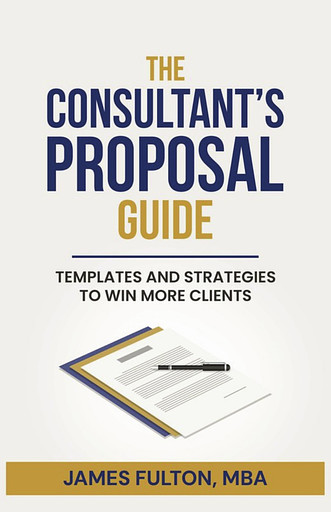
The Consultant’s Proposal Guide
Templates and Strategies to Win More Clients
The Consultant's Proposal Guide - Templates and Strategies to Win More Clients is an essential resource for consultants looking to enhance their proposal writing skills and secure more clients. This comprehensive guide offers readers a wealth of practical tools, including customizable templates and strategies that can be tailored to specific consulting projects.
The book emphasizes the importance of understanding client needs and positioning proposals to meet those demands effectively. Readers will learn how to create compelling narratives that showcase their expertise while highlighting the unique value they bring to potential clients. The guide includes detailed instructions on structuring proposals, writing persuasive content, and incorporating data and case studies to strengthen arguments.
In addition to templates, the guide provides actionable strategies for identifying target markets, gathering information, and conducting competitor analysis. Consultants will gain insights into the psychology of decision-making, helping them craft proposals that resonate with clients on both logical and emotional levels.
The Consultant's Proposal Guide also covers best practices for follow-ups and refining proposals based on client feedback. With real-world examples and case studies, the book illustrates successful proposals and the lessons learned from them. By following the steps outlined in this guide, consultants can streamline their proposal process, improve their win rates, and build lasting client relationships.
Whether a seasoned professional or new to consulting, this book serves as a valuable resource, equipping readers with the skills and confidence needed to make a lasting impression and win more business through effective proposals.

The Grant Proposal Blueprint
Write Winning Grants That Get Funded
The Grant Proposal Blueprint - Write Winning Grants That Get Funded is a comprehensive guide designed for individuals and organizations seeking funding through grant proposals. This book provides a step-by-step framework that demystifies the grant writing process, making it accessible for both beginners and seasoned grant writers.
Focused on the essential components of successful proposals, the book covers critical aspects such as identifying funding sources, understanding grant guidelines, and aligning project goals with funder priorities. Readers will learn how to craft compelling narratives that clearly articulate the program's mission, objectives, and expected outcomes, while also addressing the specific requirements of funding agencies.
The guide emphasizes the importance of research and preparation, encouraging writers to thoroughly understand their target funders and tailor their proposals accordingly. It includes practical tips and strategies for developing budgets, creating timelines, and articulating evaluation plans that demonstrate accountability and sustainability.
With real-world examples and case studies, the book illustrates common pitfalls and effective practices in grant writing. It delves into the significance of collaboration and partnership building, highlighting how these relationships can strengthen proposals and increase chances of funding.
Throughout the text, readers are provided with worksheets, checklists, and templates to streamline the writing process and enhance clarity in their proposals. The book also addresses post-submission best practices, including follow-up strategies and how to utilize feedback, whether successful or not, to improve future submissions.
Overall, The Grant Proposal Blueprint serves as a valuable resource for nonprofits, educational institutions, researchers, and anyone looking to secure funding through grants. It equips readers with the skills and knowledge necessary to write persuasive, effective proposals that catch the attention of reviewers and lead to successful funding outcomes.

Turnaround CEO
Lead Through Crisis with Confidence and Clarity
Turnaround CEO - Lead Through Crisis with Confidence and Clarity is a vital resource for leaders facing challenging situations in their organizations. The book provides a roadmap for navigating crises and instilling confidence in teams, focusing on the essential skills and strategies required to lead effectively during turbulent times.
Through real-world examples and case studies, the author highlights the importance of decisive leadership, effective communication, and strategic foresight. The book outlines key principles such as assessing the current situation, making tough decisions, fostering a strong company culture, and leveraging team strengths. It emphasizes the importance of building trust and maintaining transparency with stakeholders while guiding a company towards recovery and success.
The author shares practical tools and frameworks designed to help leaders analyze problems, develop action plans, and implement solutions. Readers will learn how to align their vision with operational realities, motivate employees, and ensure sustainable growth post-crisis.
Turnaround CEO is not just about overcoming immediate challenges; it also delves into long-term strategies for resilience and adaptability. The insights offered empower leaders to emerge stronger from crises, transforming obstacles into opportunities for innovation and improvement. This book is an essential guide for executives, managers, and aspiring leaders committed to steering their organizations through adversity with confidence and clarity.
Data Analytics for Informed Business Decisions
Data Analytics for Informed Business Decisions is a comprehensive guide that explores the vital role of data analytics in modern business environments. It emphasizes the significance of utilizing data-driven insights to make strategic decisions that enhance efficiency and profitability. The book begins by introducing the fundamental concepts of data analytics, providing readers with a solid foundation in key terms, processes, and tools used in the field.
As the narrative progresses, the book delves into various data types and sources, highlighting the importance of data quality and integrity. Readers learn how to collect, process, and analyze data effectively, gaining practical skills in statistical techniques and analytical methodologies. Case studies and real-world examples illustrate how successful organizations leverage data analytics to solve complex business problems and optimize operations.
The book also covers essential topics such as data visualization, allowing readers to present their findings in a compelling and accessible manner. It discusses various visualization tools and techniques that aid in communicating data insights to stakeholders effectively. This focus on storytelling with data underscores the importance of conveying analytical findings in a way that drives informed decision-making.
Moreover, the book addresses the ethical considerations surrounding data analytics, emphasizing the need for responsible data usage and privacy considerations. It encourages readers to consider the ethical implications of their analytical practices while advocating for transparency in data collection and analysis.
The latter sections of the book explore advanced analytics techniques, including predictive analytics and machine learning, showcasing how these approaches can be integrated into business strategies. Readers are introduced to various algorithms and models that enable businesses to forecast trends, anticipate customer behavior, and drive innovation.
Throughout the book, practical insights and actionable recommendations empower readers to implement data analytics in their organizations. By incorporating tools and practices discussed, businesses can foster a data-driven culture that enhances decision-making at all levels. The book serves as an essential resource for business leaders, managers, and analysts looking to harness the power of data analytics to drive growth and sustain competitive advantage in an increasingly data-centric landscape.
With a blend of theoretical knowledge and practical application, Data Analytics for Informed Business Decisions equips readers with the skills and understanding needed to navigate the complexities of data-driven decision-making, ultimately leading to improved organizational outcomes and success.

Data Backup and Recovery Solutions for Businesses
Data Backup and Recovery Solutions for Businesses is a comprehensive guide that addresses the critical need for effective data management in today's digital landscape. As businesses increasingly depend on technology for operations, the risk of data loss due to unforeseen events such as hardware failures, cyberattacks, or natural disasters has never been higher. This book outlines various strategies and technologies essential for safeguarding vital business information.
The book begins with an exploration of the fundamental concepts of data backup and recovery, emphasizing the importance of proactive measures. It discusses different types of data backup methods, including full, incremental, differential, and mirror backups, helping businesses choose the right approach suited to their needs. Readers will learn how to assess their data to determine what needs backing up and how often.
Additionally, the book delves into various backup solutions available, from traditional on-premise systems to modern cloud-based services, and the pros and cons of each. It emphasizes the significance of redundancy and the need for a multi-layered approach to backups, including offsite storage and real-time replication to ensure data integrity and availability.
The author shares case studies and real-world examples to illustrate common pitfalls and success stories in data recovery, equipping businesses with the knowledge to implement effective plans. The importance of regularly testing backup systems is highlighted, along with best practices for ensuring that data can be restored quickly and efficiently when needed.
Another key focus of the book is the role of compliance and regulatory standards in data management. Businesses must stay informed about the legal requirements surrounding data protection and how to design their backup and recovery strategies to align with these laws.
In the later chapters, the book explores emerging technologies, such as artificial intelligence and machine learning, that can enhance data backup and recovery processes. The future of data protection is examined, encouraging businesses to stay ahead of evolving threats and ensure their data remains secure.
With practical tips, expert advice, and actionable strategies, this book serves as an essential resource for business owners, IT professionals, and anyone involved in data management. It empowers readers to take control of their data security, reduce downtime, and ensure resilience in the face of challenges, ultimately safeguarding their business's future.

Database Management for Efficient Operations
Database Management for Efficient Operations offers a comprehensive guide to understanding and implementing effective database management systems. This book addresses the critical components of database design, maintenance, and optimization, providing readers with the tools necessary to enhance operational efficiency within organizations.
The text begins with foundational concepts, exploring various database models and architectures, such as relational, NoSQL, and cloud-based systems. It emphasizes the importance of choosing the correct model based on organizational needs, scalability requirements, and data types. Readers learn about database normalization, indexing, and the significance of data integrity in ensuring reliable operations.
The book dives into practical techniques for database implementation, detailing the steps necessary to migrate existing data, manage data entry processes, and establish robust security measures. Attention is given to user access controls and encryption methods that protect sensitive information while maintaining user accessibility.
Throughout the chapters, the emphasis is on performance tuning and optimization strategies. Readers are introduced to query optimization techniques, understanding execution plans, and identifying performance bottlenecks. The book provides case studies that illustrate real-world scenarios where these strategies have transformed organizational data handling and processing efficiency.
Additionally, the text covers backup and recovery options, highlighting best practices for preventing data loss and ensuring business continuity. The importance of regular audits and monitoring practices is also discussed, providing insight into maintaining database health over time.
The final sections of the book focus on emerging trends in database management, including artificial intelligence, machine learning, and big data analytics. Readers gain an understanding of how these technologies can be integrated into existing systems to enhance data-driven decision-making and operational agility.
Overall, Database Management for Efficient Operations serves as an essential resource for database administrators, IT professionals, and business leaders seeking to optimize their organization's data management practices. With clear explanations and practical guidance, the book equips readers with the knowledge required to leverage databases effectively in a fast-paced, data-driven environment.

Debt Collection Strategies for Small Businesses
Debt Collection Strategies for Small Businesses offers practical guidance for entrepreneurs and small business owners facing the challenges of overdue payments and unpaid invoices. The book emphasizes the importance of cash flow and how effective debt collection is crucial for maintaining a healthy business.
Readers will learn about various strategies tailored specifically for small businesses, focusing on both preventive measures and active collection techniques. The text underscores the significance of establishing clear credit policies and payment terms upfront to mitigate potential issues.
Moreover, the book covers communication practices that enhance client relationships while facilitating debt recovery. It details how to approach customers regarding overdue payments, including tone, timing, and methods of communication.
In addition to direct collection methods, the book also explores alternative strategies such as negotiating payment plans and incentivizing early payments. It reviews the legal aspects of debt collection, helping small businesses understand their rights and obligations, ensuring compliance with relevant laws to avoid potential pitfalls.
Case studies and real-world examples illustrate the effectiveness of different approaches, providing readers with insights into what has worked for others in similar situations. Overall, Debt Collection Strategies for Small Businesses serves as an essential resource for managing receivables, fostering better customer relationships, and ultimately improving financial stability.

Digital Marketing Success for Small Businesses
Digital Marketing Success for Small Businesses is an essential guide tailored for entrepreneurs and small business owners seeking to navigate the complex world of online marketing. This book offers practical strategies and actionable tips to help small businesses establish a strong online presence, reach their target audience, and drive sales.
Inside, readers will find comprehensive insights into various digital marketing channels, including social media, email marketing, content creation, search engine optimization (SEO), and pay-per-click advertising. The author breaks down each component, explaining the importance of having a cohesive digital marketing strategy and how to implement it effectively.
The book emphasizes the significance of understanding customer behavior and using data analytics to refine marketing efforts. Readers will learn how to create compelling content that resonates with their audience, leverage social media platforms to build brand awareness, and engage customers through targeted email campaigns.
Additionally, it covers how to optimize websites for search engines, ensuring they attract organic traffic and convert visitors into loyal customers. With practical examples and case studies, small business owners can see how successful digital marketing strategies have been applied in real-world scenarios.
Throughout the book, the focus remains on budget-friendly tactics that yield maximum results, making it accessible for businesses of all sizes. Readers will finish with a solid foundation in digital marketing, equipping them with the tools needed to thrive in an increasingly competitive marketplace.
Digital Marketing Success for Small Businesses is both an invaluable resource for beginners and a reference guide for those looking to refine their existing strategies. The actionable insights and straightforward advice will empower readers to take their marketing efforts to the next level and achieve sustainable growth.

Direct Mail Marketing A Guide for Small Companies
Direct Mail Marketing: A Guide for Small Companies is an essential resource for small business owners looking to harness the power of direct mail to grow their customer base and increase sales. The book delves into the fundamentals of direct mail marketing, offering practical strategies and actionable insights tailored specifically for small companies.
The guide begins by exploring the basics of direct mail, including its advantages over other marketing channels. It explains how to identify target audiences and create compelling offers that resonate with potential customers. The authors emphasize the importance of crafting eye-catching designs and persuasive copy that captures attention and drives action.
Throughout the book, readers learn about the various types of direct mail pieces, from postcards to catalogs, and how to choose the right format for their objectives. The guide provides tips on segmenting mailing lists, optimizing response rates, and measuring the success of direct mail campaigns. Additionally, it discusses the integration of direct mail with digital marketing strategies to maximize reach and effectiveness.
The book also covers best practices for budgeting and cost management, making it accessible for small companies with limited marketing resources. It includes case studies and real-life examples that illustrate successful direct mail campaigns, providing inspiration and guidance for readers to implement their own marketing initiatives.
With a focus on creativity and innovation, Direct Mail Marketing: A Guide for Small Companies equips entrepreneurs with the tools they need to effectively engage their target audiences and achieve measurable results. Whether a business is new to direct mail or looking to refine existing strategies, this guide offers valuable insights to drive successful marketing efforts.

Document Management Solutions
Document Management Solutions is a comprehensive guide that explores the essential components and strategies for effectively organizing, storing, and retrieving documents in both digital and physical formats. The book delves into the growing need for efficient document management systems in an increasingly paperless world, highlighting the challenges organizations face in managing their information assets.
The author explains various document management practices, including capturing, classifying, indexing, and securing documents. It covers the importance of establishing a structured workflow to streamline document handling processes, reduce redundancy, and increase productivity across teams. By emphasizing the best practices in document management, the book demonstrates how proper organization can enhance collaboration, improve compliance, and minimize risks associated with data loss and mismanagement.
The book also examines the different types of document management solutions available, such as cloud-based systems, on-premise software, and hybrid models. It provides criteria for selecting the right solution based on an organization’s specific needs, budget, and IT infrastructure. Readers will gain insights into the latest trends in document management technology, including automation, artificial intelligence, and machine learning, and how these innovations can transform document handling and decision-making processes.
Real-world case studies are included to illustrate the successful implementation of document management solutions in various industries. These examples provide valuable lessons on overcoming common obstacles and adapting to changing business requirements. The book concludes with a forward-looking perspective on the future of document management, emphasizing the ongoing evolution of technology and the necessity for organizations to continuously adapt their strategies.
Overall, Document Management Solutions serves as a vital resource for professionals seeking to enhance their organization’s document handling capabilities, offering practical advice and strategic insights to foster efficiency, security, and compliance in document management.

E-commerce Solutions for Retailers
E-commerce Solutions for Retailers is a comprehensive guide that explores the essential tools and strategies for launching and optimizing online retail businesses. This book covers a wide range of topics crucial for retailers looking to enhance their e-commerce presence. It begins with an in-depth analysis of the evolving digital marketplace, emphasizing the importance of understanding consumer behavior and market trends.
The text delves into various e-commerce platforms, comparing popular options to help readers choose the one that best fits their needs. It addresses key components of a successful online store, including website design, user experience, and mobile optimization. The authors stress the significance of a robust back-end infrastructure, including payment processing, inventory management, and security protocols.
Marketing strategies take center stage as the book examines different channels such as search engine optimization, pay-per-click advertising, and social media marketing. It provides actionable insights on how to effectively reach and engage target audiences, leveraging analytics to measure performance and refine marketing efforts.
Additionally, the book covers customer service and retention strategies, emphasizing the role of personalized communication and loyalty programs in building lasting relationships with customers. It highlights case studies from successful retailers, offering real-world examples of best practices and innovative solutions.
Logistics and fulfillment are also addressed, outlining efficient supply chain management and shipping options that can enhance customer satisfaction. The authors provide guidance on scaling operations, ensuring that as businesses grow, they can maintain service quality and efficiency.
E-commerce Solutions for Retailers is designed for both novices and seasoned professionals, offering valuable insights that cater to various levels of expertise. The book serves as a vital resource for anyone looking to navigate the complexities of online retail and achieve sustained success in the competitive e-commerce landscape.

Effective Advertising Strategies for Small Businesses
Effective Advertising Strategies for Small Businesses is a comprehensive guide designed to help small business owners navigate the complex world of advertising. This book covers a wide range of topics, empowering entrepreneurs with the knowledge and tools needed to create impactful advertising campaigns that resonate with their target audience.
The book begins by exploring the fundamentals of advertising, emphasizing the importance of understanding your target market. It highlights techniques for conducting market research to identify customer needs, preferences, and pain points. By understanding their audience, small business owners can tailor their advertising messages to effectively communicate value propositions.
Next, the book delves into different advertising channels, both traditional and digital. It provides insights into print media, television, and radio advertising while also exploring the rapidly evolving digital landscape, including social media, search engine marketing, and email marketing. The text emphasizes the importance of an integrated approach, encouraging businesses to use a combination of channels for maximum reach and effectiveness.
Additionally, the book discusses budgeting and resource allocation for advertising campaigns. It provides practical tips for small businesses to create cost-effective advertising strategies that maximize their return on investment. Readers will learn how to set realistic advertising budgets, measure campaign performance, and adjust strategies based on results.
Creative strategies and techniques play a significant role in effective advertising. The book offers guidance on crafting compelling ad copy, designing eye-catching visuals, and developing engaging content that captures attention. It also addresses the importance of storytelling in advertising, helping small businesses connect with consumers on an emotional level.
Moreover, the book emphasizes the significance of building brand awareness and loyalty. It covers methods for creating a strong brand identity and maintaining consistency across all advertising efforts. Small business owners will learn how to leverage customer testimonials and reviews to enhance their credibility.
The impact of customer engagement and feedback is also explored. The book encourages businesses to interact with their audience through social media and other platforms, fostering a sense of community and trust. It highlights the importance of listening to customers and adapting advertising strategies based on their feedback.
Effective Advertising Strategies for Small Businesses is packed with real-world examples, case studies, and actionable advice. Each chapter culminates in practical exercises and checklists to help entrepreneurs implement what they’ve learned. By following the guidance provided in this book, small business owners can develop effective advertising strategies that drive growth, increase visibility, and lead to lasting success.
Effective Call Center Services for Customer Satisfaction
Effective Call Center Services for Customer Satisfaction is a comprehensive guide aimed at optimizing call center operations to enhance customer experiences. The book delves into essential strategies and best practices for creating a customer-centric call center environment.
It begins by outlining the fundamental principles of effective communication and the importance of active listening in resolving customer issues. The authors emphasize the need for well-trained staff who not only possess technical skills but also empathize with customers, ensuring their needs are understood and met.
The book tackles the various metrics and key performance indicators necessary for measuring call center success. It highlights the importance of data analysis in understanding customer behavior and preferences, allowing organizations to tailor their services accordingly.
Additionally, the text covers the technologies that can streamline call center operations, such as automated systems, customer relationship management software, and analytics tools. It also discusses the role of multichannel support, ensuring that customers can connect via phone, email, chat, or social media seamlessly.
A significant focus is placed on handling difficult situations and turning complaints into positive outcomes. The authors provide insights on conflict resolution and how to turn negative experiences into opportunities for loyalty and satisfaction.
The book concludes with a forward-looking perspective on emerging trends in call center services, encouraging organizations to adapt to changing consumer behaviors and technological advancements. Overall, it serves as a valuable resource for both call center managers and staff seeking to enhance customer satisfaction through effective service delivery.

Effective Content Marketing for Small Businesses
Effective Content Marketing for Small Businesses is a practical guide designed to help small business owners harness the power of content marketing to drive growth and engage their target audience. The book explores the fundamentals of content marketing, highlighting its importance in today's digital landscape where consumers increasingly seek valuable and informative content.
The author breaks down the content marketing process into manageable steps. Readers will learn how to identify their target audience, understand their needs, and create compelling content that resonates with them. The book emphasizes the significance of storytelling and how to craft narratives that connect emotionally with customers, fostering brand loyalty and trust.
Digital marketing strategies are extensively covered, including the use of social media platforms, blogs, and email marketing. Readers will discover how to develop a content calendar that ensures consistent publishing and how to optimize content for search engines to increase visibility. The guide also delves into analytics, teaching small businesses how to measure the effectiveness of their content marketing efforts and refine their strategies based on data-driven insights.
Practical tips, real-world examples, and case studies from successful small businesses are included to illustrate best practices and inspire readers. The book encourages a hands-on approach, inviting readers to brainstorm ideas, set goals, and implement strategies immediately.
Ultimately, Effective Content Marketing for Small Businesses aims to empower readers with the knowledge and tools needed to create a robust content marketing strategy that not only attracts and engages customers but also drives sales and grows their business sustainably. Whether a small business owner is new to content marketing or looking to enhance their current efforts, this book serves as an essential resource for navigating the complexities of digital marketing in an accessible and actionable manner.

Effective Email Campaign Management for Businesses
Effective Email Campaign Management for Businesses is a comprehensive guide designed to help organizations maximize their email marketing efforts. This book delves into the fundamentals of email campaign strategy, from crafting compelling messages to understanding audience segmentation. Readers will learn how to create targeted campaigns that resonate with specific demographics, ensuring that emails not only reach inboxes but also encourage engagement.
The book outlines best practices for building and maintaining a subscriber list, emphasizing the importance of compliance with regulations such as GDPR and CAN-SPAM. It provides practical tips for growing this list through various methods, including opt-in forms and lead magnets, while also highlighting the significance of data privacy and security.
Effective Email Campaign Management explores the various tools and software available for email marketing, equipping readers with knowledge on selecting the right platform for their needs. It includes detailed guidance on designing eye-catching templates and optimizing content for mobile devices, catering to the increasing number of users accessing emails on smartphones.
Additionally, the book covers the critical aspects of tracking and analyzing campaign performance. Readers will gain insights into key performance indicators (KPIs) such as open rates, click-through rates, and conversion rates, enabling them to measure success accurately. The importance of A/B testing is also emphasized, helping businesses refine their strategies for better results.
With real-world case studies and examples, Effective Email Campaign Management for Businesses illustrates the impact of successful email campaigns across different industries. The book serves as a valuable resource for marketers, business owners, and anyone interested in harnessing the power of email to drive customer engagement and business growth.
Overall, this guide empowers readers with the skills and knowledge necessary to create, manage, and optimize effective email campaigns, ultimately fostering stronger relationships with customers and enhancing brand loyalty.
Electrical Services for Business Operations
Electrical Services for Business Operations is a comprehensive guide designed for professionals seeking to understand the critical role of electrical systems in business environments. The book covers essential concepts, practical applications, and regulatory frameworks that govern electrical services in commercial settings.
It begins by exploring the fundamentals of electricity, including voltage, current, and power, before delving into the various electrical systems commonly found in businesses, such as lighting, power distribution, and backup systems. The text provides detailed information on electrical design considerations, maintenance practices, and the integration of renewable energy sources.
The book emphasizes the importance of safety and compliance with industry standards, offering insights into best practices for ensuring that electrical systems operate efficiently and safely. Readers will find practical case studies that illustrate how effective electrical management can enhance operational efficiency, reduce energy costs, and improve overall business performance.
Additionally, the book addresses emerging trends and technologies in the electrical field, including smart grids, energy management systems, and the impact of electric vehicles on commercial infrastructure. Resources for further learning, including industry associations and regulatory bodies, are also provided to assist readers in staying informed about developments in electrical services.
Overall, Electrical Services for Business Operations serves as an essential resource for facility managers, business owners, and electrical engineers looking to optimize their electrical systems, enhance sustainability, and drive operational success.
Email Marketing That Converts A Business Guide
Email Marketing That Converts A Business Guide offers a comprehensive roadmap for businesses aiming to enhance their email marketing strategies. This guide delves into the core principles of effective email marketing, focusing on how to create compelling content that resonates with target audiences.
The book begins by exploring the fundamentals of email marketing, including the importance of building a quality email list. It emphasizes the need for segmenting audiences to send personalized messages, thus increasing engagement and conversion rates. Readers will learn about various tools and techniques for list management, ensuring that they can effectively grow and maintain their subscriber base.
Next, the guide covers the elements of effective email design and copywriting. It provides practical tips for crafting attention-grabbing subject lines, engaging content, and strong calls-to-action. The book highlights the significance of A/B testing, allowing marketers to optimize their campaigns based on real data.
In addition to content creation, Email Marketing That Converts addresses the technical aspects of email marketing, such as understanding deliverability rates and compliance with regulations like GDPR. It emphasizes the importance of mobile optimization and how to ensure that emails look great on any device.
Throughout the guide, real-world examples illustrate successful email marketing campaigns, providing valuable insights into what works and what doesn’t. The book also discusses integrating email marketing with other digital marketing strategies, showcasing how a holistic approach can lead to greater success.
The concluding sections focus on analyzing and measuring the effectiveness of email campaigns. It discusses key performance indicators (KPIs) and provides frameworks for assessing ROI, enabling businesses to refine their strategies continually.
Overall, Email Marketing That Converts A Business Guide equips readers with the knowledge and tools necessary to execute successful email marketing campaigns that drive results and foster customer loyalty.
Employee Training Solutions for Better Productivity
Employee Training Solutions for Better Productivity is a practical guide designed to enhance workplace efficiency through effective training strategies. The book focuses on the critical connection between well-structured employee training programs and improved productivity levels within organizations. It outlines various methodologies and approaches to identify training needs, engage employees, and develop skill sets that align with company goals.
Readers will find insights into creating a culture of continuous learning, utilizing technology for training delivery, and measuring the impact of training initiatives. The book emphasizes the importance of tailoring training solutions to meet diverse employee needs and fostering an inclusive learning environment that encourages participation and growth.
Through real-world examples and case studies, the author illustrates how successful training implementation can lead to increased employee satisfaction, retention, and overall organizational performance. The text also covers various training modalities, including e-learning, workshops, coaching, and on-the-job training, providing a comprehensive toolkit for HR professionals and managers.
Additionally, the book tackles common challenges in employee training, such as resistance to change and budget constraints, offering practical solutions and best practices to overcome these obstacles. It highlights the role of leadership in supporting training initiatives and ensuring they align with strategic objectives.
With actionable strategies, research-backed insights, and a focus on aligning training with business outcomes, this book serves as an essential resource for organizations looking to invest in their workforce and cultivate a more productive work environment.

Engineering Solutions for Small Companies
Engineering Solutions for Small Companies offers practical guidance and innovative approaches for small businesses aiming to enhance their operations through engineering principles. The book covers essential topics such as process optimization, product design, and efficiency improvements tailored specifically for smaller enterprises. Readers will explore case studies showcasing successful implementations of engineering solutions in various industries, highlighting the impact of such strategies on growth and sustainability.
The text emphasizes the importance of embracing technology and encourages small companies to leverage innovative engineering practices. It discusses cost-effective methods to integrate new processes, tools, and systems without overwhelming limited resources. The book also addresses common challenges faced by small businesses, providing actionable strategies and frameworks to overcome obstacles and foster a culture of continuous improvement.
Comprehensive and accessible, Engineering Solutions for Small Companies serves as a valuable resource for entrepreneurs, managers, and engineers looking to drive their businesses forward. The emphasis on real-world applications ensures that readers can easily relate concepts to their own situations, making it a practical guide for anyone interested in enhancing operational efficiency and fostering innovation in a small company setting.

ERP Solutions for Small Businesses
ERP Solutions for Small Businesses serves as a comprehensive guide for small business owners looking to harness the power of Enterprise Resource Planning (ERP) systems to enhance efficiency and growth. The book demystifies the complexities of ERP implementation and provides practical strategies tailored specifically for small enterprises.
Within its pages, readers will discover the fundamentals of ERP technology and how it integrates various business processes such as finance, inventory, sales, and human resources into a single, cohesive system. The author emphasizes the importance of understanding business needs and objectives before selecting an appropriate ERP solution, highlighting the need for careful planning and consideration.
Through real-world examples and case studies, the book illustrates how small businesses can benefit from ERP solutions by improving data accuracy, streamlining operations, and facilitating better decision-making. The author also addresses common challenges faced during the implementation process and offers actionable tips to mitigate risks and ensure a smooth transition.
Readers will find insights into various ERP software options available in the market, along with guidance on how to evaluate and choose the best fit for their specific business model. Additionally, the book covers the importance of training and change management to get the most out of an ERP system post-implementation.
Ultimately, ERP Solutions for Small Businesses empowers entrepreneurs with the knowledge and tools they need to leverage ERP technology effectively, driving their businesses towards greater efficiency and profitability. Whether you are considering your first ERP system or looking to optimize an existing one, this book is an essential resource for navigating the digital landscape of small business management.

Event Equipment Rentals for Corporate Events
Event Equipment Rentals for Corporate Events is a comprehensive guide designed to help planners and organizers efficiently navigate the world of event equipment rentals for corporate functions. The book provides a detailed overview of various types of rental equipment, including audio-visual gear, staging, lighting, furniture, and décor, tailored specifically for corporate events.
Throughout its chapters, readers will find practical advice on how to assess their specific event needs, budget considerations, and how to choose the right rental companies. The importance of understanding the target audience, venue size, and event type—such as conferences, trade shows, and networking events—is highlighted to ensure that equipment selections enhance the overall experience.
The book emphasizes the significance of logistical planning and timelines when coordinating the delivery and setup of rental equipment. It offers tips on creating effective layouts, ensuring accessibility, and maximizing engagement through various setups. Additionally, risk management considerations, such as insurance and equipment safety, are addressed to help organizers feel confident in their choices.
Readers will benefit from real-world case studies that showcase successful corporate events and the role equipment rentals played in their success. The book also includes checklists, planning templates, and a glossary of industry terms to aid in the planning process.
By the end of the guide, corporate event planners will be equipped with the knowledge to make informed decisions, streamline their planning processes, and ultimately create successful and memorable corporate events that meet organizational objectives and leave a lasting impression on attendees.
Executive Coaching for Small Business Leaders
Executive Coaching for Small Business Leaders is a practical guide tailored for entrepreneurs and small business owners seeking to enhance their leadership skills and drive business growth. The book emphasizes the unique challenges faced by small business leaders, offering insights into effective coaching techniques specifically designed for this demographic.
Through a blend of theory and real-world application, the author explores key concepts such as self-awareness, emotional intelligence, and strategic thinking. Readers will learn how to set clear goals, improve decision-making, and foster a positive organizational culture. The book provides actionable frameworks to help leaders navigate complex business environments, manage teams effectively, and create a vision for sustainable success.
The author shares numerous case studies and personal anecdotes that illustrate the impact of executive coaching on small businesses. Practical exercises and reflection prompts encourage leaders to apply the principles presented, ensuring a hands-on approach to personal and professional development. By focusing on the intricacies of small business dynamics, the book equips leaders with the tools necessary to adapt to change, inspire their teams, and achieve competitive advantage.
Ultimately, Executive Coaching for Small Business Leaders serves as a valuable resource for those looking to elevate their leadership capabilities and cultivate a thriving business. With a focus on growth, resilience, and innovation, this book empowers small business leaders to unlock their full potential and drive their organizations forward.

Exhibit Design and Setup for Corporate Events
Exhibit Design and Setup for Corporate Events is a comprehensive guide that explores the essential elements of creating impactful exhibits for corporate functions. This book delves into the strategic planning required for successful exhibits, including understanding client goals, audience engagement, and effective messaging. It emphasizes the importance of aligning design with the brand's identity while ensuring that the layout facilitates interaction and flow.
The book covers various types of exhibits, from trade shows to internal corporate events, and discusses the unique considerations for each setting. Practical advice on selecting materials, incorporating technology, and utilizing lighting effectively is provided to enhance the overall aesthetic and functionality of the exhibit.
Readers will find insights into project management, including budgeting, timelines, and logistics, essential for executing a seamless exhibit. The text also highlights the significance of collaborating with vendors and staff to ensure that every aspect of the exhibit contributes to a cohesive presentation.
Additionally, the book features case studies and real-world examples that illustrate successful exhibit designs and setups, showcasing innovative ideas and best practices. It encourages a proactive approach to problem-solving and adaptability in response to unforeseen challenges during the setup process.
Ultimately, Exhibit Design and Setup for Corporate Events serves as an invaluable resource for event planners, marketers, and corporate professionals looking to elevate their exhibit design and execution. It equips readers with the knowledge and tools necessary to create memorable experiences that resonate with attendees and achieve organizational objectives.

Facility Management Guide for Small Businesses,
The Facility Management Guide for Small Businesses is a comprehensive resource designed to help small business owners effectively manage their facilities. This guide covers essential topics that are crucial for maintaining a safe, efficient, and productive work environment.
It begins with an overview of facility management concepts and the importance of maintaining a well-organized space. The guide outlines steps for assessing current facility conditions, including conducting audits and identifying areas for improvement.
Key aspects of facility management are explored, including space planning, maintenance, and safety regulations. The guide provides practical strategies for optimizing workspace utilization while enhancing employee satisfaction. It emphasizes the significance of preventive maintenance and offers a checklist for routine inspections and repairs to ensure all systems are functioning properly.
The book also addresses budgeting and resource allocation, helping small business owners understand how to effectively manage costs associated with facility operations. Tips on selecting vendors, negotiating contracts, and managing service providers are included to streamline the procurement process.
Safety and compliance are critical components covered in the guide. It outlines relevant laws and regulations that must be adhered to, as well as strategies for creating a safety culture within the organization. The guide emphasizes the importance of emergency preparedness and offers insights on developing an emergency response plan.
Sustainability in facility management is also discussed, with practical advice on implementing eco-friendly practices that reduce waste and energy consumption. The guide encourages small businesses to consider environmentally responsible options, which can lead to cost savings and improved public image.
The Facility Management Guide for Small Businesses serves as a practical handbook, offering actionable insights and tools to help small business owners maintain their facilities efficiently, enhancing overall operational effectiveness and employee morale.

Financial Analysis and Modeling for Business Success
Financial Analysis and Modeling for Business Success provides a comprehensive guide to understanding and applying financial analysis and modeling techniques essential for making informed business decisions. The book is designed for finance professionals, business managers, and students who wish to enhance their financial acumen and practical skills in the realm of business finance.
The book starts by laying a solid foundation in financial analysis principles, covering key concepts such as financial statements, cash flow analysis, and performance metrics. Readers learn how to interpret financial data and evaluate a company’s financial health through practical examples and case studies.
As the chapters progress, the focus shifts to financial modeling, where the authors introduce various modeling techniques and tools. The book covers Excel-based financial modeling, guiding readers step-by-step on how to create dynamic models that can forecast financial performance and aid in strategic planning. It emphasizes the importance of building accurate and flexible models that can adapt to changing business conditions.
Key topics include valuation methods, scenario analysis, sensitivity analysis, and risk assessment. The authors provide insights into designing models that facilitate decision-making, budgeting, and investment analysis. Real-world case studies are presented to illustrate how financial modeling can be applied to solve complex business challenges.
Additionally, the book explores the role of technology in financial analysis, discussing the latest software and tools that enhance modeling efficiency. Readers gain an understanding of the integration of financial analysis with other business functions, ensuring a holistic approach to business strategy.
Throughout the text, practical exercises and tips are provided to reinforce learning and improve proficiency in financial analysis and modeling. The book encourages readers to develop critical thinking skills and apply theoretical knowledge to practical scenarios, making it an invaluable resource for those aiming to achieve business success through financial expertise.
Overall, Financial Analysis and Modeling for Business Success serves as a crucial resource for anyone seeking to improve their financial analysis capabilities and apply modeling to drive business growth and strategic decision-making.

Fleet Management Simplified for Companies
Fleet Management Simplified for Companies provides a comprehensive guide to streamlining and optimizing vehicle fleets in a business setting. The book addresses the critical aspects of fleet management, including acquisition, maintenance, operations, and disposal of vehicles. It emphasizes the importance of efficiency and cost-effectiveness in managing a fleet while ensuring safety and compliance with regulations.
The text outlines effective strategies for selecting the right vehicles based on a company’s specific needs and operational requirements. It discusses the significance of implementing technology solutions, such as fleet management software and telematics, to monitor vehicle performance, track fuel consumption, and analyze data for informed decision-making.
Maintenance practices are thoroughly explored, highlighting preventative measures that prolong the life of vehicles and reduce downtime. The book offers insights into establishing a routine maintenance schedule, training staff, and utilizing professional services when necessary.
In addition to vehicle management, the book delves into driver management, offering techniques for training and supporting drivers to enhance safety and performance. It discusses the role of driver behavior in fleet efficiency and the importance of fostering a culture of responsibility and safety within the driving team.
The book also examines the financial aspects of fleet management, including budgeting for vehicle purchase, maintenance costs, and fuel expenditures. It highlights methods for tracking costs and finding opportunities for savings, ultimately helping companies to maximize their fleet investment.
Lastly, it addresses the environmental impact of fleet operations and provides strategies for incorporating sustainable practices, such as adopting greener vehicles and optimizing routes to reduce emissions. The integration of sustainability into fleet management is increasingly relevant and can positively influence a company’s reputation and bottom line.
Fleet Management Simplified for Companies serves as a practical resource for fleet managers, business owners, and decision-makers seeking to enhance their fleet operations. With actionable insights, real-world examples, and clear guidance, the book is designed to empower organizations to improve efficiency, reduce costs, and achieve their fleet management goals.
Franchise Development Guide
The Franchise Development Guide is a comprehensive resource designed for aspiring franchisors and existing franchise businesses seeking to expand. This guide demystifies the intricate process of developing a successful franchise system, focusing on key areas such as brand development, legal compliance, and operational efficiency.
The book begins by outlining the essential components of franchise development, including defining the franchisor's vision and value proposition. It explores how to create a strong brand identity that resonates with potential franchisees and customers alike. The guide emphasizes the importance of a well-structured franchise business model, offering insights into financial planning, royalty structures, and support systems that can attract and retain franchise partners.
Legal considerations are addressed in detail, highlighting the necessary documentation, such as Franchise Disclosure Documents (FDD) and franchise agreements. Readers will learn how to navigate the legal landscape to ensure compliance with federal and state regulations, which is crucial for building a reputable franchise.
Operational strategies form another key focus, with practical advice on training programs, marketing support, and ongoing franchisee assistance. The guide discusses how to develop effective training modules that equip franchisees with the skills needed for success, as well as marketing strategies that can enhance brand visibility and market penetration.
Additionally, the book touches on the importance of selecting the right franchisees, detailing the evaluation process to find candidates that align with the franchise’s values and goals. It provides tools for assessing franchisee qualifications and fostering strong relationships that contribute to overall franchise success.
The Franchise Development Guide is filled with case studies and real-world examples, illustrating best practices and common challenges faced during the franchise development journey. With actionable strategies and expert insights, this guide serves as an invaluable tool for anyone looking to embark on or enhance their franchising efforts, ensuring a well-rounded understanding of both the opportunities and responsibilities that come with franchise development.

Government Contract Consulting for Small Businesses
Government Contract Consulting for Small Businesses is a comprehensive guide designed to assist small business owners in navigating the complex world of government contracts. This book demystifies the procurement process by breaking down the intricacies of federal contracts, grants, and special programs tailored to small businesses. It offers practical insights into identifying potential opportunities, understanding the requirements for bidding, and developing effective proposals that stand out in competitive environments.
The author introduces fundamental concepts such as the various government contracting vehicles, including small business set-asides, and provides detailed information on registration processes. Readers will learn how to leverage government resources and support systems, such as the Small Business Administration, to enhance their chances of success.
In addition to the technical aspects of contracting, the book emphasizes the importance of relationship building with government agencies and prime contractors. It provides strategies for networking and establishing connections that can lead to valuable partnerships. The author also addresses common pitfalls and challenges faced by small businesses in government contracting and offers solutions to overcome these obstacles.
Real-life case studies and success stories from other small business owners enrich the narrative, offering inspiration and practical examples of effective government contracting strategies in action. This book is a practical tool that empowers small business owners with the knowledge and resources needed to succeed in the competitive landscape of government contracting. Whether you are just starting or looking to expand your existing government contract portfolio, this guide delivers essential information and actionable steps to help you thrive in the government market.
With its clear language and step-by-step approach, Government Contract Consulting for Small Businesses makes the daunting world of government contracts accessible and manageable for small business owners ready to explore new growth opportunities.

Graphic Design Services Making Your Brand Stand Out
Graphic Design Services Making Your Brand Stand Out is a comprehensive guide designed to help businesses elevate their brand presence through powerful visual communication. This book covers the essential principles of graphic design, offering strategies and insights that can enhance any company's visual identity.
Readers will learn about the importance of cohesive branding and how design elements—such as logos, color schemes, typography, and imagery—play a crucial role in conveying a brand’s message and values. The book delves into the creative process, providing practical tips for collaborating with designers and effectively communicating goals and expectations.
In addition to foundational concepts, the book explores current design trends and technologies that can give brands an edge in a competitive landscape. From digital marketing to print materials, the text emphasizes the need for a versatile approach to design that adapts to various platforms and audiences.
The author shares case studies and real-world examples that illustrate the impact of effective design on brand recognition and customer engagement. Readers will find valuable insights on measuring the success of design initiatives, ensuring that investments in graphic design translate into tangible results.
This book serves not only as an instructional manual for business owners and marketers but also as a source of inspiration for those involved in the creative process. By understanding the significance of graphic design, readers will be empowered to make informed decisions that help their brand stand out in a crowded marketplace. Through useful resources, exercises, and expert advice, this book is a must-read for anyone looking to enhance their brand through the power of design.

Handyman Services for Office Maintenance
Handyman Services for Office Maintenance is a comprehensive guide designed for facility managers, business owners, and maintenance personnel seeking practical solutions for managing office upkeep. This book delivers valuable insights into essential handyman services that contribute to a well-functioning workspace.
The book covers a range of topics, starting with basic repairs and maintenance tasks such as plumbing, electrical work, and carpentry. It emphasizes the importance of regular maintenance to prevent small issues from escalating into costly repairs. Readers will find step-by-step instructions on how to tackle common problems, including fixing leaky faucets, changing light fixtures, and patching drywall.
In addition to repairs, the book explores facility improvement projects such as organizing storage spaces, creating more efficient layouts, and enhancing workplace aesthetics. It encourages readers to consider the impact of a well-maintained environment on employee productivity and morale.
The guide also addresses the importance of safety and compliance, providing tips on ensuring that maintenance work adheres to local regulations and safety standards. Readers will learn how to identify potential hazards and create a safer workplace for all employees.
Moreover, the book includes advice on selecting reliable contractors for larger projects, including how to assess qualifications and negotiate contracts. It discusses the benefits of establishing long-term relationships with skilled tradespeople to ensure ongoing support for office maintenance needs.
Overall, Handyman Services for Office Maintenance serves as an invaluable resource for anyone responsible for maintaining an office space. It empowers readers with the knowledge and tools needed to create and sustain a functional, welcoming, and safe work environment.

HVAC Services for Commercial Buildings
HVAC Services for Commercial Buildings is a comprehensive guide focused on the heating, ventilation, and air conditioning systems essential for the efficient operation of commercial structures. The book covers a wide range of topics, providing in-depth knowledge about the design, installation, maintenance, and repair of HVAC systems tailored specifically for commercial environments.
It begins with an exploration of the fundamentals of HVAC technologies, explaining core concepts such as thermodynamics, fluid dynamics, and heat transfer principles. The text delves into various types of HVAC systems, including centralized and decentralized systems, and discusses their applications in different commercial settings, such as offices, retail spaces, and industrial facilities.
The book also emphasizes the importance of energy efficiency and sustainability, highlighting modern practices like the use of smart thermostats, energy recovery ventilators, and the integration of renewable energy sources. It provides practical strategies for optimizing HVAC performance while minimizing energy consumption and operating costs.
Further, the guide addresses regulatory considerations and compliance with environmental standards, ensuring that HVAC professionals are well-versed in codes, inspections, and reporting requirements. Troubleshooting and diagnostic techniques are also covered, equipping readers with the skills to identify and resolve common issues that arise in commercial HVAC systems.
Additionally, the book includes case studies and real-world examples illustrating successful HVAC implementations, maintenance programs, and innovative solutions in various commercial applications. This practical approach allows readers to understand how theoretical concepts apply to actual industry challenges.
The book is designed for a range of audiences, from HVAC professionals and engineers to facility managers and students in related fields. With its thorough coverage and practical insights, HVAC Services for Commercial Buildings serves as an essential resource for anyone looking to gain a deeper understanding of HVAC systems in commercial settings and improve their operational effectiveness.

Insurance Brokerage for Business Protection
Insurance Brokerage for Business Protection is a comprehensive guide designed to equip business owners and stakeholders with essential knowledge for navigating the complex landscape of insurance. This book explains the role of insurance brokers in safeguarding businesses against various risks and uncertainties. It covers key concepts such as risk assessment, types of insurance coverage, and the process of selecting the right insurance plans tailored to specific business needs.
The book delves into the importance of understanding different insurance products, including property, liability, workers’ compensation, and professional liability insurance. It emphasizes the need for thorough risk analysis to identify potential vulnerabilities in business operations and the significance of proper coverage in mitigating these risks.
Readers will learn about the steps involved in working with insurance brokers, from initial consultations to policy negotiation and claims management. Practical tips are provided on how to evaluate brokers based on their expertise, reputation, and the services they offer. The book also highlights common pitfalls in the insurance selection process and offers strategies for avoiding them.
Furthermore, Insurance Brokerage for Business Protection addresses emerging trends in the insurance industry, such as technology-driven solutions and the impact of regulatory changes. It aims to empower business owners with the confidence to make informed insurance decisions that enhance their overall business resilience.
This guide serves as an invaluable resource for entrepreneurs, managers, and anyone involved in the decision-making process regarding business insurance. It combines theory with practical insights, offering a roadmap for protecting a business's assets, reputation, and future. With its clear, straightforward approach, this book is essential reading for those seeking to navigate the challenges of insurance brokerage effectively.
Inventory Control Consulting for Retail Success,
Inventory Control Consulting for Retail Success is a comprehensive guide designed for retail businesses seeking to optimize their inventory management practices. The book delves into the fundamental principles of inventory control while providing practical strategies that enhance operational efficiency and drive profitability.
It begins by exploring the critical role inventory plays in a retail environment, addressing common challenges such as stock discrepancies, overstocking, and stockouts. Through clear explanations, the author highlights the importance of precise inventory tracking and forecasting, enabling retailers to maintain optimal stock levels that align with consumer demand.
The text outlines various inventory management techniques tailored for different retail contexts, including just-in-time inventory, ABC analysis, and cycle counting. Each method is discussed in detail, with case studies illustrating their successful implementation across diverse retail sectors.
Additionally, the book emphasizes the significance of leveraging technology in inventory management. It introduces various software solutions and tools that can automate processes, improve accuracy, and provide real-time visibility into inventory status. The integration of these technologies is portrayed as crucial for modern retail operations.
Readers will find actionable insights into developing effective inventory policies, setting performance metrics, and conducting regular audits to identify weaknesses in their systems. The book encourages retailers to foster a culture of continuous improvement, enabling them to adapt to changing market conditions and consumer preferences effectively.
The guide also addresses the impact of seasonal fluctuations and promotional activities on inventory levels, offering strategies for planning and forecasting during peak shopping periods. Importantly, it stresses the need for collaboration with suppliers and stakeholders to enhance inventory management across the supply chain.
In conclusion, Inventory Control Consulting for Retail Success serves as an essential resource for retail professionals aiming to refine their inventory management practices. By implementing the strategies and insights presented in the book, retailers can achieve greater financial stability, reduce waste, and ultimately create a more successful business.
Inventory Management Solutions for Retailers
Inventory Management Solutions for Retailers provides a comprehensive guide for retail professionals seeking to optimize their inventory strategies. The book delves into the critical importance of effective inventory management in the retail landscape, discussing various methodologies and technologies that can enhance operational efficiency. With a focus on practical solutions, it addresses common challenges retailers face, such as stockouts, excess inventory, and demand forecasting.
The book covers essential concepts such as inventory turnover, the economic order quantity (EOQ), and just-in-time (JIT) inventory systems. It also explores the role of advanced analytics and data-driven decision-making in improving inventory accuracy and responsiveness to market trends. Retailers will learn how to leverage point-of-sale data, seasonal trends, and customer behavior insights to make informed purchasing decisions.
Key topics include inventory classification methods like ABC analysis, strategies for managing both physical and online inventories, and the integration of inventory management systems with other business functions. The authors provide case studies and real-world examples illustrating successful inventory management practices across various retail formats, from small boutiques to large department stores.
Additionally, the book emphasizes the significance of technology in modern inventory management. Readers are introduced to inventory management software, barcode scanning, and automated replenishment systems that can streamline operations and reduce manual errors.
Inventory Management Solutions for Retailers is an essential resource for retail managers, supply chain professionals, and anyone looking to enhance their understanding of effective inventory practices. The insights and tools offered in this guide will empower retailers to maximize profitability while meeting customer expectations in an ever-evolving market.

Investment Consulting for Corporate Growth
Investment Consulting for Corporate Growth is a comprehensive guide designed for corporate leaders, financial professionals, and investment consultants looking to navigate the complexities of investment strategies to enhance organizational growth. The book delves into key concepts such as asset allocation, risk management, and investment performance evaluation, providing practical frameworks for making informed financial decisions.
Through real-world case studies and expert insights, readers learn how to align investment strategies with corporate objectives, ensuring that capital is effectively deployed to drive growth. The text emphasizes the importance of understanding market dynamics and the role of macroeconomic factors in shaping investment opportunities.
In addition, the book offers a thorough analysis of various investment vehicles, including equities, fixed income, and alternative assets, along with their potential impacts on corporate growth trajectories. It addresses the significance of sustainability and ethical considerations in investment decisions, guiding readers on how to integrate responsible investing into their corporate strategies.
Investment Consulting for Corporate Growth also covers the essential skills and tools needed for effective investment consulting, including financial modeling, performance metrics, and client relationship management. With its blend of theory and practical application, this book serves as an invaluable resource for those seeking to leverage investment consulting as a means to propel corporate growth and enhance shareholder value.

IT Support Essentials for Small Companies
IT Support Essentials for Small Companies is a comprehensive guide designed to help small businesses navigate the often complex world of IT support. This book serves as a practical resource for business owners, IT managers, and staff who need to establish or improve their IT support systems without the need for extensive technical knowledge.
The book outlines key concepts in IT support, including hardware, software, networking, and data management. It emphasizes the importance of having a solid IT infrastructure in place to enhance efficiency, security, and overall business operations. Readers will learn about effective strategies for troubleshooting common IT issues, implementing best practices, and managing software updates.
The guide also covers the vital role of cybersecurity in protecting sensitive company data and how to ensure compliance with relevant regulations. It encourages readers to adopt a proactive approach to IT management by developing a comprehensive IT support plan, training staff, and engaging with reliable service providers when necessary.
In addition to technical guidance, the book includes personal anecdotes and case studies from small business owners who have successfully navigated IT challenges, providing relatable insights and highlighting potential pitfalls to avoid. The included checklists and templates are practical tools that readers can adapt to their specific needs, making the implementation of IT support systems straightforward.
Whether starting from scratch or refining existing IT practices, this book equips readers with the knowledge and skills necessary to build a resilient IT support structure that drives business success. IT Support Essentials for Small Companies is an indispensable resource for anyone looking to ensure their organization has a solid foundation to thrive in a technologically driven landscape.
Janitorial Services for Offices and Workspaces
Janitorial Services for Offices and Workspaces serves as a comprehensive guide for businesses looking to maintain cleanliness and professionalism within their environments. The book outlines essential practices for effective janitorial services, focusing on maintaining a hygienic workspace that promotes productivity and well-being.
It covers a range of topics, starting with the importance of cleanliness in commercial settings. The author discusses how a clean environment can enhance employee morale, reduce absenteeism, and create a positive impression on clients and visitors. Readers will find practical tips for selecting the right janitorial service provider, emphasizing the importance of credentials, experience, and customer reviews.
The book also delves into industry standards and regulations regarding cleaning practices, providing insights on how to stay compliant with health and safety guidelines. Additionally, it discusses eco-friendly cleaning solutions and sustainable practices that can benefit both the environment and the organization.
Key areas covered include floor care, restroom sanitation, and waste management, with detailed procedures and techniques for each task. The author highlights the significance of using the right tools and supplies, offering recommendations for effective cleaning products and equipment.
Incorporating real-life case studies, the book illustrates successful janitorial practices in various office environments. It presents strategies for developing a cleaning schedule tailored to individual needs and outlines how to navigate challenges such as high-traffic areas and specialized spaces like conference rooms or break areas.
Finally, Janitorial Services for Offices and Workspaces emphasizes the value of communication between facility managers and cleaning staff to ensure expectations are clearly understood and met. Overall, this resource serves as an essential tool for anyone seeking to enhance their workspace through effective janitorial services, ensuring a clean and welcoming environment for all.

Lead Generation Tactics for Small Businesses,
Lead Generation Tactics for Small Businesses is a comprehensive guide designed to help entrepreneurs and small business owners effectively attract and convert potential customers. The book offers practical strategies and innovative techniques tailored specifically for the unique challenges faced by small businesses in a competitive marketplace.
Within its pages, readers will discover a variety of lead generation tactics that can be implemented with minimal resources, making it accessible for businesses of all sizes. The author emphasizes the importance of understanding target audiences and utilizing data-driven insights to craft personalized marketing approaches. Key topics include optimizing online presence through search engine optimization (SEO), leveraging social media platforms, and using content marketing to engage potential leads.
The book outlines the fundamentals of email marketing, including how to build and maintain a robust email list that nurtures relationships with prospects. Additionally, it covers the use of paid advertising strategies, such as pay-per-click (PPC) campaigns, to drive targeted traffic to business websites. The author also discusses effective networking techniques, both online and in-person, to create meaningful connections that can lead to valuable referrals.
Readers will learn the significance of tracking and analyzing lead generation efforts, enabling them to refine their strategies based on performance metrics. The book provides actionable tips on creating compelling calls-to-action and landing pages designed to capture leads effectively. It encourages a mindset of continuous improvement, urging business owners to experiment with different tactics to discover what works best for their audience.
In essence, Lead Generation Tactics for Small Businesses serves as a vital resource for those seeking to boost their customer base and enhance their marketing efforts through practical, cost-effective lead generation strategies. It empowers small business owners with the knowledge and tools necessary to thrive in an ever-evolving business landscape.
Leadership Development for Growing Companies
Leadership Development for Growing Companies offers a comprehensive guide for organizations looking to cultivate effective leadership amidst rapid growth. The book emphasizes the importance of nurturing leadership skills at all levels to navigate the complexities that accompany expansion. It addresses the unique challenges faced by growing companies, such as maintaining company culture, managing increased operational demands, and ensuring strategic alignment.
The authors present a framework for developing leaders through tailored training programs, mentorship opportunities, and hands-on experiences. They stress the need for a continuous feedback loop that fosters personal and professional growth. By integrating real-world case studies and practical tools, the book illustrates how organizations can create a leadership pipeline that aligns with their vision and values.
Key themes include the significance of emotional intelligence, the importance of adaptability, and the role of diversity in leadership. The authors advocate for a proactive approach to leadership development that empowers employees to take initiative and contribute meaningfully to the company’s goals.
By focusing on building a strong leadership culture, the book provides actionable insights that can help organizations not only survive but thrive in competitive markets. Readers will find valuable strategies to identify potential leaders, implement effective training programs, and evaluate the impact of leadership initiatives on company performance.
Ultimately, Leadership Development for Growing Companies serves as a practical roadmap for leaders and HR professionals aiming to build a resilient and agile leadership team capable of driving sustained success in an ever-evolving business landscape.

Legal Consulting for Small Business Owners
Legal Consulting for Small Business Owners serves as an essential guide for entrepreneurs navigating the legal landscape of starting and running a small business. This book outlines crucial legal principles and practical strategies to help business owners make informed decisions and protect their enterprises.
The text covers various topics vital to small business operations, including business formation options such as sole proprietorships, partnerships, LLCs, and corporations, emphasizing the pros and cons of each. It explains the importance of choosing the right structure based on liability concerns, taxation implications, and operational flexibility.
In addition to formation, the book delves into essential agreements and contracts that small business owners need, such as employee contracts, non-disclosure agreements, and service contracts. The author highlights the significance of clear, enforceable contracts and offers guidance on negotiating terms to protect business interests.
Intellectual property is another critical area addressed, with insights into trademarks, copyrights, and patents. The book provides practical advice on how to safeguard unique ideas, branding, and products to maintain a competitive edge.
The guide also explores compliance with local, state, and federal regulations, including licensing, permits, and tax obligations. It emphasizes the importance of staying informed about regulatory changes and offers tips for maintaining compliance to avoid potential pitfalls.
Risk management is a crucial topic discussed in the book, outlining strategies for minimizing legal risks through insurance options and employment practices. The author encourages small business owners to adopt proactive measures to mitigate risks and prepare for potential legal challenges.
Furthermore, the book highlights the value of establishing strong relationships with legal professionals. It outlines how to effectively communicate needs and expectations when working with lawyers and consultants, emphasizing the benefits of having legal guidance at various stages of the business lifecycle.
With a focus on practical applications and real-world scenarios, Legal Consulting for Small Business Owners equips entrepreneurs with the knowledge and tools needed to address legal matters competently. It serves as a comprehensive resource for business owners seeking to navigate legal complexities, ultimately fostering sustainable growth and long-term success.

Logistics and Transportation for Growing Businesses
Logistics and Transportation for Growing Businesses is a comprehensive guide designed to help entrepreneurs and business leaders navigate the complexities of logistics and transportation in an increasingly competitive marketplace. This book emphasizes the crucial role that effective logistics and transportation strategies play in scaling operations and meeting customer demands.
The author delves into essential topics such as supply chain management, inventory control, warehousing solutions, and transportation modes. Readers will explore how to optimize their logistics processes, reduce costs, and increase efficiency, all aimed at enhancing customer satisfaction. The book provides valuable insights into the latest technological advancements, including automation, data analytics, and artificial intelligence, and how these tools can streamline logistics operations.
Key features include practical case studies from successful businesses, actionable strategies for tackling common logistical challenges, and tips for selecting the right partners and vendors. The book also addresses the importance of sustainability in logistics, offering guidance on how to implement environmentally friendly practices without sacrificing profitability.
With a focus on real-world applications, this guide equips business leaders with the knowledge and skills necessary to build a robust logistics and transportation framework, ensuring their businesses can grow while maintaining operational excellence. Whether launching a startup or expanding an existing enterprise, readers will find the insights they need to achieve their logistical goals and sustain growth in a dynamic business environment.

Manufacturing Consulting for Increased Production
Manufacturing Consulting for Increased Production is a comprehensive guide designed to assist manufacturing professionals in enhancing productivity and efficiency within their operations. The book delves into the essential principles and practices of manufacturing consulting, offering insights on how to identify bottlenecks, streamline processes, and implement effective solutions.
The author presents a systematic approach to consulting, emphasizing the importance of understanding the unique challenges faced by each organization. Readers will learn about various methodologies and tools, such as Lean manufacturing, Six Sigma, and Total Quality Management, which are vital in driving improvements. By integrating these strategies, manufacturers can optimize their workflows, reduce waste, and maximize output.
Case studies and real-world examples throughout the book illustrate successful consulting engagements, showcasing how organizations have transformed their operations by adopting new practices and technologies. The author also addresses the critical role of team dynamics and leadership in fostering a culture of continuous improvement.
In addition to operational enhancements, the book discusses the importance of data analysis and performance metrics. Readers will discover how to utilize key performance indicators (KPIs) to measure success and guide decision-making processes. This data-driven approach equips manufacturers to make informed choices that align with their strategic goals.
Manufacturing Consulting for Increased Production serves as an invaluable resource for consultants, managers, and executives seeking to drive change within their organizations. With practical insights, actionable strategies, and a focus on sustainable growth, this guide is essential for anyone looking to thrive in the competitive manufacturing landscape.

Market Expansion Strategy for Small Businesses
Market Expansion Strategy for Small Businesses provides essential insights and actionable strategies for small business owners aiming to grow their market presence. The book outlines a comprehensive framework for identifying new opportunities and effectively entering new markets. It emphasizes the importance of market research, helping entrepreneurs understand their target audience and competition.
Key concepts include evaluating market potential, assessing risks, and leveraging unique selling propositions to differentiate products or services. The author discusses various strategies for expansion, such as geographic diversification, product line extension, and market penetration techniques. Each strategy is accompanied by real-world examples that illustrate successful implementation and the challenges faced by small businesses in diverse industries.
To facilitate practical application, the book includes worksheets and templates that guide readers through the planning process. There is also a strong focus on building partnerships and networks, which can provide valuable resources and support during expansion efforts.
The final sections of the book address performance metrics, helping entrepreneurs track their growth and adapt their strategies based on measurable outcomes. By combining theory with practical advice, Market Expansion Strategy for Small Businesses equips readers with the knowledge and tools necessary to navigate the complexities of market growth while minimizing risks associated with expansion.

Network Security 101 Protecting Business Data
Network Security 101: Protecting Business Data is a comprehensive guide designed to equip readers with the foundational knowledge necessary to understand and implement effective network security measures within a business environment. This book covers essential concepts, strategies, and tools to safeguard sensitive information against an array of cyber threats.
The text begins by defining network security and explaining its importance in today’s digital landscape. It emphasizes the increasing prevalence of cyber attacks and data breaches that can compromise business operations and lead to significant financial losses. The book highlights the need for a proactive approach to security rather than a reactive one.
Readers will learn about the various types of cyber threats, including malware, phishing, ransomware, and insider threats. Each type is thoroughly examined, outlining its characteristics, potential impacts, and methods of propagation. The book provides insights into how these threats can target businesses of all sizes and sectors.
Key security concepts are explored in detail, including risk assessment, vulnerability management, and incident response. The importance of establishing a robust security policy is highlighted, with guidelines on creating a security plan tailored to the unique needs of a business. This includes determining security objectives, compliance requirements, and staff training.
Additionally, the book delves into the technical aspects of network security. Readers are introduced to firewalls, intrusion detection systems, and encryption technologies, learning how these tools can be used to protect data and maintain network integrity. There is also a focus on best practices for securing wireless networks and remote access.
The book stresses the significance of cultivating a security-conscious culture within the organization. It covers the role of employee training in mitigating risks and creating awareness about security practices. Techniques for fostering proper cybersecurity hygiene among all employees are presented, including tips on password management and recognizing phishing attempts.
Real-world case studies and examples illustrate the consequences of inadequate security measures and the success of effective strategies. These stories serve to underline the importance of vigilance and preparedness in an ever-evolving threat landscape.
By the end of Network Security 101: Protecting Business Data, readers will have a foundational understanding of network security principles and be equipped with practical tools and techniques to implement security measures that protect their organization. This book serves as an invaluable resource for IT professionals, business owners, and anyone interested in safeguarding their digital assets in an increasingly interconnected world.

Office Cleaning Services for Professional Spaces
Office Cleaning Services for Professional Spaces is a comprehensive guide that explores the essential aspects of maintaining a clean and organized work environment. This book delves into the importance of office cleanliness for productivity, employee well-being, and overall business success. It covers a wide range of topics including the different types of cleaning services available, best practices for hiring professional cleaners, and tips for maintaining a clean space between professional cleanings.
The book outlines the specific needs of various professional spaces, such as corporate offices, medical facilities, and coworking spaces. It highlights the significance of using eco-friendly cleaning products and sustainable practices to promote a healthier workplace. Readers will learn about the latest cleaning technologies and equipment that can enhance efficiency and effectiveness in office cleaning.
In addition to practical advice, the book provides insight into developing a cleaning schedule that meets the unique demands of a business. It also discusses the importance of employee involvement in maintaining a clean office and fostering a culture of cleanliness. The author shares case studies and testimonials from successful companies that have benefited from investing in high-quality office cleaning services.
Office Cleaning Services for Professional Spaces is an invaluable resource for office managers, facility coordinators, and business owners seeking to create a clean and welcoming environment for their employees and clients. With practical tips and expert advice, this guide empowers readers to make informed decisions that contribute to a healthier and more productive workplace.

Office Furniture Leasing Essentials
Office Furniture Leasing Essentials is a comprehensive guide designed to help businesses navigate the complex world of office furniture leasing. The book outlines the key benefits of leasing office furniture, such as cost savings, flexibility, and access to the latest designs and technology. It provides a detailed overview of the leasing process, from understanding different leasing options to negotiating favorable terms.
The author emphasizes the importance of assessing a company's specific needs and budget before entering into a lease agreement. Readers will find practical tips on evaluating furniture options, choosing the right vendors, and managing leased assets effectively. The book also addresses potential pitfalls and common mistakes in the leasing process, offering strategies to avoid them.
In addition to practical advice, Office Furniture Leasing Essentials includes case studies and real-world examples that illustrate successful leasing strategies employed by various businesses. These stories serve to inspire and guide readers in making informed decisions that align with their organizational goals.
The book also explores future trends in office furniture design and leasing, encouraging businesses to remain adaptable in a rapidly changing work environment. With insights on sustainability and ergonomic furniture choices, it helps organizations create a productive and attractive workspace.
Overall, Office Furniture Leasing Essentials is an invaluable resource for business owners, office managers, and anyone involved in the procurement of office furnishings, equipping them with the knowledge and tools necessary to make strategic leasing decisions.

Office Relocation Simplified A Guide for Companies
Office Relocation Simplified: A Guide for Companies is an essential resource for organizations planning a move to a new office space. This comprehensive guide provides a step-by-step approach to navigating the complexities of office relocation, helping companies minimize disruption while maximizing efficiency and productivity.
The book begins with the critical pre-move phase, highlighting the importance of setting clear goals and objectives for the relocation. It emphasizes the need for thorough planning and preparation, including defining a budget, creating a timeline, and assembling a dedicated relocation team. The guide offers practical tools and checklists to aid in evaluating potential new locations, considering factors such as space requirements, accessibility, and amenities.
As the relocation process unfolds, the book covers key aspects such as communication strategies, employee engagement, and managing expectations. It provides insights into how to effectively communicate the changes to staff, ensuring their input and addressing any concerns they may have.
The guide also delves into the logistical elements of the move, including coordinating with vendors, managing the physical aspects of the relocation, and ensuring IT infrastructure transitions smoothly. It discusses the importance of organizing the packing and moving process to avoid confusion and delays, offering tips on labeling and inventory management.
Additionally, Office Relocation Simplified addresses the post-move phase, focusing on settling into the new space and facilitating a smooth transition for employees. It offers strategies for enhancing employee morale and fostering a sense of belonging in the new environment. The book also highlights the significance of evaluating the relocation process afterward, allowing companies to learn from their experiences and improve future moves.
Throughout, the guide is filled with real-world examples, practical advice, and expert insights, making it a valuable reference for managers and decision-makers involved in office relocations. By following the steps outlined in this guide, companies can ensure a seamless and successful office relocation, ultimately leading to improved employee satisfaction and productivity.

Office Space Planning for Growing Companies
Office Space Planning for Growing Companies is a practical guide designed to help businesses optimize their office environments as they expand. The book provides insights into the relationship between space, productivity, and employee well-being, emphasizing the importance of a well-structured office layout. It covers various aspects of space planning, including creating flexible workspaces, accommodating diverse work styles, and promoting collaboration.
Readers will learn about the latest trends in office design, including open-plan layouts, cubicle configurations, and the incorporation of technology in the workspace. The book also addresses the significance of incorporating areas for both individual focus and team collaboration, as well as breakout spaces that enhance creativity and communication.
Additionally, the guide explores the practical steps for assessing current space needs, planning for future growth, and adapting to changing workforce dynamics. It provides actionable strategies for budgeting, selecting the right location, and choosing furnishings that align with the company culture.
With case studies and expert tips, the book serves as a valuable resource for managers, HR professionals, and business owners seeking to create efficient and inspiring work environments that support their goals of growth and innovation. Ultimately, it advocates for the idea that a well-planned office space not only enhances productivity but also fosters employee satisfaction and engagement.
Optimizing Business Processes for Efficiency
Optimizing Business Processes for Efficiency is a comprehensive guide that explores effective strategies for enhancing operational performance in organizations. The book emphasizes the importance of streamlining workflows and eliminating inefficiencies to improve productivity and reduce costs.
Through a blend of theoretical concepts and practical applications, the author presents a variety of methodologies, including Lean Management, Six Sigma, and Agile practices. Each methodology is broken down into actionable steps, allowing readers to identify areas for improvement within their own organizations.
The book also highlights the significance of data analysis in decision-making processes. It encourages the use of metrics and key performance indicators to measure success and pinpoint problem areas. By fostering a data-driven culture, organizations can adapt and evolve in an ever-changing business landscape.
Case studies and real-world examples are included throughout the text, showcasing successful implementations of process optimization across diverse industries. These insights reveal common challenges and offer solutions that can be applied in various contexts, making the principles accessible to businesses of all sizes.
Additionally, the author discusses the role of technology in optimizing processes. Innovations such as automation, artificial intelligence, and digital tools are explored, illustrating how they can enhance efficiency and free up valuable resources.
Optimizing Business Processes for Efficiency also addresses the human element of process improvement. It underscores the importance of engaging employees in the optimization journey and fostering a culture of continuous improvement. By empowering staff and encouraging collaboration, organizations can achieve sustainable change and lasting results.
Overall, this book provides a thorough understanding of how to approach business process optimization strategically. It serves as a valuable resource for managers, leaders, and anyone looking to improve the efficiency of their organization. With its focus on practical implementation and real-world applicability, the book equips readers with the necessary tools and insights to navigate the complexities of process optimization successfully.

Outsourced Sales Solutions for Small Businesses
Outsourced Sales Solutions for Small Businesses is a comprehensive guide designed to help small business owners optimize their sales strategies through effective outsourcing. The book delves into the dynamics of sales processes, emphasizing the significance of leveraging external sales teams to enhance productivity and focus on core business functions.
It begins by outlining the common challenges small businesses face in achieving sustainable sales growth, including limited resources, lack of expertise, and time constraints. The author provides insights into how outsourcing sales functions can address these issues, allowing businesses to tap into specialized skills without the overhead costs of hiring full-time employees.
Key sections of the book explore various outsourced sales models, including outsourced lead generation, sales development, and full sales outsourcing. Each model is examined in detail, with practical advice on selecting the right partners, establishing clear objectives, and ensuring alignment with the company's vision. The author shares tips on building productive relationships with outsourcing partners and emphasizes the importance of communication and collaboration to achieve desired results.
The book also covers essential metrics for evaluating the success of outsourced sales efforts, offering guidance on tracking performance, measuring ROI, and making adjustments as needed. Case studies from diverse small businesses illustrate real-world applications of the outlined strategies, showcasing the potential for increased revenue, market reach, and customer engagement.
Additionally, the author addresses common misconceptions about outsourcing sales, clarifying the differences between outsourcing and offshoring, and dispelling fears surrounding quality control and brand representation. There are sections dedicated to identifying the right time to consider outsourcing, as well as how to integrate outsourced services into existing workflows seamlessly.
Overall, Outsourced Sales Solutions for Small Businesses equips entrepreneurs and small business leaders with actionable insights and strategies to effectively leverage outsourcing in their sales operations, empowering them to scale their businesses successfully while maintaining a competitive edge in their respective markets.

Outsourcing HR A Comprehensive Guide for Startups
Outsourcing HR: A Comprehensive Guide for Startups is an essential resource for new business owners looking to navigate the complexities of human resources in a cost-effective and efficient manner. This book offers a thorough exploration of the benefits and challenges of outsourcing HR functions, making it particularly valuable for startups with limited resources.
The guide begins by outlining the key HR functions that can be outsourced, such as recruitment, payroll, compliance, employee training, and benefits administration. It discusses how outsourcing these functions can allow startups to focus on core business activities, reduce operational costs, and access specialized expertise. The book emphasizes the importance of selecting the right HR outsourcing partner, providing readers with criteria for evaluating potential vendors based on their experience, industry knowledge, and offerings.
In addition to practical advice on outsourcing, the book includes real-world case studies from successful startups that have utilized HR outsourcing. These examples illustrate the diverse approaches taken by different businesses and the outcomes they achieved, helping readers to understand the potential impact of outsourcing on their own operations.
The book also addresses common misconceptions about HR outsourcing, explaining how it can enhance rather than hinder company culture and employee engagement. It highlights best practices for effectively managing an outsourced HR relationship, including communication strategies and performance metrics to assess the effectiveness of the partnership.
Moreover, the guide explores the legal and compliance aspects of HR outsourcing, ensuring that startups remain informed about labor laws and regulations that may affect their business. It discusses the importance of confidentiality and data protection when sharing employee information with outsourcing partners.
Finally, Outsourcing HR provides practical tools and templates that startups can use to implement their outsourcing strategy, including checklists, sample contracts, and evaluation forms. These resources are designed to simplify the process and empower entrepreneurs to make informed decisions about their HR functions.
Overall, this comprehensive guide serves as a practical reference for startups eager to leverage HR outsourcing to gain a competitive edge while navigating the often overwhelming world of human resources.
Payroll Services Simplified A Guide for Small Businesses
Payroll Services Simplified A Guide for Small Businesses is a comprehensive resource designed to help small business owners navigate the complexities of payroll management. This book covers essential topics including payroll processing, tax compliance, and employee classifications. It breaks down the key components of creating and maintaining a payroll system by offering clear explanations of terms, processes, and best practices.
Readers will learn the importance of accurate record-keeping, timely payroll submissions, and understanding labor laws. The book emphasizes the need for small businesses to stay updated on federal, state, and local regulations to avoid costly penalties. Detailed guidance is provided on how to handle various payroll scenarios, including new hires, terminations, and employee benefits.
The author also discusses different payroll models, such as in-house payroll versus outsourcing, and helps business owners assess which option best suits their needs. With step-by-step instructions, the book simplifies the process of calculating wages, withholding taxes, and managing deductions.
Practical tips and checklists are included to make the payroll process more efficient, along with troubleshooting advice for common payroll issues. Additionally, the book highlights the importance of fostering transparency and communication with employees regarding their payroll matters.
Designed for non-experts, Payroll Services Simplified ensures that small business owners can confidently handle payroll obligations while focusing on growing their businesses. Whether new to payroll or looking to improve existing processes, this guide serves as an invaluable tool for achieving accuracy and compliance in payroll management.

Pest Control Solutions for Commercial Properties
Pest Control Solutions for Commercial Properties is a comprehensive guide designed to help property managers, business owners, and pest control professionals understand and implement effective pest management strategies in commercial settings. The book emphasizes the importance of proactive measures, integrated pest management (IPM), and the unique challenges faced by various commercial property types, including offices, restaurants, hotels, warehouses, and more.
Readers will learn about the biology and behavior of common pests, including rodents, insects, and other unwanted visitors that can disrupt operations and pose health risks. The book outlines signs of infestations, potential damage, and the importance of understanding local regulations regarding pest control.
A significant focus is placed on prevention techniques, such as proper sanitation, facility maintenance, and landscape management that can reduce the likelihood of pest encounters. The guide also delves into various control methods, including chemical and non-chemical solutions, traps, baiting systems, and habitat modification.
Additionally, the book covers the importance of training staff and developing standard operating procedures for pest control. It provides insights into building relationships with professional pest control services and obtaining regular inspections to safeguard properties from potential infestations.
Real-world case studies are presented to illustrate successful pest management strategies implemented in commercial properties, highlighting lessons learned and best practices that can be adapted to various situations.
The book equips readers with the knowledge and tools necessary to effectively manage pests in commercial environments, helping them to maintain a safe, healthy, and pest-free space for employees and customers alike.

Photography for Corporate Events and Branding
Photography for Corporate Events and Branding is a comprehensive guide designed for photographers and marketers looking to enhance their skills in capturing the essence of corporate events and brand identity. This book delves into the unique challenges and opportunities of corporate photography, offering practical tips and techniques to create compelling images that resonate with target audiences.
The book begins by exploring the importance of visual storytelling in the corporate world, emphasizing how effective photography can convey a brand's message and values. It covers essential pre-event preparation, including understanding client objectives, scouting locations, and organizing equipment to ensure a smooth shoot.
As the narrative unfolds, readers are introduced to various types of corporate events, including conferences, product launches, and team-building activities. Each chapter provides insights into the specific photographic approaches required for different scenarios, focusing on capturing key moments, emotions, and interactions that reflect the company's culture and mission.
Technical aspects such as lighting, composition, and camera settings are thoroughly explained, making the content accessible for photographers at all skill levels. The book also addresses post-processing techniques, offering guidance on editing and formatting images to meet branding requirements.
Moreover, it discusses the role of social media and digital platforms in modern corporate branding, highlighting how images can be optimized for various channels to maximize reach and engagement. Tips for creating a cohesive visual identity through photography are included, reinforcing the idea that consistent branding is crucial for corporate success.
Throughout the book, case studies of successful corporate photography projects illustrate best practices and innovative ideas. Readers will gain a deeper understanding of how to effectively showcase products, people, and events in ways that enhance brand recognition and loyalty.
With a focus on both creativity and professionalism, Photography for Corporate Events and Branding serves as an invaluable resource for those looking to elevate their corporate photography skills and deliver impactful visual content that supports business goals.

Plumbing Solutions for Business Facilities
Plumbing Solutions for Business Facilities is a comprehensive guide designed for facility managers, property owners, and plumbing professionals seeking efficient solutions to common plumbing challenges in commercial settings. This book covers a wide range of topics, including the principles of plumbing systems, maintenance best practices, and the latest technologies in plumbing design.
Readers will find detailed explanations of various plumbing components, from pipes and fixtures to advanced systems like water recycling and drainage solutions. The book emphasizes the importance of regular maintenance and inspections to prevent costly repairs and downtime. It offers practical tips and checklists to help readers identify potential issues before they escalate.
The guide also addresses sustainability considerations, including eco-friendly materials and energy-efficient technologies. It provides insights into compliance with local regulations and building codes, ensuring facilities meet industry standards. Real-world case studies illustrate successful plumbing projects and highlight innovative approaches to common problems.
Plumbing Solutions for Business Facilities serves as an essential resource for enhancing operational efficiency, improving safety, and ensuring the longevity of plumbing systems in commercial environments. Whether you are a seasoned professional or new to facility management, this book equips you with the knowledge to make informed decisions about plumbing solutions tailored to your business needs.

POS Systems Choosing the Right Fit for Your Business
POS Systems: Choosing the Right Fit for Your Business is a comprehensive guide designed to assist entrepreneurs and business owners in selecting the ideal point-of-sale (POS) system tailored to their unique needs. The book covers the essential elements of POS technology, explaining its functions, benefits, and various types available in the market today.
Structured to address common challenges and considerations, the book delves into key factors such as budget, business size, industry type, and customer volume. It provides a detailed comparison of traditional and cloud-based POS solutions, highlighting their advantages and drawbacks, ensuring that readers understand the implications of each choice.
Throughout the chapters, the author emphasizes the importance of integrating the POS system with existing business operations seamlessly. This includes evaluating necessary features like inventory management, customer relationship management, payment processing, and reporting capabilities. The book also addresses the significance of user experience, emphasizing ease of use for both staff and customers.
Additionally, readers will find guidance on selecting the right hardware and software components, considering aspects such as mobility, scalability, and security. The book encourages a thorough evaluation of vendors, including tips on assessing customer support, software updates, and long-term reliability.
Real-world case studies illustrate how various businesses have successfully implemented their POS systems, showcasing diverse approaches and outcomes. These examples serve to inspire and inform readers, providing practical insights into the decision-making process.
The author offers strategic advice for future-proofing investments, emphasizing the importance of choosing systems that can adapt to growing business needs and evolving technologies. The book concludes with actionable steps for a smooth transition to a new POS system, including training staff and setting up effective operational protocols.
Overall, this guide serves as an invaluable resource for anyone looking to navigate the complexities of selecting and implementing a POS system, ensuring that their choice aligns perfectly with their business goals and enhances overall efficiency.

Print Advertising Reaching Local Audiences
Print Advertising Reaching Local Audiences is a comprehensive guide designed to empower businesses and marketers to effectively leverage print media for local advertising campaigns. The book delves into the strategies and techniques that can foster deeper connections with local audiences through targeted print advertising.
The author discusses the importance of understanding the unique characteristics of local markets and how to tailor print messages to resonate with community values and needs. It explores various print mediums, including newspapers, magazines, brochures, and flyers, and evaluates their effectiveness in reaching specific demographic segments within a locality.
Readers will find practical advice on designing compelling advertisements that capture attention and drive engagement. The book emphasizes the significance of clear messaging, visually appealing layouts, and the strategic use of calls to action to encourage local consumer response. Additionally, it covers the integration of print advertising with digital marketing efforts to maximize impact.
Case studies and real-world examples throughout the book demonstrate successful print advertising campaigns, showcasing innovative approaches taken by businesses to connect with local audiences. The author also highlights common pitfalls and challenges in print advertising, providing insights on how to avoid them.
Furthermore, the book addresses the evolving landscape of print advertising in an increasingly digital world, offering guidance on how to make print campaigns relevant and effective in today's market. Readers will learn how to measure the success of their print efforts and adjust strategies based on analytics and feedback.
Overall, Print Advertising Reaching Local Audiences serves as an essential resource for marketers, small business owners, and anyone interested in enhancing their advertising strategies through print media. With its actionable insights and practical tools, it equips readers with the knowledge necessary to create impactful local advertising that drives business growth and fosters community engagement.

Print and Copy Services for Small Offices
Print and Copy Services for Small Offices is a practical guide designed to help small business owners and managers navigate the essential printing and copying needs of their offices. The book delves into various aspects of document production, including selecting the right equipment, optimizing workflows, and managing costs effectively.
It covers the selection process for printers and copiers, discussing different types of machines suitable for small office environments. The guide provides insights on key features to consider, such as functionality, speed, print quality, and ease of use. It also addresses the importance of choosing multifunction devices that can streamline operations by combining printing, copying, scanning, and faxing capabilities in one unit.
The author emphasizes the significance of establishing efficient workflows to enhance productivity. The book presents strategies for organizing document management, including tips on file storage and retrieval, which can save time and reduce frustrations in a busy office setting.
Moreover, Print and Copy Services for Small Offices highlights the importance of cost management. Readers will learn how to track printing and copying expenses, create budgets, and identify areas where savings can be made. The book also provides guidance on bulk purchasing and the pros and cons of leasing versus buying equipment.
Environmental considerations are addressed as well, with suggestions on how to implement sustainable printing practices in the workplace. The author encourages offices to consider eco-friendly alternatives and how to minimize their carbon footprint through smarter resource management.
Finally, the guide includes recommendations for working with outside print service providers, detailing when it might be beneficial to outsource certain printing tasks and how to choose the right vendor.
This comprehensive resource is tailored for small offices looking to improve their print and copy services, offering practical advice and actionable steps that can lead to enhanced efficiency and savings.

Product Design for Innovative Businesses
Product Design for Innovative Businesses explores the dynamic intersection of creativity and strategy in the development of successful products. The book emphasizes the importance of understanding user needs and market trends while fostering an innovative culture within organizations. It provides a comprehensive framework for the product design process, from initial concept generation to prototyping and final launch.
The authors delve into various methodologies and tools that can enhance the design process, including design thinking, agile development, and user-centered design. Case studies from successful companies illustrate how these concepts are applied in real-world scenarios, showcasing the impact of effective design on business success.
Key themes include the role of collaboration among multidisciplinary teams, the significance of iterative testing, and the value of feedback in refining ideas. The text also addresses the challenges of balancing creativity with commercial viability, encouraging businesses to embrace experimentation and adaptability in a rapidly changing market.
Readers will find practical advice on identifying opportunities for innovation, tailoring products to meet diverse consumer demands, and leveraging technology to streamline design practices. The book serves as a valuable resource for product managers, designers, entrepreneurs, and anyone interested in the intersection of design and business innovation.

Project Management for Small Business Success
Project Management for Small Business Success is a practical guide tailored for entrepreneurs and small business owners seeking to enhance their project management skills. The book offers a comprehensive overview of essential project management concepts, tools, and techniques applicable to small business settings.
The narrative begins by emphasizing the importance of project management in achieving business success, highlighting how effective project management can lead to improved efficiency, reduced costs, and increased customer satisfaction. It delves into the project lifecycle, explaining the stages of initiation, planning, execution, monitoring, and closure, while providing relatable examples and case studies specifically relevant to small businesses.
Key topics covered include defining project scope, setting realistic deadlines, and effective resource allocation. The book outlines strategies for risk management, helping readers identify potential challenges and develop contingency plans. It also addresses team management, communication, and collaboration, stressing the significance of a cohesive team in driving project success.
Additionally, the author introduces various project management methodologies, such as Agile and Waterfall, detailing their benefits and suitability for small businesses. The book includes practical tools and templates, along with tips for utilizing project management software to streamline processes and enhance productivity.
Throughout the volume, the importance of continuous improvement is underscored, encouraging readers to review project outcomes and learn from past experiences. The final sections are dedicated to real-life success stories, illustrating how small businesses have successfully implemented project management to achieve their goals.
Project Management for Small Business Success serves as an invaluable resource for anyone looking to enhance their project management abilities, providing the knowledge and tools necessary to lead projects to successful completion while fostering growth and sustainability in their business endeavors.

Property Management for Business Spaces
Property Management for Business Spaces offers a comprehensive guide to effectively managing commercial properties. It covers essential topics such as leasing, tenant relations, maintenance, and financial management, providing valuable insights for property managers and business owners alike. The book emphasizes the importance of understanding the unique needs of commercial tenants, including retail, office, and industrial spaces.
Readers will learn about developing marketing strategies to attract tenants, negotiating leases that protect both owner and occupant, and ensuring compliance with local laws and regulations. The book also addresses the significance of regular maintenance and upgrades to enhance property value and tenant satisfaction.
Additionally, the text explores financial management strategies, including budgeting, cash flow analysis, and maximizing income through effective rental rates. It discusses the role of technology in property management, highlighting tools that can streamline operations and improve communication.
With practical tips and real-world examples, Property Management for Business Spaces serves as an essential resource for anyone involved in managing commercial properties, equipping them with the knowledge and skills needed to thrive in a competitive market.

Prototype Development for New Products
Prototype Development for New Products is a comprehensive guide that explores the essential phases of bringing innovative ideas to life through effective prototyping. The book emphasizes the significance of prototypes in the product development process, serving as critical tools that bridge the gap between concept and market-ready products.
The text delves into various prototyping methodologies, including low-fidelity and high-fidelity approaches, and highlights when to use each type based on project goals and resource availability. It illustrates the iterative nature of prototyping, demonstrating how feedback loops from stakeholders, users, and testing can lead to refinements and enhancements of the initial designs.
Key sections address the significance of user-centered design in prototype development, ensuring that products not only meet technical specifications but also align with user needs and preferences. The book offers practical tools and techniques for conducting user testing, gathering valuable insights, and applying them to improve prototypes effectively.
In addition to technical guidance, Prototype Development for New Products discusses the interdisciplinary collaboration often required in successful product innovation. It stresses the importance of integrating perspectives from engineering, design, marketing, and business to create well-rounded prototypes that can successfully navigate market challenges.
Real-world case studies and examples throughout the book illustrate successful prototyping practices across various industries, showcasing the diverse applications of the concepts discussed. These narratives provide readers with relatable scenarios, practical lessons, and inspiration for their own projects.
The book also considers the role of emerging technologies and trends in shaping modern prototyping techniques. It discusses 3D printing, virtual and augmented reality, and software tools that facilitate rapid prototyping, enabling innovators to test and iterate more efficiently than ever before.
Readers will find actionable insights, best practices, and expert advice that equips them with the knowledge to tackle the complexities of product development. Whether for entrepreneurs launching new ventures or established companies seeking to innovate, this book serves as an essential resource for mastering prototype development and enhancing the likelihood of product success in competitive markets.
Public Relations 101 for Business Growth
Public Relations 101 for Business Growth is a comprehensive guide designed for entrepreneurs, marketers, and business leaders seeking to leverage public relations as a strategic tool for growth. The book emphasizes the importance of effective communication in building and maintaining relationships with stakeholders, including customers, media, and the community.
The author outlines the fundamental principles of public relations, explaining how it differs from marketing and advertising while complementing these efforts to enhance a brand's visibility and credibility. Readers will learn how to craft compelling narratives that resonate with their target audience and how to define their brand's voice and messaging.
Throughout the book, practical tips and real-world examples illustrate the various tactics that can be employed, from media outreach and press releases to social media engagement and event planning. The author provides insights into developing a public relations strategy tailored to specific business goals and objectives, including crisis management and reputation building.
Moreover, the book covers the role of digital media in contemporary public relations, highlighting the value of online presence and how to effectively use social media platforms to engage with audiences. Readers will find guidance on measuring the impact of public relations efforts and adjusting strategies based on feedback and results.
Public Relations 101 for Business Growth serves as a roadmap for individuals and organizations looking to harness the power of public relations to drive business success and foster long-term relationships with stakeholders. Whether a business is just starting or looking to refine its approach, this book offers actionable insights to navigate the evolving landscape of public relations.

Retail Consulting for Small Store Owners
Retail Consulting for Small Store Owners offers a comprehensive guide for entrepreneurs looking to enhance their retail businesses. This practical resource covers essential strategies, from identifying target markets and optimizing store layouts to developing effective marketing techniques. The book delves into inventory management, pricing strategies, and customer engagement practices, providing insights that enable small store owners to compete in a challenging market.
Readers will learn how to analyze their operations, pinpoint areas for improvement, and implement actionable solutions tailored to their unique situations. The author shares real-life examples and case studies, illustrating successful tactics that have worked for various small retailers. Emphasizing the importance of customer experience, the book guides owners in creating an inviting atmosphere that encourages repeat business.
Additionally, the text explores the role of technology in retail, including e-commerce strategies and social media marketing. It provides tips on leveraging online platforms to reach a broader audience while maintaining a personal touch that small stores often excel at.
With practical tools and checklists, Retail Consulting for Small Store Owners empowers readers to take charge of their businesses, build strong brands, and foster community engagement. By focusing on sustainability and adaptability, this book not only prepares small store owners for current challenges but also equips them with the knowledge to thrive in the future.
Risk Management Essentials for Business Success,
Risk Management Essentials for Business Success is a comprehensive guide designed to help business leaders, managers, and entrepreneurs navigate the complexities of risk management. The book demystifies the concepts of risk, providing practical tools and frameworks to identify, assess, and mitigate risks that can impede business goals.
The author emphasizes the importance of a proactive approach to risk management, highlighting how effective risk strategies can lead to better decision-making and increased organizational resilience. By exploring various types of risks, including financial, operational, strategic, and compliance risks, the book equips readers with the knowledge to recognize potential threats to their businesses.
Throughout the chapters, the author presents case studies and real-world examples that illustrate the consequences of poor risk management and the benefits of implementing robust risk management practices. Readers are guided through the risk assessment process, learning how to prioritize risks based on their potential impact and likelihood.
The book also discusses the role of technology in risk management, examining how data analytics and digital tools can enhance risk identification and monitoring. In addition, it emphasizes the cultural aspects of risk management, advocating for the creation of a risk-aware organizational culture that encourages open communication and collaboration among team members.
Readers will find actionable strategies, best practices, and checklists that can be immediately applied to their own businesses. The focus on continuous improvement and adaptation ensures that organizations are prepared for an ever-changing risk landscape.
Risk Management Essentials for Business Success serves as a vital resource for anyone looking to enhance their understanding of risk management and implement effective strategies that contribute to the long-term success of their business.

Sales Training for High-Performance Teams
Sales Training for High-Performance Teams is a comprehensive guide designed to elevate the skills and effectiveness of sales teams. The book emphasizes the importance of a structured sales training approach that not only builds individual capabilities but also enhances team performance. It covers essential components such as identifying and understanding various buyer personas, mastering the sales process, and leveraging data analytics to drive decision-making.
Key concepts include establishing a sales culture that promotes continuous learning, accountability, and collaboration among team members. The authors provide practical strategies for coaching, mentoring, and developing high-impact training programs tailored to specific organizational needs. Readers will learn how to create effective onboarding processes for new sales hires, ensuring they are equipped with the knowledge and skills to thrive from day one.
The book also addresses the significance of emotional intelligence in sales, encouraging teams to foster relationships and trust with clients. It highlights the need for adaptability in sales tactics, given the rapid changes in market dynamics and buyer behavior. Techniques for overcoming objections and closing deals are discussed in detail, providing actionable insights that can be immediately implemented.
Interactive elements such as quizzes, case studies, and team exercises are included to reinforce learning and encourage team engagement. Overall, Sales Training for High-Performance Teams serves as a valuable resource for sales leaders, trainers, and organization executives looking to build a results-driven sales team capable of achieving and exceeding targets. By adopting the strategies outlined in this book, organizations can cultivate a high-performance sales environment that drives success and growth.
SEO Strategies for Business Growth
SEO Strategies for Business Growth is a comprehensive guide that demystifies the intricate world of search engine optimization. Tailored for business owners, marketers, and entrepreneurs, this book delves into effective strategies that can significantly enhance online visibility and drive organic traffic.
The book begins with a foundational understanding of SEO, explaining how search engines work and the importance of organic rankings for business success. It highlights the critical components of SEO, including keyword research, on-page optimization, and link building, equipping readers with the tools to identify relevant keywords that will attract their target audience.
Throughout the chapters, practical tips and real-world examples illustrate how to implement these strategies effectively. The author emphasizes the importance of content quality and relevance, encouraging businesses to create valuable content that meets user intent. Strategies for optimizing website structure and performance are also discussed, including mobile optimization and site speed, which are crucial for enhancing user experience and search rankings.
Moreover, the book addresses the evolving nature of SEO, incorporating insights on voice search, local SEO, and the impact of artificial intelligence on search algorithms. Readers will learn how to adapt their strategies to stay ahead in a competitive landscape, ensuring long-term growth and sustainability.
In addition to traditional SEO practices, the book explores the integration of social media and content marketing with SEO efforts, providing a holistic approach to digital marketing. The author outlines how to harness analytics tools to measure performance, allowing businesses to refine their strategies based on data-driven insights.
Throughout, SEO Strategies for Business Growth serves as a roadmap for leveraging SEO as a powerful tool for building brand authority and expanding market reach. With actionable advice and step-by-step guidance, readers will be empowered to navigate the complexities of SEO and implement effective strategies that lead to business growth.
Social Media Advertising for Business Growth
Social Media Advertising for Business Growth is a comprehensive guide designed for entrepreneurs and marketing professionals seeking to harness the power of social media platforms to drive business success. The book delves into various aspects of social media advertising, offering a step-by-step approach to creating effective campaigns that resonate with target audiences.
The author begins by discussing the fundamentals of social media, exploring different platforms, their unique features, and user demographics. By understanding where potential customers spend their time online, readers can tailor their advertising strategies accordingly.
The book emphasizes the importance of setting clear objectives for advertising campaigns, whether it's increasing brand awareness, generating leads, or driving sales. Readers are guided through the process of identifying their target audience and developing compelling messages that align with their business goals.
Throughout the chapters, practical tips and best practices are shared, covering topics such as budget allocation, ad formats, and creative strategies. The author provides insights into A/B testing and analytics, ensuring readers understand how to measure the success of their campaigns and optimize performance over time.
Additionally, the book explores the role of content in social media advertising, highlighting the significance of engaging visuals and concise messaging. Strategies for creating shareable content and leveraging user-generated content are discussed, empowering readers to foster community and encourage organic growth.
Social Media Advertising for Business Growth also addresses the challenges and pitfalls of digital advertising, offering solutions for common issues such as ad fatigue and changing algorithms. The author encourages readers to stay adaptable and continuously refine their strategies in response to evolving trends.
By the end of the book, readers will be equipped with the knowledge and tools needed to implement effective social media advertising strategies that drive business growth, ultimately turning their online presence into a powerful asset.
Social Media Management Guide for Companies
The Social Media Management Guide for Companies is an essential resource for businesses looking to navigate the complexities of social media in today's digital landscape. This comprehensive guide offers practical strategies, tools, and insights to help companies harness the power of social media for brand awareness, customer engagement, and business growth.
The book covers the fundamentals of social media management, including how to develop a robust social media strategy tailored to specific business goals. It emphasizes the importance of understanding target audiences, choosing the right platforms, and crafting compelling content that resonates with users. Readers will learn how to create a consistent voice and visual identity that aligns with their brand.
In addition to content creation, the guide delves into community management, offering best practices for building and maintaining an engaged online community. It discusses the significance of timely responses to customer inquiries, monitoring brand reputation, and fostering positive interactions.
The importance of analytics and performance measurement is also highlighted, equipping readers with the skills to analyze social media metrics and adjust strategies based on data-driven insights. The book provides guidance on tools and software that can streamline the social media management process, enhancing efficiency and effectiveness.
Furthermore, the guide addresses current trends and challenges in the social media landscape, including the impact of algorithm changes, the rise of influencer marketing, and the necessity of crisis management strategies. It also explores legal and ethical considerations, ensuring that companies operate within the boundaries of compliance and transparency.
Overall, the Social Media Management Guide for Companies is a valuable tool for marketing professionals, business owners, and social media managers seeking to enhance their social media presence and achieve tangible results in a competitive environment.
Strategic Planning for Long-Term Business Success
Strategic Planning for Long-Term Business Success is a comprehensive guide designed to equip business leaders and managers with the tools and insights needed to navigate the complexities of today’s dynamic business environment. The book emphasizes the importance of strategic planning as a critical component for achieving sustained growth and competitive advantage.
In the book, readers will find a structured approach to developing effective strategic plans that align with their organization’s vision, mission, and goals. It outlines the strategic planning process from start to finish, including environmental scanning, SWOT analysis, and goal setting. The authors highlight the significance of understanding internal and external factors that influence business performance, such as market trends, competition, and regulatory changes.
The book advocates for a participatory approach to strategic planning, encouraging involvement from stakeholders at all levels of the organization. By fostering collaboration and open communication, businesses can cultivate a shared commitment to the strategic vision and enhance team buy-in. The authors provide practical tools and frameworks that enable leaders to facilitate productive discussions, encourage innovative thinking, and generate actionable strategies.
Readers are introduced to various strategic planning models and methodologies, allowing them to select the most suitable approach for their unique context. The book also addresses the importance of aligning resources, capabilities, and processes with strategic objectives to ensure effective implementation. Additionally, it discusses tactics for evaluating and adjusting strategies in response to changing conditions, highlighting the necessity of flexibility and adaptability in the planning process.
Moreover, the authors stress the role of metrics and performance indicators in monitoring progress and measuring success. The book provides guidance on establishing key performance indicators (KPIs) that can inform decision-making and highlight areas for improvement.
Case studies from diverse industries illustrate real-world applications of strategic planning concepts, showcasing how businesses have successfully executed their strategies and achieved long-term success. These examples serve as inspiration and provide practical insights into overcoming challenges encountered during the planning process.
Strategic Planning for Long-Term Business Success serves as an essential resource for business leaders, managers, and aspiring professionals. By combining theoretical frameworks with practical advice, the book equips readers with the knowledge to formulate and execute effective strategic plans that drive sustained organizational performance and adaptability in an ever-evolving marketplace.

Supply Chain Optimization for Small Companies
Supply Chain Optimization for Small Companies is a practical guide designed to help small business owners and managers enhance their supply chain operations for better efficiency and profitability. The book delves into the fundamental principles of supply chain management while focusing on the unique challenges and opportunities faced by small businesses.
Readers will learn to identify key areas for improvement, including inventory management, supplier relationships, and logistics. The text emphasizes the importance of aligning supply chain strategies with overall business goals and offers step-by-step methodologies for analysis and implementation. It also covers essential tools and technologies that can foster better decision-making, improve collaboration, and streamline processes.
The book features real-world case studies showcasing successful supply chain optimization in small businesses, offering insights and practical examples that readers can relate to. Tips for overcoming common obstacles, such as limited resources and fluctuating demand, are provided, equipping business leaders with the knowledge to create adaptable and resilient supply chains.
Furthermore, the author discusses the role of sustainability and ethical practices in supply chain optimization, encouraging small companies to incorporate these values into their operations. The wealth of information presented in an accessible format makes this book an invaluable resource for small enterprises aiming to compete effectively in today’s market.
With actionable strategies and expert advice, Supply Chain Optimization for Small Companies is the essential toolkit for small business leaders looking to enhance their supply chains, drive growth, and achieve long-term success.

Sustainability Consulting for Modern Businesses
Sustainability Consulting for Modern Businesses is a comprehensive guide aimed at helping organizations navigate the complexities of implementing sustainable practices. The book emphasizes the urgent need for businesses to adopt sustainability not only as a compliance requirement but as a core strategy for long-term success. It outlines the principles of sustainability and explores how they can be integrated into various business models.
The author delves into the role of sustainability consultants, detailing their responsibilities in assessing a company's environmental impact and identifying opportunities for improvement. Case studies highlight successful sustainability initiatives from diverse industries, illustrating practical applications of concepts discussed in the book.
The text provides tools and frameworks for conducting sustainability assessments, setting measurable goals, and developing actionable plans. It covers key areas such as energy efficiency, waste reduction, sustainable sourcing, and stakeholder engagement. The importance of fostering a culture of sustainability within an organization is emphasized, encouraging employee involvement and collaboration to drive meaningful change.
Readers will find strategies for aligning sustainability goals with business objectives, enhancing brand reputation, and achieving competitive advantage. The book also explores regulatory frameworks and certifications that can enhance credibility and appeal to environmentally conscious consumers.
Sustainability Consulting for Modern Businesses serves as both a practical resource and a source of inspiration, motivating businesses to take bold steps towards a more sustainable future while also addressing social and economic impacts.

Tax Credit Consulting for Small and Mid-Sized Firms
Tax Credit Consulting for Small and Mid-Sized Firms is a comprehensive guide designed to equip business owners and financial professionals with the tools and knowledge necessary to navigate the complex landscape of tax credits. The book provides an in-depth exploration of various tax credit programs available to small and mid-sized businesses, emphasizing the importance of maximizing these opportunities for financial growth and sustainability.
The text outlines the different types of tax credits, including those for research and development, job creation, energy efficiency, and investment in underserved communities. Each section delves into the eligibility requirements, application processes, and strategies for successfully claiming these credits. Readers will find practical advice on how to identify potential tax credits relevant to their specific industry and circumstances.
The author shares case studies and real-world examples to illustrate successful tax credit strategies implemented by businesses, offering insights into common pitfalls and best practices for compliance. Additionally, the book discusses the importance of maintaining accurate records, understanding documentation requirements, and preparing for potential audits.
The practical approach of the guide empowers readers with actionable steps to enhance their financial strategies through effective tax credit consulting. By mastering these concepts, business owners can potentially increase cash flow, improve their bottom line, and invest in future growth. Overall, Tax Credit Consulting for Small and Mid-Sized Firms serves as an essential resource for anyone looking to leverage tax credits as a strategic tool for business advancement.

Trade Show Essentials for Small Businesses
Trade Show Essentials for Small Businesses is a comprehensive guide designed to help small business owners maximize their success at trade shows. This book covers every aspect of trade show participation, from initial planning to post-event follow-up. It provides practical tips on selecting the right trade shows that align with business goals, ensuring a targeted audience and optimal visibility.
The book emphasizes the importance of setting clear objectives before attending a trade show, such as generating leads, increasing brand awareness, launching new products, or networking. Readers will learn how to create an effective trade show budget, including expenses for booth design, promotional materials, travel, and accommodation.
Trade Show Essentials also details strategies for booth design and layout, recommending ways to create an attractive and engaging space that draws in attendees. It explores the significance of signage and visual displays to communicate key messages effectively. Additionally, the book offers insights into the right technology to use, from interactive displays to lead capture tools.
Another critical element discussed is staffing the booth. The book advises on selecting and training the right personnel, emphasizing the need for team members to be knowledgeable about products and approachable to visitors. It highlights the value of effective communication and relationship-building skills in engaging potential customers.
Pre-show marketing strategies are also covered, including leveraging social media, email campaigns, and press releases to create buzz and attract attendees to the booth. Readers are encouraged to plan promotional giveaways that align with the brand and are memorable for visitors.
During the trade show, the book guides readers on how to engage with attendees, conduct product demonstrations, and utilize games or contests to encourage participation. It underlines the necessity of capturing leads effectively and following up promptly after the event.
Finally, Trade Show Essentials emphasizes the importance of evaluating success post-event. It provides a framework for analyzing whether the objectives were met, the return on investment, and collecting feedback for improvement. With actionable advice and real-world examples, this book serves as an essential resource for small business owners looking to navigate the trade show landscape with confidence and achieve meaningful results.

Travel Planning for Busy Professionals
Travel Planning for Busy Professionals is a comprehensive guide designed to help individuals navigate the complexities of travel while managing a busy schedule. This book offers practical tips and strategies that prioritize efficiency and effectiveness, allowing professionals to maximize their travel experiences without sacrificing work commitments or personal life.
The book begins by emphasizing the importance of setting clear travel goals and understanding the purpose of each trip. It guides readers through the initial stages of travel planning, including how to choose destinations that align with both personal interests and professional needs. Readers will learn how to conduct thorough research on potential locations, taking into account factors such as culture, cost, and accessibility.
Planning logistics is a key focus of the book. It covers essential topics like booking flights, accommodations, and transportation, with detailed comparisons of various options to find the best value. Practical advice on using technology, such as travel apps and online tools, helps streamline the booking process, allowing busy professionals to save time and reduce stress.
The book also addresses the importance of packing strategically. It provides a clear guide on how to create packing lists tailored to different types of trips, ensuring that readers are prepared without overpacking. Tips for efficient packing, including the use of versatile clothing and essential travel accessories, are included to help professionals travel light.
Moreover, the book emphasizes the significance of time management while traveling. It offers techniques for staying organized and productive on the road, including setting priorities and maintaining communication with colleagues. Readers will find useful suggestions for balancing work and leisure during trips, ensuring that they can unwind while also meeting professional responsibilities.
Health and wellness while traveling is another vital topic covered in the book. It provides insights on maintaining a healthy lifestyle on the go, including tips for staying active and eating well regardless of travel circumstances. The book also discusses how to handle common travel-related challenges, such as jet lag and finding time for exercise.
Networking and relationship building during travel is highlighted, offering strategies for making meaningful connections with peers and industry leaders, even in unfamiliar settings. The book encourages readers to take advantage of opportunities for professional growth and collaboration that arise during their travels.
Finally, the book concludes with a section on reflection and evaluation, encouraging readers to assess their travel experiences to continuously improve their planning skills. By embracing a mindset of learning and adaptation, busy professionals can transform their travel experiences into valuable personal and professional growth opportunities.
Travel Planning for Busy Professionals is an essential resource for anyone looking to navigate the complexities of travel efficiently. With its actionable insights and practical strategies, this guide empowers readers to make the most of their travel experiences, turning the challenges of busy schedules into opportunities for adventure and success.

Understanding Regulatory Compliance
Understanding Regulatory Compliance delves into the intricate world of regulatory frameworks that govern various industries. This comprehensive guide outlines the essential principles, practices, and requirements that organizations must navigate to remain compliant with local, national, and international regulations. The book offers an in-depth overview of key regulatory bodies and the specific rules they enforce, highlighting the importance of compliance in maintaining operational integrity and protecting organizational reputation.
The narrative takes readers through the compliance process, starting with the identification of applicable regulations and the significance of risk assessments. It emphasizes the necessity of establishing robust compliance programs and internal controls, detailing how these elements can help organizations mitigate risks and avoid costly penalties. Each chapter is enriched with real-world examples and case studies that illustrate the challenges and best practices associated with regulatory compliance.
Additionally, the book addresses the complexities of compliance in rapidly evolving sectors such as finance, healthcare, and technology. It examines the impact of globalization, digital transformation, and emerging trends on regulatory requirements, urging organizations to stay informed and adaptable in their compliance strategies.
Readers will find practical tools and resources, including checklists, templates, and guidelines, designed to streamline compliance efforts. The book also explores the role of compliance officers and the importance of fostering a culture of compliance within organizations, underscoring the need for ongoing training and education.
Ultimately, Understanding Regulatory Compliance serves as an essential resource for professionals, policymakers, and students seeking to grasp the fundamental aspects of regulatory compliance and its critical role in today’s business environment. It equips readers with the knowledge and skills necessary to navigate compliance challenges effectively, ensuring sustainable business practices and fostering trust with stakeholders.

Video Production for Marketing Success
Video Production for Marketing Success is a comprehensive guide that equips marketers and business professionals with the knowledge and skills needed to harness the power of video in their marketing strategies. This book covers the entire video production process, from conceptualization to post-production, ensuring that readers can create high-quality video content that captures attention and drives engagement.
Readers will learn how to identify their target audience and craft messages that resonate with them. The book emphasizes the importance of storytelling in video marketing, offering techniques for creating compelling narratives that convey brand values and messages effectively. It provides insights into selecting the right format for various platforms, including social media, websites, and email campaigns.
Technical aspects of video production are explained in an accessible way, covering essential equipment, lighting, sound, and editing tools. Throughout the book, practical tips and best practices are shared to help readers avoid common pitfalls and enhance their production quality. Additionally, it delves into strategies for optimizing videos for online visibility, including SEO techniques and social media promotion.
Video Production for Marketing Success also includes case studies from successful campaigns, showcasing real-world examples of how effective video marketing can elevate a brand's presence and drive results. With a focus on measurable outcomes, the book encourages readers to track performance metrics and adjust their strategies for continuous improvement.
Whether you are a beginner or have some experience in video production, this book serves as a valuable resource for anyone looking to elevate their marketing efforts through impactful video content. It empowers readers to embrace the evolving landscape of digital marketing and to leverage video as a powerful tool to engage audiences and achieve business objectives.

Warehouse and Fulfillment Solutions for E-commerce
Warehouse and Fulfillment Solutions for E-commerce is a comprehensive guide designed for businesses looking to optimize their logistics and enhance operational efficiency in the ever-evolving world of online retail. The book delves into various aspects of warehousing and fulfillment, providing practical insights and strategies to streamline processes and improve customer satisfaction.
The narrative begins by emphasizing the importance of a robust logistics framework in the e-commerce landscape. It explores the roles of technology, automation, and data analytics in modern warehousing, highlighting how these elements can transform inventory management and order fulfillment.
Key topics include the design and layout of warehouses to facilitate efficient workflows, the selection of appropriate storage systems, and methodologies for inventory tracking and control. The book discusses the various fulfillment models available, including in-house fulfillment, third-party logistics (3PL), and drop shipping, comparing the pros and cons of each approach.
Through real-world case studies, readers gain a deeper understanding of successful implementations and innovative practices from leading e-commerce companies. The book also addresses the challenges posed by seasonal demand fluctuations and offers solutions to maintain agility and responsiveness.
Furthermore, it examines the integration of omnichannel fulfillment strategies, ensuring businesses can reach customers through multiple platforms while maintaining streamlined operations. Topics like last-mile delivery, returns processing, and customer communication are presented as vital components of a successful fulfillment strategy.
The author provides actionable recommendations for selecting technology partners and tools, focusing on warehouse management systems (WMS), inventory management software, and robotics. Readers will learn how to leverage these technologies to enhance accuracy and speed, reduce operational costs, and ultimately improve the customer experience.
With insights on workforce management and training, the book underscores the importance of cultivating a skilled and motivated team to drive fulfillment success. It also considers sustainability practices in warehousing and fulfillment, guiding e-commerce businesses on how to implement eco-friendly solutions.
In summary, Warehouse and Fulfillment Solutions for E-commerce equips readers with the knowledge and tools necessary to navigate the complexities of warehousing and fulfillment in the digital age. Whether a small startup or an established enterprise, this book serves as an essential resource for any e-commerce business aiming to enhance its logistics operations, meet customer expectations, and drive growth in a competitive market.
Warehouse Management Simplified for Businesses
Warehouse Management Simplified for Businesses is a practical guide designed to streamline operations and enhance efficiency in warehouse management. The book covers essential concepts and best practices for managing inventory, optimizing storage, and improving workflow. It provides insights into layout design, stock control methods, and inventory tracking systems.
Readers will find valuable information on selecting the right technology and software solutions to monitor and manage warehouse activities. The text emphasizes the importance of effective communication and collaboration among teams to ensure smooth operations.
The book also addresses key performance indicators (KPIs) and metrics used to measure efficiency, helping businesses identify areas for improvement. Case studies and real-world examples illustrate successful warehouse management strategies employed by various companies.
With a focus on simplifying complex processes, this resource aims to equip business owners, managers, and staff with the tools they need to enhance productivity, reduce costs, and ensure timely order fulfillment. It serves as a comprehensive resource for anyone looking to improve warehouse operations, regardless of their level of experience or expertise.

Web Hosting Basics for Small Companies
Web Hosting Basics for Small Companies is a practical guide designed for small business owners who want to understand the fundamentals of web hosting. The book breaks down complex concepts related to web hosting into easily digestible information. It starts with the essentials of what web hosting is and explains how it plays a crucial role in establishing an online presence.
Readers will learn about the different types of web hosting services available, including shared, VPS, dedicated, and cloud hosting, along with the advantages and disadvantages of each. The book delves into key factors that influence hosting choices, such as website traffic, resource needs, and budget considerations.
Detailed explanations about domain names and how they relate to web hosting are provided, helping readers recognize the importance of choosing the right domain for branding and identity. The book also offers insights into registering a domain and managing DNS settings.
It addresses critical topics such as server uptime, reliability, and customer support, empowering small business owners to evaluate hosting providers effectively. The author emphasizes the importance of security features in a hosting plan, including SSL certificates and security protocols, to protect websites from threats and ensure customer data safety.
With straightforward advice, the book guides readers through the process of setting up their first hosting account, including technical aspects like file transfer protocols and using control panels. The author also discusses the significance of website performance, offering tips on optimizing load times and improving user experience.
Finally, the book outlines ongoing maintenance and management strategies, emphasizing the importance of regular backups, updates, and monitoring. By the end, readers will feel confident in their ability to select, manage, and maintain a web hosting service that aligns with their business needs, ensuring a smooth online operation that can grow alongside their small company.

Window Cleaning for Corporate Buildings
Window Cleaning for Corporate Buildings is a comprehensive guide tailored for professionals in the commercial window cleaning industry. This book covers essential techniques, safety protocols, and best practices to ensure effective and efficient cleaning for high-rise and corporate structures. It addresses the unique challenges of window cleaning in urban environments, including working at heights, dealing with various building materials, and understanding the importance of client relations.
The book emphasizes the significance of safety measures, highlighting the use of proper equipment and gear, adherence to local regulations, and risk management strategies. Readers will learn about the latest tools and technologies, such as water-fed pole systems, aerial lifts, and harness equipment, which enhance productivity while maintaining safety standards.
In addition to technical aspects, the book offers insights into developing a successful business model for window cleaning services, including marketing strategies, pricing structures, and customer service excellence. It explores the importance of building long-term relationships with clients and maintaining a professional image.
With detailed case studies and expert advice from seasoned professionals, this book serves as both a practical manual and a reference resource for those looking to thrive in the competitive realm of corporate window cleaning. Whether you're a seasoned veteran or new to the industry, Window Cleaning for Corporate Buildings equips you with the knowledge and skills needed to elevate your business and deliver outstanding results.

Fix Your Nonprofit Finances
A 90-Day Guide to Financial Turnaround
"Fix Your Nonprofit Finances - A 90-Day Guide to Financial Turnaround is a practical and comprehensive resource designed for nonprofit leaders seeking to address and improve their organization's financial health. This guide provides a step-by-step framework for identifying financial challenges, implementing effective solutions, and achieving sustainable financial stability within a 90-day timeframe.
Throughout the book, readers will find clear guidance on assessing their current financial situation, including analyzing budgets, cash flow, and funding sources. With a focus on accountability and transparency, the book emphasizes the importance of fostering a culture of financial literacy within the nonprofit sector.
Key elements include actionable strategies for improving revenue generation, managing expenses, and engaging stakeholders in the financial decision-making process. The author offers insights into developing a robust financial plan that aligns with the organization's mission and goals, ensuring that resources are used effectively and efficiently.
Real-life case studies and practical tools, such as worksheets and checklists, are included to help readers apply the concepts and strategies discussed. By the end of the 90 days, nonprofit leaders will be empowered with the knowledge and skills needed to make informed financial choices, attract funding, and strengthen their organization's overall impact.
With an approachable writing style and a focus on tangible outcomes, Fix Your Nonprofit Finances serves as a valuable resource for anyone involved in nonprofit management, from executives and board members to finance teams and volunteers. This guide is a must-have for those ready to take control of their nonprofit's financial future and drive meaningful change within their communities."

Start Your Charter School
A DIY Guide for Educational Entrepreneurs
Start Your Charter School: A DIY Guide for Educational Entrepreneurs is a comprehensive resource designed for individuals and organizations aspiring to create their own charter schools. This guide breaks down the complex process of establishing a charter school into manageable steps, providing practical tools, strategies, and insights.
The book covers essential topics, beginning with the foundational concepts of charter schools, including their legal frameworks, funding mechanisms, and the unique opportunities they present for educational innovation. Readers are equipped with knowledge about the governance structures necessary for successful school management, highlighting the roles of boards, administrators, and educational leaders.
In the guide, aspiring founders will find detailed instructions on drafting a compelling charter proposal, including key components such as mission statements, educational philosophies, and curriculum design. The authors emphasize the importance of stakeholder engagement, encouraging readers to build a supportive community and effectively communicate their vision to parents, teachers, and local authorities.
Financial planning is another critical aspect addressed in the book. It offers insights into budgeting, securing startup funds, and exploring various revenue sources. The guide also outlines the application process for obtaining a charter, including navigating state regulations and addressing potential challenges that may arise during the approval process.
As the book progresses, it covers essential topics for operational success, such as recruitment and hiring of educators, student enrollment strategies, and maintaining compliance with educational standards. The authors share case studies from successful charter schools that illustrate best practices and lessons learned. These real-world examples provide inspiration and actionable insights for those embarking on their own educational ventures.
Additionally, the guide highlights the significance of establishing a robust school culture and creating an inclusive environment for all students. It underscores the importance of ongoing assessment and improvement, offering tools for measuring educational outcomes and fostering an atmosphere of continuous growth.
Start Your Charter School ultimately serves as a roadmap for educational entrepreneurs, empowering them to turn their visions into reality. It provides the essential framework and practical advice needed to navigate the challenges of starting a charter school, fostering innovation and excellence in education. Whether readers are educators, community leaders, or parents, this guide is an invaluable resource for anyone dedicated to making a positive impact in the field of education.

Startup Success Guide
Everything You Need to Launch with Confidence
Startup Success Guide - Everything You Need to Launch with Confidence is a comprehensive resource designed for aspiring entrepreneurs who are ready to turn their business ideas into reality. This guide walks readers through the essential steps of starting a successful venture, offering practical advice, actionable strategies, and valuable insights drawn from industry experts.
The book begins by helping readers refine their business ideas and assess their viability. It emphasizes the importance of market research, identifying target audiences, and understanding competitors. With a focus on building a solid foundation, the guide covers key elements such as creating a compelling business plan, setting realistic financial projections, and determining the best funding options available, whether through investors, loans, or bootstrapping.
As readers progress, they will learn about the critical aspects of branding and marketing. The guide teaches how to develop a unique value proposition, create a memorable brand identity, and leverage digital marketing strategies to reach potential customers. It also explores traditional marketing methods and the value of networking in growing a business.
The Startup Success Guide addresses the operational side of launching a business, including choosing the right legal structure, complying with regulations, and implementing efficient processes. Readers will find insights on building a strong team, managing resources, and fostering a positive company culture that encourages innovation and collaboration.
Additionally, the book delves into the importance of adaptability and resilience in the entrepreneurial journey. It provides guidance on navigating challenges, learning from failures, and staying focused on long-term goals. With real-world examples and practical tips, readers are equipped to handle setbacks and pivot when necessary.
Throughout the guide, the emphasis remains on launching with confidence. By the end of the book, entrepreneurs will feel empowered to take their ideas from concept to execution, armed with the tools and knowledge needed to succeed. The Startup Success Guide is not just an instructional manual; it is a companion for anyone ready to embark on the rewarding journey of entrepreneurship.
The Fractional CFO Playbook
Build a Six-Figure Consulting Business on Your Terms
The Fractional CFO Playbook is a comprehensive guide designed for finance professionals aspiring to build a successful consulting business as a fractional CFO. This book outlines a clear roadmap for creating a six-figure income while providing the flexibility to work on your terms. It emphasizes the importance of leveraging financial expertise to help businesses navigate their fiscal challenges.
The author shares practical strategies for attracting clients, establishing a solid brand, and developing a valuable service offering. Readers will learn how to effectively market their skills, identify ideal clients, and position themselves as trusted advisors. The book delves into essential topics such as pricing strategies, service packages, and building long-term client relationships.
With actionable insights and real-world examples, the book guides readers through key steps to create a thriving consulting business. From understanding the unique needs of different industries to mastering the art of client communication, it provides tools and techniques to drive client success and personal satisfaction.
The Fractional CFO Playbook also emphasizes the importance of continuous learning and adaptability in the ever-changing market landscape. Readers are encouraged to cultivate their skills, stay updated on financial trends, and find innovative ways to deliver value to their clients.
This playbook is not just about financial management; it's about building a fulfilling career that aligns with personal goals and lifestyles. Whether you are new to consulting or looking to elevate your existing practice, this book offers the resources and motivation needed to succeed as a fractional CFO.
The Fractional COO Blueprint
Launch and Grow a High-Impact Consulting Practice
The Fractional COO Blueprint is a comprehensive guide designed for aspiring consultants who want to establish a successful fractional Chief Operating Officer (COO) practice. This book navigates through the essential steps and strategies needed to launch and grow a high-impact consulting business. The author outlines the unique value proposition of fractional COOs, emphasizing how they can offer businesses access to senior-level operational expertise without the full-time commitment.
The book covers key topics such as understanding the fractional business model, identifying target markets, and developing an effective service offering. It provides practical guidance on building a strong brand, marketing strategies, and leveraging networks to attract clients. Readers will learn how to articulate their unique selling points and create compelling pitches that resonate with potential clients.
Operational excellence is at the heart of the fractional COO role, and the book includes frameworks and tools that help consultants streamline operations, improve efficiencies, and drive growth for their clients. The author shares real-world examples and case studies to illustrate successful implementations of the principles discussed.
In addition, the book addresses important aspects of running a consulting business, such as setting pricing structures, managing client relationships, and ensuring consistent service delivery. It emphasizes the significance of continuous learning and adaptation in the ever-evolving consulting landscape.
With practical insights, actionable strategies, and a focus on building lasting client partnerships, The Fractional COO Blueprint serves as an invaluable resource for anyone looking to create a thriving consulting practice that delivers substantial value to its clients.
The Nonprofit CFO Guide
Lead with Confidence and Financial Strategy
The Nonprofit CFO Guide - Lead with Confidence and Financial Strategy is a comprehensive resource designed for financial leaders in the nonprofit sector. This book provides essential insights and tools for Chief Financial Officers and other financial professionals, focusing on the unique challenges faced by nonprofit organizations.
The guide emphasizes the importance of strategic financial management and offers practical advice on budgeting, financial reporting, and compliance with regulatory standards. It covers key financial concepts in a clear and straightforward manner, making them accessible for those who may not have a traditional finance background.
Readers will find strategies for effective financial leadership, including how to communicate financial information to stakeholders, build strong financial teams, and foster a culture of financial accountability within their organizations. The book stresses the need for CFOs to be proactive partners in organizational strategy, helping to align financial planning with mission-driven goals.
Real-world case studies and examples illustrate the application of financial principles in nonprofit settings, providing readers with a practical framework to improve their financial practices. Additionally, the guide includes tools and templates that can be easily adapted for various nonprofit contexts, helping CFOs streamline processes and enhance operational efficiency.
Overall, The Nonprofit CFO Guide is an essential tool for financial professionals aiming to enhance their effectiveness and lead with confidence in the complex nonprofit landscape. It empowers CFOs to not only manage finances but to play a crucial role in fulfilling their organization’s mission through informed financial strategy and leadership.

Be the CEO of Your Small Business
Be the CEO of Your Small Business is an in-depth, empowering guide crafted for entrepreneurs who are ready to lead with purpose, clarity, and confidence. Far more than a traditional business manual, this book serves as both a strategic playbook and a mindset transformation tool—helping small business owners shift from simply running a business to truly leading it.
Through clear explanations, real-world examples, and actionable steps, this guide walks readers through the foundational pillars of successful leadership: strategic planning, financial management, team building, and vision-driven decision-making. Each chapter is designed to help entrepreneurs strengthen their executive presence and develop a long-term leadership strategy tailored to the realities of small business ownership.
Whether you’re just starting out or have been in business for years, Be the CEO of Your Small Business challenges you to take full ownership of your outcomes—embracing both victories and setbacks as part of your leadership journey. It dives deep into the importance of cultivating a CEO mindset: thinking beyond day-to-day tasks, making bold but informed decisions, building high-performing teams, and aligning every aspect of your operations with your greater mission.
Packed with proven tools, guided exercises, and motivational insights, this book equips readers to:
Craft and execute a compelling vision for their business
Analyze and strengthen the financial health of their company
Attract, retain, and lead talented teams with confidence
Build systems that drive efficiency and long-term growth
Navigate challenges with resilience and clarity
Whether you’re a solopreneur or managing a growing team, this resource is your call to action—to rise to the role your business needs most. Be the CEO of Your Small Business will inspire you to lead with intention, drive measurable success, and build a business that reflects your values, vision, and potential.