 KAZJOYPRESS
Powered by Books.by
KAZJOYPRESS
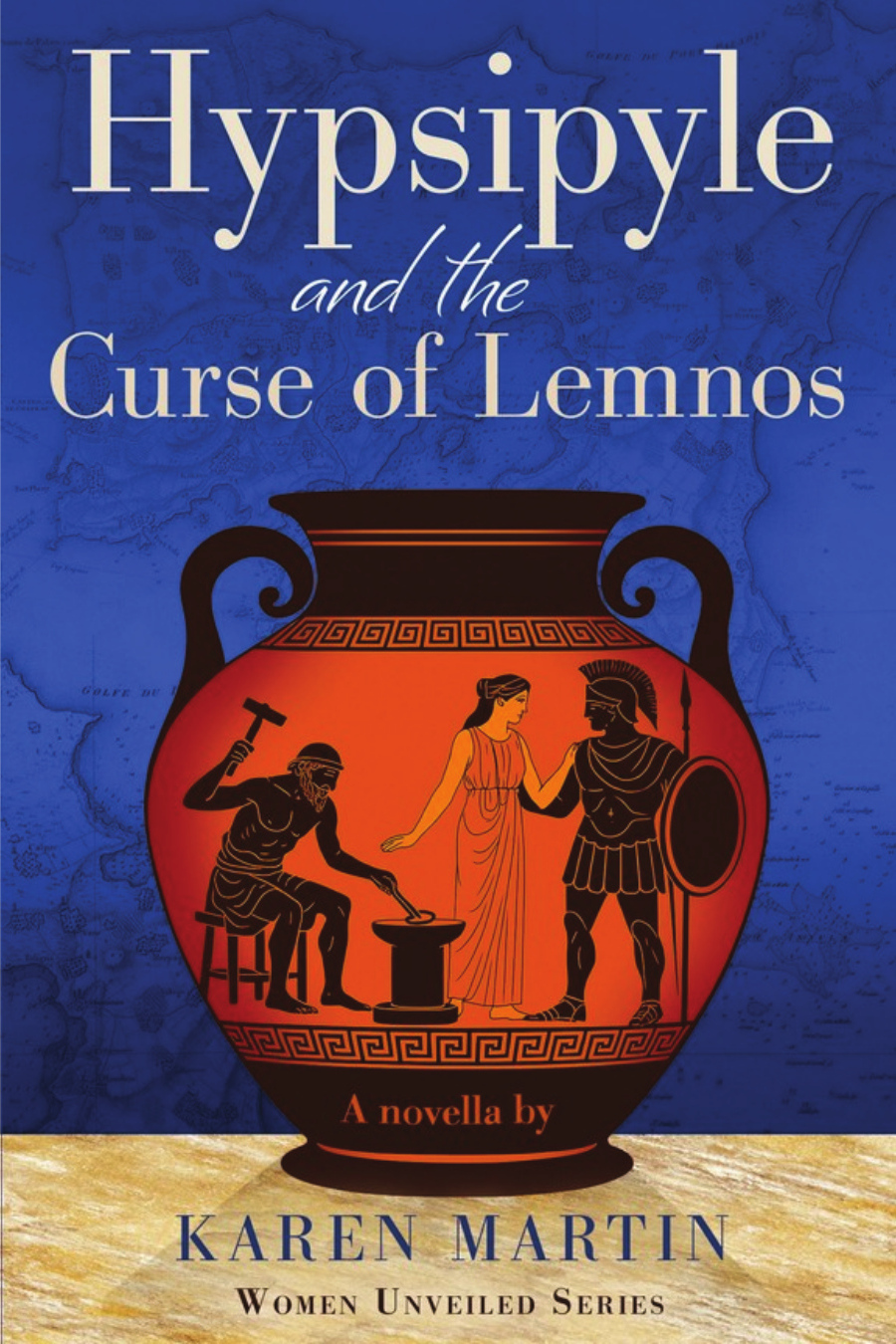
A novella
by Karen Martin
Condemned by a god’s tantrum and betrayed by their husbands, the women of Lemnos bear the brunt of Aphrodite’s wrath. Humiliated by Hephaestus, when he exposes her affair with Ares, Aphrodite casts her vengeance upon Hephaestus’ sacred island of Lemnos. The result is devastating: the men of Lemnos abandon their wives for captive Thracian women, sparking a night of bloodshed.
Hypsipyle decides to save her father King Thoas and smuggles him away. A secret act of compassion bearing consequences that unfold through guilt, shame and deceit.
For readers drawn to retellings of Greek mythology through a feminist lens like those of Pat Barker, Natalie Haynes, or Madeline Miller, Hypsipyle and the Curse of Lemnos is a fierce, lyrical reclamation of one woman’s struggle to shape her destiny following the repercussions of a divine retribution.
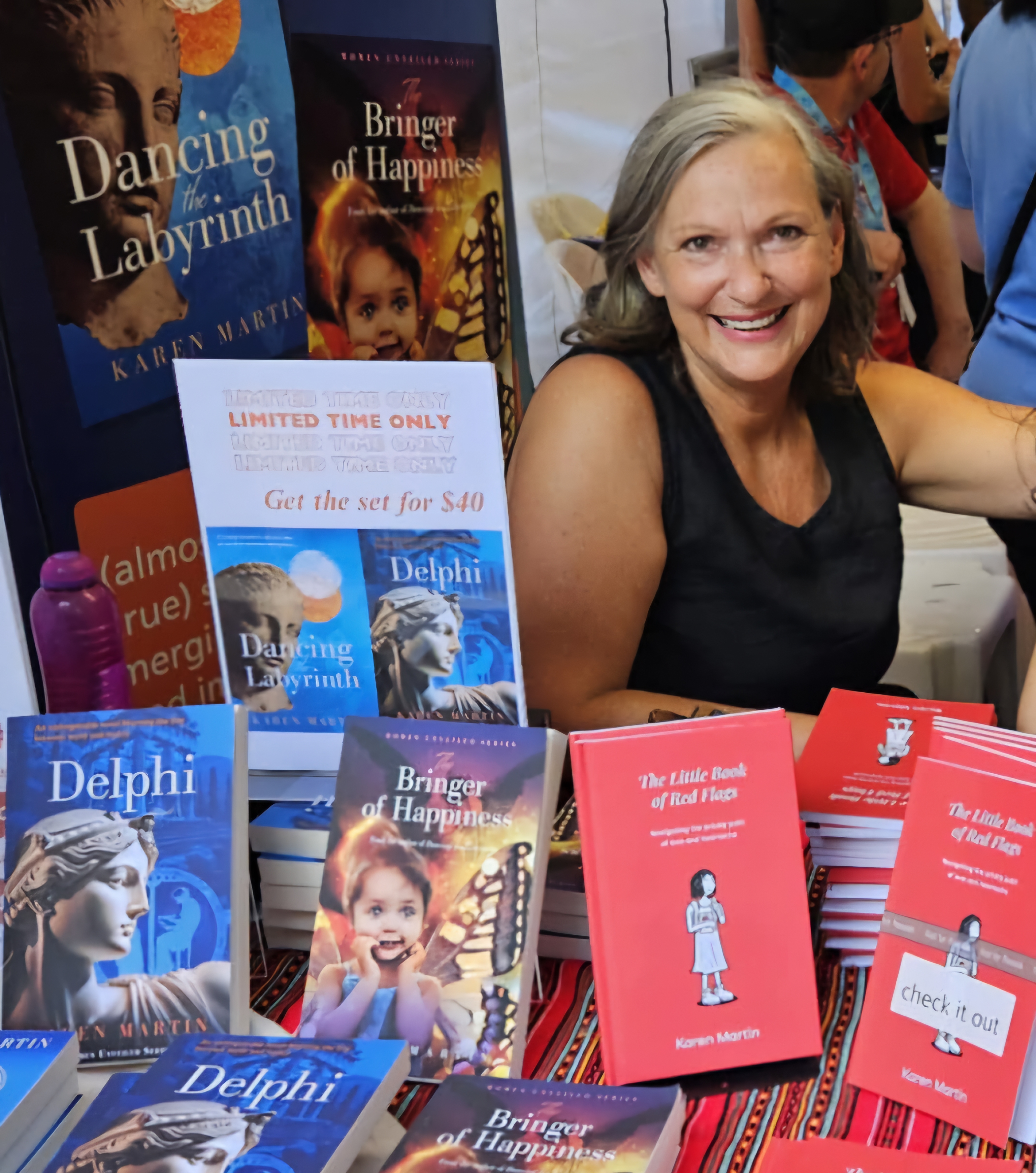
I am an award-winning Australian author and playwright known for having run away with the circus, created plays in prisons, and strived for transformational theatre experiences. Over the course of my creative life, I learned to listen when the muses whisper in my ear.
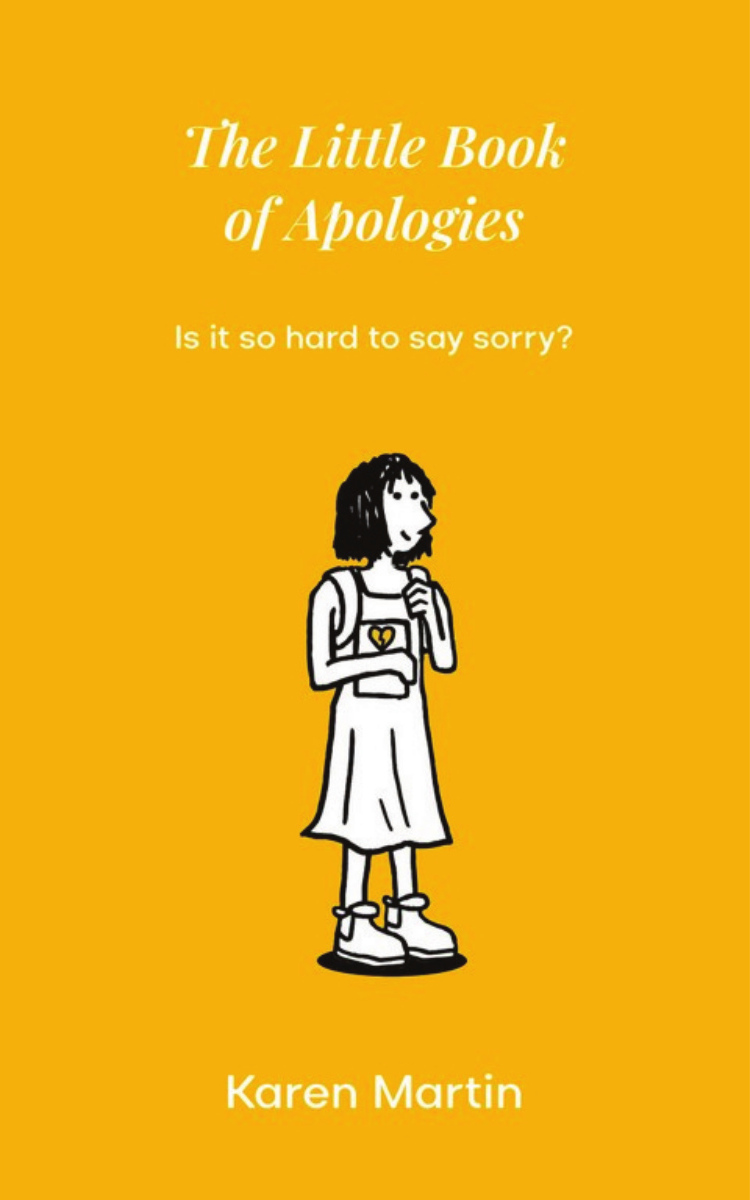
My debut novel Dancing the Labyrinth was written while living in Crete. The Greek translation is traditionally published by Radamanthys Publications. The English version, independently published through KazJoyPress was awarded the Eyeland Book Award 2024 for self-published works. The Bringer of Happiness was inspired from Languedoc folklore of Mary Magdalene and her connection to Montsegur. Delphi is the sequel to Dancing the Labyrinth, but can be enjoyed as a stand alone novel. The novella, Hypsipyle and the Curse of Lemnos retells the Greek myth through a feminist lens. These books form the thematic series Women Unveiled and share a distinctive feminine narrative probing societal boundaries. Women Unveiled blends Greek mythology, history and imagination in the telling of (almost true) stories. As a sideline, I created two non-fiction books - The Little Book of Red Flags and The Little Book of Apologies, which offer an illustrated and humorous reflection on relationships.