 Paul O'Neill
Powered by Books.by
Paul O'Neill
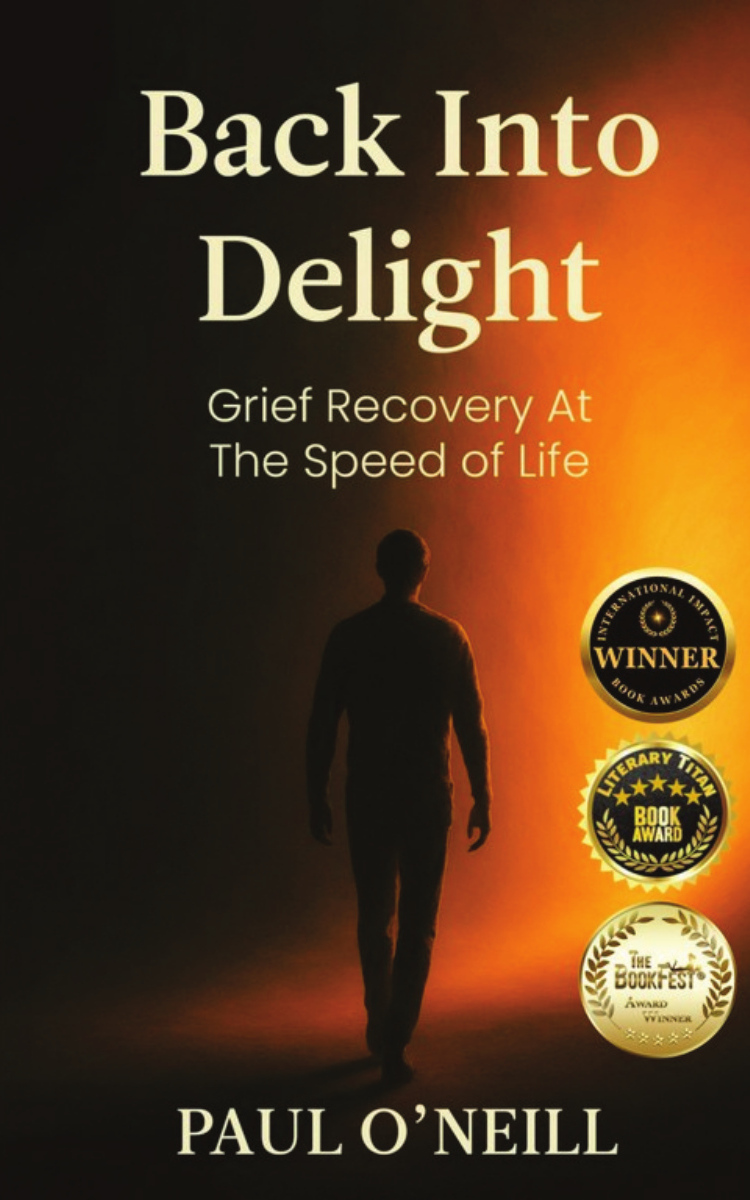
Grief Recovery at the Speed of Life
by Paul O'Neill
The Loss Is Permanent.
And a Joyful Life Can Be Lived Again.
Find your way back to joy—not by forgetting, but by remembering your way back to love, breath, and pleasure.
First Place Winner — The BookFest® Awards (Self Help: Anxiety, Depression & Grief)
Winner — Literary Titan Gold Book Award
Winner — International Impact Book Awards
When grief warps the world, this book brings you back. Not with answers, but with recognition.
Back Into Delight is not a manual. It is not a list of stages. It is a companion for those who have loved deeply, lost abruptly, and are now living in the silence that follows.
Paul O’Neill writes from lived experience: a father who buried his son, a brother who mourned his brother. His story is not clean or complete, but it is generous. From within it, he offers practical ways to begin again gently, through breath, voice, movement, humour, and kindness.
Inside these pages, you'll discover:
• Practical ways to thaw grief's hold on the body
• Somatic and neurological tools to shift out of shutdown
• Laughter, voice, and touch as cues for reconnection
• Methods informed by neurobiology and contemporary griefwork
• The invitation to rediscover joy, not as a mood, but as a practice
Whether you're a grieving parent, partner, sibling, or friend, or someone walking quietly beside them, this book offers something rare: language that doesn't intrude, tools that don't patronise, and a rhythm that meets the reader exactly where they are.
Grief may bend us. But the body remembers how to stretch.
Back Into Delight is a book for quiet moments. A gift when there are no words. A companion for the long way back.
“The book moves through the warping force of bereavement, the paralysis of shutdown, and the tools that help coax a person back toward breath, connection, and, eventually, delight. O’Neill shares stories, somatic techniques, and moments of dark humor to show how grief can bend a life but does not have to break it. It’s part personal narrative, part practical guide, all oriented toward finding motion in the aftermath of loss.”
— Literary Titan
“I picked this book up in the middle of my own grief, not expecting much. Instead of telling me to “move on,” it whispered that I could move through. Paul O’Neill’s raw honesty made me feel seen, not fixed. His tools, such as breathing, movement, and even laughter, felt simple but surprisingly powerful. I didn’t feel cured, but I felt less alone.”
Loreen Mercer
“Reading this felt like sitting across from someone who didn’t try to fix me, just stayed with me. The author’s story is heartbreaking, but he writes with so much gentleness and clarity. His idea that joy isn’t random but trainable shifted something in me. I’m starting to believe that healing is possible.”
William Reimers
Paul O’Neill writes about resilience, language, and the invisible forces that shape how we lead and live.
Paul O’Neill is a multi-award winning author, business consultant and executive coach He is trusted by professionals in business, heavy industry, medicine, mental health, and elite sport as a consultant, coach, and guide. For more than twenty-five years, he has helped individuals, teams, and entire organisations move through the thickets of change, chaos, and contradiction with a calm intensity that refuses to settle for surface solutions. His award-winning book, The Inner Game of Leadership, was recognised for its groundbreaking approach to stress, resilience, and adaptive influence—showing leaders how to steady themselves and those they serve when the stakes tilt and the pressure builds. Paul’s leadership record spans continents and industries, yet his work never follows a formula. Real transformation, he insists, can’t be imposed or standardised. It must be built—brick by deliberate brick—in the language, rhythm, and logic of those who live it. Clients across Australia, New Zealand, the UK, North America, and South Africa describe him as visionary, invaluable, and transformational. Not because he performs miracles, but because he hands the tools over—training people to recognise patterns, respond to pressure with composure, and build resilience that lasts, not just in individuals but in the culture of teams. Known for making the complex understandable, for challenging the status quo with warmth and rigour, and for turning the work of change into something deeply human and fiercely practical, Paul remains, above all else, a practitioner—someone who steps in, shoulder to shoulder, and stays until the work is done. If you’ve reached the edge of what you know and understand, Paul is someone you want in the room.
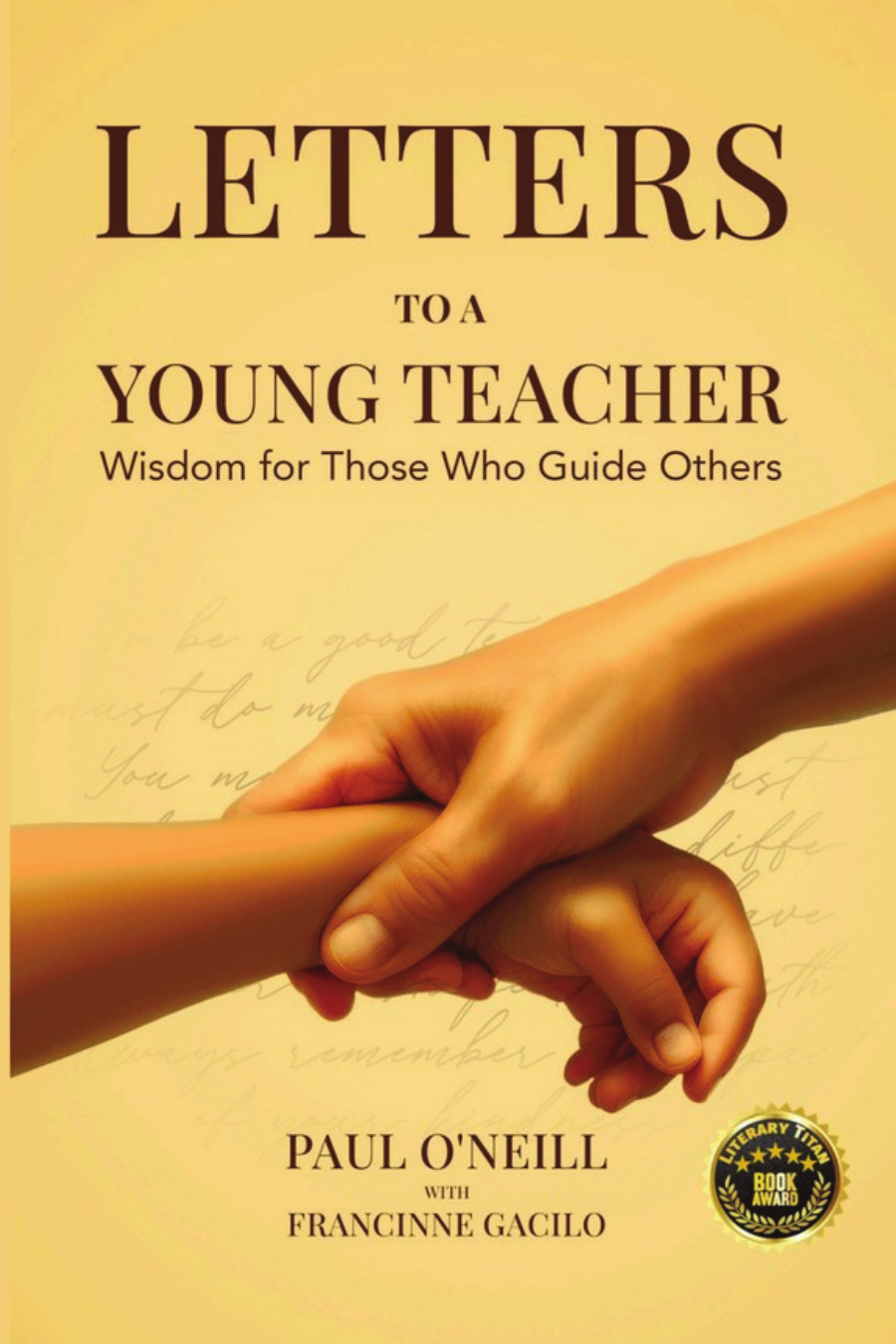
Wisdom for Those Who Guide Others
This Is Not a Manual. It’s a Quiet Act of Rebellion.
This book unfolds like a conversation you didn’t know you needed. Two strangers—one seeking guidance, the other answering from the edge of his own weathered experience—write across time, hemispheres, and heartbreak.
Becoming Grounded, Bonded & Flowing
A practical guide to remaining steady under pressure, Unflappable explores how leaders stabilise themselves and others in moments that matter. Drawing on principles of nervous system regulation, non-verbal influence, and adaptive thinking, it shows how composure is not a trait, but a trainable capability.
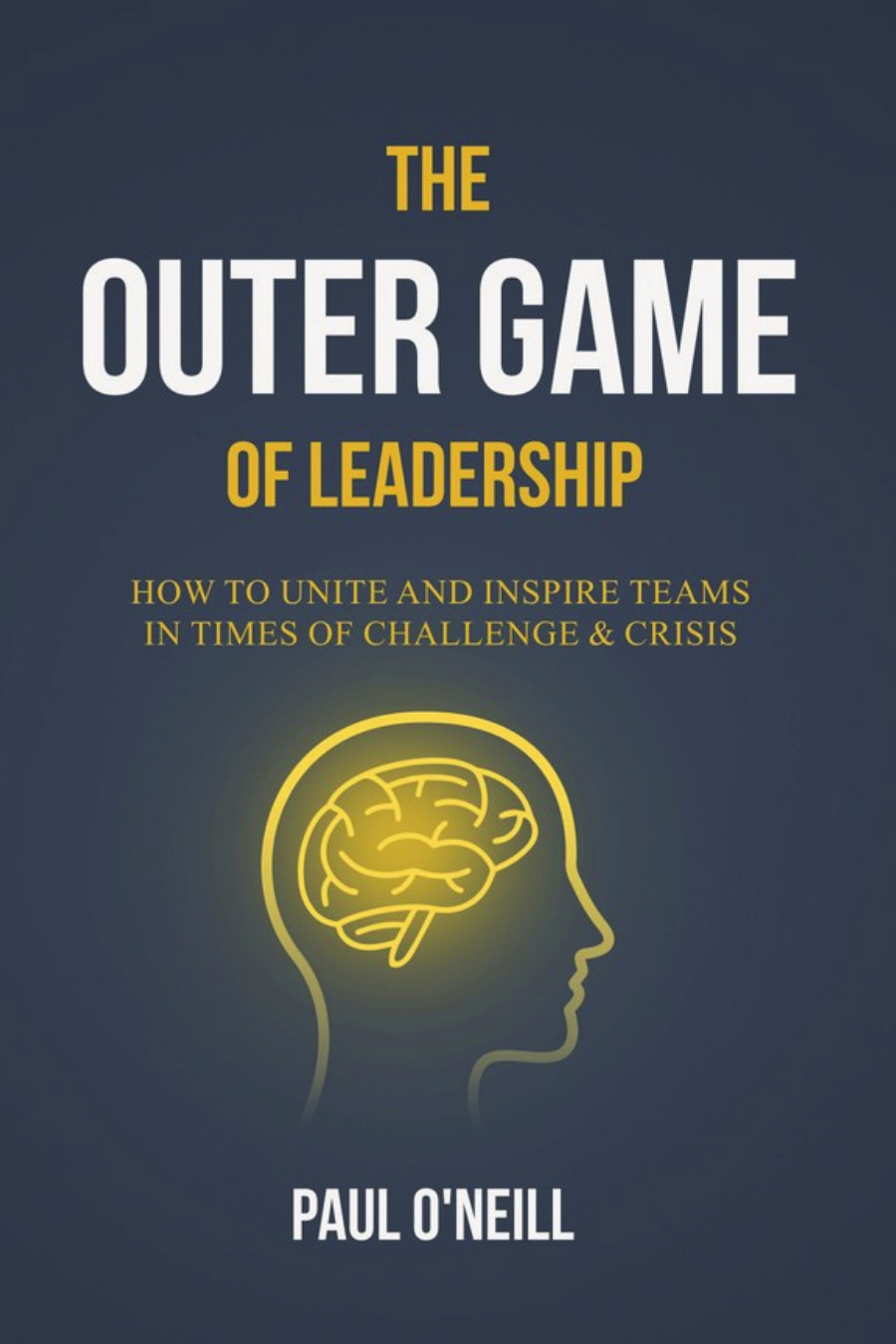
How Leaders Conquer Stress to Shine in Turbulence
They Might Follow Your Strategy.
But They Will Always Follow Your State.
When the pressure rises, your voice, breath, and presence do the real leading.
This isn’t just about making better decisions—it’s about becoming the kind of person others trust to lead them through challenge and crisis.
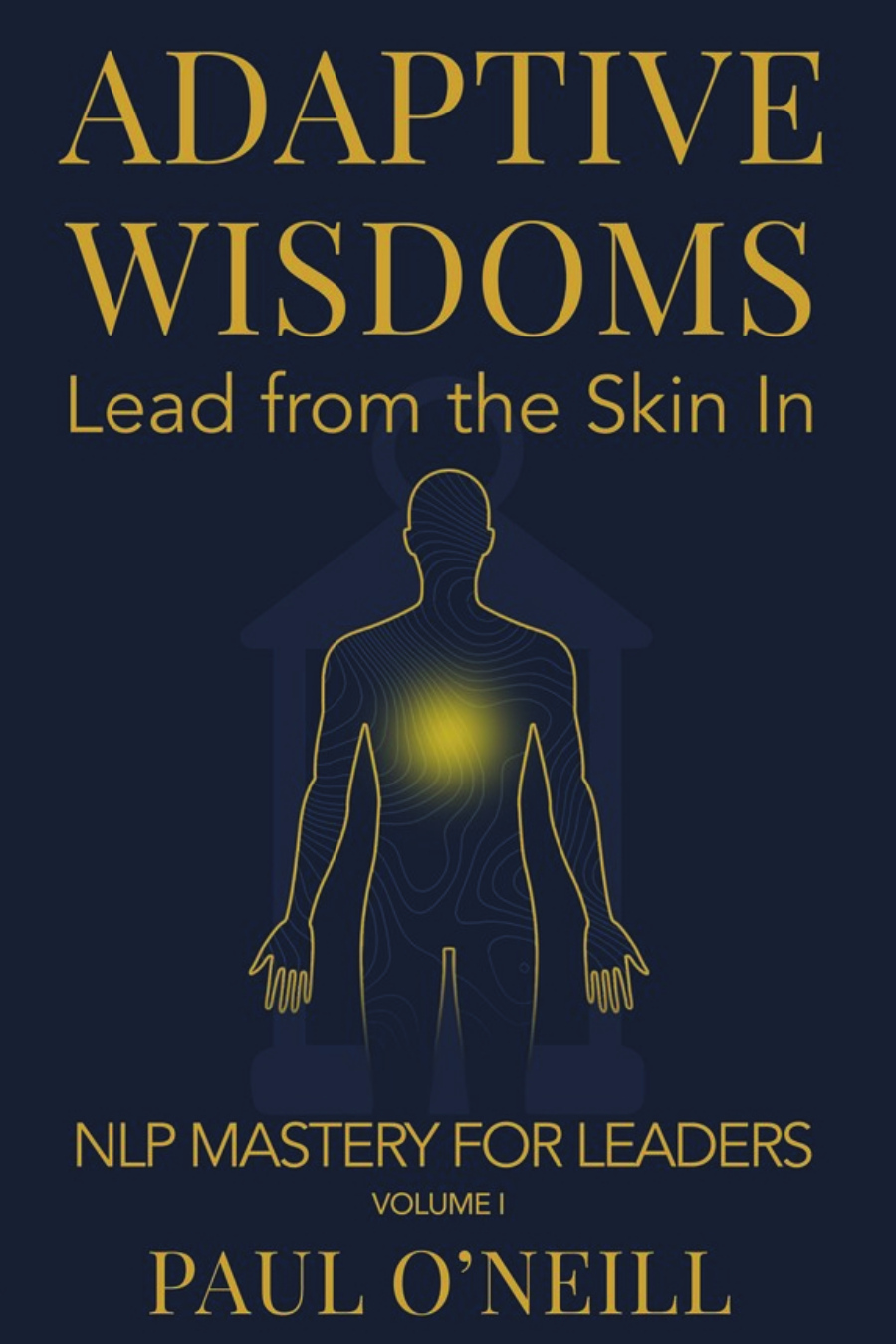
Lead from the Skin In
Your Team Feels You Before They Hear You.
Your State is Already Leading.
Before strategy comes signal. Before alignment comes affect.
Before the words leave your mouth—your nervous system has already spoken.
This is the book that begins there.
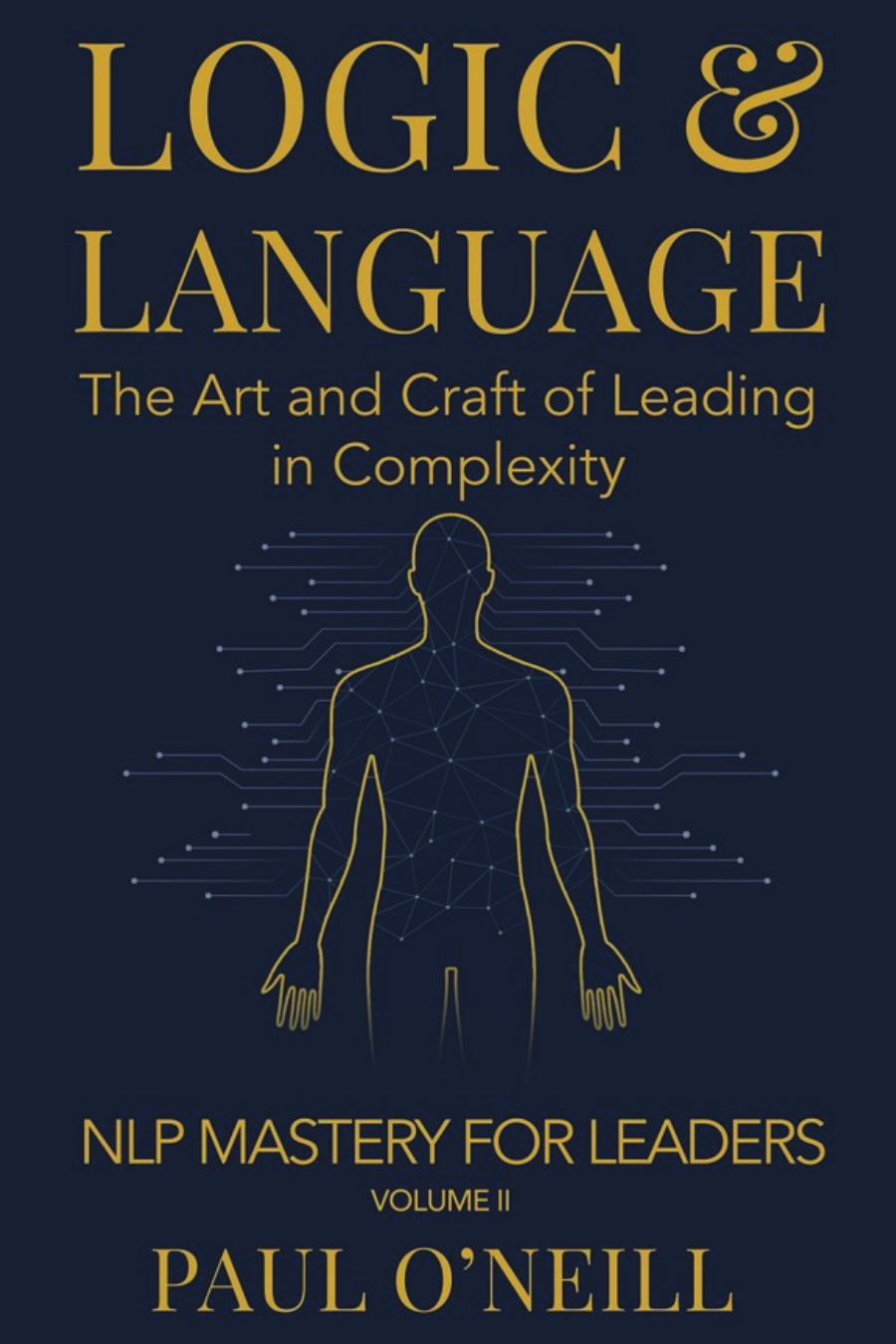
The Art and Craft of Leading in Complexity
Logic & Language: The Art and Craft of Leading in Complexity gives leaders the precision tools to untangle complex problems, influence with clarity, and shift conversations that stall progress. Blending the rigour of Neuro-Linguistic Programming with practical leadership insight, Paul O’Neill shows how to decode assumptions, sharpen language, and create impact where it matters most. For executives, coaches, and professionals ready to cut through noise and lead with authority, this book delivers both structure and breakthrough.
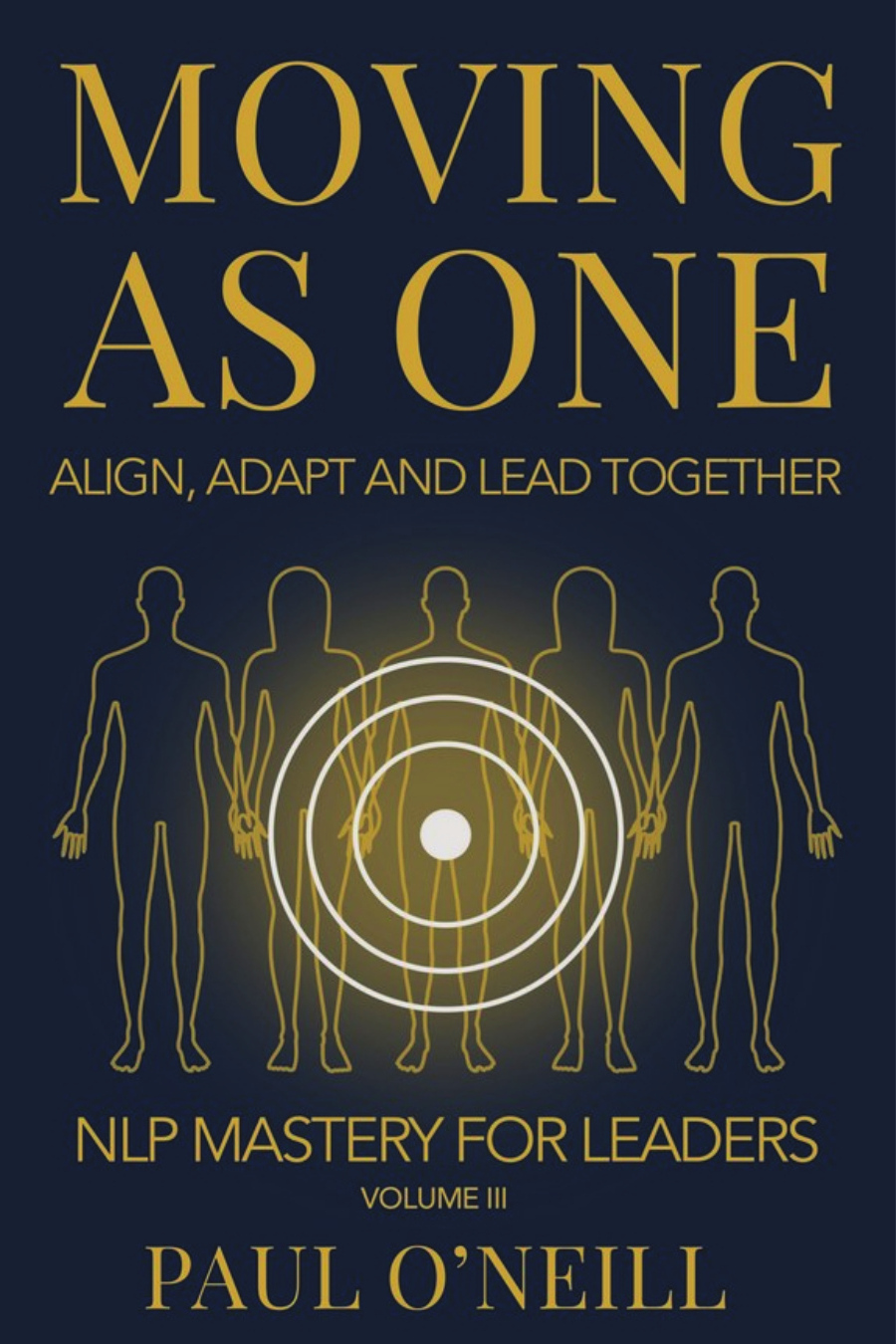
Lead, Align and Adapt Together
The System Is Already Moving.
The Question Is: Are You Leading It—Or Catching Up?