
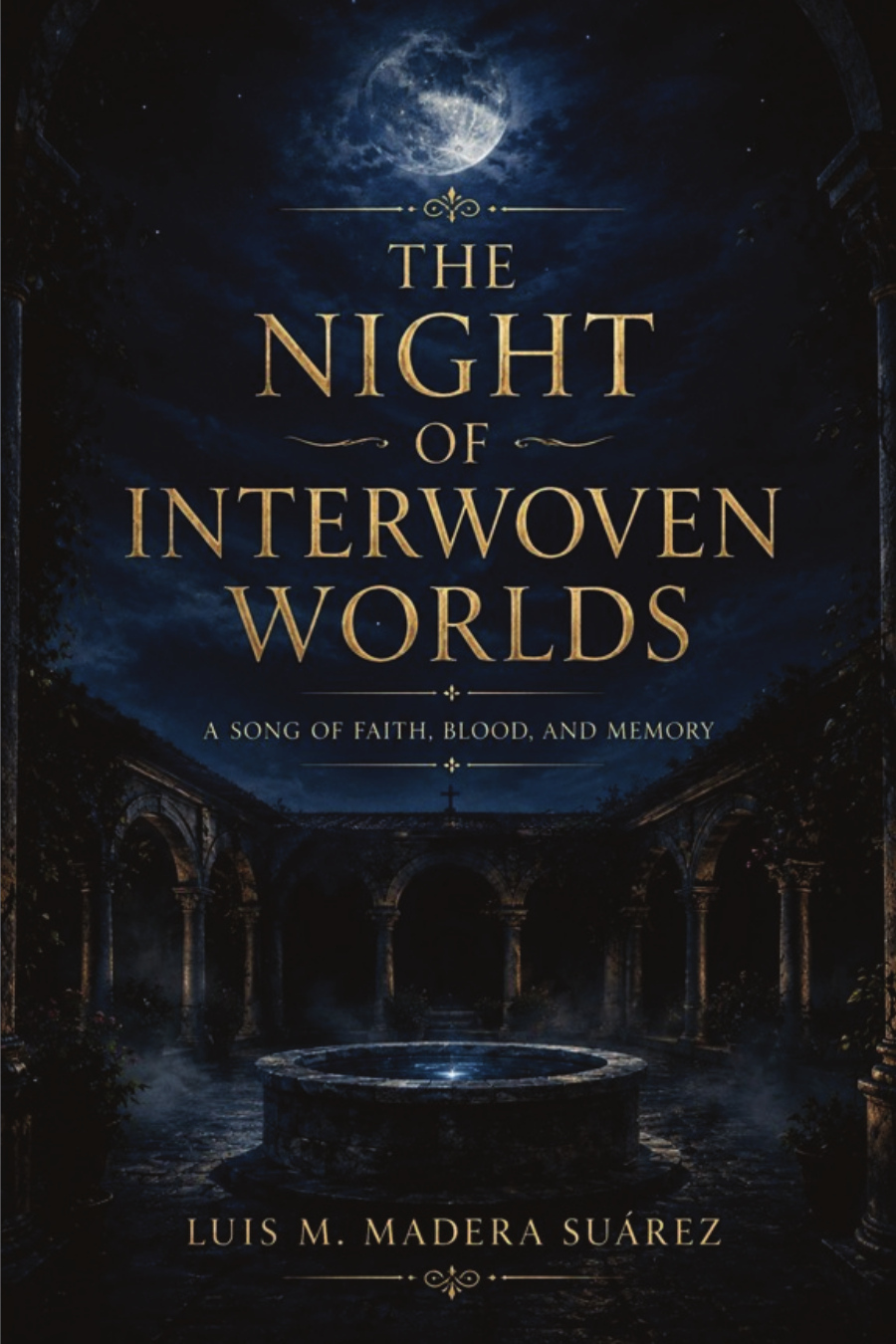
THE NIGHT OF INTERWOVEN WORLDS
by Luis Madera
In Guayama, Puerto Rico, where the sea, the river, the mangrove, and the cane fields carry what history does not always record, the night does not simply fall. It remembers.
*The Night of Interwoven Worlds* is a lyrical historical-spiritual novel about faith, blood, ancestry, and the silences that bind a network of families across generations. Rooted in the southern coast of Puerto Rico, the story moves through Catholic devotion, Afro-Caribbean inheritance, ancestral memory, and the unseen presences that live in land, water, dreams, and ritual.
Here, the everyday is never merely ordinary. A wake becomes a threshold. A river watches. A house remembers. A prayer carries more than one language. The visible world and the hidden one draw close, asking the living to listen to what has been carried through bloodlines, songs, gestures, and names.
At once intimate and ancestral, *The Night of Interwoven Worlds* is a novel of memory that refuses to disappear, faith that cannot always be explained, and worlds that are not separate, but interwoven.
More books by Luis Madera
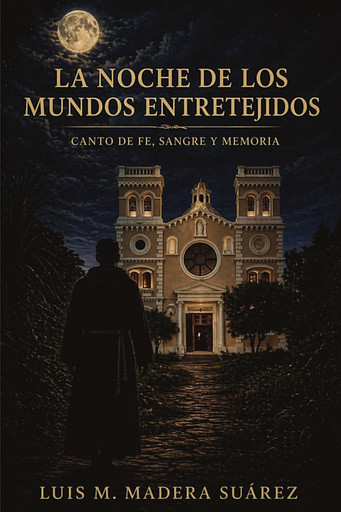
LA NOCHE DE LOS MUNDOS ENTRETEJIDOS
CANTO DE FE, SANGRE Y MEMORIA
En el sur de Puerto Rico, donde la noche no solo cae sino que guarda lo no dicho, las historias no terminan: se heredan.
La noche de los mundos entretejidos sigue a una familia que camina en el umbral entre lo visible y lo profundo, donde la memoria, la fe y la presencia ancestral no pertenecen al pasado, sino que respiran en lo cotidiano. En este mundo, lo que se calla pesa tanto como lo que se nombra, y lo invisible no es ausencia, sino otra forma de presencia.
A través de encuentros, pérdidas y revelaciones, la novela se adentra en una realidad donde las fronteras entre lo material y lo espiritual se desdibujan. El legado no se transmite únicamente por la sangre, sino también por los silencios, los gestos y las historias que sobreviven en la memoria de una comunidad.
Con una prosa que entrelaza lo íntimo y lo colectivo, esta obra explora las múltiples corrientes que dan forma a la identidad del Caribe: la fe que no siempre se explica, las tradiciones que resisten el olvido, y las voces que, aun en silencio, continúan hablando.
La noche de los mundos entretejidos es una novela donde los mundos no están separados—solo están entretejidos.
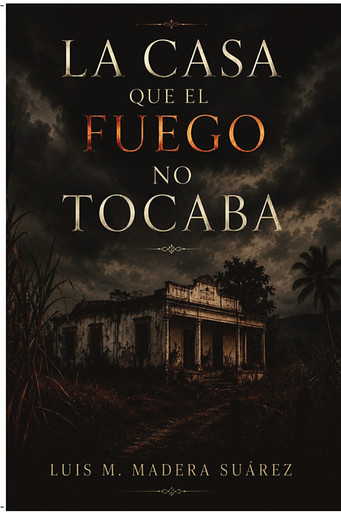
La casa que el fuego no tocaba
En Barrancas, al sur de Puerto Rico, los cuentos no se contaban solamente para asustar. También guardaban secretos.
Durante los veranos de su adolescencia, Luis, su hermano Marcos y los muchachos de la esquina pasaban las noches entre cañaverales, mosquitos, velloneras, risas nerviosas y desafíos de muchachos que todavía no sabían nombrar el miedo. Entre todos los cuentos del barrio, ninguno pesaba tanto como el de la casa blanca: una casa abandonada que aparecía entre los campos después de cada zafra, cuando el fuego quemaba la caña, pero nunca parecía tocar sus paredes.
Decían que allí vivía una mujer.
Decían que salía de noche a caballo.
Decían muchas cosas.
Pero con los años, Luis comienza a entender que algunas leyendas no nacen del misterio, sino del silencio. Detrás de la casa blanca, detrás del miedo y detrás de la mujer convertida en rumor, puede esconderse una historia más dolorosa: la de alguien a quien el barrio aprendió a temer antes de aprender a conocer.
*La casa que el fuego no tocaba* es una novela sobre la infancia, la amistad, la memoria de barrio y el poder de devolverle un nombre a quien la historia convirtió en sombra.
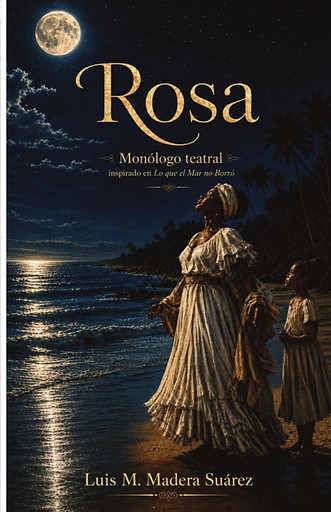
Rosa
Monólogo teatral / Theatrical Monologue
**Book Description**
*Rosa: Monólogo teatral / Theatrical Monologue* is a bilingual dramatic work inspired by the literary universe of *Lo que el Mar no Borró: Una novela de memoria, travesía y linaje*.
Set on a hot night at the shore of Puerto Rico’s southern coast, the monologue follows Rosa, a woman standing before the sea, unable to sleep, hearing a drum that seems to rise from far away — or from somewhere deep within her own blood. As the water touches her feet, Rosa calls out to her mother, to her first land, and to the name that was broken from her through captivity, displacement, and silence.
Written in Spanish with a literary English adaptation, *Rosa* is both a theatrical piece and an act of ancestral remembrance. It gives voice to grief, survival, embodied memory, and the sacred force carried by women whose histories were only partially preserved in records, family memory, and silence.
This edition includes the Spanish monologue, the English adaptation, an author’s note, a brief glossary, theatrical notes, and biographical context. Intimate, lyrical, and deeply rooted in Afro-Puerto Rican memory, *Rosa* honors the moment when sorrow becomes movement, memory becomes body, and the sea fails to erase the root.
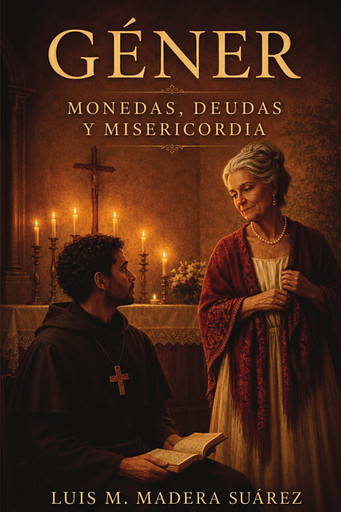
GÉNER
MONEDAS, DEUDAS Y MISERICORDIA
En el sur de Puerto Rico, donde Jobos sostiene su red de caminos, familias y deudas, Las Mareas levanta una capilla pequeña frente a la sal, los mangles y el rumor. Allí, entre velas encendidas, libros de registro, jornales mal contados y silencios heredados, el pueblo guarda lo que jamás dice completo.
Géner, joven en formación religiosa, llega buscando vocación, orden y servicio. Pero pronto descubre que la misericordia también puede ser usada como moneda, que una firma puede torcer un destino y que una deuda mal nombrada puede encender una guerra silenciosa. A su lado está Helen Carolina Sullivan, mujer recta, regia y sincera, cuya presencia obliga a mirar de frente aquello que muchos prefieren dejar bajo custodia del rumor.
Cuando un nombre prohibido vuelve a circular y un escapulario manchado aparece oculto entre las páginas de un libro en la capilla de Las Mareas, Géner entiende que no enfrenta un simple secreto, sino una cuenta pendiente entre fe, poder, memoria y sangre.
GÉNER: Monedas, Deudas y Misericordia es una novela de memoria puertorriqueña, espiritualidad popular y lucha moral. Una historia sobre el precio del perdón, la dignidad de los barrios, la fuerza de las mujeres que sostienen la verdad y la misericordia que se niega a ser vendida.
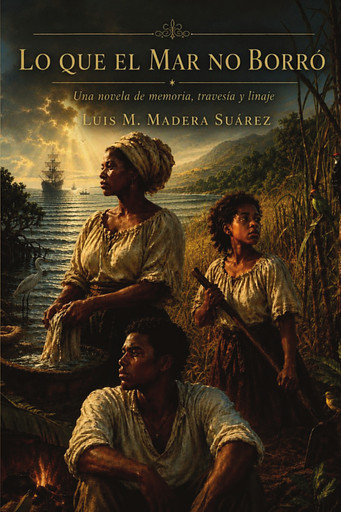
Lo que el mar no borró
Una novela de memoria, travesía y linaje
Lo que el Mar no Borró is a novel of memory, passage, and lineage set along the southern coast of Puerto Rico.
Through the lives of Rosa, Martina, Alejandro, and Rafaela, the novel follows a journey shaped by sea, labor, grief, desire, faith, and belonging. From the shoreline to the washing basin, from the hoe in the field to the drum in the night, from a house without papers to the first fragile planting, this story honors the lives that official records barely name but that carried family, memory, and survival forward.
Inspired by the author’s ancestral line, Lo que el Mar no Borró moves between documented history, family memory, and literary imagination. It gives voice and body to people marked by loss and displacement, yet not defined only by suffering. In their work, their songs, their rituals, their silences, and their acts of care, they preserve what the world tried to erase.
With lyrical and embodied prose, Luis M. Madera Suárez imagines the place where genealogy, history, and the sea meet. This is a story of uprooting and return, of names broken and remembered, of women who carry memory in their bodies, and of a lineage that survives because something deeper than paper remained.
At its heart, Lo que el Mar no Borró asks what can endure after violence, silence, and forgetting — and answers with root, body, song, and home.
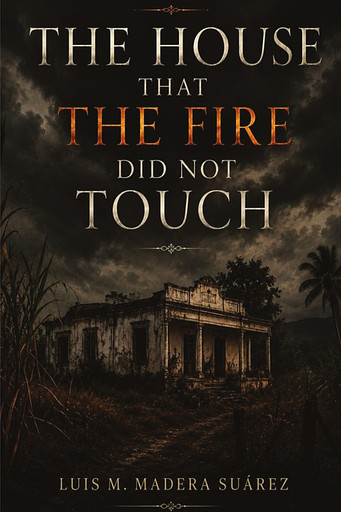
The House the Fire Would Not Touch
The House the Fire Would Not Touch is a haunting coming-of-age novel set in Barrio Barrancas, Guayama, Puerto Rico, where cane fields, muddy callejones, old stories, and childhood dares shape the lives of a group of boys growing up between fear and laughter.
Everyone in the barrio knows about the white house in the middle of the cane. Year after year, the zafra burns the fields around it, leaving the earth black and smoking, but the house remains untouched. Some say a woman lives there. Some say she comes out at night on horseback. Some say boys once threw stones at the house and learned too late that certain stories should not be disturbed.
As Luis and the boys from the corner dare one another closer to the legend, the mystery of the house becomes more than a ghost story. It becomes a reckoning with rumor, memory, boyhood pride, and the way a community can turn a woman’s name into fear.
Lyrical, suspenseful, and deeply rooted in Puerto Rican barrio life, The House the Fire Would Not Touch is a novel about the stories we inherit, the stories we repeat, and the courage it takes to return dignity to a name.