 Michael Pangrac
Powered by Books.by
Michael Pangrac
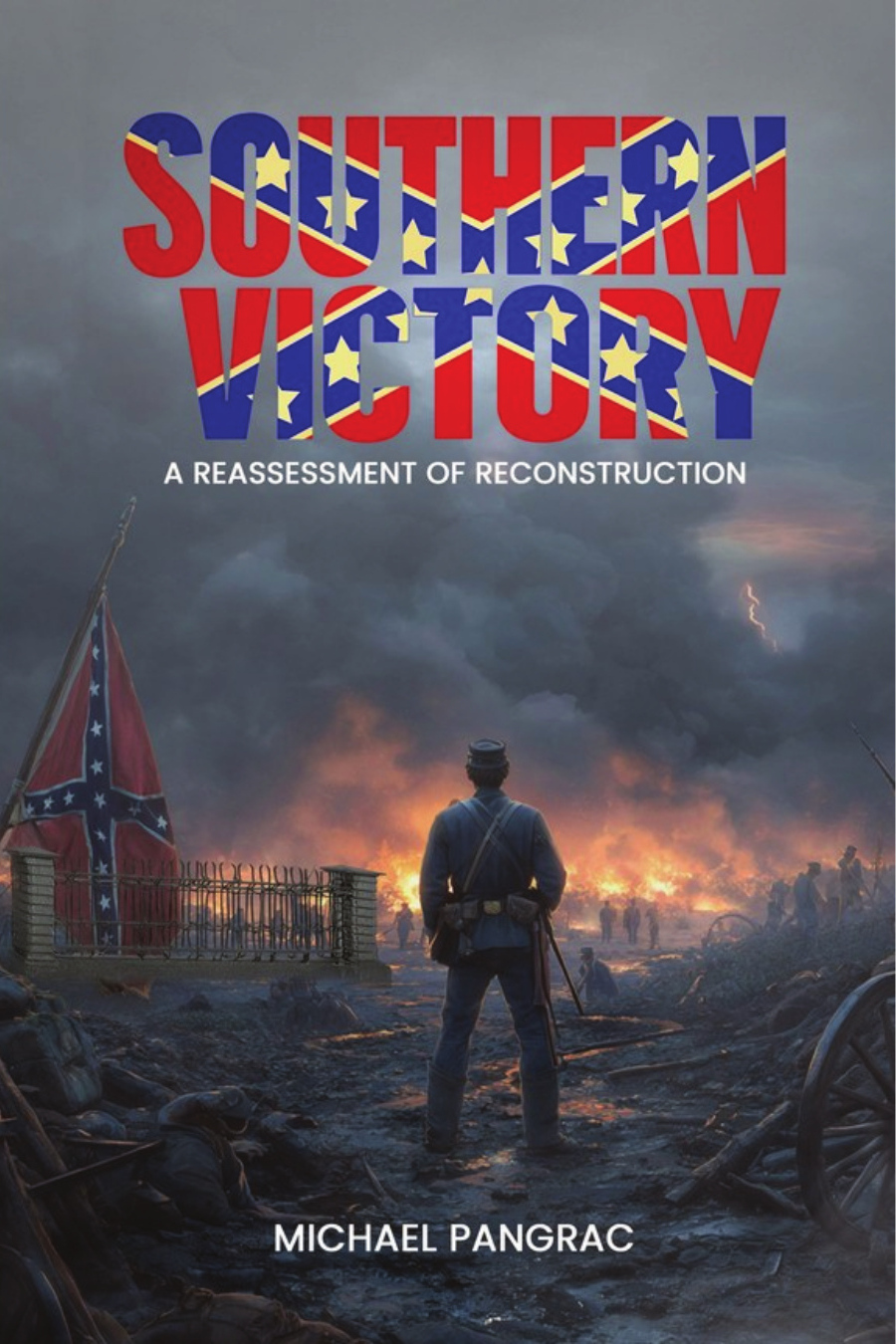
A Reassessment of Reconstruction
by Michael Pangrac
The American Civil War concluded in 1865, leaving a nation physically devastated and ideologically fractured. The subsequent period, known as Reconstruction, has been subject to a wide array of interpretations, often clouded by prejudice and a desire to restore pre-war social orders. This work seeks to move beyond those entrenched narratives by focusing on the tangible, frequently remarkable, efforts of rebuilding and reordering that characterized the former Confederate states. We will explore how infrastructure was painstakingly reconstructed, how economic systems were fundamentally reshaped, and how political and social landscapes were dramatically altered under new federal mandates and Southern initiatives. The aim is to provide a nuanced and evidence-based account of this pivotal era, highlighting the resilience, innovation, and complex challenges faced by those who lived through it. By examining specific examples of railway restoration, agricultural diversification, industrial growth, and the intricate debates surrounding states' rights, this book offers a fresh perspective on a period too often characterized by its failures rather than its foundational achievements. Our audience, comprised of history enthusiasts, academics, students, and educators, will find here an analytical yet narrative-driven exploration that respects the gravity of the period while celebrating the enduring spirit of reconstruction and adaptation. We hope this book encourages a more comprehensive understanding of how the South, and by extension the United States, was fundamentally reshaped in the crucible of post-war recovery.
Providing a thought provoking look at the US Civil War
Drawing upon a wealth of experience as an amateur historian focusing on the American Civil War and Reconstruction, Michael Pangrac presents an original viewpoint. This perspective is enriched by profound investigations into economic trends and hypothetical historical pathways. With a foundation in meticulous factual composition, the author has spent years meticulously analyzing the critical junctures that forged the United States, keenly observing the enduring ramifications of lingering national discord. His publications have illuminated the complex relationship between economic drivers and societal shifts, frequently investigating the speculative scenarios that highlight how precariously historical progress can unfold.