 MilmoBooks
Powered by Books.by
MilmoBooks
Walking Offa's Dyke
by Kelvin P. Milner
177 miles. 13 days. One man. One thirty-year-old promise to himself.
At eighteen stone, undertrained, and carrying a dream he’d talked himself out of a hundred times, Kelvin Milner stood at the start of Offa’s Dyke and wondered what on earth he was doing there. By any sensible measure, he was not the person who does this sort of thing.
He did it anyway.
What followed was thirteen days of hills, blisters, Welsh weather, and the slow, stubborn discovery that the thing standing between him and the impossible was simply the decision to start.
Honest, funny, and quietly moving, Making the Impossible Possible is not really a book about walking. It’s a book about every dream you’ve ever shelved for a better day that never quite arrived — and the voices that tell you that you can’t.
The doubt runs out before you do. Your better day is this one.
Kelvin Milner's "Making the Impossible Possible" is a personal and engaging memoir that chronicles the author's journey of fulfilling a lifelong dream: walking the entire Offa's Dyke Path. The narrative is a heartfelt account of perseverance, friendship, and the challenges and triumphs encountered along the 177-mile route.
The book begins by setting a nostalgic tone, tracing the origins of the author's fascination with Offa's Dyke back to his childhood in North Wales and his early experiences with walking. This foundational context helps the reader understand the deep-seated nature of his ambition.
The core of the story revolves around the author and his friend, Steve, as they tackle various walking challenges, including “Hadrian's Wall”, which serve as preparation for their ultimate goal.
The decision to walk Offa's Dyke is rekindled during a trip to Hay-on-Wye, where a chance encounter with guidebooks solidifies the long-held dream.
Kelvin is candid about the obstacles faced during preparation, including a significant calf injury that delayed their attempt by a year. This setback, and the subsequent strategic planning involving car shuttles to lighten their packs, adds a layer of realism to the narrative, highlighting the practicalities of such an undertaking.
The day-by-day account of the walk is rich with detail, capturing the physical demands, the mental fortitude required, and the occasional navigational missteps. The author effectively conveys the exhaustion, the pain, and the moments of doubt, balanced with the sheer joy of overcoming challenges and the stunning natural beauty encountered along the path. Humorous anecdotes, such as encounters with interesting characters and their "Lost and Found Game," provide levity and showcase the strong bond between the two friends.
The book culminates in the triumphant completion of the 177-mile walk over 13 days, a deeply personal victory that resonates throughout the final pages. The author's profound gratitude for Steve's unwavering companionship and support is a recurring and touching theme.
"Walking OFFA'S DYKE" is more than just a travelogue; it's a testament to the power of a dream and the resilience of the human spirit. Kelvin’s personal and conversational writing style makes the reader feel like a part of the journey, making it a compelling read for anyone interested in long-distance hiking, personal challenges, or the historical Offa's Dyke Path.
“Making the Impossible Possible is a confident, well-crafted, and genuinely moving debut. It sits comfortably alongside traditionally published walking memoirs and would not look out of place on a bookshop shelf beside established names in the genre. The author’s instinct for what the reader needs — emotionally, practically, and visually — is impressive for a first book. The market for honest, human-scale adventure memoir is strong and growing. This book has a genuine audience and deserves to find it. A genuinely accomplished debut memoir from a first-time author. This is not a polished-up walking log or a gear guide dressed as a book. It is a proper human story about procrastination, self-doubt, physical limitation, and the particular stubbornness required to do something you’ve been avoiding for thirty years. The walking is the vehicle. The story is the point. The author understands this distinction clearly, and it shows on every page. Kelvin P Milner has a natural, distinctive writing voice. Warm but never sentimental. Self-deprecating without being self-pitying. Funny at exactly the right moments. This is harder to teach than any technical writing skill, and he appears to have arrived with it fully formed. Readers will trust this narrator immediately. The decision to open with the childhood walking memories before arriving at the main walk was correct. It earns the emotional weight of what follows. The Foreword is particularly strong — it speaks directly to the reader who has ever talked themselves out of something, which is essentially everyone. Start/finish points, distance, and altitude gain at each chapter head is an excellent touch. It grounds the reader physically in the journey and will be especially appreciated by readers who know walking. Multiple photographs per chapter alongside detailed daily maps and a full route map represents a genuinely generous and well-considered visual offering. Many walking memoirs get away with a handful of photos in a central plate section. Integrating them chapter by chapter is the superior choice and significantly increases this book's attraction. The Prestatyn finale is handled beautifully. Restrained where a lesser writer would have over-written it, and all the more moving for that. The hat moment with Mikey is a small, perfect scene. The Final Word is an excellent addition. It lifts the book from personal account to something with a wider message without ever becoming preachy. The Offa’s Dyke/King analogy to close is inspired. ”
I didn’t set out to write a book. I set out to walk. Offa’s Dyke became more than a path — it became a place to think, to heal, and to breathe again.
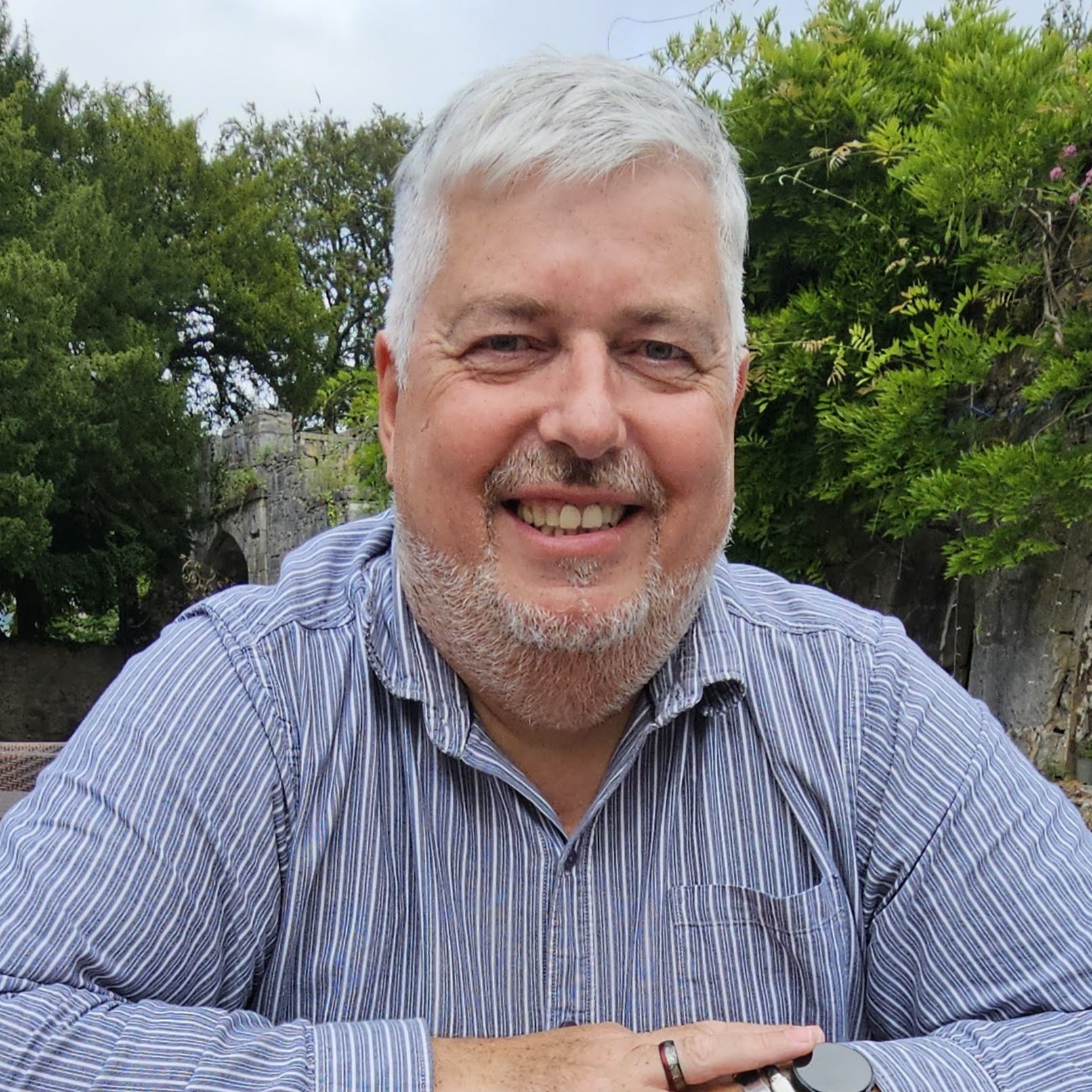
Milmo Wood — writing as Kelvin P. Milner — isn’t a man who set out to write a book. He set out to walk. To move through grief, change, and fatigue. To find quiet in a noisy world. What you hold in your hands is a reflection of that journey—written mile by mile, and rediscovered years later during a new chapter shaped by medical retirement and long COVID. A woodworking craftsman and a thoughtful observer by nature, Kelvin writes the way he walks: honestly, at his own pace, and with no need to impress — just to express. This book isn't about conquering a trail, but about meeting yourself along the way.