 Dr. Maxwell Shimba
Powered by Books.by
Dr. Maxwell Shimba
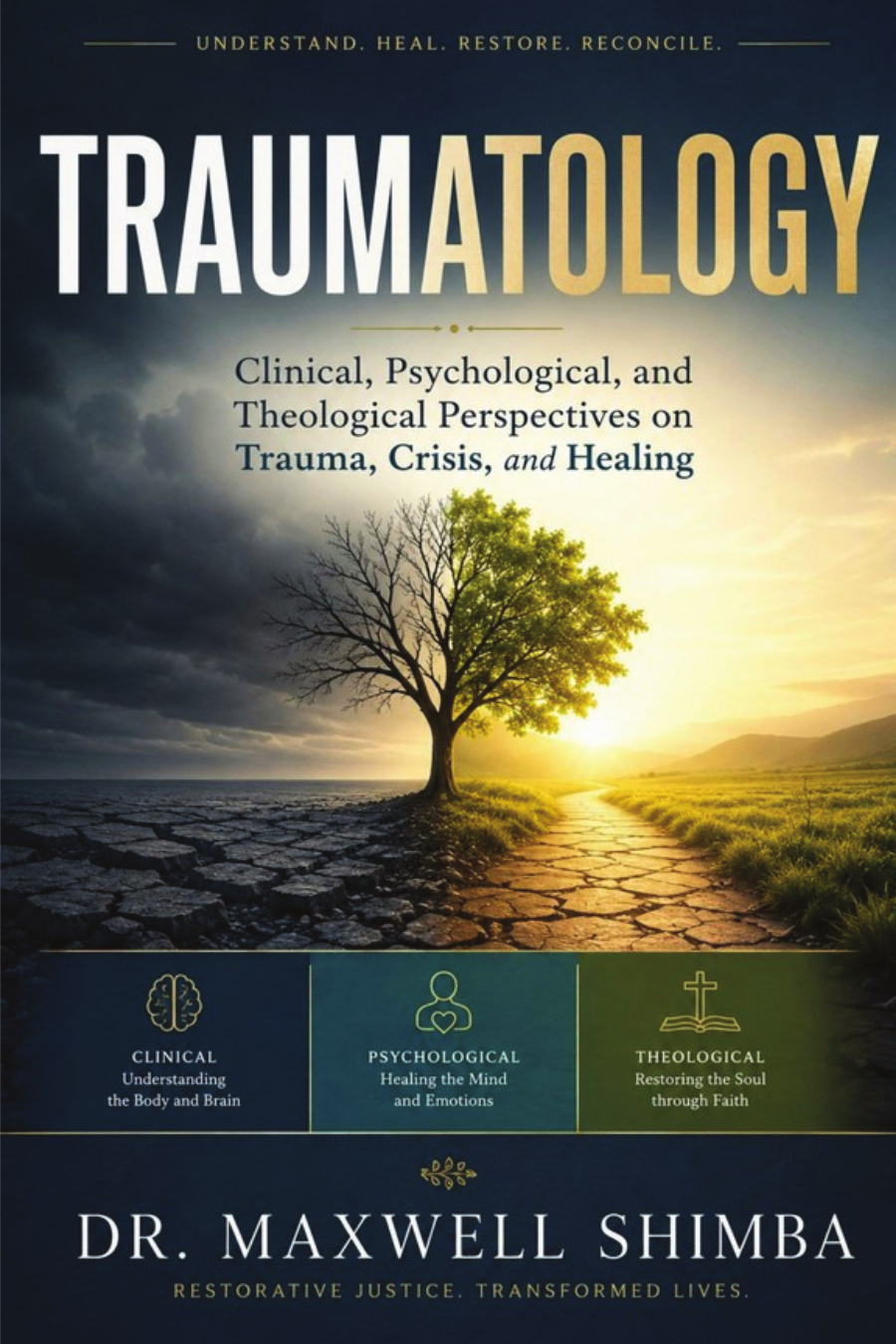
Clinical, Psychological, and Theological Perspectives on Trauma, Crisis, and Healing
by Dr. Maxwell Shimba, Ph.D., is a professor of traumatology with extensive experience in clinical counseling, psychological research, and biblical scholarship. His work integrates the best of modern neuroscience, evidence-based psychotherapy, and historic Christian theology to provide a holistic approach to trauma healing. Dr. Shimba is committed to validating people one degree at a time, equipping students and practitioners to serve the wounded with wisdom, compassion, and hope.
Trauma wounds more than the body. It wounds the mind and the spirit as well. It distorts thinking, numbs emotions, shatters faith, and leaves survivors feeling helpless, hopeless, and utterly alone. Yet healing is possible.
In this groundbreaking textbook, Dr. Maxwell Shimba integrates cutting-edge clinical neuroscience, evidence-based psychological research, and deep biblical theology to offer a comprehensive approach to trauma and crisis counseling. Drawing on decades of experience, Dr. Shimba guides readers through the neurobiology of fear, the stages of grief, the effects of chronic stress on the body, and the spiritual resources that restore hope.
Discover the four common elements of a crisis. Learn how the limbic system and hypothalamus respond to trauma. Understand the role of cortisol in stress-related diseases. Explore the five phases of loss. Master the seven states of anxiety. And find the scriptural antidote to fear: perfect love that casts out all torment.
Whether you are a counselor, pastor, student, lay caregiver, or trauma survivor, this book will equip you with the knowledge and tools to walk alongside the wounded—and to find healing for your own wounds as well.
Trauma does not have to have the final word. Hope does.
Trauma is not a single event. It is not merely a memory, a wound, or a diagnosis. Trauma is a lived experience that reaches into every corner of the human person—body, mind, and spirit. It distorts thinking, weakens the body, numbs emotions, and at times shakes the very foundation of faith. Some individuals experience trauma through a single overwhelming event, while others endure prolonged exposure to fear, abuse, loss, violence, or neglect. Regardless of how trauma enters a life, its effects are profound and far-reaching. This textbook offers a comprehensive, integrated approach to understanding and healing trauma, drawing from clinical neuroscience, psychological research, and biblical theology. It is designed for use in universities, colleges, seminaries, and training institutions, and it serves as an essential resource for students of counseling, psychology, social work, ministry, pastoral care, healthcare professions, and lay counseling.
The book is built on a foundational principle: clinical care, psychological care, and spiritual care are not enemies—they are partners. When integrated, they form a threefold cord that is not easily broken. The clinical lens examines how trauma affects the brain, the nervous system, the endocrine system, and the immune system, exploring the role of cortisol, the stages of General Adaptation Syndrome, and the physical diseases linked to chronic fear and anxiety. The psychological lens examines the five phases of grief, the seven states of anxiety, the three types of conflict, and the practical steps of crisis counseling, including debriefing, coping strategies, and the three roads to recovery: professional counseling, educational resources, and ongoing support from faith communities. The theological lens examines the scriptural foundations for hope, peace, and healing, exploring what the Bible truly means by "the fear of the Lord," why perfect love casts out fear, and how suffering can become a catalyst that awakens individuals to life's deepest realities and to God's sustaining grace.
Key topics covered in this textbook include the definitions of trauma and crisis; the four common elements of a crisis; situational and developmental trauma; the five phases of loss after trauma; the physical, psychological, defensive, and spiritual effects of anxiety; the connection between trauma and the brain, including the limbic system, the hypothalamus, and the role of cortisol; the General Adaptation Syndrome and its three stages; common diseases linked to fear, anxiety, and stress, including angina, hypertension, heart arrhythmias, mitral valve prolapse, fatigue, Type A behavior, overeating, depression, and insomnia; scriptural aspects behind fear, anxiety, and stress disorders, including the antidote of perfect love and the hope of the resurrection; the measurement of pain and the role of fear in amplifying or reducing pain; practical strategies for helping those who are hurting, including the four frontiers of suffering and the six ineffective coping strategies to avoid; suicide prevention, including warning signs, what to do, and what not to do; a questionnaire to determine crisis resistance with scoring and evaluation; holistic models of crisis counseling, including balancing factors, the mind-body connection, physical exercise, fresh air and nature, diet, drugs, natural herbs and tonics, rest, relationships, and spirituality; and a comprehensive final exam to integrate and assess learning.
Each chapter is written as continuous prose without subcaptions, allowing for deep immersion in the material. The book is designed to be both academically rigorous and practically accessible, with review questions at the end of each chapter to reinforce learning and encourage reflection. The author, Dr. Maxwell Shimba, Ph.D., brings together decades of clinical experience, psychological research, and biblical scholarship to create a text that is both evidence-based and faith-informed. This textbook does not offer simplistic answers or shallow platitudes. Instead, it provides an honest, rigorous, and compassionate guide to understanding trauma and walking with others toward healing. Healing takes time. Progress may be slow. But with appropriate support, perseverance, and a holistic approach, many individuals discover strength, wisdom, and resilience they never knew they possessed. Trauma does not have to have the final word. Hope does.
“Praise for Traumatology: "Dr. Shimba has produced a masterful work that bridges the gap between science and faith. This textbook will be invaluable for anyone who seeks to understand and heal the wounds of trauma." — Dr. Sarah Jameson, Professor of Counseling Psychology "Finally, a textbook that takes the whole person seriously—body, mind, and spirit. This is the book I have been waiting for to use in my seminary courses on pastoral care." — Rev. Dr. Michael Thomas, Professor of Pastoral Theology "A comprehensive, compassionate, and deeply practical guide to trauma and crisis counseling. Highly recommended for students, practitioners, and anyone who wants to help the hurting." — Dr. Emily Carter, Clinical Psychologist”
Dr. Maxwell Shimba is a distinguished Restorative Justice practitioner, Bible scholar, and Chaplain with a deep commitment to justice, reconciliation, and theological education.
This online bookstore offers a carefully curated selection of books designed to inspire learning, personal growth, and spiritual development. The store provides readers with access to a wide range of titles, including faith-based works, educational materials, personal development books, and thought-provoking literature. With a focus on quality content and meaningful ideas, the bookstore aims to connect readers with books that encourage knowledge, reflection, and lifelong learning while making literature easily accessible to audiences around the world.
Understanding Christian Doctrine with Clarity and Depth
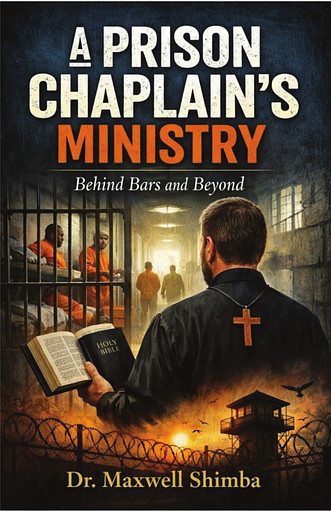
Behind Bars and Beyond
In the hidden world behind prison walls, a unique ministry brings light to the darkest corners. Behind Bars and Beyond offers an intimate look at the sacred calling of prison chaplaincy—a vocation that blends spiritual guidance, psychological insight, and unwavering compassion. Dr. Maxwell Shimba draws from decades of frontline experience to reveal how chaplains serve as counselors, crisis interveners, and advocates for redemption. From navigating ethical dilemmas to facilitating rehabilitation and reentry, this book explores the profound impact of faith on transforming lives and reducing recidivism. A must-read for clergy, corrections professionals, and anyone seeking to understand how hope can flourish even in captivity.
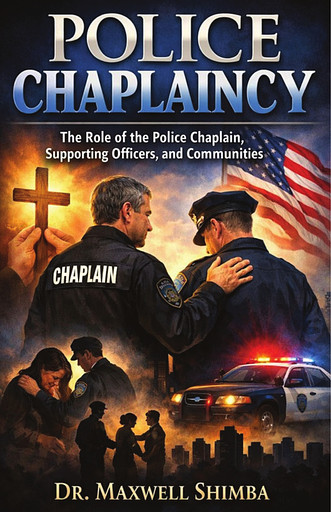
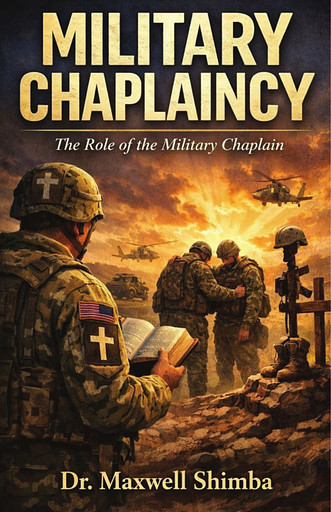
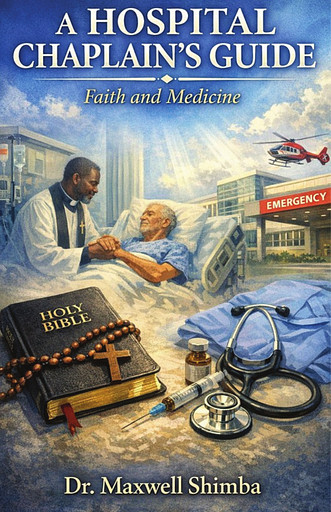
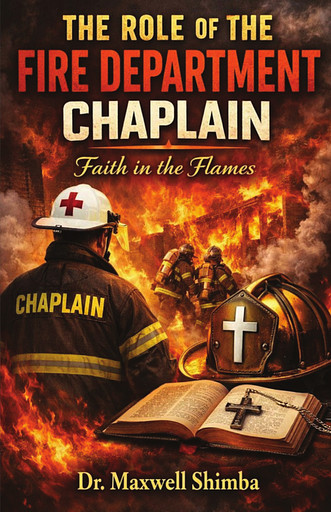
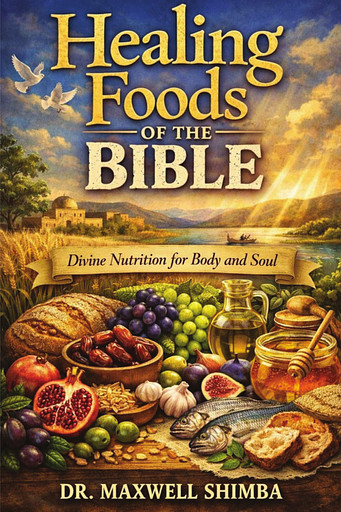
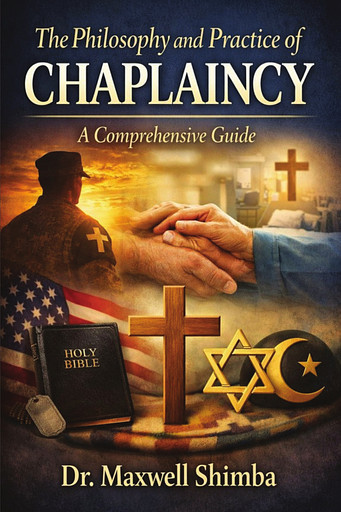
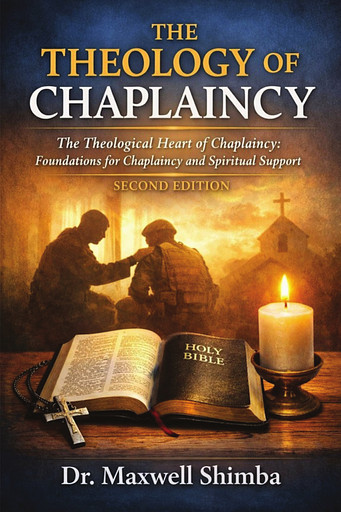
The Theological Heart of Chaplaincy: Foundations for Chaplaincy and Spiritual Support
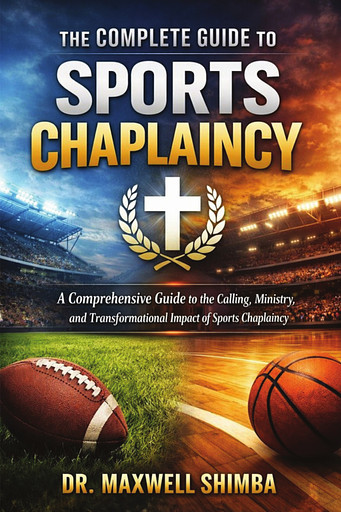
A Comprehensive Guide to the Calling, Ministry, and Transformational Impact of Sports Chaplaincy
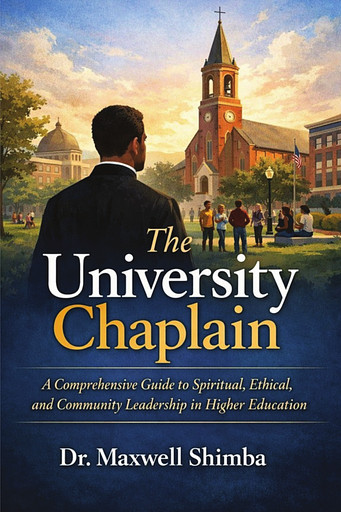
A Comprehensive Guide to Spiritual, Ethical, and Community Leadership in Higher Education
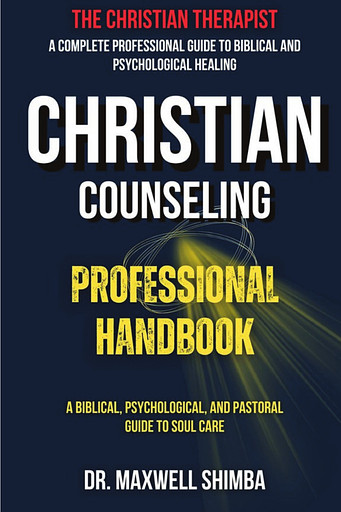
A Biblical, Psychological, and Pastoral Guide to Soul Care
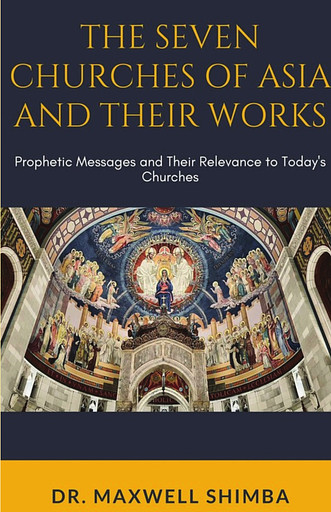
Prophetic Messages and Their Relevance to Today's Churches

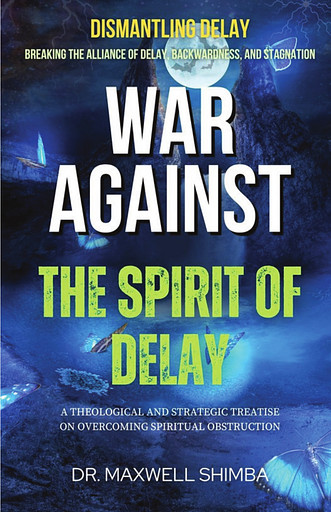
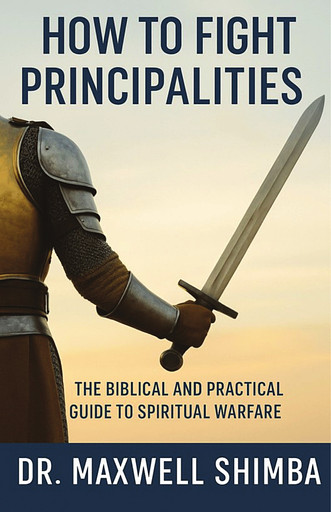
A Theological and Strategic Treatise on Overcoming Spiritual Obstruction
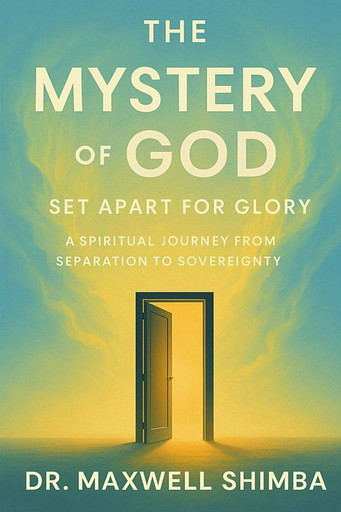
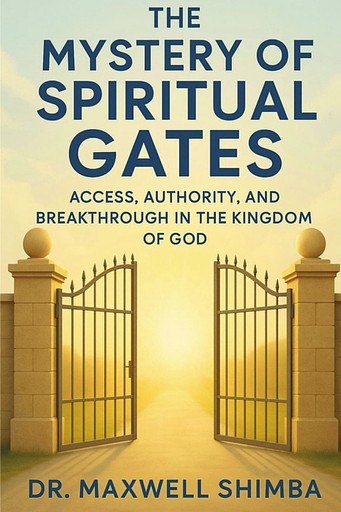
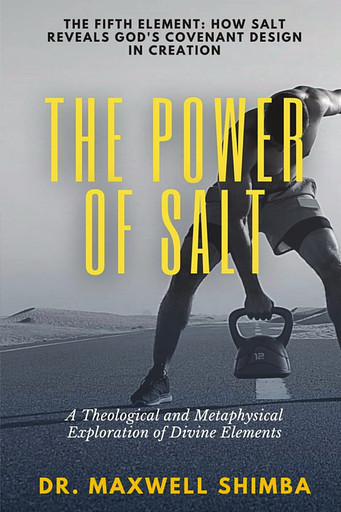
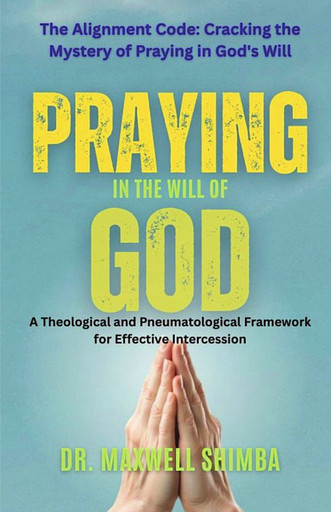

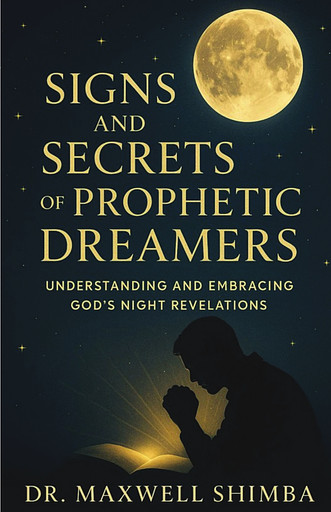
Prophetic Dreamers of Dreams Understanding and Embracing God’s Night Revelations
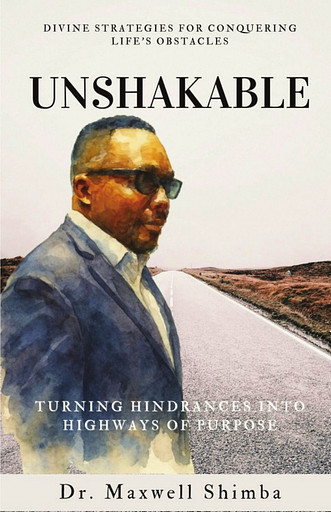
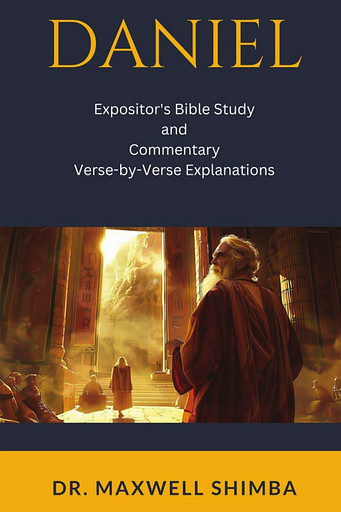
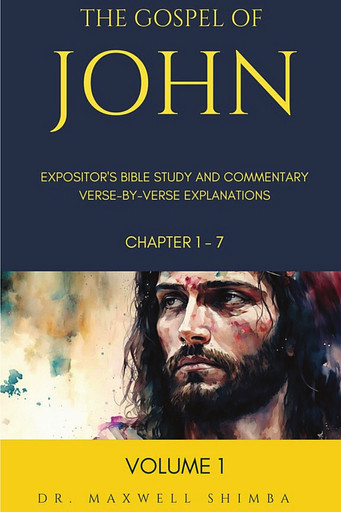
Verse-by-Verse: The Expository Bible Study and Commentary: Chapters 1 to 7
Verse-by-Verse: The Expository Bible Study and Commentary: Chapters 8 to 14
Verse-by-VerseThe Expository Bible Study and CommentaryChapters 15 to 21
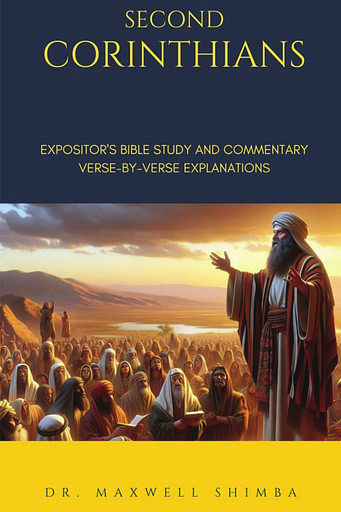
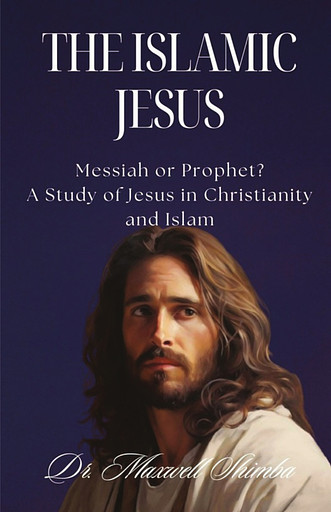
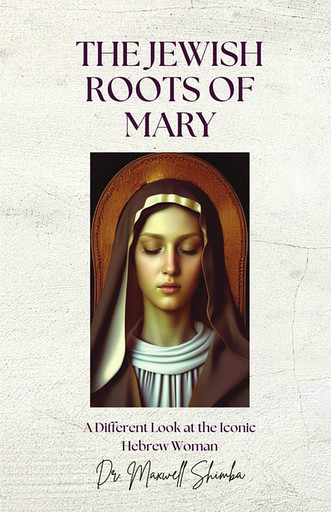
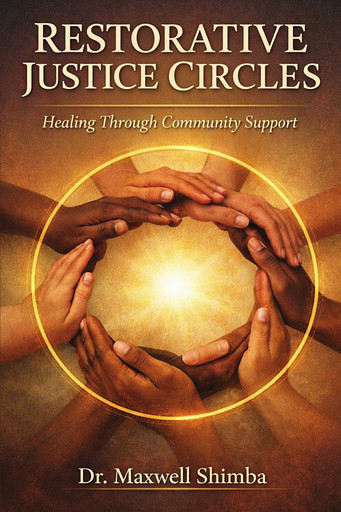
Healing Through Community Support
Restorative Justice Circles: Healing Through Community Support Workbook (Second Edition)
By Dr. Maxwell Shimba
Transform the way you understand justice—one circle at a time.
This interactive workbook is your essential guide to the principles, practices, and power of restorative justice. Whether you are a facilitator, educator, community leader, or someone seeking healing from harm, these pages will walk you through a journey of personal and communal transformation.
Inside, you will find:
Deep explorations of the six core principles of restorative justice
Practical exercises and real-world case studies from schools, workplaces, and communities
Guided reflections to examine your own experiences of harm, accountability, and healing
Step-by-step facilitation tools, including circle scripts, talking piece practices, and agreement templates
Trauma-informed approaches and cultural humility practices
A comprehensive 5-year vision for building restorative communities
Drawing on indigenous wisdom, theological foundations, and psychological research, this workbook invites you not merely to learn about restorative justice—but to embody it. Complete with journaling space, group exercises, and a final covenant statement, it is both a training manual and a sacred companion for the journey toward reconciliation.
The restorative cycles of creation await your participation. The work of restoration continues—and you are part of it.
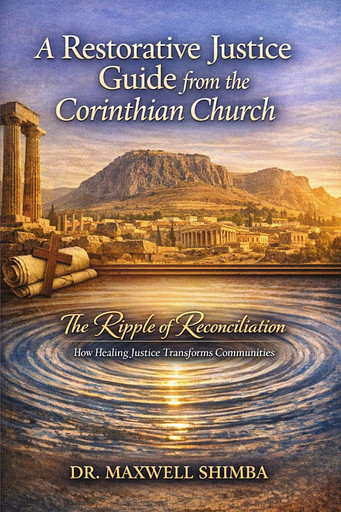
The Ripple of Reconciliation: How Healing Justice Transforms Communities
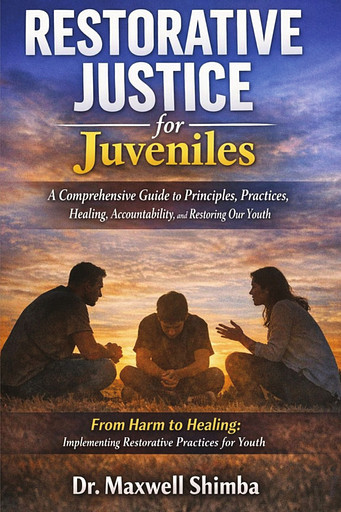
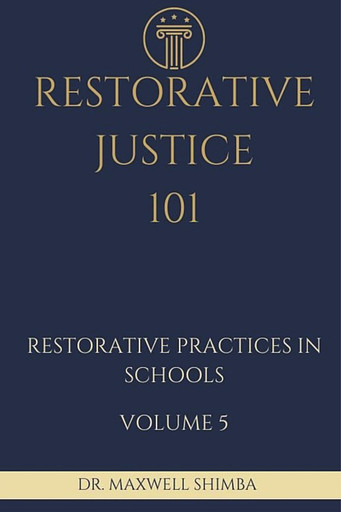
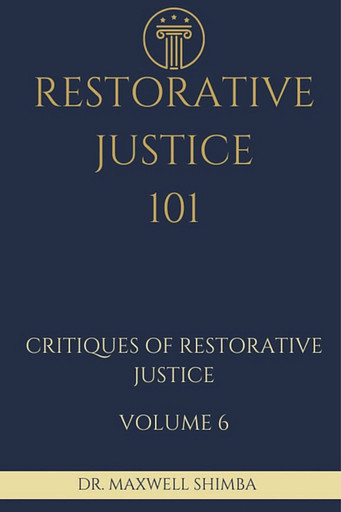
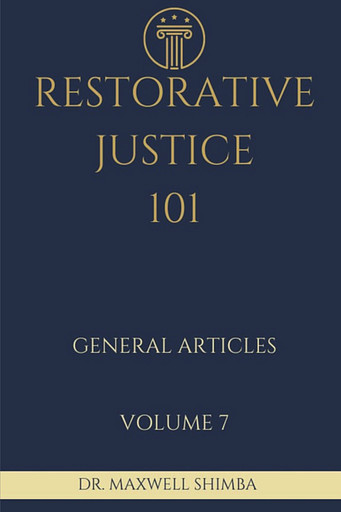
A Comprehensive Guide to Principles, Practices, Healing, Accountability, and Restoring Our Youth
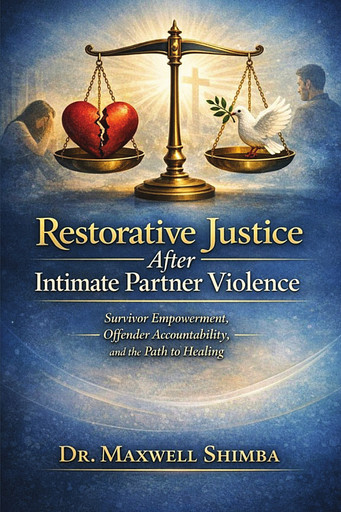
Survivor Empowerment, Offender Accountability, and the Path to Healing
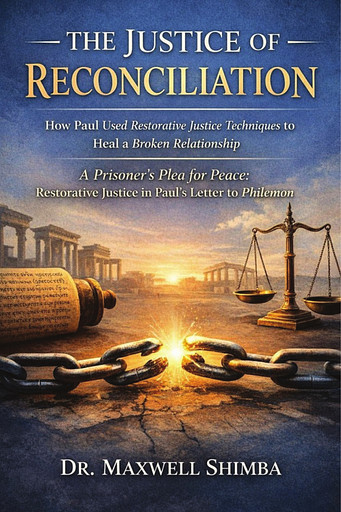
How Paul Used Restorative Justice Techniques to Heal a Broken Relationship
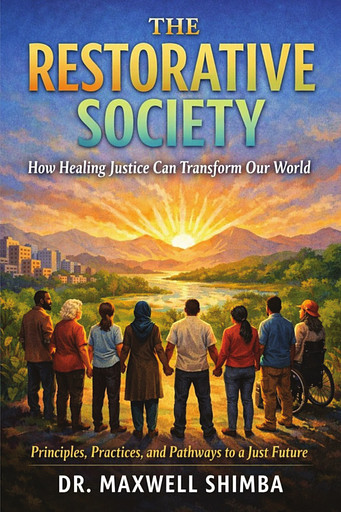
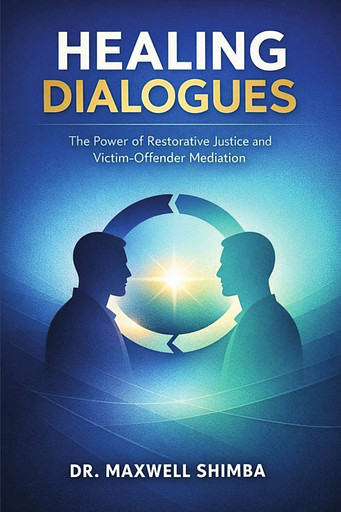
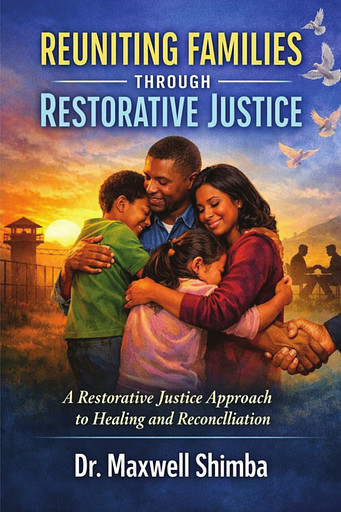
A Restorative Justice Approach to Healing and Reconciliation
A Guide to the Psychological Principles and Emotional Dynamics of Healing Justice
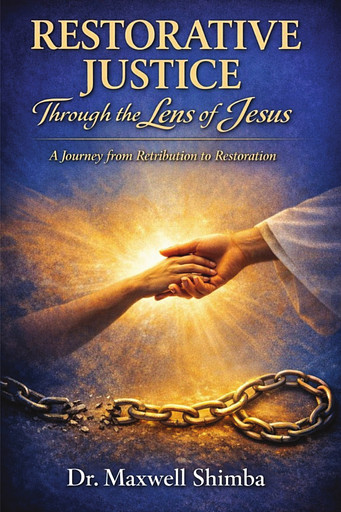
A Biblical Guide to Restorative JusticeAnswering the Tough Questions on Crime, Punishment, and Healing
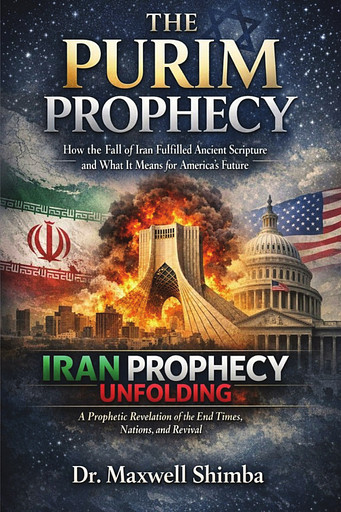
How the Fall of Iran Fulfilled Ancient Scripture and What It Means for America's Future
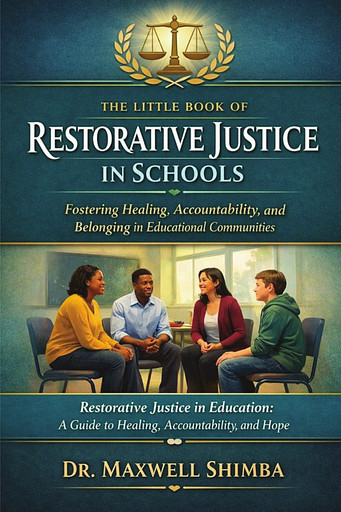
Fostering Healing, Accountability, and Belonging in Educational Communities
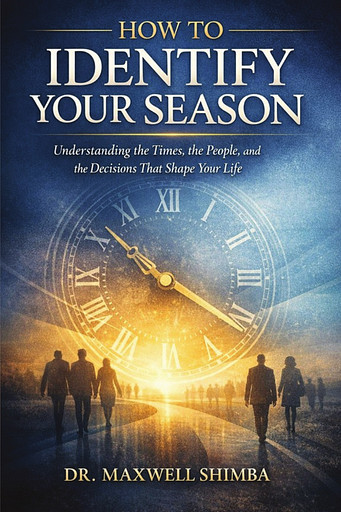
Understanding the Times, the People, and the Decisions That Shape Your Life
You're praying for a new season. But what if the season is already here—and you keep missing it because you're looking for a miracle instead of a man?
In How to Identify Your Season, you'll discover the shocking truth that most believers never learn: People are seasons. God's method is not programs or angels with wings. His method is people. Your deliverance is scheduled with a deliverer. Your destiny helper is already walking toward you—but they may not look like what you expect.
Drawing from Ezekiel, Ecclesiastes, Genesis, Exodus, and the life of Jesus, this book will open your eyes to see:
Why your decisions control your seasons
Why favor with God is not enough—you also need favor with man
How angels unaware are often ordinary people
Why every season of your life is connected to somebody
How to recognize your deliverer before it's too late
Stop dying in Egypt. Stop dismissing your destiny helpers. Learn to see every person as a potential season—and declare with confidence: I will not miss my season.
Your breakthrough is not a date on the calendar. It's a person. And they are closer than you think.
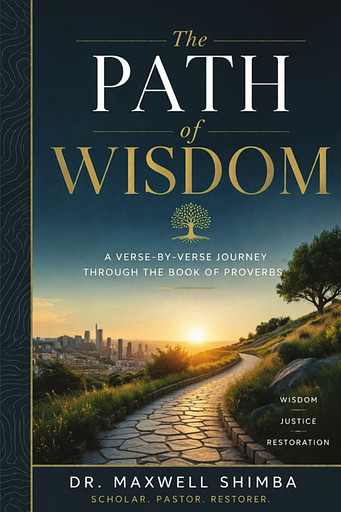
A Verse-by-Verse Journey Through the Book of Proverbs
Wisdom is calling. Will you listen?
For three thousand years, the Book of Proverbs has guided the people of God through the everyday choices that shape a life. It warns against the seductress and the scoffer. It promises blessing to the diligent and honor to the humble. It declares that the fear of the Lord is the beginning of knowledge.
But the proverbs can feel distant—a collection of ancient sayings, beautiful but hard to apply.
The Path of Wisdom changes that.
This verse-by-verse journey takes you through every chapter of Proverbs, expanding each proverb into a continuous, pastoral meditation. Written in the voice of a tender father speaking to his child, it draws out the meaning, connects wisdom to the rest of Scripture, and applies ancient truth to modern life.
You will learn:
Why a soft answer turns away wrath
How to recognize the voice of the seductress before her feet lead to death
Why faithful are the wounds of a friend
How to train a child in the way he should go
Why a woman who fears the Lord is praised above all
Whether you are young or old, single or married, a parent or a child, a leader or a laborer—these pages will speak to your heart.
Wisdom is calling. She stands at the gates. Do not refuse her. Come. Eat her bread. Drink her wine. Forsake foolishness and live.
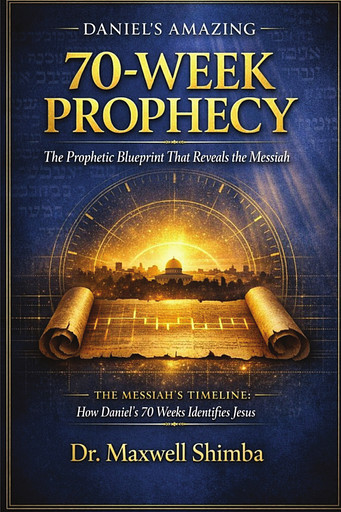
The Prophetic Blueprint That Reveals the Messiah
What if you could mathematically prove Jesus is the Messiah? Daniel's 70-Week Prophecy predicted the exact year of His baptism and crucifixion—483 years in advance. Read *Daniel's Amazing 70-Week Prophecy* by Dr. Maxwell Shimba. #BibleProphecy #JesusIsMessiah
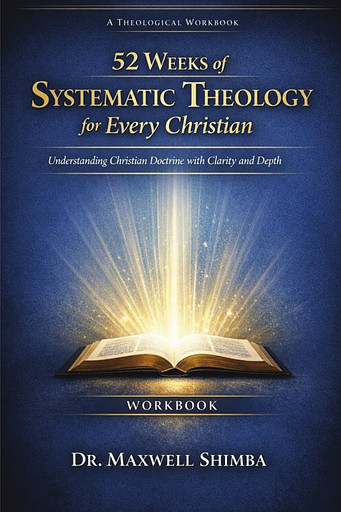
Understanding Christian Doctrine with Clarity and Depth
Do you want to know God—not just in theory, but in a way that transforms your life?
In an age of spiritual confusion and shallow teaching, many Christians are theologically adrift. We have endless access to information, but true knowledge of God remains rare.
52 Weeks of Systematic Theology for Every Christian is your year-long invitation to sit at the feet of the living God. Week by week, you will journey through the great doctrines of the faith—from the Trinity to the resurrection, from salvation to the new creation. Each chapter combines deep theological teaching, biblical grounding, historical insight, and practical application.
This is not a dry textbook. It is a pilgrimage. And it will change how you think, live, worship, and hope.
Whether you are a new believer, a small group leader, or a seasoned Christian, this book will help you:
Understand who God is and what He has done
Grow in confidence, humility, and joy
Build your life on the unshakable foundation of God's Word
Live each day in the light of eternity
Your fifty-two week journey begins now.
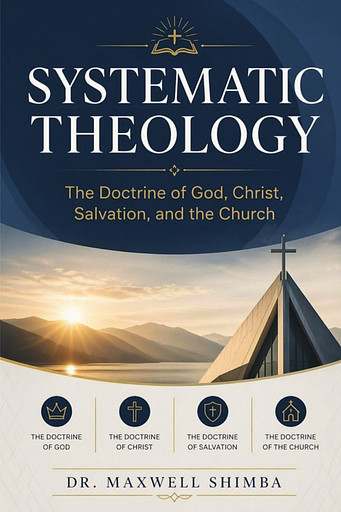
The Doctrine of God, Christ, Salvation, and the Church
Systematic Theology: The Doctrine of God, Christ, Salvation, and the Church is a comprehensive guide to the foundational truths of the Christian faith. Designed for both the student and the lifelong learner, this volume organizes the vast teachings of Scripture into a clear, coherent, and accessible system.
Moving from the nature of revelation to the hope of the new heavens and new earth, Dr. Maxwell Shimba explores the essential doctrines every believer needs to know:
The Triune God and His glorious attributes
The Person and work of Jesus Christ (Christology)
The Person and work of the Holy Spirit (Pneumatology)
The creation, fall, and redemption of humanity
The plan of salvation (Soteriology)
The nature, purpose, and mission of the Church (Ecclesiology)
The return of Christ and the final state of all things (Eschatology)
More than an academic textbook, this work is an invitation to deeper worship and faithful living. Whether you are a pastor, a student, or a new believer, Systematic Theology will equip you to know God more deeply and defend your faith with clarity and conviction.
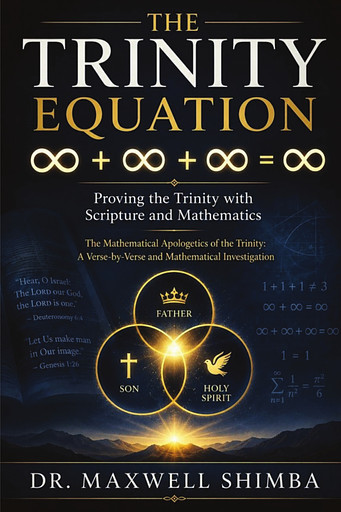
∞ + ∞ + ∞ = ∞ Proving the Trinity with Scripture and Mathematics
Can three be one? Mathematics says yes. Scripture proves it.
For centuries, critics have called the Trinity a logical impossibility—three cannot be one. But that objection assumes God counts like we do.
What if the divine arithmetic runs on a different base?
In The Trinity Equation, Dr. Maxwell Shimba shatters the 1+1+1=3 objection using ternary addition, infinity theory, and the unchanging witness of Scripture. From Genesis to the Gospels, from the atom to the stars, he reveals a universe wired for plurality in unity.
You’ll discover:
Why ∞ + ∞ + ∞ = ∞ is the true equation of the Godhead
How the Holy Spirit is a Person—not a force, an angel, or Muhammad
Why Jesus prayed, slept, and cried out on the cross—yet remained fully God
What the Qur’an actually says about the Word and Spirit of God
Whether you’re a Christian, a Muslim, a skeptic, or a seeker, this book will challenge your assumptions and deepen your worship.
One God. Three Persons. Infinite glory. The math finally makes sense.
∞ + ∞ + ∞ = ∞
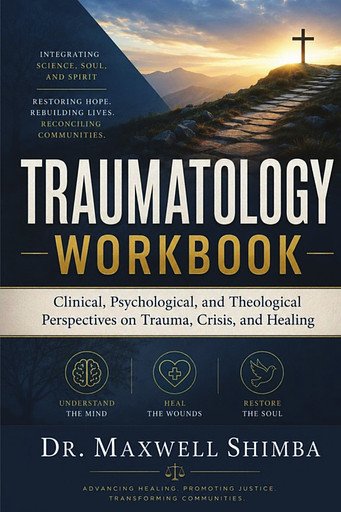
Clinical, Psychological, and Theological Perspectives on Trauma, Crisis, and Healing
Trauma wounds the body, distorts the mind, and shakes the soul. Healing requires more than one lens.
In Traumatology, Dr. Maxwell Shimba weaves together three essential perspectives—clinical, psychological, and theological—into a single, powerful approach to crisis and recovery.
Learn how trauma rewires the brain, fuels anxiety and disease, and disrupts faith. Discover practical tools for crisis counseling, suicide prevention, and post-traumatic growth. Grounded in Scripture and supported by neuroscience, this holistic guide equips counselors, pastors, and caregivers to walk alongside the wounded with compassion and competence.
The journey from trauma to healing is long. But with the right map, the right guide, and the right companions, even the darkest valley can be crossed.