 The Hive Doctor
Powered by Books.by
The Hive Doctor

Why Less Intervention, Applied Precisely, Produces Stronger Colonies
by Jonathan Adam Hargus
Better beekeeping isn't about doing more—it’s about knowing when action is truly necessary.
Many beekeepers believe successful management comes from frequent inspections and constant intervention.
But every time we open a hive, we interrupt a living system that is already working toward its own goals.
Signal-Based Beekeeping Volume II: The Discipline of Restraint teaches you how to make better decisions about when to inspect, when to intervene, and when to let the colony continue its work.
By learning to recognize meaningful signals and understand the reasoning behind your actions, you'll reduce unnecessary disruption, improve your timing, and develop the confidence to manage your bees with greater precision and purpose.
Key Benefits
- Learn when an inspection is truly necessary—and when it is not.
- Reduce unnecessary disruption to colony development.
- Improve your timing by understanding colony signals.
- Develop confidence in making fewer but more effective interventions.
- Replace the urge to constantly manage with intentional decision-making.
- Strengthen your ability to work with the colony rather than against it.
25+ years as a professional beekeeper, guiding hives and beekeepers alike
If you’ve ever stood over an open hive wondering whether you’re helping or quietly making things worse, I understand that feeling. I’ve seen it happen countless times—not because people don’t care, but because the signals aren’t obvious when you’re new. I spent 15 years apprenticing alongside commercial beekeepers, where every choice had real consequences and reading the bees’ signals correctly wasn’t optional. In 2017, I went out on my own—and along the way, I’ve helped hobbyists and intermediate beekeepers make sense of their first seasons without the trial-and-error I once faced. This bookstore is the shortcut I wish I had. Every recommendation comes from years of hands-on experience, so you can focus on what matters, skip the noise, and build healthy, thriving hives with confidence. Think of it as a guide to learning your bees—and enjoying the process—without getting lost.
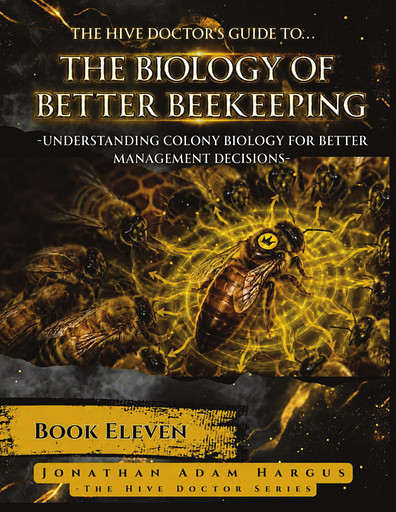
Understanding Colony Biology for Better Management Decisions
Go beyond knowing bees. Understand the living system that guides every colony decision.
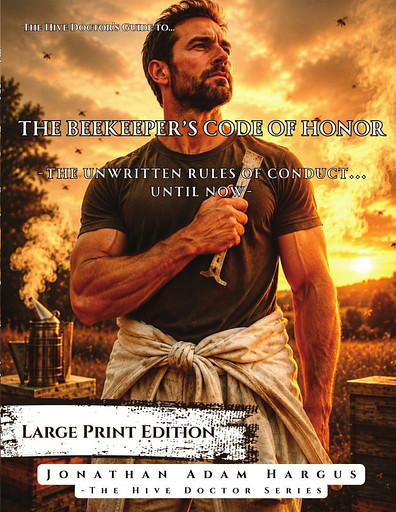
The Unwritten Rules of Conduct (until now)
Mastery is not only measured by how you keep bees, but by how you conduct yourself while doing it.
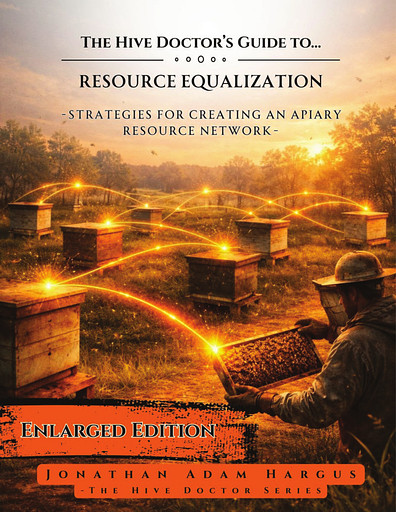
Strategies for Creating An Apiary Resource Network/Enlarged Edition
Build a stronger apiary by learning how to balance resources, not just manage individual colonies.
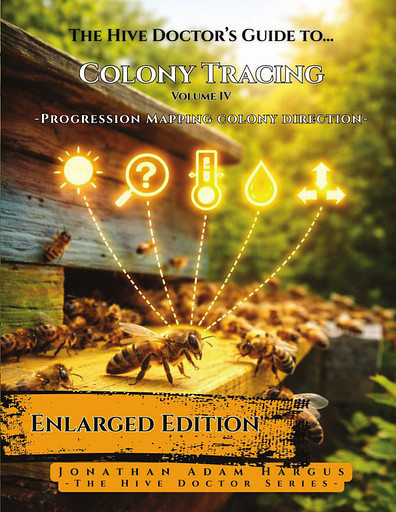
Progression Mapping Colony Direction
Learn to trace colony outcomes back to the causes that created them. 28-page Mapping Tool Included!
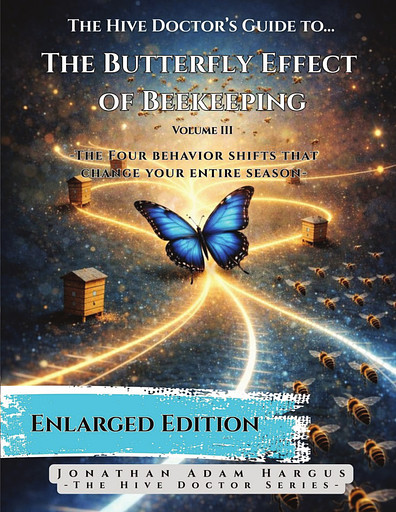
The Four Behavior Shifts That Change Your Entire Season
Change the small behaviors that create big results in your beekeeping season.
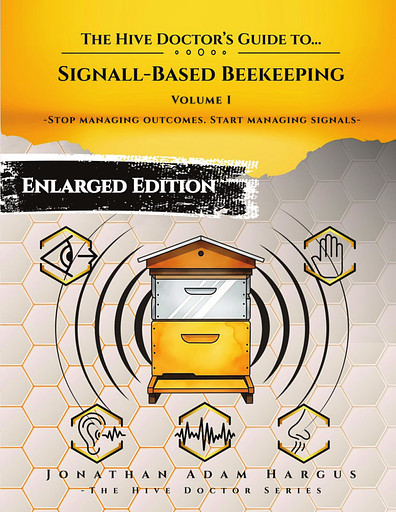
Stop Managing Outcomes. Start Managing Signals.
Stop reacting to what your bees do and start understanding what your bees are telling you.

The Past, Present, and Future of Beekeeping
The beekeepers who thrive in the future won't be the ones who know the most—they'll be the ones who adapt the fastest.

Demystifying Mite Control Methods
Stop guessing about mite treatments and learn how to choose the right strategy at the right time.
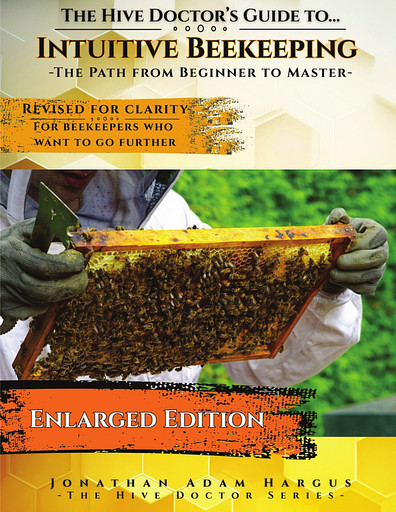
The Path From Beginner to Master
Stop reacting to your bees and start anticipating what they'll do next.
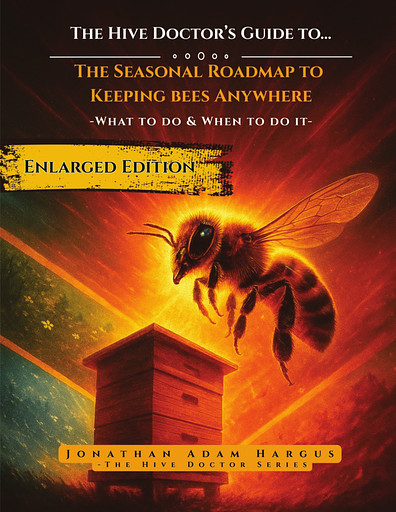
What To Do & When To Do It
Know what your bees need in every season—without relying on someone else's calendar.