 PhilB1883
Powered by Books.by
PhilB1883
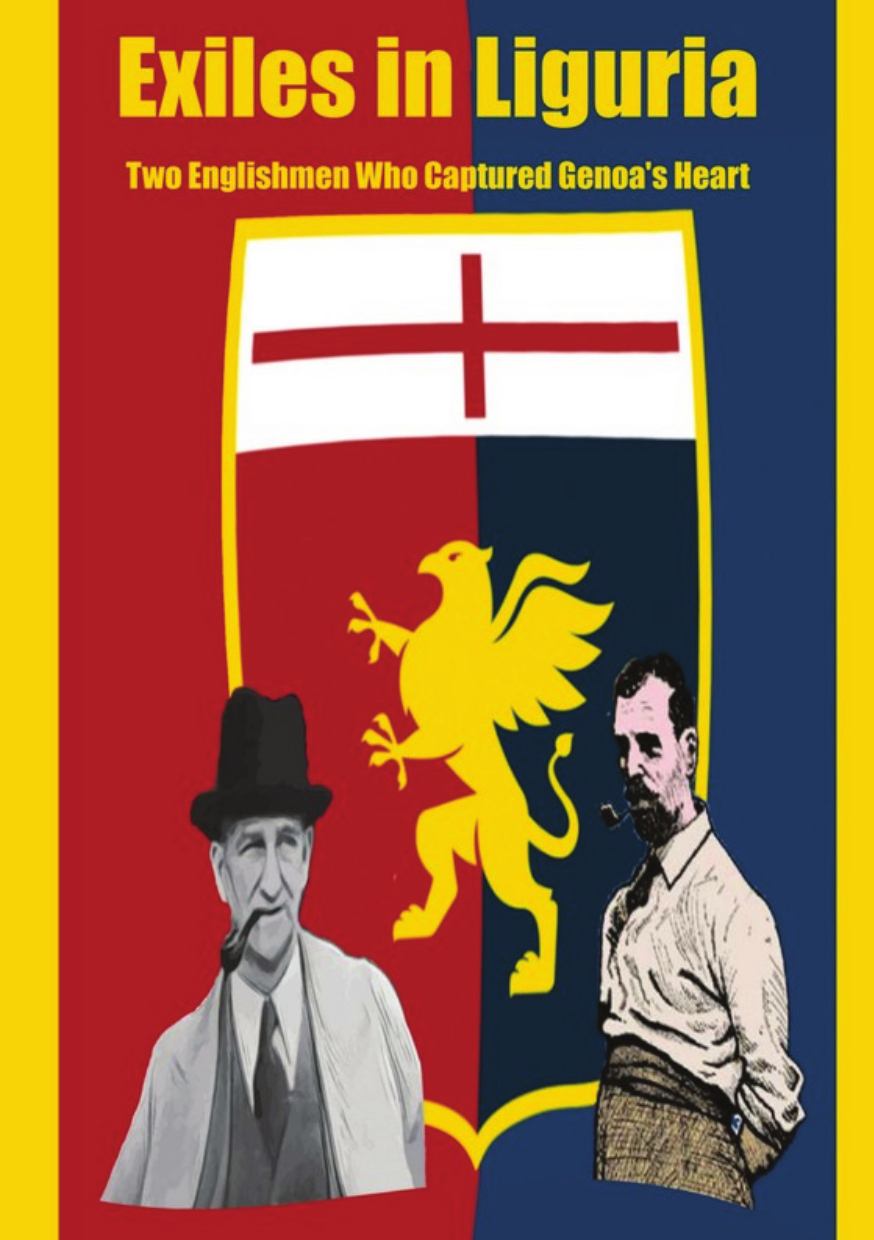
Two Englishmen Who Captured Genoa's Heart
by Phil Brennan
In the long and storied history of Genoa Cricket and Football Club, two Englishmen stand as its enduring spiritual icons: James Richardson Spensley, affectionately remembered by Genoese fans as U’ Megö Ingléize (The good Englishman), and William Thomas Garbutt, revered simply as ‘Mister’.
They represent, respectively, the ancient age and the Renaissance of Italy’s oldest football club.
Spensley, the club’s founding player-manager, was active from 1898 to 1906, serving as both goalkeeper and tactician in Genoa’s first nine national championships — and as a member of the club’s Commissione Tecnica (Technical Committee) until 1907.
Garbutt, by contrast, would later guide Genoa through seventeen seasons between 1912 and 1948, leading them to three Scudetti (1915, 1923, 1924) and transforming Italian football into a modern, professional game.
My introduction to Garbutt came through John Foot’s excellent book Calcio: A History of Italian Football, which mentioned Garbutt in passing but left me intrigued. Here was a man from Stockport - my own part of England - who had become a national hero in another country, decades before football’s globalisation truly began. As a proud Stopfordian with Italian heritage, I felt compelled to know more.
That curiosity led me to Paul Edgerton’s biography, William Garbutt: The Father of Italian Football. To my surprise, Edgerton, too, had first encountered Garbutt’s name through Foot’s work. His book, however, provided the scaffolding - a deeply researched account of how a working-class Englishman from Hazel Grove could help shape the tactical and cultural foundations of Italian football.
Inspired by that story, I delved further into the early history of Genoa Cricket and Football Club, only to uncover another revelation: before Garbutt, another Englishman had already laid the groundwork for both Genoa’s and Italy’s footballing future.
That man was James Richardson Spensley, born in London in 1867 - a doctor, humanitarian, and footballer who became Genoa’s founding player-manager. Spensley was goalkeeper, organiser, and tactician, guiding the club through its first nine national championships between 1898 and 1906, and serving on the Commissione Tecnica (Technical Committee) until 1907. His influence extended beyond football; Spensley helped establish the roots of sportsmanship, community, and civic spirit in Genoese football culture.
A generation later, William Thomas “Billy” Garbutt would arrive in Liguria to continue and expand that legacy. Between 1912 and 1948, across seventeen seasons, Garbutt led Genoa to three Scudetti (1915, 1923, 1924) and transformed not only the club but Italian football itself - introducing professionalism, modern training methods, and tactical sophistication that shaped future greats like Vittorio Pozzo and, later, Arrigo Sacchi.
Both men were exiles in Liguria, yet both became part of Genoa’s identity - woven into the story of the city, its people, and its footballing soul.
Thanks to the foundational research of authors such as Foot and Edgerton, and the growing body of online scholarship and archival material, I’ve been able to piece together this book as a dual biography: a portrait of two pioneering Englishmen whose influence on Genoa CFC - and on Italian football as a whole - endures to this day.
This is their story: how Spensley built the foundation, and how Garbutt built the legend.
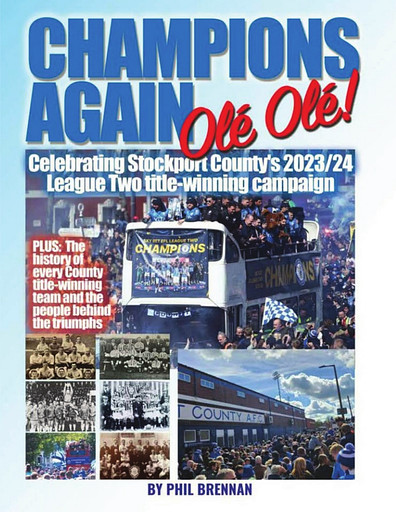
I’m a journalist, author, and editor with a passion for football, storytelling, and creative writing. From working with clubs like Stockport County and Oldham Athletic to writing and editing books on football and beyond, I’ve spent over a decade immersed in media, sport, and the written word. Whether it's matchday reporting, children’s books, or spoken word poetry, my work is all about capturing the stories that connect us.
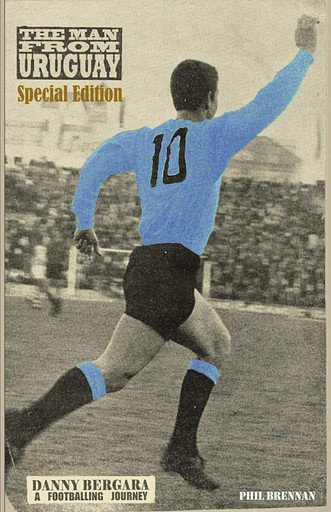
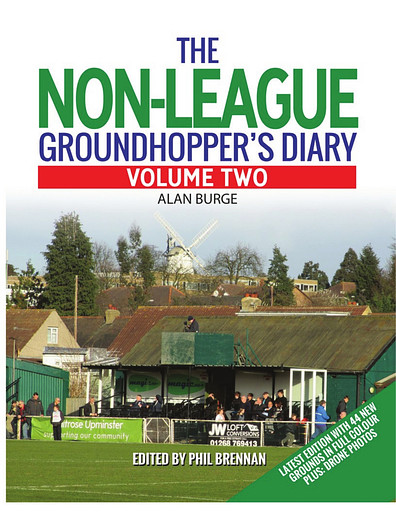
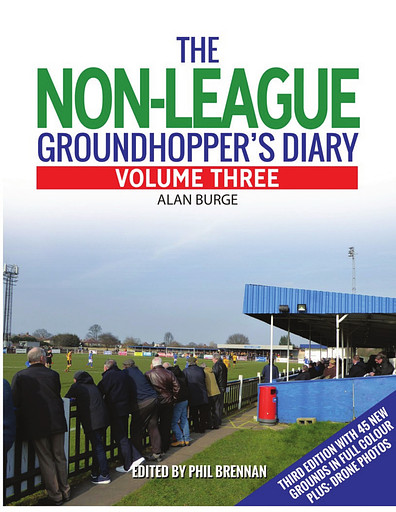
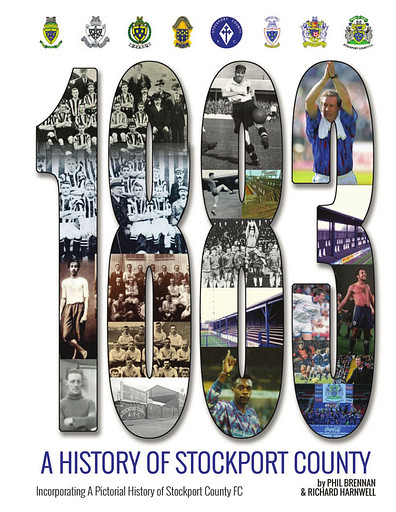
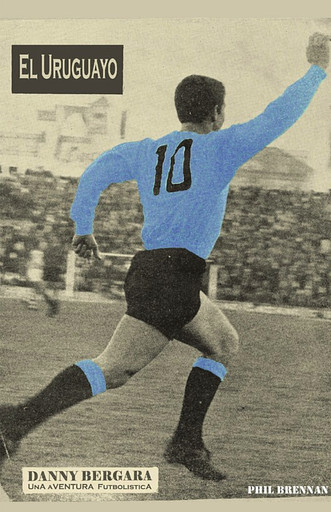
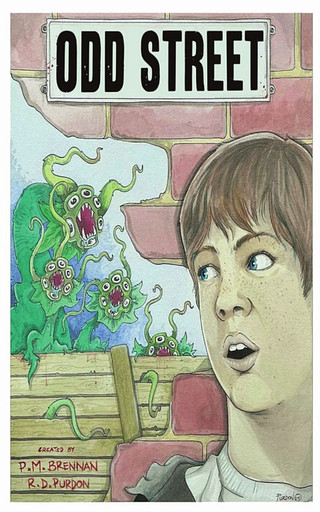
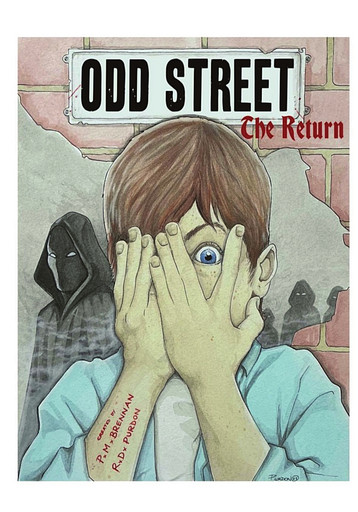
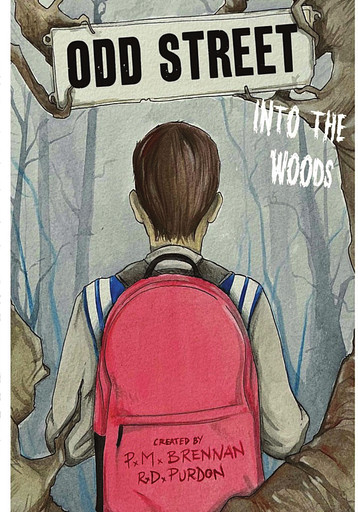
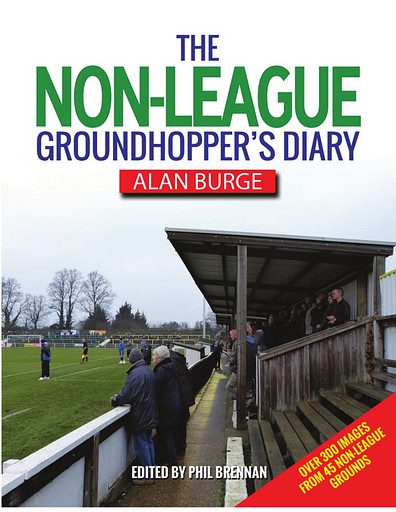
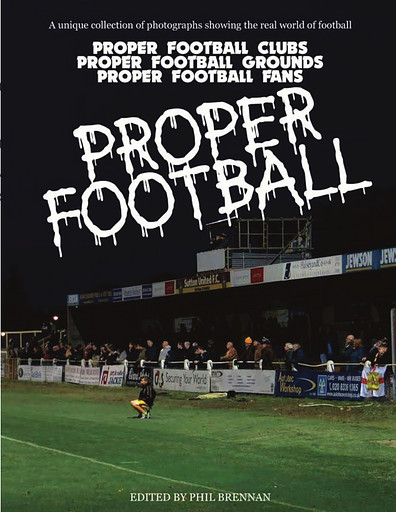
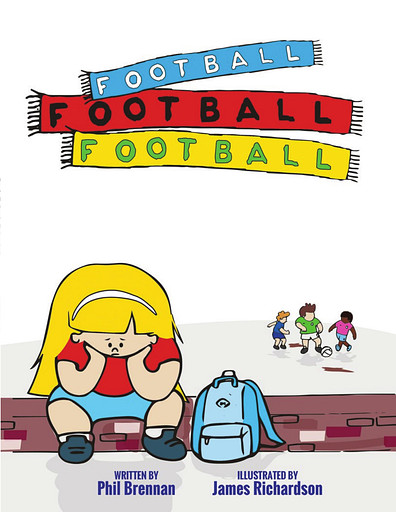
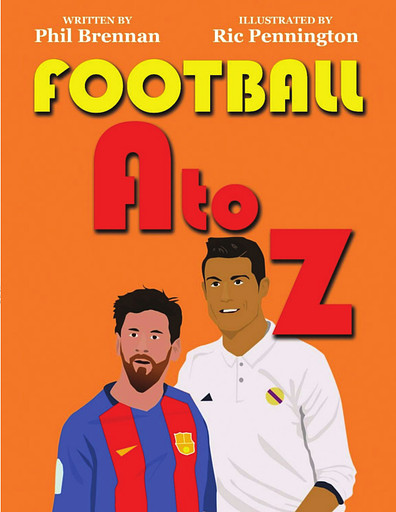
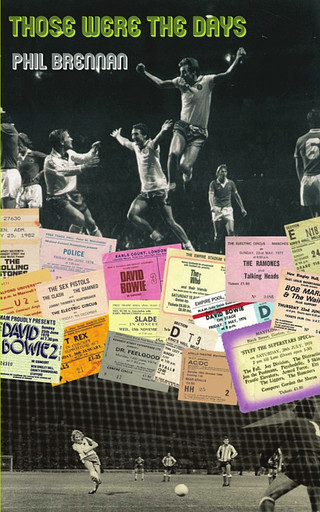
My journey began with roles at the heart of the game, as Press Officer and Media Manager at Stockport County Football Club, and later as Contributing Editor at TheNonLeague Magazine. Initially a regional publication for non-league supporters in the North West, TheNonLeague Magazine expanded into a national platform under my editorial leadership. I played a key role in its growth by securing advertising and sponsorship deals with major companies, helping to bring grassroots football coverage to a wider audience. In 2013, I published my first book, The Man from Uruguay, the biography of Danny Bergara. Its success allowed me to transition into full-time freelance journalism. Since then, I’ve contributed weekly football content, primarily non-league coverage, for newspapers, websites, and magazines across the UK. I’ve also worked directly with clubs, including a spell at Oldham Athletic FC, where I helped rebuild their social media and website presence during a period of internal restructuring. Alongside journalism, I’ve authored a range of children’s books in collaboration with illustrators Rob Purdon, Ric Pennington, and James Richardson. These titles include The Scarf, Football Alphabet, Cricket Alphabet, Football Football Football, Stay at Gnome – A Lockdown Tale, Tangerine Dream, and Granny’s Galactic Garden. As an editor, I’ve worked on several notable football titles, including the Non-League Groundhopper Diaries series and LOST – Football in the 1980s. My writing also extends into poetry, a creative outlet since my schooldays. I’ve written personal poems for family milestones and, more recently, have embraced performing my work at spoken word events, sharing pieces from my collections The Transient Curmudgeon and The Transient Mancunian. Whether through sport, storytelling, or verse, my work continues to explore the spaces where community, culture, and creativity intersect.
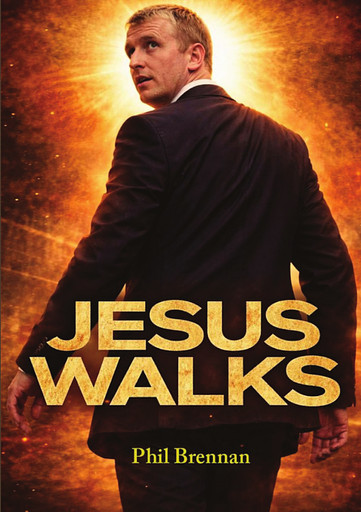
Jesus Walks is a powerful and deeply personal memoir charting one man’s journey from a chaotic childhood in Merseyside to business success, spiritual exploration, and eventual personal collapse.