Powered by Books.by
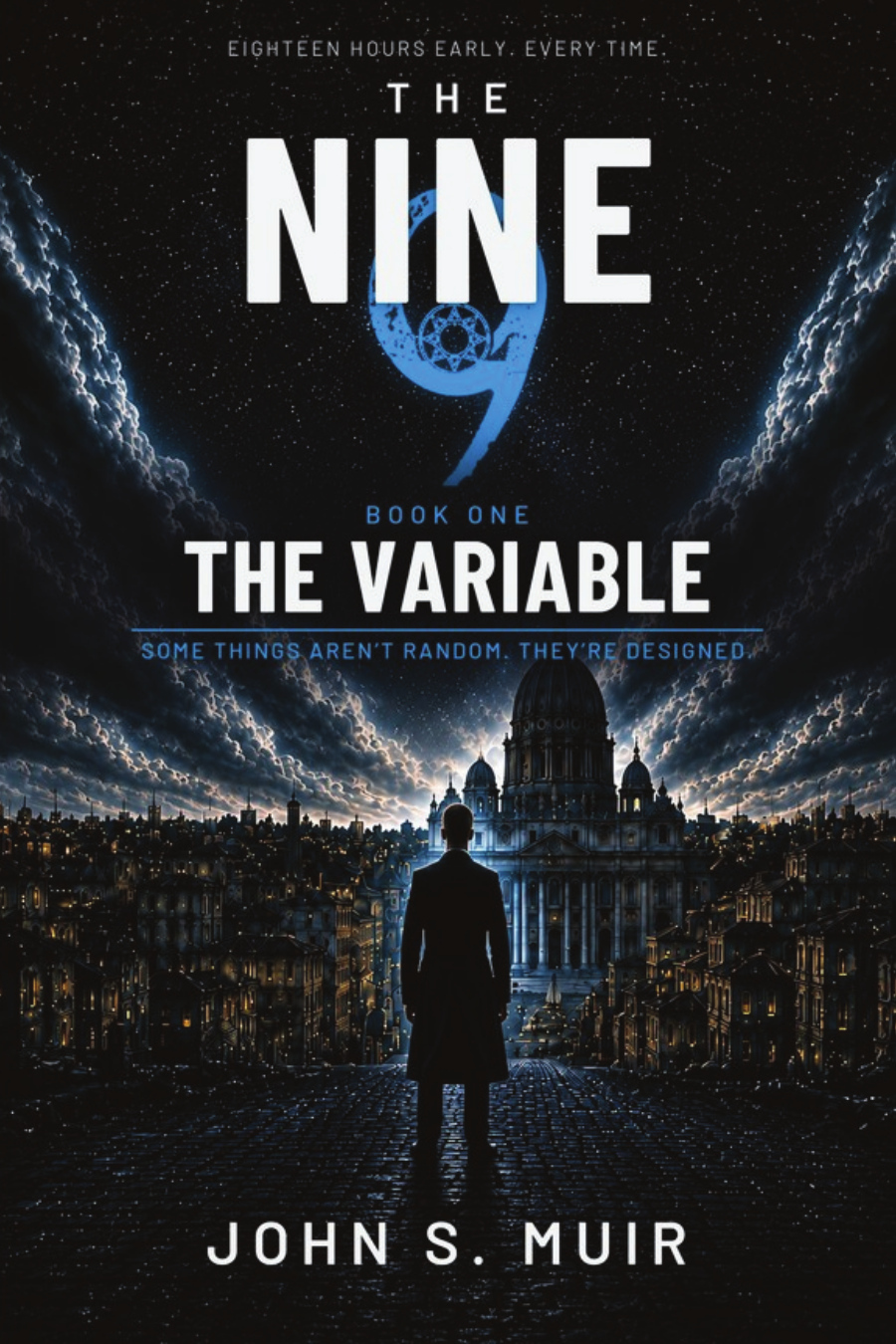
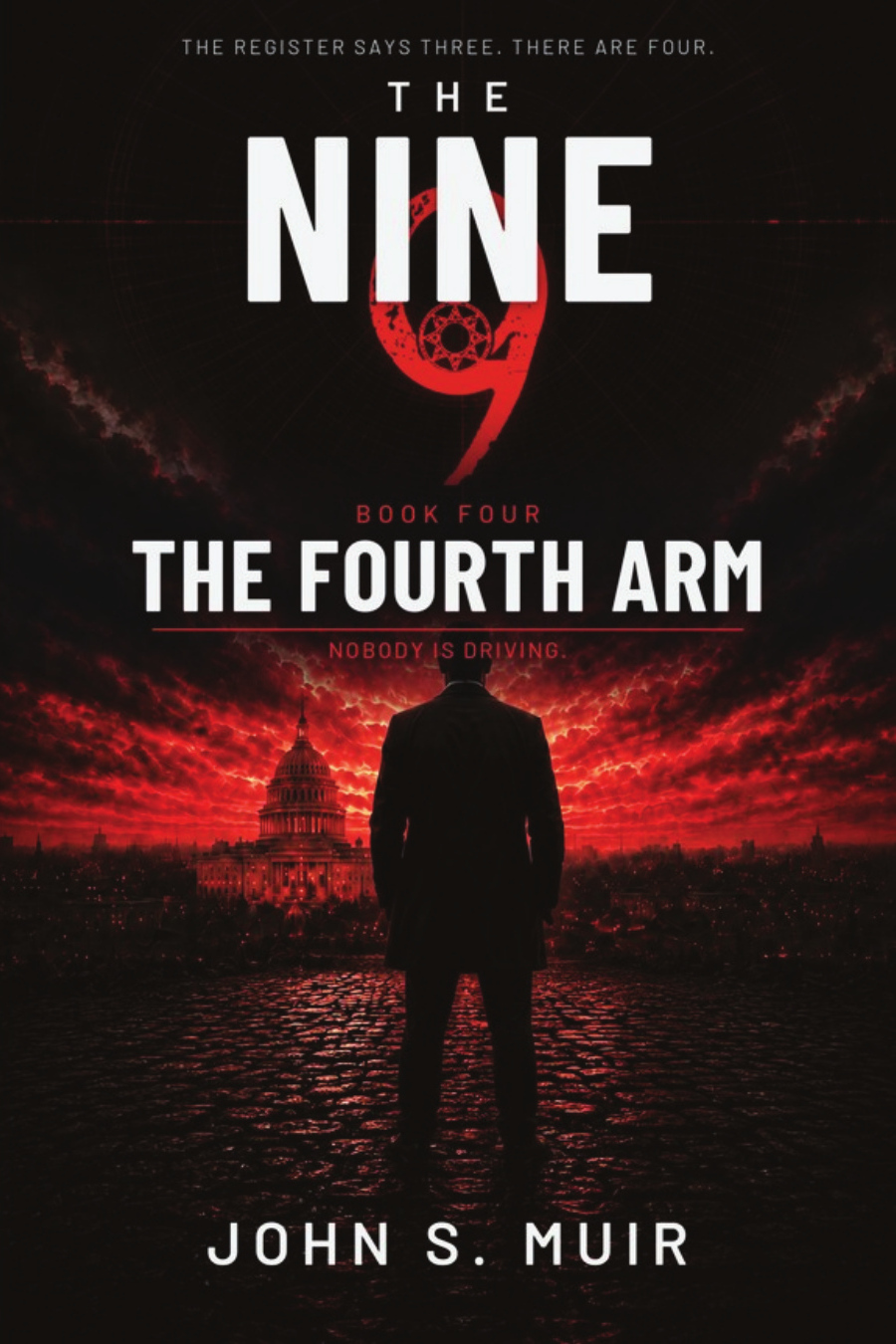
Adrian Voss models how populations panic — until the panic starts arriving before the event that causes it. Six to eighteen hours before. Every time.
Three point one percent. Then three point four. Then three point two. The gap is too steady to be an outage and too small to be a failure. Adrian Voss is an analyst in Arlington, and he does the thing that has never once helped him: he checks it. Six weeks later he has no job, no apartment, and a file with his family's name on the cover. It was opened in 1950.
Some Things Aren't Random. They're Designed.
Three point one percent. Then three point four. Then three point two.
The gap between the forecast and the freight is too steady to be an outage and too small to be a failure — which is exactly the shape that gets a model quietly retired and its author quietly moved. Adrian Voss is an analyst in Arlington. He does the thing he has always done, the thing that has never once helped him.
He checks it.
Six weeks later he has no job, no apartment, and a file with his family's name on the cover. It was opened in 1950 and added to, one line a year, ever since. On page 104 there is a chart of a tremor at 8.4 hertz — his uncle's, his father's, and now, when he holds a pen after midnight, his own.
His father spent eleven years in a basement filling seventeen notebooks with the same question, and was institutionalized for it. Adrian spent his adult life assuming the man was ill. The file says he was right — and that being right was anticipated, priced and logged.
There are no car chases here. There is a six-day window in October, eleven decisions made eighteen hours early, and a man with a spreadsheet who can prove it and nowhere to send it.