Powered by Books.by
An unsigned bulletin reports what was sitting in the storehouses while the people starved. Famine, it turns out, is rarely the sky's doing alone; again and again the grain was there, the ships still sailed out full, and the hunger was a decision. Stolen Bread lays that ledger open. A short read. Pass it on.
They still can't find who's sending them.
The bulletins keep arriving, unsigned, each dated to a different age, each written as if the ink were still wet in its own century. The fourth one counts the harvest. It follows the hunger the powerful have engineered or permitted in every era: the famine that was never only the weather. The grain was in the granaries. The ships left the ports full. The relief was refused as a matter of policy. And the people who made those choices did not go hungry.
Stolen Bread moves through the documented record of engineered starvation; the harvest exported past the dying, the rations withheld, the aid turned away while the storehouses stayed stocked. No lecture. No verdict handed down. Just the ledger of what was taken while there was still bread to give.
It's built to be read in one sitting and handed to the next person, because there is nothing new under the sun, and the next bulletin is already on its way.


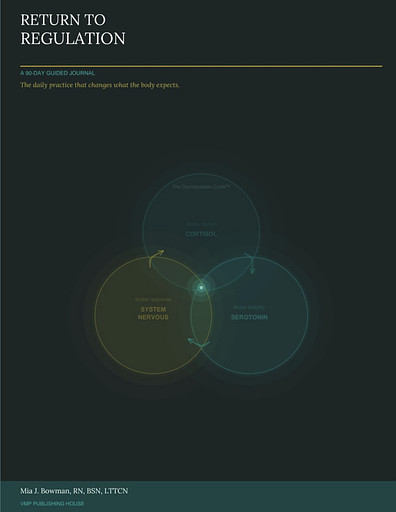
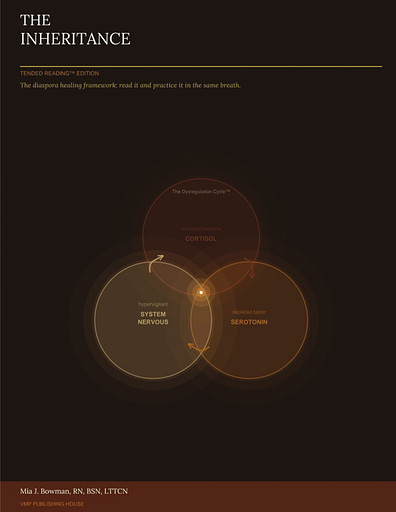
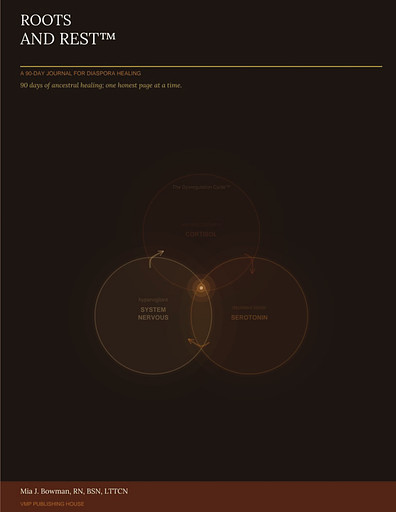
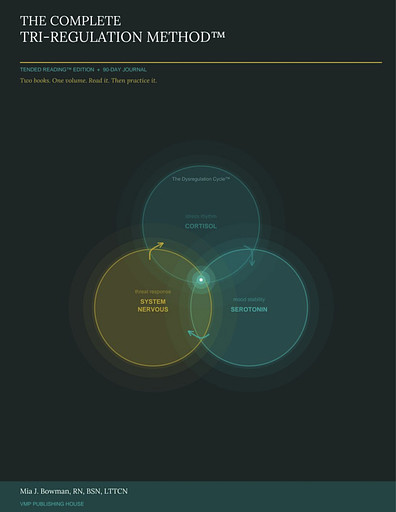
The Inheritance + Roots and Rest™ — Combined Edition


Transition help from the Standard American Diet to a 'Good Life' Activating Diet (Health and Wellness)
US$14.99








History of the Promise Bible handbook: 6 (A Tended Reading™ )
US$26.99

History of the Promise Bible Handbook: 7 (A Tended Reading™ )
US$17.99